REVIEW · AREZZO
Wine and olive oil tastings with the locals
Book on Viator →Operated by A bite of Tuscany di Debora Mazzierli · Bookable on Viator
If you like wine that comes with stories, this day fits. You’ll spend an 8-hour private time in the Arezzo area visiting local family businesses for tastings of wine and extra vergine olive oil, plus vineyard and production-room views. The big win for me is the human side: you talk directly with the wine makers, hear what they learned from older generations, and get the why behind the flavors. The second thing I like is the production access—seeing fermentation and aging rooms means you’re not just drinking, you’re understanding. One thing to consider: this experience relies on good weather, so if conditions are rough, your date may shift or you’ll get a refund.
The plan is simple on paper and fun in real life: start at 9:30 am (with pickup), then move between tastings and small local producers in family-run settings. Expect lots of talking, tasting, and looking at how the region’s grapes and olives become bottled wine and fresh oil—often with food along the way, because that’s how these tastings make sense here.
In This Review
- Key points you should care about
- Arezzo and Cortona: why wine and oil hit differently here
- Pickup and the 9:30 am start: how to set yourself up
- Family vineyards and the inside look at production
- Wine tastings: what to look for while you’re tasting
- Extra vergine olive oil: tasting it like a craft
- Food pairings that make the flavors click
- Learning Cortona: history you can taste
- Debora’s style: conversation, not a script
- Price and value for a private tasting day
- Practical timing, weather, and comfort tips
- Should you book this wine and olive oil day?
- FAQ
- How long is the wine and olive oil tasting experience?
- Where is this experience located?
- Is pickup offered?
- Is this a private tour?
- What language is the tour offered in?
- What should I expect during the tour?
- Are service animals allowed?
- Is there mobile ticket access?
- What happens if weather is bad?
- What is the cancellation policy?
Key points you should care about
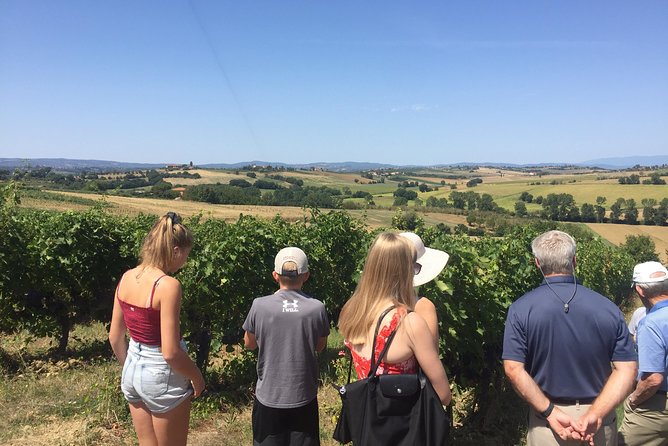
Family-run wineries and oil makers, not big factories
You’ll meet people who actually grow, press, ferment, and age the products you taste.
You see the process, including fermentation and aging rooms
That inside-the-facility look helps you connect taste to technique.
Extra-virgin olive oil is a main event
You’re tasting it intentionally, not treating it like a side note.
Cortona-area context while you’re on the move
You’ll learn the history of Cortona and the surrounding area as part of the day.
Private tour format means the pace can fit your group
It’s just your group, so questions and pauses are easier than on a crowded bus day.
Pickup is included, so you can relax early
You don’t have to wrestle with parking or figuring out how to get out to the countryside.
Arezzo and Cortona: why wine and oil hit differently here
Arezzo sits in a sweet pocket of Tuscany where the landscape and farming traditions do a lot of the work for you. Even if you’ve had Tuscan wine before, the difference here is how direct the connection feels between the land and what ends up on your table.
This tour’s focus on wine plus extra-virgin olive oil matters. In many tastings, the oil shows up as a token splash. Here, olive oil is treated like its own craft, because it is. You’ll learn how the region thinks about olives and how the families carry methods forward.
Also, the emphasis on Cortona and the area around it gives your tasting day a sense of place. You’re not just stopping to sample; you’re building a picture of why these families farm the way they do, and what local tradition looks like when it’s still being practiced.
You can also read our reviews of more tours and experiences in Arezzo.
Pickup and the 9:30 am start: how to set yourself up
The day begins at 9:30 am, and pickup is part of the deal. That sounds like logistics, but it really affects the experience. If you’re starting in the countryside early, you get more relaxed driving time and less stress—meaning you can actually pay attention during tastings instead of spending the first hour checking your phone for directions.
This is also a private tour, so it’s not a one-size-fits-all group schedule. If your group is slower, you can take your time. If you’re the type who wants to ask extra questions about fermentation or aging, you’re not competing with a van full of other voices.
A small practical note: because you’ll be tasting wine and olive oil, plan to go easy with breakfast and water. If you enjoy learning through smell and taste, you’ll get more from each stop.
Family vineyards and the inside look at production
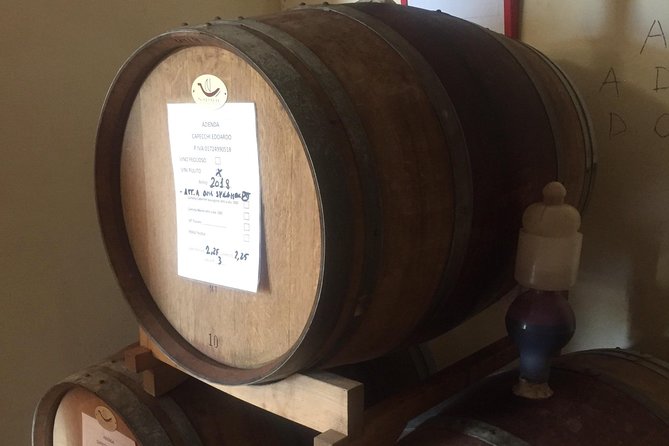
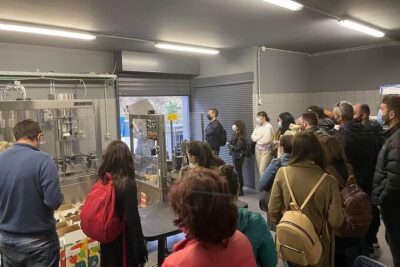
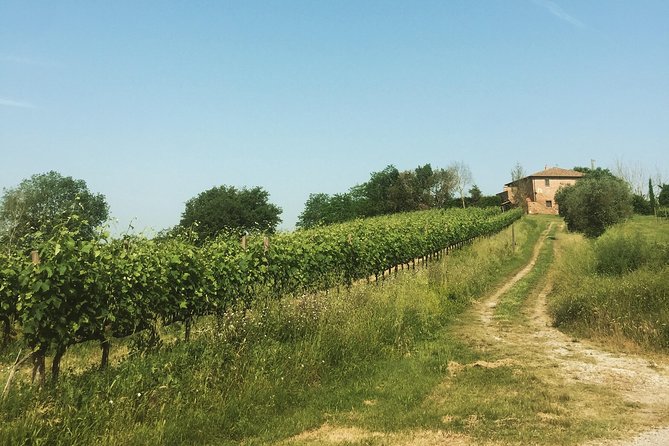
One of the most valuable parts of this day is that it doesn’t just point you at a view. You’ll see vineyards, and you’ll also get to observe key parts of the winemaking journey—specifically fermentation and aging rooms.
Why that matters: taste is easier to understand when you can connect it to what’s happening behind the scenes. Fermentation changes how aromas develop. Aging affects how flavors soften or sharpen over time. When you can see the stages, the tasting stops become more like a hands-on lesson than a quick pour-and-go.
This is where I think the day earns its reputation. You’re talking directly with the wine makers, so you’ll hear the practical choices families make—not just marketing lines. And since the guiding style is built around those conversations, you’re more likely to remember details like which steps influence structure, acidity, or how the wine handles food.
Wine tastings: what to look for while you’re tasting
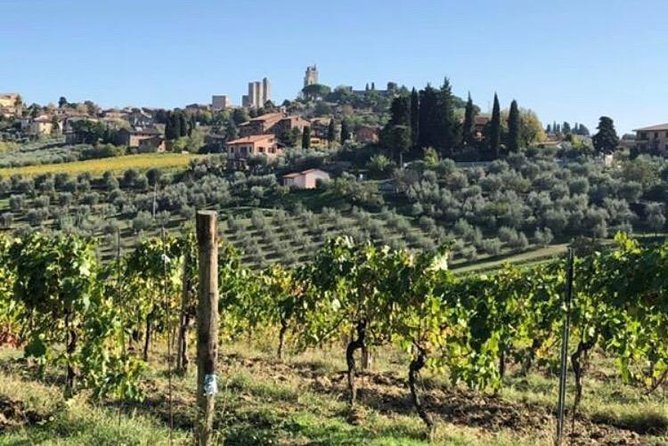
Wine tastings can turn into blur if you don’t know what you’re trying to notice. Here, I’d focus on three things while you taste.
First, pay attention to the balance between fruit and structure. A well-made Tuscan wine often has clear fruit, but it also has backbone—something you feel in the mid-palate.
Second, smell before you sip. You’ll likely be given context while you taste, and catching the aroma first makes the explanation stick better.
Third, connect the wine to what you’re eating. If food pairings show up during your stops, use those moments. The region’s flavors tend to work as a system: bread, cheese, olive oil, and wine can all amplify one another. When you taste them together, it becomes obvious what the maker was aiming for.
If your group is a little intimidated by wine talk, don’t worry. The tone here is built for real conversation. You can ask basic questions about why a certain bottle tastes a certain way, and you’ll get a straight answer rather than a lecture.
Extra vergine olive oil: tasting it like a craft
Let’s be honest: many people think they know olive oil. Then they taste fresh extra vergine olive oil from the source, and the definition changes.
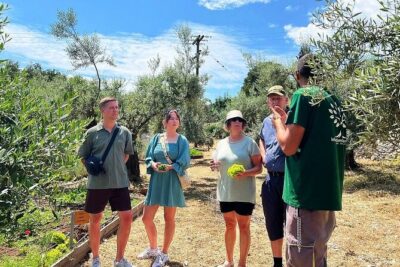
This day makes oil a headline item. You’re not just tasting oil; you’re learning how families grow and press olives, and why that process matters. Oil quality isn’t only about the olive variety—it’s also about the care taken from harvest onward, and what happens during pressing.
When you taste oil, here’s what to do so you actually learn something:
- Take a small sip (seriously small) and let it coat your palate.
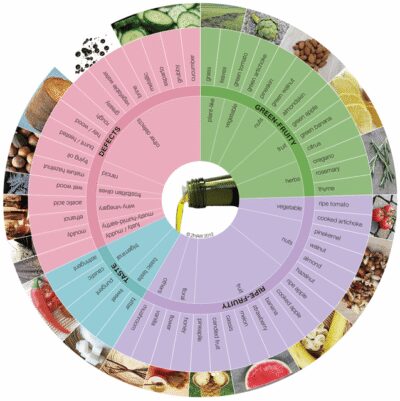
- Note bitterness and peppery notes without panicking. Those are often signs of freshness and good processing.
- Look for fruitiness and any grassy or herbal cues.
Even if you’re not a self-described foodie, you’ll likely notice the difference right away once you’ve tasted it with guidance. Olive oil is one of those products where explanations turn into better senses. After a good tasting, your grocery-store shelf will look very different.
Food pairings that make the flavors click
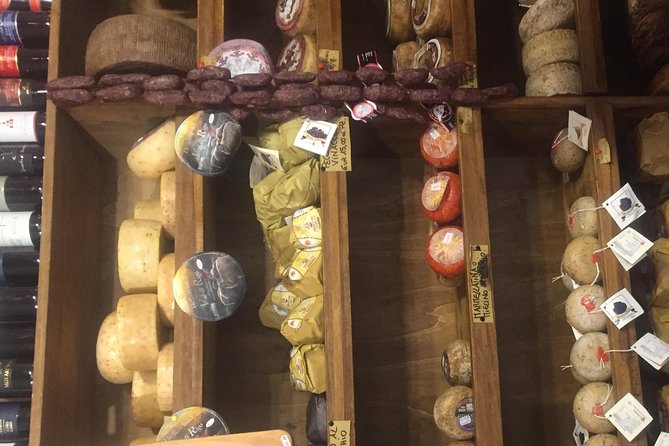
This type of tour works best when wine and oil aren’t floating in a vacuum. And in practice, you may find food pairings woven through the day—often local staples like bread and cheese, plus pasta dishes and other regional bites.
I like this approach because it mirrors how Tuscan families eat. You’re not dining in a formal restaurant; you’re tasting in producer settings, where the point is to show how products live together.
If you’re the kind of traveler who learns by eating, this part is where the day becomes memorable. Tasting wine by itself is fine, but tasting it after a bite—especially one finished with olive oil—turns it into a full experience.
Also, if you have dietary restrictions, it’s worth planning ahead. The provided details don’t list menus or allergy handling, so you’ll want to communicate needs clearly when you book.
Learning Cortona: history you can taste
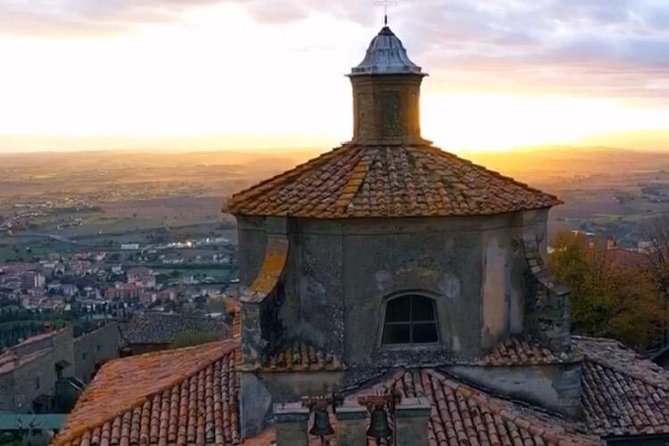
The tour isn’t just production talk. You’ll also hear history of Cortona and the area around. The good news is that this history isn’t delivered like a textbook. It’s tied to the people and the land you’re seeing.
When you understand a place, your tastings feel more grounded. You start to connect old practices—passed down across generations—with what’s on the table today. It’s the difference between tasting a product and understanding why that product exists.
If you like travel days where you leave with more than photos, you’ll appreciate this. And if you don’t care about history details, you can still benefit: even simple context can help you explain to friends later what you tasted and why it mattered.
Debora’s style: conversation, not a script
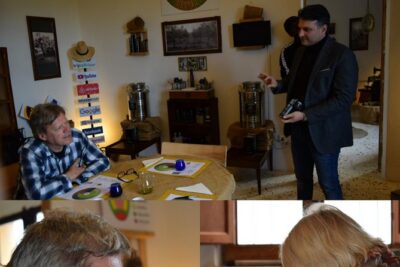
The experience is led by A bite of Tuscany di Debora Mazzierli, and the name matters. Multiple accounts highlight Debora as the kind of guide who makes the day feel personal within the first minutes. The tone is down-to-earth, friendly, and question-friendly, which is exactly what you want on a tasting tour.
In a private format, a good guide can do something rare: match the day to your interests. If your group cares more about wine technique, you’ll get that. If you care more about olive oil and local food, you’ll get that too.
This is also where the route feels more than a set of stops. When your guide is invested in your questions and keeps the pace comfortable, each tasting becomes a mini story rather than a routine.
Price and value for a private tasting day
At $252.31 per person for about 8 hours, the cost isn’t low on paper. But tasting tours get judged by value, not by sticker price.
Here’s where the value comes from:
- You’re not on a group bus. It’s private, just your group.
- Pickup is included, which can save time and hassle.
- You’re visiting local family businesses and getting access that’s more than showroom-level.
- The experience includes wine and extra vergine olive oil, and it’s paired with explanations and production-room views.
If you’re traveling with a group of friends or family, private tours often become a smart move because you’re paying for your time together and for a guide who can slow down for questions. If you’re traveling solo or as a couple, it can still be a good deal—especially if you want a day built around tasting rather than trying to solve countryside logistics on your own.
Practical timing, weather, and comfort tips
Two factors can shape your day: weather and how you dress.
The tour requires good weather, so if rain or heavy conditions hit, you may be offered another date or a refund. That’s normal for outdoor-friendly countryside days, and it’s one reason to book with a flexible mindset.
For comfort, think countryside and tasting:
- Wear shoes you’re happy to walk in.
- Bring a light layer. Production areas and shaded stops can feel cooler than the road.
- Plan to taste slowly and drink water between pours.
Because you’ll be doing tastings, your best strategy is to go in curious, not competitive. The point is learning how wine and olive oil come together, not checking how many sips you can handle.
Should you book this wine and olive oil day?
I think this tour is a great choice if you want a real producer day—the kind where you talk to wine makers, see how things are made, and taste with guidance. It’s especially good for first-timers to Tuscany who want one strong day that covers both wine and olive oil without feeling like a rushed checklist.
Skip it (or choose carefully) if you only want quick stops or you hate structured tastings. Also, if you have strict dietary needs, you’ll want to confirm how the day can be adjusted—because the provided info doesn’t list specific meal options.
If your idea of a perfect travel day includes countryside learning, food, and thoughtful tasting, book it and go hungry for knowledge.
FAQ
How long is the wine and olive oil tasting experience?
It runs for about 8 hours.
Where is this experience located?
It takes place in Arezzo, Italy, with stops in the surrounding area.
Is pickup offered?
Yes. Pickup is offered, and the provider picks you up at your location.
Is this a private tour?
Yes. It’s a private tour/activity, so only your group participates.
What language is the tour offered in?
The tour is offered in English.
What should I expect during the tour?
You’ll visit local family businesses for wine and extra vergine olive oil tastings, learn about the history of Cortona and the area, and see parts of the winemaking process such as vineyards, fermentation, and aging rooms.
Are service animals allowed?
Yes. Service animals are allowed.
Is there mobile ticket access?
Yes. A mobile ticket is included.
What happens if weather is bad?
The experience requires good weather. If it’s canceled due to poor weather, you’ll be offered a different date or a full refund.
What is the cancellation policy?
You can cancel for a full refund up to 24 hours before the experience starts. If you cancel less than 24 hours before, the payment is not refunded.