REVIEW · AREZZO
Educational Olive Oil Tasting
Book on Viator →Operated by Buccelletti - Casali & Cantina · Bookable on Viator
Old presses, fresh bread, and real questions. This private olive oil tasting experience in the Arezzo area brings you into a historic, family-run property where you can see traditional olive production and hear how to judge good quality olive oil. I like that it is private, so the guide can slow down for your pace and English questions, and I especially like the setting: a family chapel that dates back to 1625, plus an old olive-mill atmosphere that makes the education feel grounded in place.
One thing to keep in mind: if you expect a long, hands-on production walkthrough with lots of modern machinery and a big outdoor ramble, this may feel short. The experience can lean more toward an educational tasting format, with brief time around the grounds before the oils and pairing.
In This Review
- Key Things That Make This Tasting Worth Your Time
- What You’re Really Paying For: Education, Not Just Tasting
- Inside the Estate: Chapel (1625) and the Old Olive-Mill Feel
- Buccelletti – Cantina: How Traditional Methods Show Up in the Story
- The Tasting Part: How to Recognize Good Olive Oil
- Pairing Basics: Tuscan Bread and Complementary Wine
- How Long Is It, and When Should You Slot It In?
- Private Tour Energy: Personalized Means Less Rushing
- Price and Value: Is $32.51 a Good Deal?
- Potential Drawback: When Short Feels Too Short
- Should You Book This Olive Oil Tasting?
- FAQ
- FAQ
- How long is the olive oil tasting?
- Where does the tour meet?
- Is this tour private?
- What language is the tour offered in?
- What’s included in the experience?
- Is wine included?
- Is hotel pickup or drop-off included?
- Is transportation to and from attractions provided?
- Are there any booking requirements?
- Are service animals allowed?
Key Things That Make This Tasting Worth Your Time
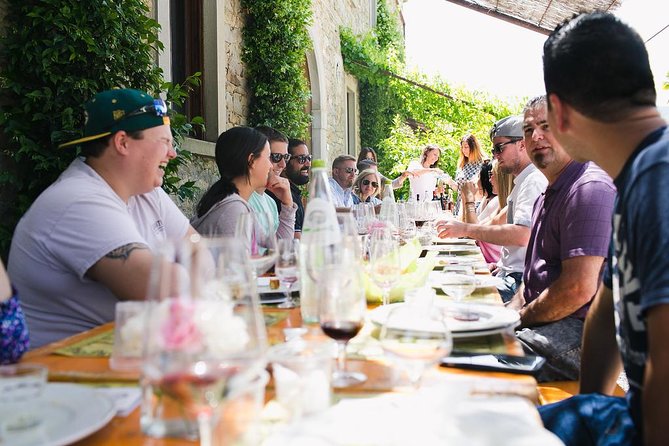
- A chapel from 1625: a striking stop that connects the estate to centuries of local life.
- Historic olive-mill setting: you get context for how oil production used to work here.
- Teach-you-to-taste education: you learn what separates better olive oil from average.
- Estate oils paired with Tuscan bread: simple pairings that help your palate focus.
- Private tour focus: only your group, so it feels personal instead of rushed.
- English-led experience: guides may also be multi-lingual, but English is offered.
What You’re Really Paying For: Education, Not Just Tasting
At $32.51 per person for about an hour, you’re not buying a fancy food show. You’re paying for a clear learning experience tied to a working Tuscan setting. The value here is the combination of place + explanation. You’ll see the property elements that made olive oil production important, then you’ll taste estate olive oils with guidance on how to recognize quality.
This is the kind of tour that works best when you want more than yes/no answers. Instead of just being told which oil is best, the format is built around teaching you how to think about what you’re tasting. That’s what turns it from a quick snack into a skill you can actually use later when you shop.
You can also read our reviews of more tours and experiences in Arezzo.
Inside the Estate: Chapel (1625) and the Old Olive-Mill Feel
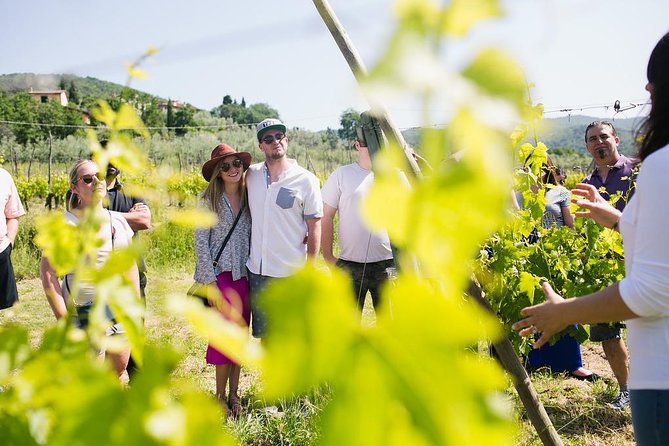
The experience starts with a private visit around the property, including a family chapel dating back to 1625. Even if you’re not a church-history person, it adds atmosphere fast. It’s one of those details that makes Tuscany feel more specific than general postcard culture.
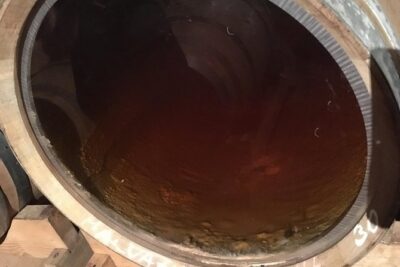
Next comes the historic olive-mill environment. The idea isn’t just nostalgia. You get traditional-production context that helps explain why olive oil quality matters—because methods, timing, and handling all affect the final product. In reviews, people highlight how the setting feels quaint and small-scale, which is often exactly what makes the explanation stick.
One consideration: some visitors may find the on-site production portion more museum-like than workshop-like. If you are hoping for a long, active, step-by-step demo with modern equipment running in the background, adjust your expectations and aim for education and tasting rather than a full “see everything they do today” tour.
Buccelletti – Cantina: How Traditional Methods Show Up in the Story
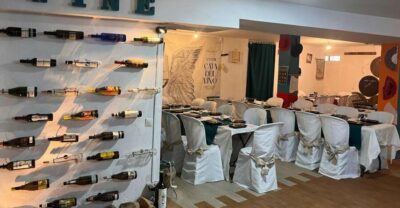
The tour is centered around Buccelletti – Cantina, and you’ll walk through a story of how olives become oil using the traditional production methods associated with estates like this. The key benefit is that the guide helps connect the dots between what you’re seeing and what you’re tasting.
You’ll also get a chance to tour the estate grounds. Expect a short walk—think “get your bearings and see a few key places,” not an all-day hike. If you’re visiting with a slow-moving group, that’s good news: it doesn’t require big walking energy to enjoy the experience.
And yes, you’ll have that moment where it all makes sense: you stop thinking of olive oil as just a bottle on a shelf and start thinking of it as a product with signals you can learn to notice.
The Tasting Part: How to Recognize Good Olive Oil
This is where the tour earns its place on your calendar. After seeing the property side of olive oil production, you move into an educational tasting focused on how to identify quality.
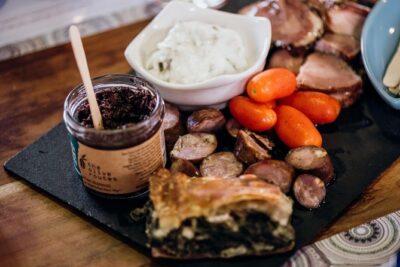
You’ll sample multiple estate olive oils of the winery’s production, then pair them with Tuscan bread. The bread matters. Plain bread gives your palate a neutral base so flavors don’t get lost in other foods. It also makes the tasting feel approachable. You’re not stuck trying to analyze oil alone.
If you’re new to olive oil, here’s what you’ll likely come away with: how to pay attention to aroma and flavor characteristics tied to quality, not just preference. You’ll also learn the basic idea behind what makes olive oil worth buying, which helps a lot when you’re standing in a market later and trying to decide between “pretty good” and genuinely excellent.
In one English-language highlight from a past visitor, the guide Carla was described as especially strong in English and made the whole experience feel welcoming. That kind of guidance is a big deal—because tasting lessons land best when you can ask questions and get clear answers.
Pairing Basics: Tuscan Bread and Complementary Wine
You’ll get fresh bread as part of the tasting experience. It’s not just filler. In an olive oil tasting, bread is a tool. It helps reset your palate and lets you focus on the oil’s character from one sample to the next.
A glass of wine is described as complementary alongside the bread and tasting. This is nice if you want a gentle Tuscan “yes, life is good” moment while you learn. You’ll also have bottled water included.
One practical tip: if you’re the type who tends to get sleepy after wine, time this earlier in your day or plan an easy evening. The tour is short, but a little wine can change how the rest of your afternoon feels.
How Long Is It, and When Should You Slot It In?
The tour runs about 1 hour. That makes it flexible for a travel schedule around Arezzo and the wider Arezzo-to-Cortona corridor. You can fit it between lunch plans and a late-afternoon stroll without burning a whole day.
This also affects the pacing. Since the visit is time-limited, the estate tour portions can be brief, and most of the value is concentrated in the tasting plus the teaching. If you like experiences that give you a focused takeaway, that’s a good match.
If, instead, you’re hoping for a slow, lingering country tour with a lot of time outside, plan to add your own extra outdoor time nearby after the tour. The estate experience is meant to be compact.
Private Tour Energy: Personalized Means Less Rushing
Because it’s a private tour/activity, only your group participates. That matters more than it sounds. In a tasting setting, you’ll get a better chance to ask the exact question you care about—like what to look for when buying at home or how to interpret what you’re tasting.
It also changes the tone. Instead of feeling like you’re watching a performance, it feels like you’re getting coached. Past visitors have praised the staff for being friendly and accommodating, and that kind of service style is usually what makes educational tours enjoyable rather than stiff.
The private format is especially good for:
- couples who want a low-stress, meaningful activity
- food-focused travelers who like guided explanations
- anyone who wants to learn without feeling like they’re competing for attention in a crowd
Price and Value: Is $32.51 a Good Deal?
Let’s do the math in terms of value. For $32.51 per person, you’re getting around an hour of guided education at a historic estate, plus tasting estate olive oils, fresh Tuscan bread, bottled water, and a complimentary glass of wine.
This is not a bargain in the sense of “cheap.” But it can be a solid deal if your priority is learning and experience design, not just collecting samples. Olive oil is expensive in good quality. A tasting that teaches you how to recognize that quality can pay off immediately—especially when you shop for bottles to take home or to use in your cooking.
The best value angle here is that it’s personalized and educational, and it takes place at a specific historic property with a real chapel and olive-mill setting, not a generic tasting room.
Potential Drawback: When Short Feels Too Short
One honest thing to consider: because the experience is compact, it may not satisfy people who want a longer production tour. Some visitors have found the tour’s on-site production aspect to be more like a small museum display plus a short walk, followed by a brief tasting.
If that sounds like you, adjust your expectations before booking. Think of this as an education-led tasting with historic estate context, not a full-day operational factory tour. If you arrive open-minded—ready to learn how to taste and judge—you’ll usually feel like the time was well spent.
Should You Book This Olive Oil Tasting?
Yes—if you want a short, guided Tuscany food lesson in a place with character. Book it when your goal is to learn what makes olive oil better, taste estate oils properly, and enjoy a calm private setting that includes a chapel dating to 1625 and a historic olive-mill atmosphere.
Skip it (or choose carefully) if you need a long, hands-on production walk with lots of extended viewing time. The format is more about teaching and pairing in an hour than about a giant, step-by-step production spectacle.
FAQ
FAQ
How long is the olive oil tasting?
It runs for about 1 hour.
Where does the tour meet?
The start and end point is Via Santa Cristina, 16, 52043 Castiglion Fiorentino AR, Italy.
Is this tour private?
Yes. It’s a private tour/activity, and only your group will participate.
What language is the tour offered in?
English is offered, and the guide may be multi-lingual.
What’s included in the experience?
You’ll receive bottled water, olive oils of the winery’s production, and Tuscan bread.
Is wine included?
A glass of wine is described as complementary as part of the experience.
Is hotel pickup or drop-off included?
No. Hotel pickup and drop-off are not included.
Is transportation to and from attractions provided?
No. Transportation to/from attractions is not included.
Are there any booking requirements?
The tour requires a minimum of 2 adults per booking.
Are service animals allowed?
Yes, service animals are allowed.