REVIEW · LECCE
Organic Wine and Olive Oil Tasting Experience near Lecce
Book on GetYourGuide →Operated by Slow Travel · Bookable on GetYourGuide
Underground oil smells like time itself. At L’Astore Masseria near Lecce, you walk through a centuries-old underground oil mill and cellar, then taste 3 organic wines plus their extra virgin olive oil with traditional taralli. I love how the tour connects production to flavor, and I also like the practical, palate-friendly pairing. One thing to keep in mind: olive-oil tasting can feel short or even missing in some past sessions, so if olive oil is your main mission, ask early and pay attention to what gets poured.
This is the kind of experience that makes Puglia feel real fast—hands-on, grounded, and focused on how people have worked the land for generations. One guest specifically praised guide Giorgia, and that lines up with what you’re looking for here: a guide who can translate craft into something you can taste and remember. The format is tight (about 90 minutes), and transportation isn’t included, so plan to get yourself to the masseria without stress.
If you like food travel that’s more than a sip-and-stand moment, this one delivers. Just come with curiosity, not expectations of a long, slow winery day—this is a focused stop built around underground production and a clear tasting arc.
In This Review
- Key highlights you’ll notice right away
- First Stop at L’Astore Masseria: a Puglia country estate with real working history
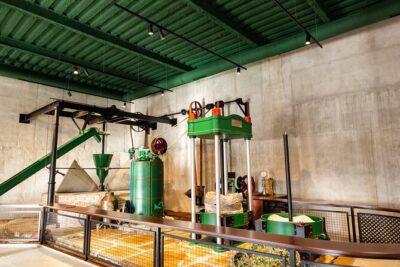
- The 30-minute underground oil mill tour: 1700s craftsmanship you can feel
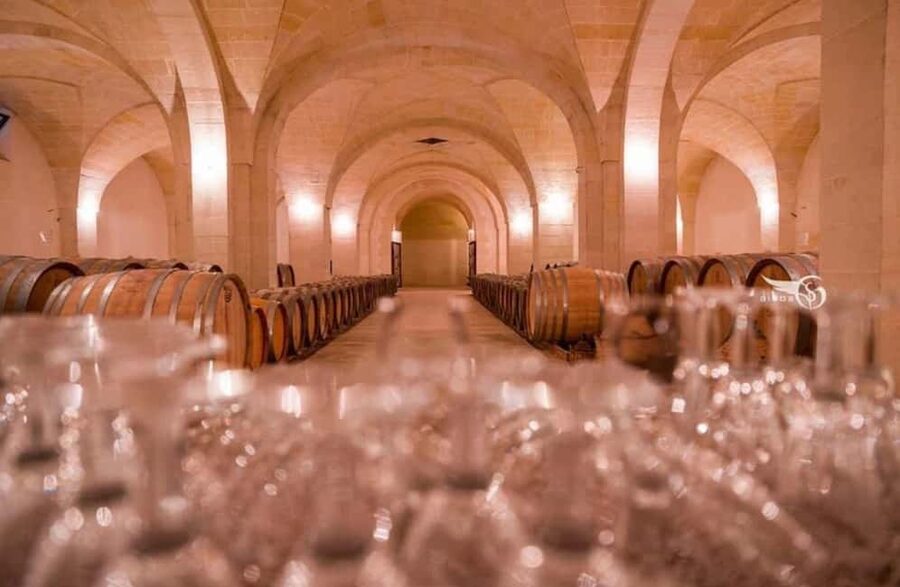
- The traditional underground cellar: where storage becomes part of flavor
- The 1-hour wine tasting: three organic wines with clear differences
- Olive oil tasting plus taralli pairing: the part people remember
- Sustainability and heritage in plain terms: what you’re really paying for
- Price and logistics: $57 for 90 minutes—when it feels like a good deal
- Who this tour suits best (and who should think twice)
- Should you book this organic wine and olive oil tasting near Lecce?
- FAQ
- How long is the Organic Wine and Olive Oil Tasting Experience?
- What’s included in the tour?
- Are the wines and olive oil organic?
- Do I need transportation to reach the masseria?
- What languages is the live guide available in?
- Is the tour suitable for wheelchair users?
Key highlights you’ll notice right away
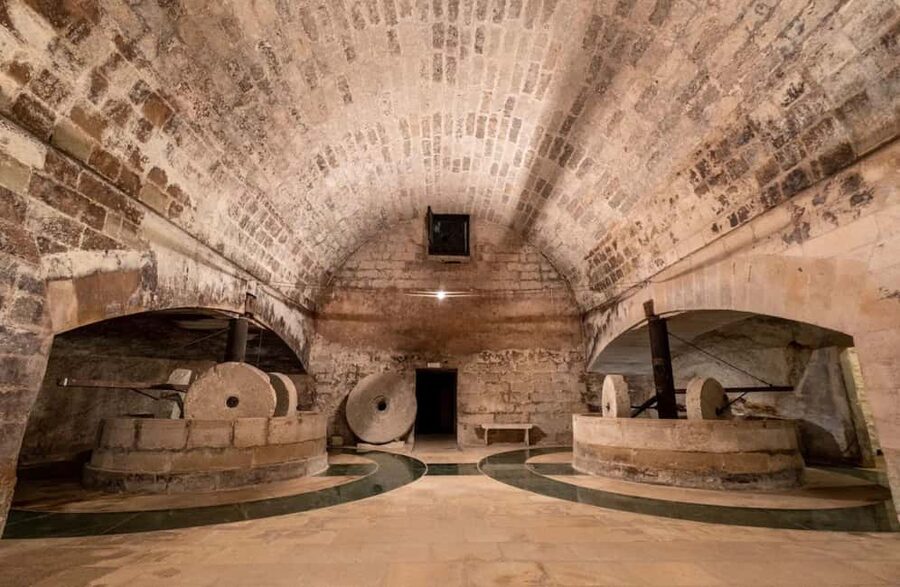
- Underground oil mill tour from the 1700s in historic hypogeum spaces
- Traditional cellar visit where you understand how storage shapes flavor
- Three organic wines poured with a guide’s tasting-style explanations
- Extra virgin olive oil tasting designed to taste, compare, and learn
- Taralli pairing that helps salt and crunch cut through wine and oil
- English or Italian live guide, with at least one guide noted as excellent (Giorgia)
First Stop at L’Astore Masseria: a Puglia country estate with real working history
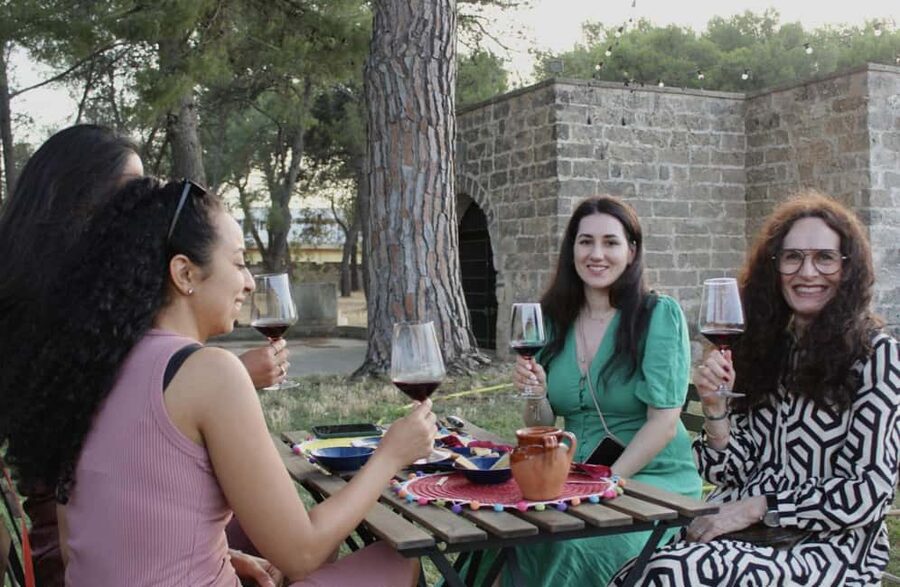
You’ll start at L’Astore Masseria, a traditional Apulian country estate where farming and production are part of the story, not just the backdrop. The setting matters because you’re not hopping between posters and photos—you’re going into the places where oil was made and stored.
This experience works best if you’re the type of traveler who wants the “how” behind what ends up in your glass. The route is built around old infrastructure—underground production spaces and a traditional cellar—so you naturally get a sense of why these methods endured when modern conveniences didn’t exist.
Also, the pacing is friendly. You’re not stuck for hours, and the whole thing stays centered on tasting rather than endless lecturing. That makes it a smart add-on if you’re already based near Lecce and want something local and production-focused.
You can also read our reviews of more tours and experiences in Lecce.

The 30-minute underground oil mill tour: 1700s craftsmanship you can feel
Your first guided stop is the underground and hypogeum oil mill dating back to the 1700s. Even without technical training, this kind of tour clicks because the space teaches you. Underground rooms keep temperatures steadier than the outside air, which helps explain why traditional oil production leaned on these older structures.
What you’re really learning here is continuity: the idea that processes can be refined over time while still using the logic that works. You’ll see the historic oil-milling environment, then connect it to what makes extra virgin olive oil taste the way it does—aroma, intensity, and the way bitterness and peppery notes can show up when the olives and handling are done carefully.
A practical tip: dress for being in older stone spaces. Even when the weather above is warm, underground areas can feel cooler, and you’ll want to stay comfortable for the guide’s explanations.
The traditional underground cellar: where storage becomes part of flavor
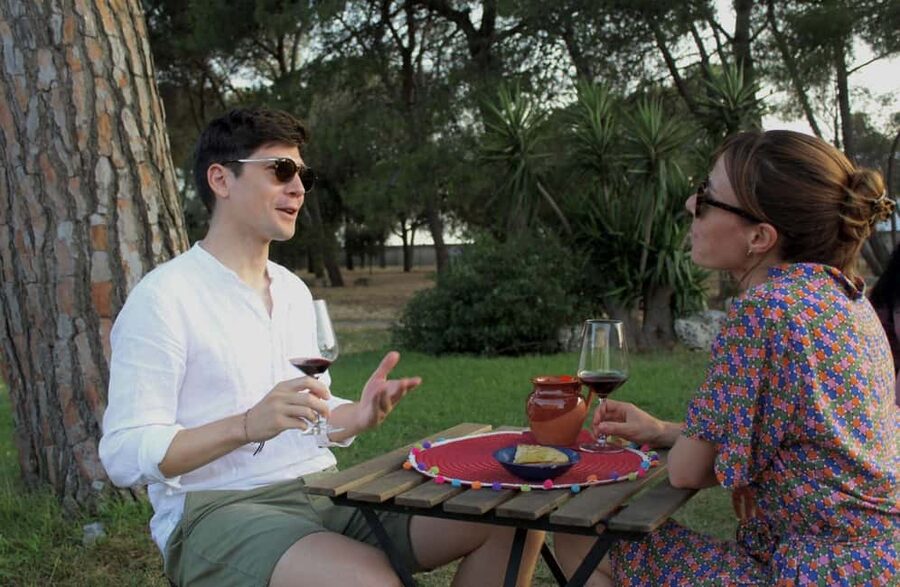
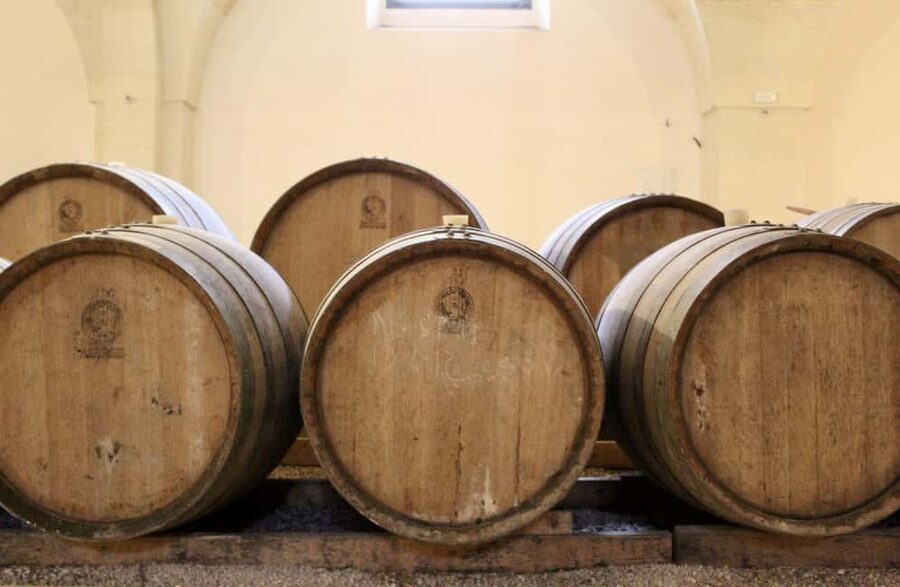
Next comes the traditional underground cellar, another key piece of how this estate preserves quality. Wine isn’t just made—it’s handled after the fact. In a cellar like this, you’re surrounded by the conditions that slow down change and help wine settle into itself.
This stop is valuable because it frames tasting in a more grounded way. When you eventually taste the wines, it’s easier to pick up differences because you’ve already seen the environment shaping them. You also get a clearer sense of why estates invest in their “boring” places—cellars, storage, and workflow—because those are the places where consistency is won.
If you’re the kind of person who likes to connect aromas to process, this is where the tour starts paying you back. It’s not all romantic—there’s a real logic here, and the guide’s job is to make that logic legible.
The 1-hour wine tasting: three organic wines with clear differences
After the production spaces, you shift into wine tasting. You’ll taste three organic wines from the estate, each meant to show a different expression of their Puglia terroir.
I like this approach because it avoids the “here’s five similar pours” problem. With three wines, the guide can slow down enough for you to compare. You’re tasting with an intent: not just drink it, but notice the differences the producer wants you to catch—think fruit, structure, and how acidity or body changes from one wine to the next.
Also, because the wines are organic and produced by the estate, you’re not bouncing between generic, supermarket-style bottles. You’re tasting a single producer’s fingerprint and then learning what the farm and production choices mean for what ends up in the glass.
Olive oil tasting plus taralli pairing: the part people remember
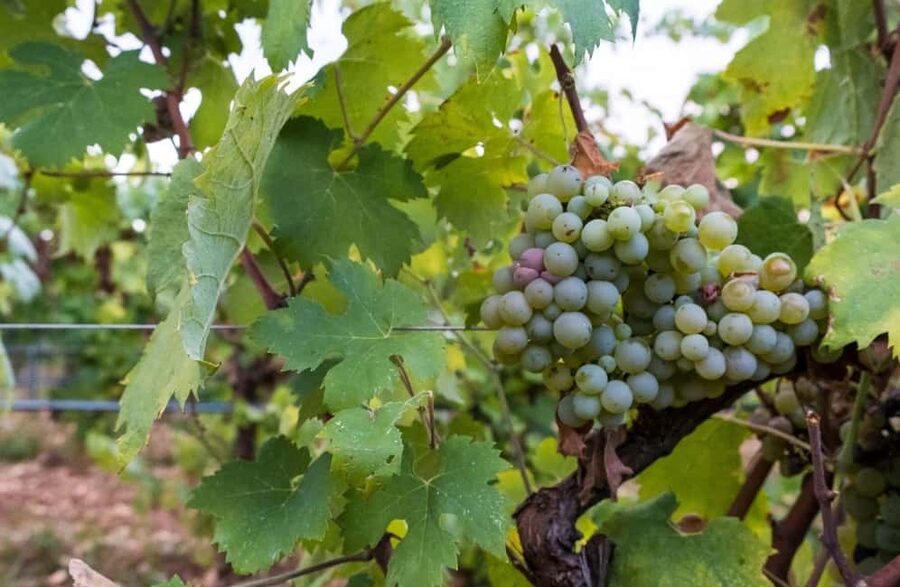
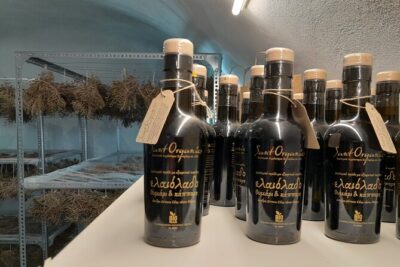
The experience includes tasting their premium extra virgin olive oil, paired with traditional taralli—salty biscuits that work like a built-in flavor reset.
This pairing is smart for two reasons. First, taralli’s salt and crunch cut through the heavier feel some oils can have. Second, it helps you focus on aroma and texture instead of letting the tasting become one long blur of wine flavor.
That said, here’s the balanced note to keep you confident: at least one past guest reported that the olive oil tasting wasn’t offered as expected, and another mentioned the oil selection felt too limited. So if olive oil is your top priority, do this simple thing—when you arrive, ask the guide to confirm exactly what you’ll taste and how much oil you’ll get.
When everything runs as intended, this is the session’s standout because it ties together agriculture, taste, and food pairing in a short window.
Sustainability and heritage in plain terms: what you’re really paying for
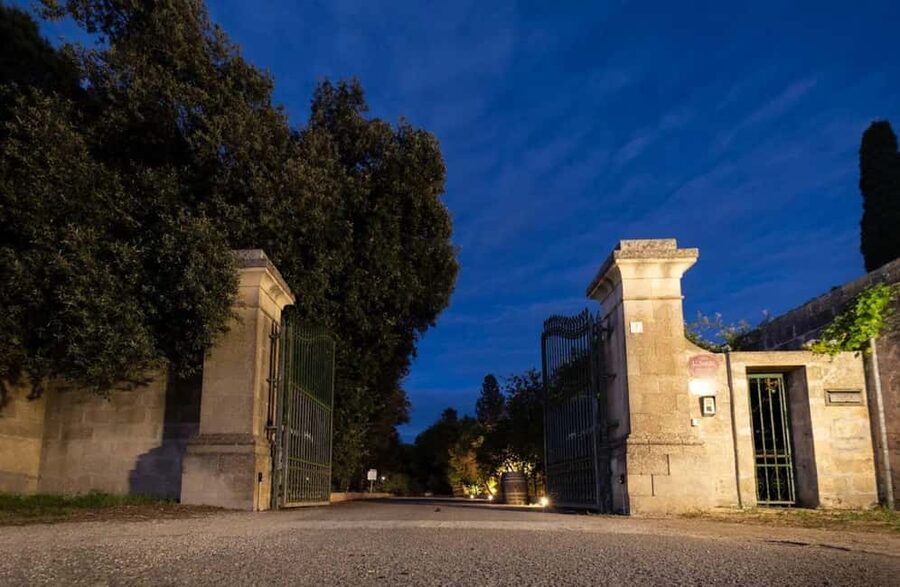
The tour leans into sustainable practices and regional heritage, but it does it in a way you can actually understand while you’re there—through real production spaces and a tasting menu tied to those spaces.
Here’s what that means for you:
- You’re not just hearing “organic.” You’re tasting an estate’s organic approach in wine and olive oil.
- You’re not just looking at a historic site. You’re learning why the underground mill and cellar were worth preserving.
- You’re getting food context with taralli, which makes the tasting less formal and more like a local meal.
If you care about value, this matters. A tasting can be expensive when it’s mostly marketing. This one has structure: guided tours first, tasting second, and food pairing throughout.
Price and logistics: $57 for 90 minutes—when it feels like a good deal
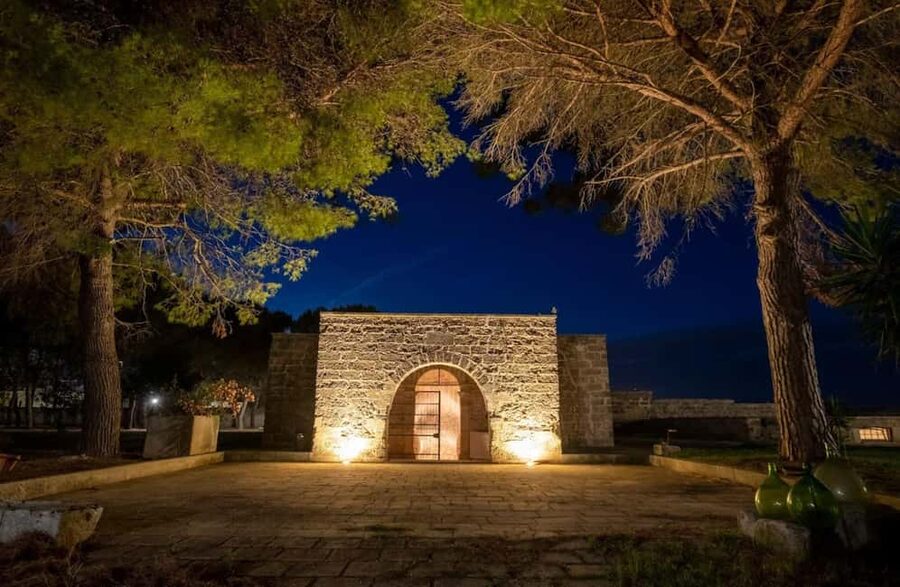
At $57 per person for about 90 minutes, the value depends on one thing: whether you get the full tasting set you expect—three organic wines plus olive oil and taralli—paired with the guided mill and cellar visits.
Why it can be a strong value:
- You’re paying for access to historic underground production spaces, not just a storefront tasting.
- The package includes multiple tastings (wines + oil) plus food pairing.
- It’s time-efficient. You get a lot in 90 minutes, which is ideal if your schedule is tight.
When it might feel overpriced:
- If the olive oil tasting portion is shorter than you hoped or the selection feels limited, that changes the “inputs” of the experience. One guest reported not having an olive oil tasting at all, which obviously flips the value calculation.
Logistics matter too. Transportation isn’t included, so build in time to reach L’Astore Masseria. If you’re planning from Lecce, you’ll want a reliable ride or organized transport so you don’t start stressed, because the tour is scheduled and relatively compact.
Who this tour suits best (and who should think twice)
This experience is a great match if you:
- Want organic wine and extra virgin olive oil from the same estate.
- Enjoy production-focused tours—underground mills and cellars grab you more than tasting rooms with rows of bottles.
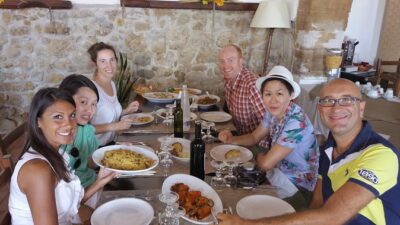
- Prefer a guided, small-group feel (one guest praised a small group of four), rather than a crowded bus-tour vibe.
You might want to think twice if:
- You’re primarily interested in wheel-based accessibility (the tour isn’t suitable for wheelchair users).
- You’re expecting a long, sit-down meal with multiple courses and lots of free time. This is a tight 90-minute format.
- Olive oil is your main goal and you’re sensitive to portion size. Do a quick confirmation when you arrive so you know what’s coming.
Should you book this organic wine and olive oil tasting near Lecce?
I’d book it if you want a concentrated taste of Salento that connects history to what’s in your glass. The underground oil mill and cellar are the big draw, and the combination of three organic wines plus olive oil and taralli is exactly the kind of pairing-driven experience that makes the region stick in your memory.
Before you go, do two simple checks:
- Confirm the olive oil tasting is included in your session as described, especially if olive oil is your main interest.
- Plan your transport to L’Astore Masseria so you arrive relaxed and ready for the guided route.
If those boxes are checked, this is an excellent “one-stop” experience near Lecce for food-and-farming travelers.
FAQ
How long is the Organic Wine and Olive Oil Tasting Experience?
The experience lasts 90 minutes.
What’s included in the tour?
You get guided tours of the underground oil mill and underground cellar, a tasting of three organic wines, a tasting of extra virgin olive oil, and a selection of traditional taralli.
Are the wines and olive oil organic?
Yes. The tasting focuses on organic wines and the estate’s organic extra virgin olive oil.
Do I need transportation to reach the masseria?
Yes. Transportation to the country estate isn’t included, so you’ll need to arrange your own way to L’Astore Masseria.
What languages is the live guide available in?
The guide is available in English and Italian.
Is the tour suitable for wheelchair users?
No. The experience is not suitable for wheelchair users.