REVIEW · LECCE
SENSORY TASTING OF EXTRA VIRGIN OLIVE OIL IN LECCE
Book on GetYourGuide →Operated by INFOLECCE - Tourist Information · Bookable on GetYourGuide
Your nose leads the way in Lecce. In Piazza Duomo, this 30-minute tasting turns extra virgin olive oil into a full sensory lesson, with you observing the oils, smelling them, then tasting 2–3 versions so you can spot real quality differences. I love that the expert ties each flavor to production phases, not just hype. I also love the practical add-ons—local bites and wine make it feel like a mini Apulian stop, not a lecture. One possible drawback: it’s short, so don’t expect a full meal.
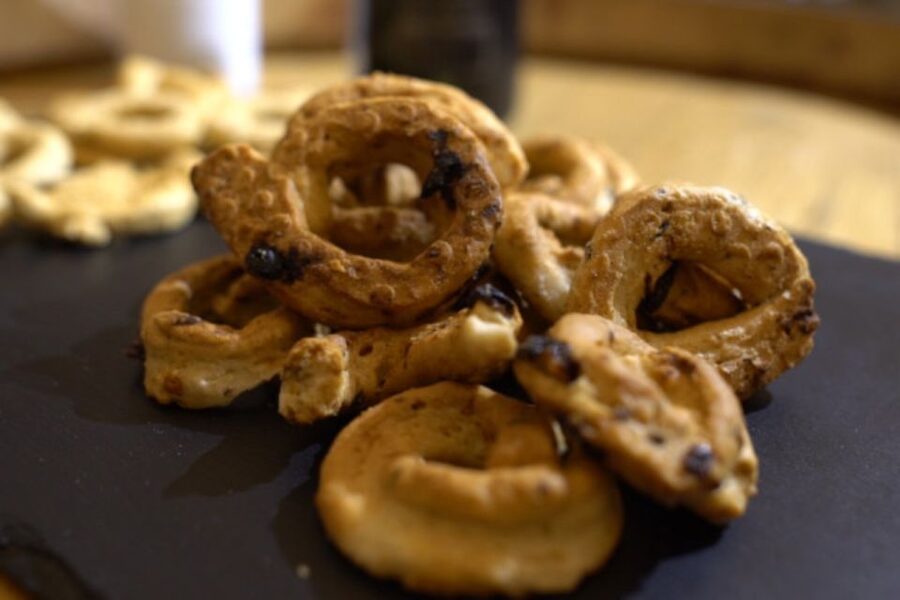
You’ll taste alongside typical Lecce staples like tarallo salentino, plus options such as Leccese rustico, local cheese (caciocavallo or pecorino), and a small dessert. The instructor works in Italian and English, and the whole experience is designed to be wheelchair accessible.
In This Review
- Key Moments Worth Plotting Time For
- Sensory Olive Oil in Lecce: Why This Tasting Feels Smarter Than Most
- Piazza Duomo Start: The Flow of Your 30 Minutes
- The Senses Lesson: Eyes, Nose, Palate (and Why Each Matters)
- Look Closely at the Color—But Don’t Overtrust It
- Smell for Intensity and Character
- Taste for Nuance, Not One Single Flavor
- What You’ll Learn About How Olive Oil Is Made
- Tarallo Salentino and Friends: The Aperitif That Matches the Oil
- Oil Tasting Reality Check: What Differences Are You Actually Looking For?
- Price and Value: Is $23 Worth It?
- Who This Works Best For (and Who Might Want to Skip It)
- Practical Tips Before You Go
- Should You Book This Sensory Olive Oil Tasting in Lecce?
- FAQ
- How long is the olive oil sensory tasting?
- Where does the tasting take place?
- What’s included in the $23 per person price?
- Is wine included?
- How many olive oils will I taste?
- What languages are available for the instructor?
- Is there free cancellation?
Key Moments Worth Plotting Time For
- Piazza Duomo setting: a central, easy-to-reach start that keeps the vibe “walk in, taste, learn.”
- 2–3 olive oils, side-by-side: you get real comparison, not one pour and a guess.
- Sight + smell + taste method: the tasting is built around your senses, step by step.
- Expert production explanations: you hear how the oil’s characteristics connect to what’s in your glass.
- Local aperitif spread: taralli, cheese, and more Apulian flavors to keep your palate awake.
- Wine and dessert included: small, but it rounds out the experience.
Sensory Olive Oil in Lecce: Why This Tasting Feels Smarter Than Most
Olive oil tastings can be either educational—or a bit showy. This one leans practical. You’re not asked to act like an expert. You’re guided to notice what’s actually happening in the glass.
What I like best is the way it reframes common assumptions. The tasting makes a key point: oil quality isn’t determined by its color. Yes, it can look greenish or more golden depending on many factors—but color alone doesn’t tell you if it’s a great extra virgin. Then you taste and smell to build a more useful mental map.
Another thing you’ll appreciate is the pace. The whole experience is about 30 minutes, which means you can fit it into a day of sightseeing without it eating your schedule. In that short window, you get multiple oils, an explanation of how they’re produced, and a local aperitif to keep it fun.
You can also read our reviews of more tours and experiences in Lecce.


Piazza Duomo Start: The Flow of Your 30 Minutes
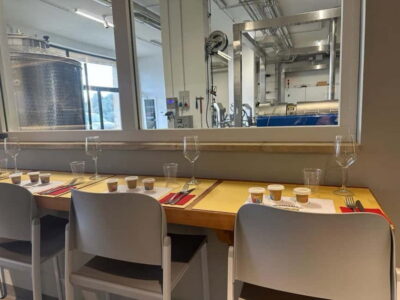
This experience runs daily and typically starts at set times (you choose based on availability). The meeting point is in the area of Piazza Duomo, organized by a shop connected to INFOLECCE – Tourist Information.
Here’s how it generally unfolds once you’re seated/ready:
- The guide introduces what you’ll do: observe, smell, taste.
- You taste 2–3 types of extra virgin olive oil, one by one, so you can compare nuances.
- Between tastings, the expert explains what’s behind the differences—how olives are processed and what to look for in the oil’s main characteristics.
- The aperitif follows, with local foods and drinks.
That order matters. Starting with the oil first helps you reset your palate. If you eat first, flavors can muddy what you notice in the oils. After the oils, the local bites feel like a payoff.
The Senses Lesson: Eyes, Nose, Palate (and Why Each Matters)
This is not a one-sip tasting where someone says “green = good.” Instead, you’re led through three sense-based stages.
Look Closely at the Color—But Don’t Overtrust It
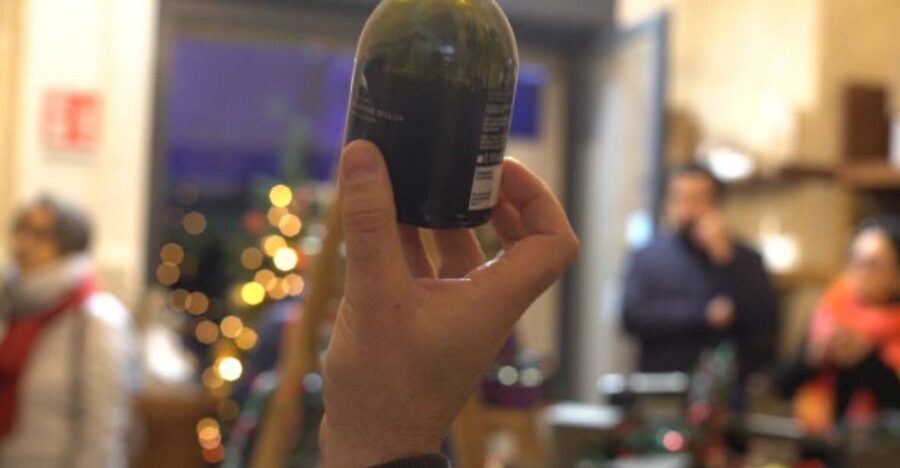
You’ll be asked to observe the oils you’re offered, including different shades among the samples. The point is not “pick the darkest one.” It’s training your brain not to jump to conclusions. Color is a clue at best, not a verdict.
Smell for Intensity and Character
Then comes smell. Extra virgin olive oil often carries aromas that can feel fruity, grassy, or more intense depending on the oil’s traits. You’ll notice not just what you smell, but how strong each sample is.
If you’ve ever bought olive oil and wondered why some bottles seem “alive” and others taste flat, the smell stage is where your answer starts.
Taste for Nuance, Not One Single Flavor
Finally, tasting. You’ll explore how the oils differ on the palate—things like bitterness and peppery notes versus smoother, rounder flavors. The guide explains the “why” behind the sensations, including how the oil’s flavor can relate to olive age (one of the core ideas shared in this experience).
It’s a smart approach: you learn vocabulary through experience. After a few samples, you’re not just tasting; you’re categorizing.
What You’ll Learn About How Olive Oil Is Made
A good tasting doesn’t stop at “this one tastes better.” It connects flavor to process. Here, the expert retraces production phases and links them to the oils you’re tasting.
Even without getting technical, this matters because it changes how you shop later. You’ll start thinking in terms of what makes an oil taste lively versus muted. You’ll also understand why the same product category—extra virgin—can deliver very different experiences.
This is also where the tour earns its keep. At $23 per person, you’re paying for guidance that turns random tasting into a usable lesson.
Tarallo Salentino and Friends: The Aperitif That Matches the Oil
Once the oils are tasted, the aperitif arrives. This isn’t an afterthought. The typical spread is built from local favorites so your taste buds keep working instead of shutting down.
Here’s what you may find during the aperitif:
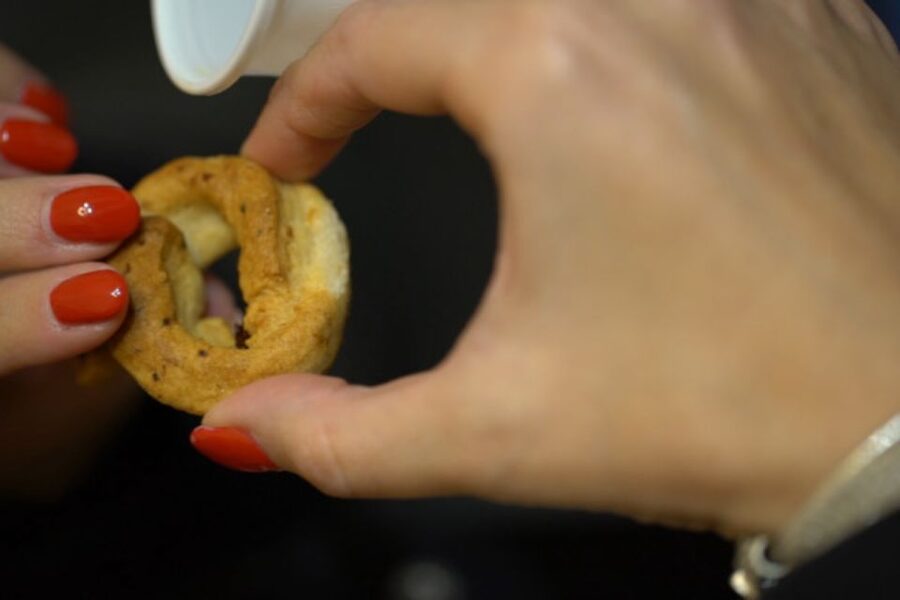
- Tarallo Salentino (savory taralli)
- Pizzo salentino, a small sandwich stuffed with ingredients like tomato, onion, olives, or a variant with turnip greens
- A small Leccese rustico
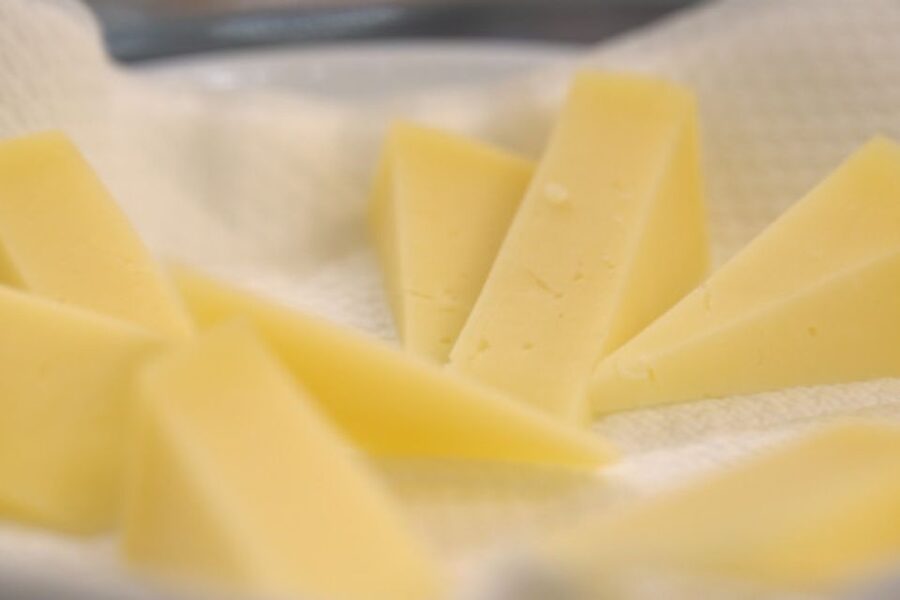
- Cheese such as caciocavallo or pecorino
- Capocollo (and in practice, you may see cured meats like prosciutto alongside the board)
- Wine served in a plastic cup
- Dessert such as mustacciolo or sweet tarallo, or almond paste
A key value here: you get to experience Apulian flavors in a structured way. The oil teaches your palate. The aperitif shows how locals actually pair it with everyday foods.
And yes, the spread is generous for the format. One review highlighted a board with lots of cheese, prosciutto, and snacks plus a small glass of wine. That kind of “real food, not just a crumb” is usually what makes a short tasting feel worth it.
Oil Tasting Reality Check: What Differences Are You Actually Looking For?
If you go in expecting a dramatic wow moment every sip, you might feel slightly underwhelmed. Oil tasting is subtle by nature.
The bigger win is learning how to spot differences you can recognize later:
- One oil may feel more intense in aroma.
- Another may come off more structured on the palate.
- One can lean more bitter/peppery, another rounder.
You’re tasting multiple oils in a short period, so you train your sense of comparison fast. That’s also why the experience is so compact. You’re not meant to become a sommelier in 30 minutes. You’re meant to leave with sharper instincts.
Price and Value: Is $23 Worth It?
For $23 per person, you’re paying for three things:
- Guided tasting of multiple extra virgin oils (2–3 samples)
- An expert-led explanation tying flavor to production characteristics
- A local aperitif that includes cheese, regional savory items like taralli and Leccese rustico, plus wine and dessert
If it were just a single shot of oil and a couple bites, I’d call it overpriced. But this is structured around comparison and explanation, and it includes enough food to feel like a proper stop.
Also, the setting matters. Starting in/near Piazza Duomo means you don’t need extra transport to make it happen. That saves time, and time is the sneaky currency of travel.
Who This Works Best For (and Who Might Want to Skip It)
This tasting is ideal if you:
- Want an easy, high-return cultural stop in a compact time window
- Like food experiences that teach you something you can reuse when shopping
- Enjoy Apulian snacks and cured meats along with wine
- Prefer guided learning over wandering into a shop and hoping someone explains the bottle labels
It might be less ideal if you:
- Are hungry enough that you need a longer sit-down meal
- Want a deeper, multi-course tasting with heavier dining (this is intentionally short)
- Don’t care about sensory training and just want to eat (you’ll still get local food, but the oil lesson is the main event)
Practical Tips Before You Go
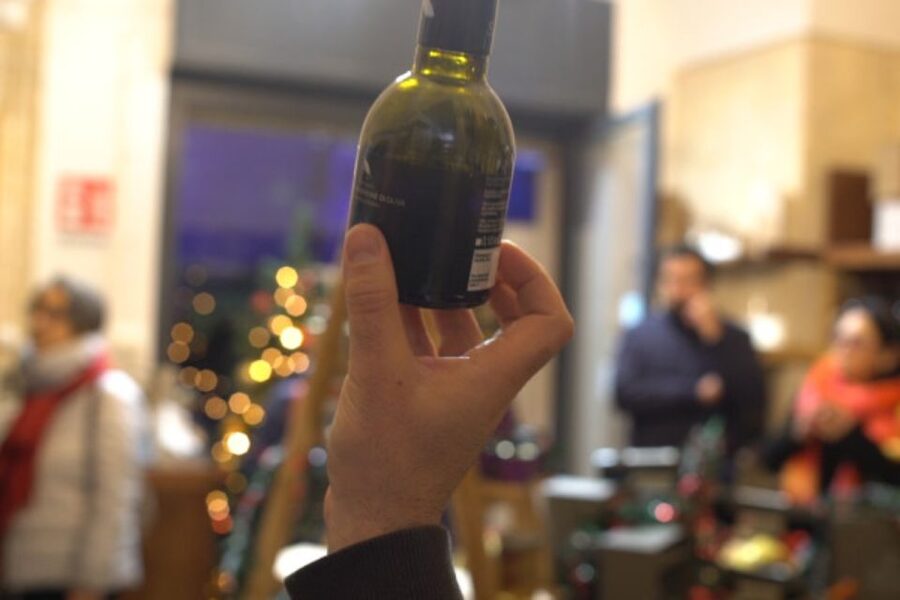
A few small moves will make your tasting experience smoother:
- Arrive ready to pay attention. You’ll get the most if you focus during the eyes-smell-taste sequence.
- Take it slow when smelling and tasting. The guide’s whole method relies on noticing nuance.
- If you’re sensitive to strong flavors, know that extra virgin olive oils can show bitterness or peppery notes. That’s normal. It’s part of what the tasting is teaching.
Should You Book This Sensory Olive Oil Tasting in Lecce?
I’d book it if you want a short, structured introduction to how extra virgin olive oil can vary—and you also want a satisfying Apulian aperitif to go with it. The best part is the combination: comparison of multiple oils plus an expert explanation plus local bites in Piazza Duomo.
Skip it only if you’re looking for a long food tour or a sit-down meal. At 30 minutes, it’s designed as a smart stop, not a whole afternoon.
If your day includes Lecce center anyway, this is a great way to turn time on your feet into something you’ll remember when you’re picking bottles back home.
FAQ
How long is the olive oil sensory tasting?
The tasting experience lasts about 30 minutes.
Where does the tasting take place?
It is organized by a shop in Piazza Duomo in Lecce.
What’s included in the $23 per person price?
Extra virgin olive oil tasting and an aperitif with typical local products, plus wine and beverages.
Is wine included?
Yes. Wine is included as part of the aperitif.
How many olive oils will I taste?
You’ll taste 2 to 3 types of extra virgin olive oil.
What languages are available for the instructor?
The instructor offers Italian and English.
Is there free cancellation?
Yes. You can cancel up to 24 hours in advance for a full refund.