REVIEW · AIX EN PROVENCE
Self tour of the olive oil mill & olive oil tasting
Book on GetYourGuide →Operated by MOULIN BASTIDE DU LAVAL · Bookable on GetYourGuide
Provence tastes better with your nose first. At Moulin Bastide du Laval in the Luberon, you get a simple olive-oil education that starts in the mill and ends at the tasting table. I love how the visit walks you through extraction using real machines, and I also love the structured tasting that moves through different oil styles instead of doing a random sample.
This is built for a tight 1-hour experience, which is great for fitting into a day trip, but it can feel a bit fast if you like to linger in shops or ask lots of questions. You’ll do best if you arrive ready to flow with the schedule during opening hours.
After the tasting, you get to take something home: a jar of olives or a bottle of wine, and you can optionally stretch the visit with a stroll through the olive grove with a view over the Luberon.
In This Review
- Key things to know before you go
- A 5€ olive-oil lesson that feels genuinely Provençal
- Where to meet and how the visit actually flows
- The self-guided mill walk: modern machines, simple explanations
- A small drawback to plan around
- Extraction methods you can actually connect to flavor
- Guided tasting: how they organize flavors by oil style
- How to taste each style without overthinking it
- What about the “other products”?
- The end-of-visit gift: jar of olives or a bottle of wine
- A practical tip for choosing your gift
- Optional olive grove stroll: view time after the learning
- Price and logistics: why this feels like good value in Provence
- Who should book (and who should skip)
- Tips to get more from your visit
- Should you book? My honest take
- FAQ
- Where is the meeting point?
- How long does the experience last?
- Is the olive oil mill tour self-guided?
- Is the tasting guided or self-tasting?
- What olive oil types will I taste?
- What gift do I get at the end?
- What other products are included in the tasting?
- Can I extend the visit after the tasting?
- What languages are available?
Key things to know before you go
- Modern mill tour + easy info sheets so you can explore at your own pace while staying on track
- Guided tasting of multiple olive oil styles including green fruity, ripe fruity, matured, and flavoured
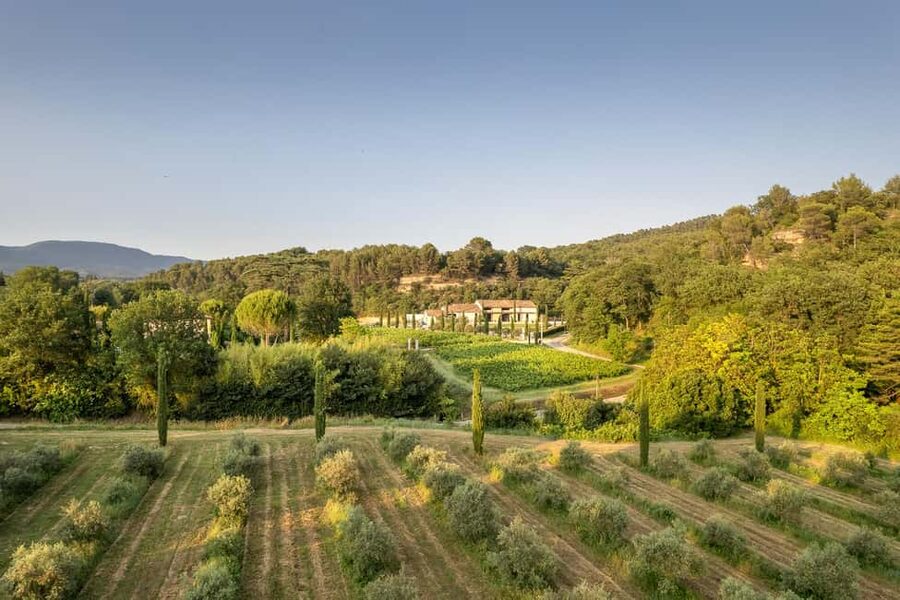
- Small home-style production in the Luberon Regional Nature Reserve, about 30 minutes north of Aix-en-Provence
- A take-home gift at the end: jar of olives or a bottle of rosé, white, or red wine
- Optional olive grove stroll if you want a scenic pause after the samples
- Multi-language support with host staff (English/French) and an included audio guide (English/French/German)
A 5€ olive-oil lesson that feels genuinely Provençal
For 5€ per person, you’re not paying for a fancy production or a long museum. You’re paying for access to a working olive oil mill in the Luberon, plus a guided tasting and a gift at the end. That combo is where the value lives: the tour price effectively turns into both a learning experience and a chance to bring Provence flavors back with you.
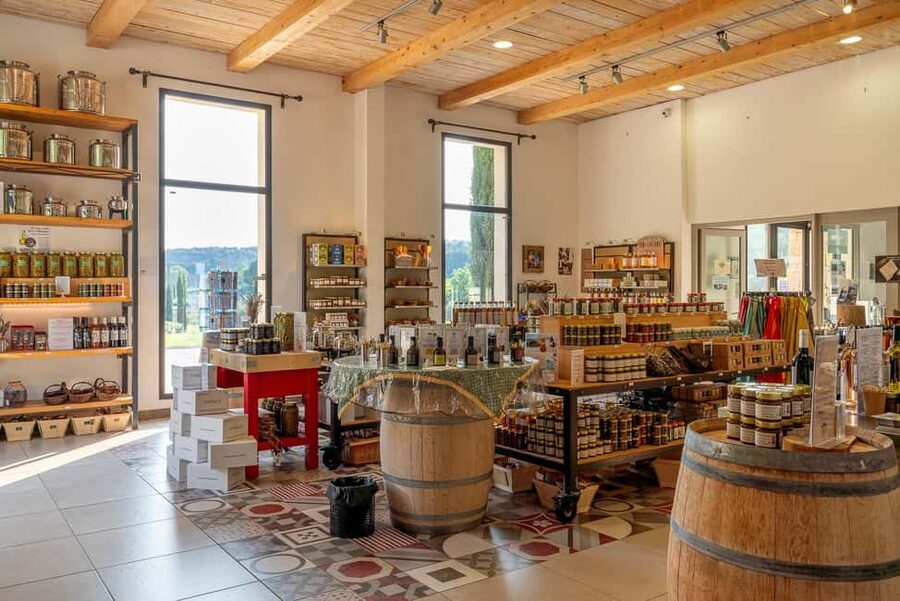
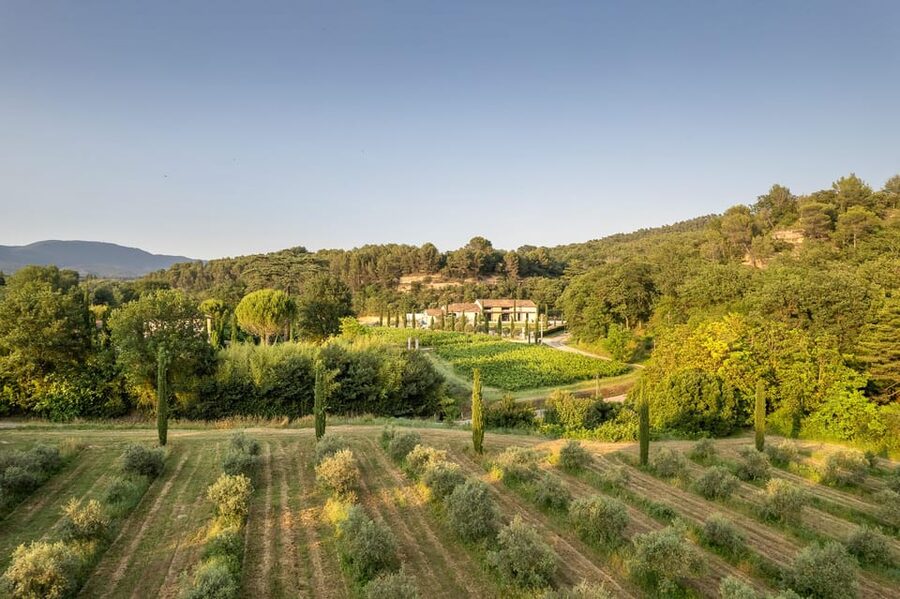
The setting matters too. Bastide du Laval sits in the heart of the Luberon Regional Nature Reserve, so even before you taste anything, the visit has that everyday, agricultural feel. You’re not just looking at olives as a theme. You’re seeing a farm-to-bottle process that’s part of the landscape.
Where to meet and how the visit actually flows
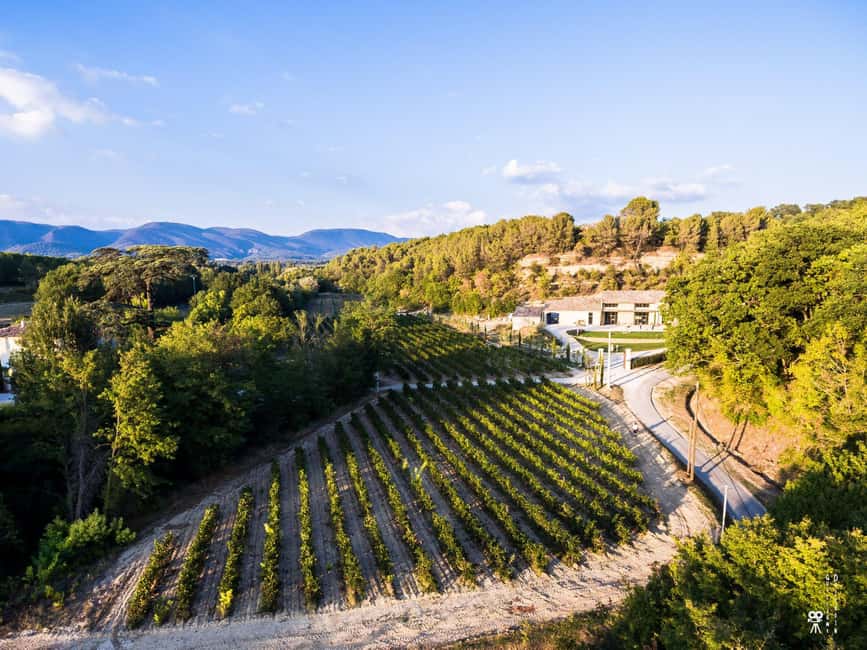
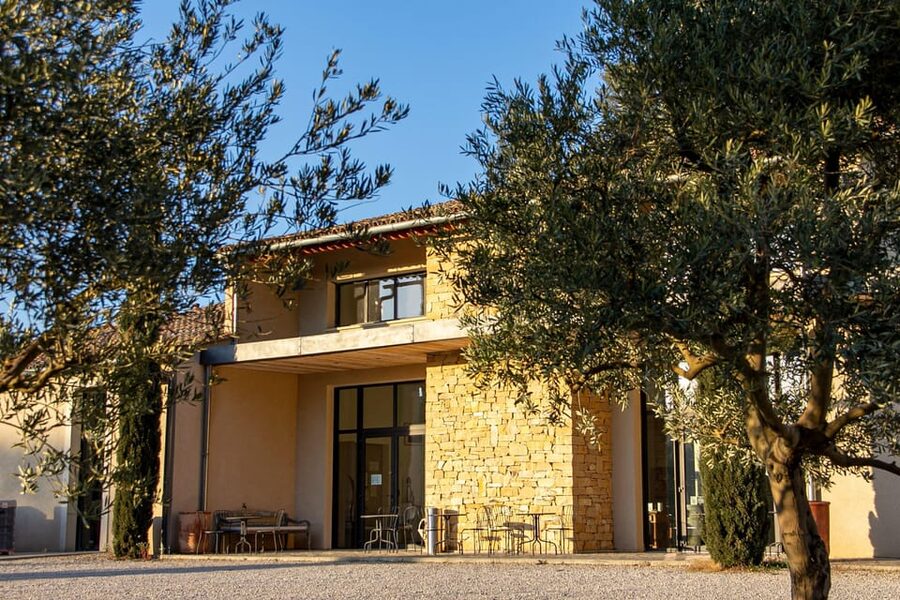
You meet at their store on-site. That’s helpful because the tour doesn’t require finding a “secret” entrance or guessing where the mill part starts. The visit runs on opening hours, and the duration is about 1 hour depending on the starting time.
You’ll do two main phases:
- a self-guided tour of the modern olive oil mill with supporting information sheets on the machines and extraction methods
- a commented tasting where you sample their olive oils plus other products
Because it’s self-guided in the mill section, you can move at your own speed while still getting the right context. Then the tasting brings everything together with explanation, so you’re not left wondering what you’re supposed to notice.
The self-guided mill walk: modern machines, simple explanations
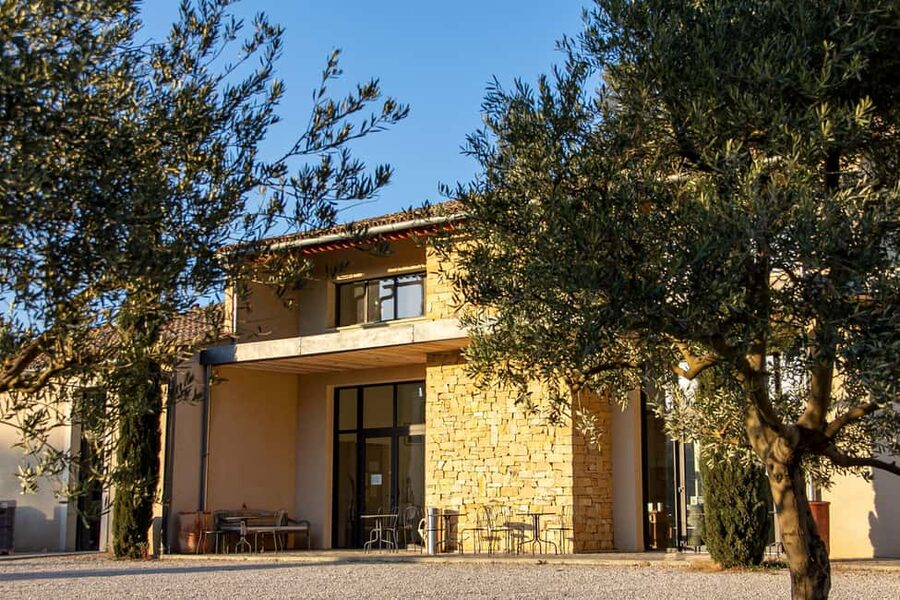
The mill is where your visit becomes more than “just tasting.” Bastide du Laval is a modern olive oil mill, and you’ll enter to see the machines and learn how olives are extracted into oil.
What I like about this part for practical travelers is that the setup is designed to make sense without a deep background. You get information sheets tied to the machines and the extraction methods, so you’re not trying to decode industrial equipment alone. The audio guide included in English, French, and German can also help you keep things moving if you prefer listening over reading.
Also, since this is self-guided, you can choose your pace:
- If you’re curious about how the process works, you can spend extra minutes around a specific machine.
- If you’re mostly there for flavors, you can speed through the technical bits and return to what you need for the tasting.
A small drawback to plan around
Because the whole experience is designed around that 1-hour window, you can’t assume you’ll have unlimited time in every corner of the mill. If you’re the type who loves photographing every step, consider arriving a few minutes early so you don’t feel rushed.
Extraction methods you can actually connect to flavor
The most useful thing about seeing extraction methods is not memorizing steps. It’s learning what affects what ends up in the bottle.
During the mill portion, you’ll learn how olives go from harvested fruit to extracted oil. Even if you don’t retain every detail, you’ll start understanding why oils taste different. That matters once you move into the tasting lineup, because the tasting isn’t just “try these samples.” You’ll be listening for differences in aroma and style, and you’ll have a clearer mental map for what you’re tasting.
A helpful mental shortcut: the mill gives you the production context, while the tasting gives you sensory proof. Put together, it’s one of the easiest ways to build real food knowledge on the go.
Guided tasting: how they organize flavors by oil style
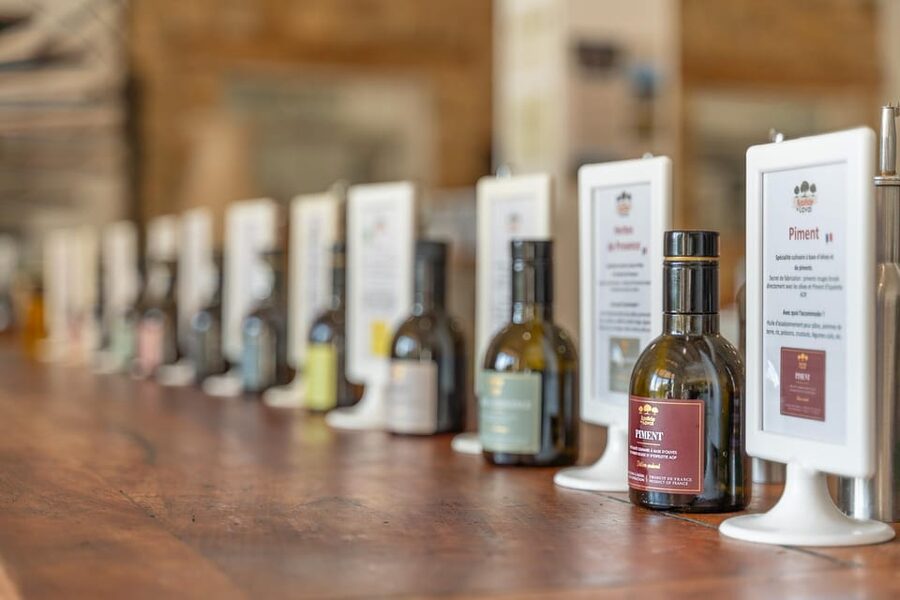
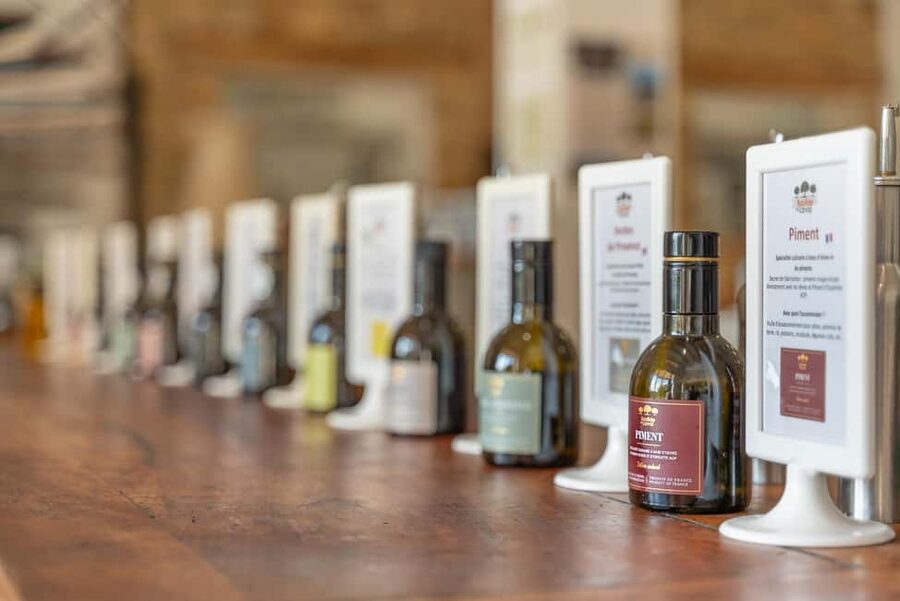
The tasting is commented and focused, which is exactly what you want on a short visit. You’ll sample all their olive oils, including:
- Green fruity
- Ripe fruity
- Matured olive oil
- Flavoured olive oils
This structure is smart because it pushes you to notice the spectrum instead of treating every oil as a separate, unrelated product. You’ll get a guided explanation of what to look for, especially around aromas and the character of each style.
How to taste each style without overthinking it
You don’t need a sommelier nose. Just do three simple things each time:
- Smell first. Oil aroma is the quickest way to tell styles apart.
- Then taste and pay attention to balance (fruitiness vs. other notes).
- Finally, connect it back to the style name you were given.
If green fruity oils are on your table, you’ll likely find a more assertive, fresh fruit impression. Ripe fruity tends to feel rounder and softer in comparison. Matured olive oil generally signals a different stage and a changed profile, and flavoured oils are about adding specific flavors. The tasting format helps you understand those categories as a system.
What about the “other products”?
After the olive oils, you’ll taste other items too, such as spread and wines. That’s a nice extra because it turns the visit into more of a food stop than a lecture. If you’re building a picnic for your day in Provence, you’ll leave with ideas for what pairs well with what.
The end-of-visit gift: jar of olives or a bottle of wine
One reason people walk out happy is the take-home finish. At the end of the tour, you’re offered a choice:
- a jar of olives
- or a bottle of wine (rosé, white, or red)
This is not a tiny token. It changes the whole economics of the visit. Even if you had planned to buy a couple items at a shop anyway, you’re already getting a product included for the tour price. And it’s a good way to try something without committing to a full bottle purchase upfront.
A practical tip for choosing your gift
If you’re traveling with luggage constraints, the jar of olives can be easier. If you’re planning a meal later and you know you’ll enjoy wine, choose the bottle and match it to what you like. The tasting is there to help you decide, not just to inform you.
Optional olive grove stroll: view time after the learning
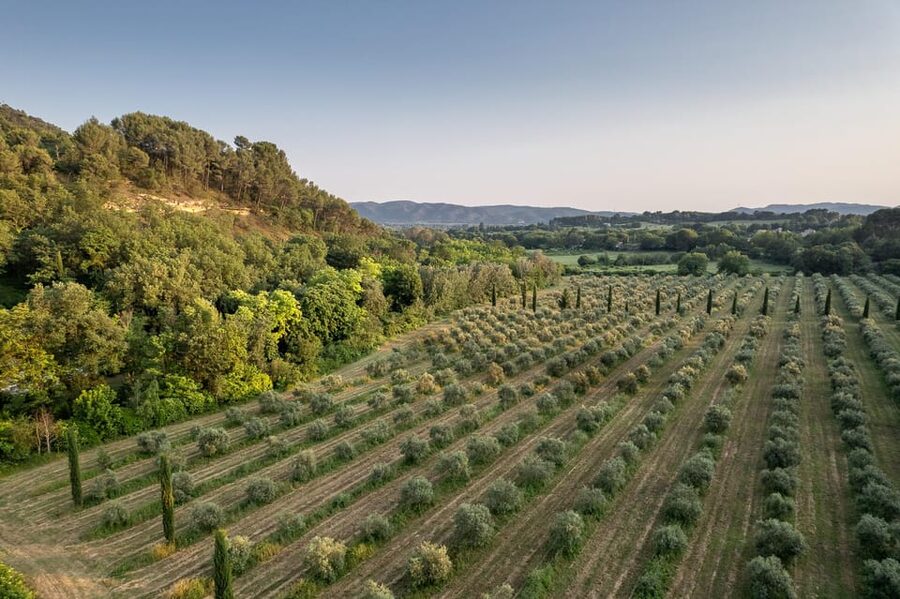
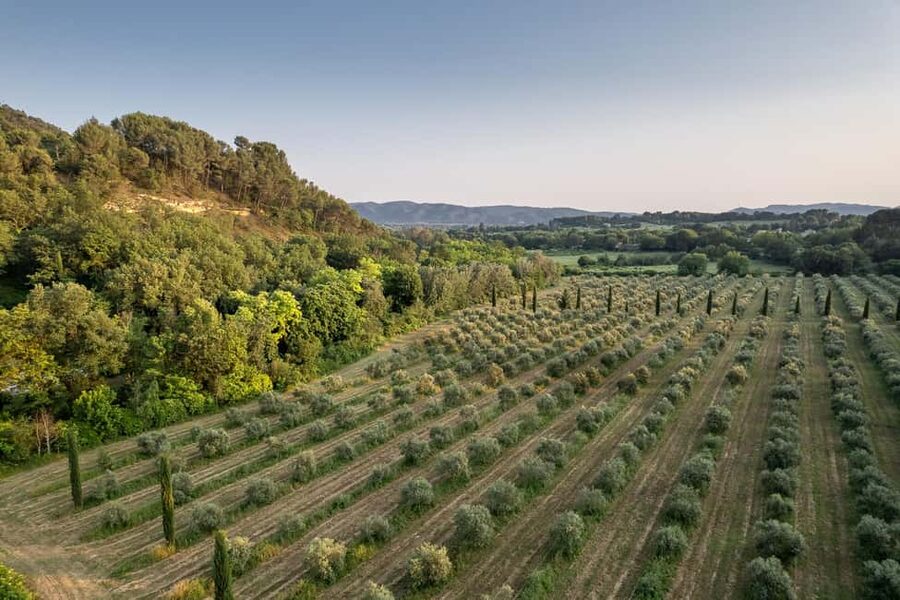
If you want to make this more than an indoor activity, you can extend the visit with a stroll through the olive grove overlooking the Luberon. This is where the tour’s theme becomes scenery.
It’s also a smart pacing choice. After you’ve spent time around machines and tasting cups, a slower outdoor walk helps the experience feel complete. You’ll get a sense of how the cultivation connects to the oil, which is exactly what food tours should do at least once during the trip.
If you do the stroll, keep your expectations simple. This is a short, scenic extension, not a long hike. Wear comfortable shoes, especially if the ground is uneven near grove paths.
Price and logistics: why this feels like good value in Provence
Let’s talk value in real terms. The price is 5€, and you get:
- a self-guided mill visit with explanatory materials
- a guided tasting of multiple olive oils
- tasting of other products like spread and wines
- a jar of olives or bottle of wine to take home
- audio guide support (English/French/German) and staff in English/French
For a short, 1-hour stop, that’s strong. Many food experiences in Provence cost much more for far less structured learning and no included take-home product. Here, the price feels like it’s designed to make the mill experience accessible, not exclusive.
The main logistics consideration is timing. Since it’s only about an hour, you’ll want to treat it like a scheduled tasting stop, not a wandering shop afternoon. If you’re visiting during a busier time, you might feel a bit of pressure to keep pace. One sour note in the past was that a group needed to be out quickly when larger arrivals were coming through, so plan to arrive early in your window when you can.
Who should book (and who should skip)
This is a great fit if you want:
- a short, hands-on olive oil experience in the Luberon
- structured tasting rather than a random sample table
- a take-home gift that makes the cost feel justified
- something you can do with family, especially if you want an activity that’s educational but still fun
It may be less ideal if:
- you want a very long, slow tour where you can linger in every area
- you’re the type who expects a highly flexible schedule with endless time for questions
Language-wise, you’re covered. The host staff can help in English and French, and the audio guide covers English, French, and German, so you won’t be stuck.
Tips to get more from your visit
A few small choices make the tasting far more rewarding:
- Focus on aroma first. That’s where differences show up fastest.
- Taste in order when they guide you. If you switch randomly, it’s harder to learn the categories.
- Ask what each style is meant for during the tasting. Even if the explanation is brief, it helps you use the oils later in real meals.
- After the tasting, if you’re shopping, buy based on what you liked in the tasting. Don’t rely on the names alone.
Also, if you’re driving or planning a day trip north of Aix-en-Provence, build in a little buffer. The grove stroll is a nice add-on, but only if you have enough daylight and time.
Should you book? My honest take
Yes, you should book this if you’re even remotely curious about how olive oil varies by style. For 5€ you get exactly what you need: a modern mill look, a guided tasting across multiple oil categories, and a real take-home product (jar of olives or wine). It’s efficient, family-friendly, and set up so you can learn without needing technical knowledge.
If you hate time limits or you want a slow, deep museum-style visit, you might find the pace a little tight. In that case, come with a calm mindset, arrive early, and treat it like a focused food experience rather than a long browse.
FAQ
Where is the meeting point?
You visit the site directly in their store, which is where you’ll start.
How long does the experience last?
The duration is about 1 hour. Starting times vary, so check availability.
Is the olive oil mill tour self-guided?
Yes. You’ll do a self-guided tour of the olive oil mill with information sheets on the machines and extraction methods.
Is the tasting guided or self-tasting?
The tasting is guided and commented. You’ll taste the different olive oils, and you’ll also taste other products such as spread and wines.
What olive oil types will I taste?
You’ll taste green fruity, ripe fruity, matured olive oil, and flavoured olive oils.
What gift do I get at the end?
You’ll be offered either a jar of olives or a bottle of wine. Wine options include rosé, white, or red.
What other products are included in the tasting?
Besides olive oils, the tasting includes other products such as spread and wines.
Can I extend the visit after the tasting?
Yes. You can extend your visit with a stroll through the olive grove overlooking the Luberon.
What languages are available?
Staff can help in English and French. An audio guide is included in English, French, and German.