REVIEW · MONTECATINI TERME
Guided tours of the olive grove with oil tasting.
Book on Viator →Operated by Podere Cavozzoli · Bookable on Viator
Olive oil tastes better when you see the work.
This guided stop at Oleoturismo in Montecatini Alto mixes a farm walk with a proper explanation of how extra virgin olive oil is made using sustainable organic farming. I especially like the way the visit connects the land to the bottle—fields and equipment first, then the cellar side of the story, and finally a tasting that teaches you what to look for as a buyer.
One thing to consider: getting to the meeting spot in the Alto area can be a little fiddly if you’re using local transport and taxis, and the experience also depends on good weather. If you like perfect, simple schedules, give yourself extra buffer time.
In This Review
- Key things you’ll notice right away
- Montecatini Alto: Why this olive grove tour feels different
- Inside Oleoturismo: fields, equipment, cellar
- The oil tasting: how to get more than just a sip
- Sustainable organic farming: what you’re really learning
- Guides and hosts: what makes the group feel easy
- Price and value for a $48 olive oil afternoon
- Meeting point and timing: get to Podere Cavozzoli on Montecatini Alto
- Who this tour fits best (and who should skip it)
- Should you book Podere Cavozzoli’s olive grove and tasting?
- FAQ
- How long is the olive grove tour with oil tasting?
- What does the tour cost?
- Where do we meet for the tour?
- Is the tour offered in English?
- Do I receive a mobile ticket?
- What happens if the tour is canceled due to poor weather?
Key things you’ll notice right away
- Small group size (max 30) keeps the olive oil talk from feeling rushed
- Farm walk + olive oil tasting in one 2-hour block makes the learning stick
- Sustainable organic approach is part of the explanation, not just a marketing line
- English-guided experience works well for most visitors
- A hands-on, consumer-aware tasting helps you shop smarter after
- Olive grove views from Montecatini Alto add a scenic payoff to the visit
Montecatini Alto: Why this olive grove tour feels different
Montecatini Terme is a friendly base town, but the action for this experience is up in Montecatini Alto—the kind of setting where you can actually picture what it takes to grow olives on hillsides. You’re not just tasting oil in a room. You’re shown the farming process first, which changes how you read the flavors later.
For me, the best part is the pairing: the tour doesn’t treat tasting like a side activity. You get guided context about the day-to-day dedication behind the oil. That matters because olive oil quality isn’t one simple thing. It’s harvest timing, farming choices, and attention to the work from start to finish—exactly what this visit aims to explain.
I also like that it’s built for real learning. The tasting is described as in-depth, and you’ll be trained to be a more aware consumer of oil. Translation: you’ll leave with a better sense of how to notice what you’re tasting instead of just going with whichever one seems nicest.
You can also read our reviews of more tours and experiences in Montecatini Terme.
Inside Oleoturismo: fields, equipment, cellar
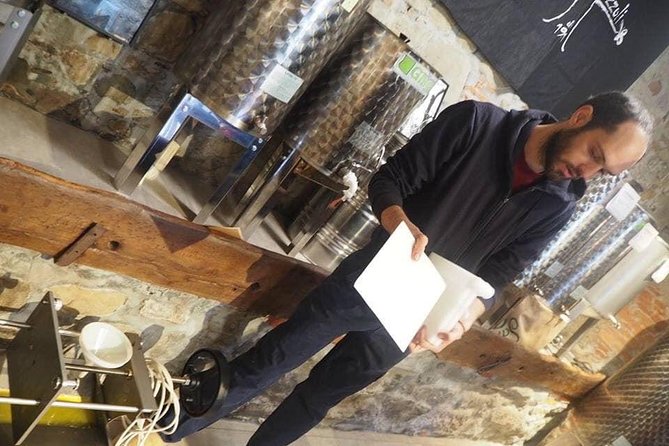
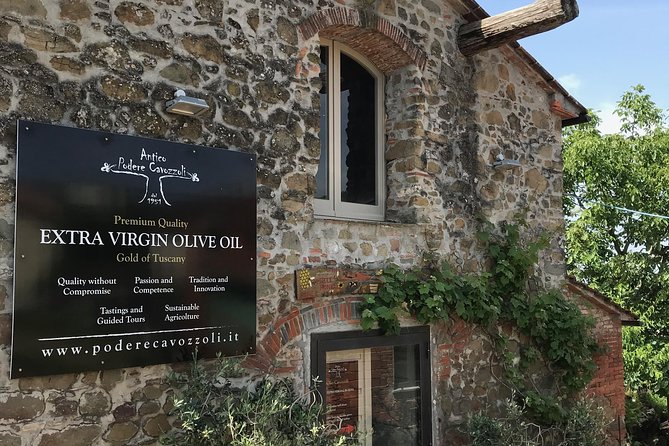
The heart of the experience is a guided visit to the company at the olive farm site in Montecatini Alto (Podere Cavozzoli). Expect a structured walk through the operation—starting outside and moving toward the production side.
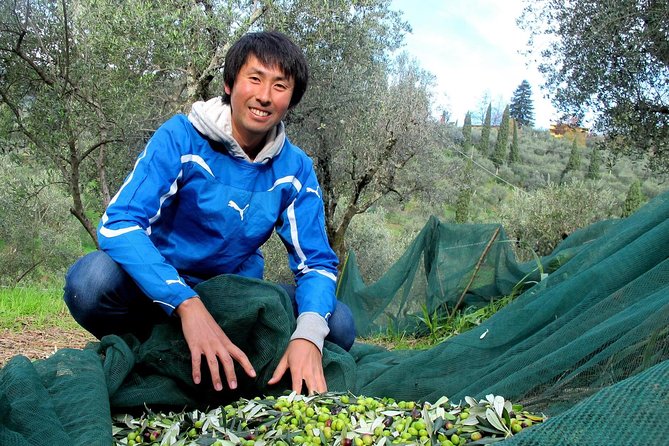
You begin with the fields, where you’ll see the farming context. Then the guide shifts to the equipment used in the olive-growing workflow. Finally, you’ll visit the wine cellar area. That cellar stop is a nice touch because it broadens the story beyond olives only. It helps you understand how the property handles production and storage—details that make the oil feel less like a product and more like a real craft.
What this means for you: you’ll get a sense for why olive oil is so tied to place. The “why” behind sustainable organic farming becomes practical, not abstract. And if you’ve ever wondered what sustainable actually looks like on the ground, this style of tour is built for that.
Possible drawback: since this is an outdoor-to-indoor farm visit, you’ll want to dress for walking and variable temperatures. It’s not described as a long hike, but it is a working farm environment with stops along the way.
The oil tasting: how to get more than just a sip
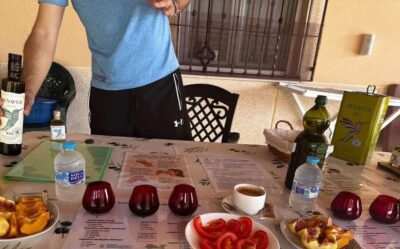
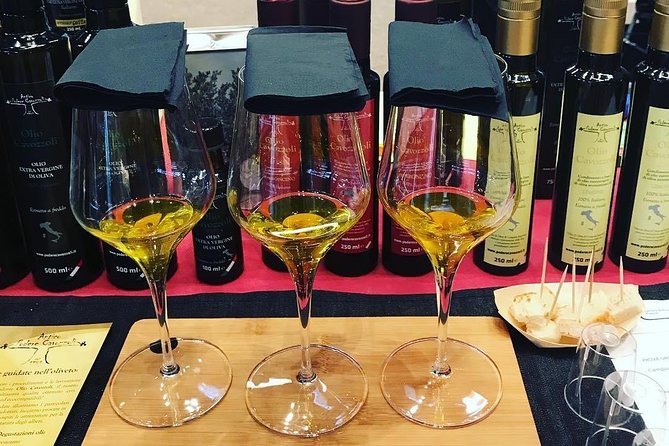
The tasting is a major reason people book this tour, and it’s the part that turns the farm visit into something memorable. You’ll follow the walkthrough with an in-depth tasting of the produced oils.
One practical note from the experience: on at least some departures, people report tasting three olive oils, and each one had its own distinct flavor. Even if the exact number varies by what’s available, you can expect a structured tasting experience rather than a quick sample.
Here’s how I’d play it to get the most out of it:
- Taste slowly. Don’t rush to “finish.”
- Pay attention to aroma first, then flavor, then how it feels (some oils come with more bite than you’d expect).
- Compare like a scientist, not like a gambler. If you have a favorite, ask yourself what made it different: fruitiness, bitterness, or that peppery finish.
Why this works: the tour explicitly aims to make you more aware as a consumer. When you connect your senses to what the guide explains about farming choices, you start recognizing quality cues instead of just guessing.
And yes, you may leave with the strong urge to buy a bottle on the spot. That’s common when the tasting has real depth.
Sustainable organic farming: what you’re really learning
This is an olive grove tour with a clear focus: the work and dedication needed to produce high-quality extra virgin olive oil using truly sustainable organic farming methods. That phrase matters, because the point isn’t only that the farm claims to be organic—it’s that you’ll see the effort behind it.
The guide’s job is to translate that effort into something you can understand as a buyer. You learn the logic of sustainable choices and how they fit into making an excellent oil. It’s the sort of explanation that changes how you interpret labels back home.
I also like that this isn’t framed as guilt or lecturing. The tone, based on the way the guides are described, seems more like friendly education. People talk about guides being funny and warm, which helps. When a topic is new to you, humor and calm delivery lower the stress and make you actually pay attention.
If you’re the type who reads about food, this tour gives you the grounded version: not just what’s in the bottle, but what had to happen out in the grove to earn it.
Guides and hosts: what makes the group feel easy
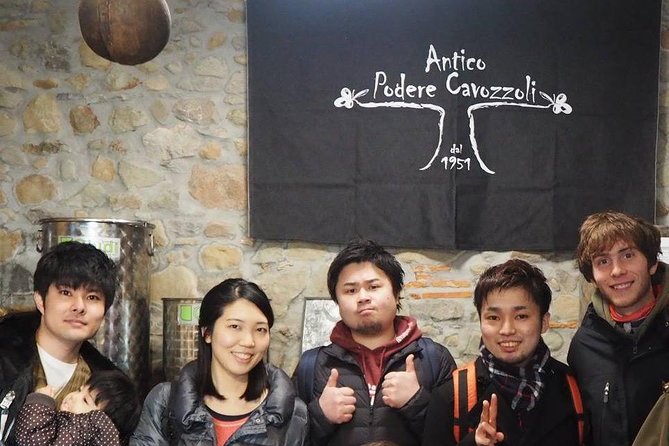
The tour experience is guided, and the names that show up again and again include Niccolò, Gianluca, Francesco, and Lorraine. People describe them as charming, informative, and able to handle questions without making the group feel awkward.
That’s a big deal for a food tour, because olive oil can be intimidating. Lots of people don’t know the vocabulary. A good guide helps you taste without making you feel like you must already be an expert.
What you can expect socially: it’s a maximum of 30 travelers, so the group stays small enough for interaction. With a farm setting, smaller groups also mean you don’t spend most of the time waiting while everyone else catches up.
Price and value for a $48 olive oil afternoon
At $48.27 per person for about 2 hours, this sits in the “serious food experience” category, not the casual tasting-and-walk version. The value comes from three things you get together:
- A guided farm visit (fields and production areas)
- An in-depth olive oil tasting
- A chance to buy the oil directly from the producer, if you want
You also get a mobile ticket, which is practical. And there’s mention of group discounts, which can help if you’re going as part of a small travel party.
Booking lead time is listed as averaging 18 days in advance, which is a hint that this is popular enough to plan for. With a group cap of 30, waiting until the last minute could mean you miss the slots that match your schedule.
Is it worth it if you don’t cook much? In my view, yes—especially because the tasting trains your palate and makes you a smarter shopper. If you do cook, it’s even better: you’ll understand which oils you like and why, so you can choose with confidence instead of tossing money at whatever looks fancy.
Meeting point and timing: get to Podere Cavozzoli on Montecatini Alto
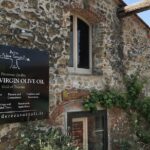
The start point is clearly listed: Podere Cavozzoli, Via Porta di Borgo, 53, 51016 Montecatini Alto PT, Italy. The activity ends back at the meeting point.
Here’s the key practical point: Montecatini Alto is a distinct location from the base area, and it can mean extra travel time. If you rely on taxis, funicular connections, or local transit planning, give yourself padding. One lesson from the confusion that can happen with meeting times is simple: confirm the exact pickup time and location details after booking, and don’t assume you can casually swing by late.
Weather matters too. This experience requires good weather, and if it’s canceled for poor weather, you’ll be offered a different date or a full refund. That’s good to know if you’re visiting in a season where sudden rain is possible.
What to do before you go:
- Check the exact meeting address and plan your route to be there early.
- Bring a light layer if the temperature changes once you’re up in the Alto area.
- Wear shoes you’re comfortable walking in.
Who this tour fits best (and who should skip it)
This is best for you if you:
- Love food experiences that teach you something real
- Want to taste olive oil with context, not just samples
- Care about how products connect to farming choices
- Like small-group tours with a personal feel
It’s also listed as allowing service animals, and it says most travelers can participate. That suggests it’s not limited to extreme hikers, though it’s still a farm visit, so expect some walking and standing.
You might want to reconsider if you:
- Hate outdoor time when conditions are cool or windy
- Need a perfectly flexible schedule, since the experience timing matters
Should you book Podere Cavozzoli’s olive grove and tasting?
My take: if you’re in the Montecatini area and you care about olive oil beyond the basics, book it. The format is strong—fields and production first, tasting second—so you end up with a clearer understanding of what makes a great extra virgin olive oil. The price is reasonable for a two-hour guided farm visit, and the small group size keeps the experience from feeling like a factory tour.
Book especially if you want something authentic: you’re not just tasting, you’re learning the work behind the bottle. And if you’re worried about tasting—don’t be. The guides are described as making the experience approachable, and the tasting is designed to train your senses.
If you prefer an ultra-easy, low-planning activity, then plan your transport to Montecatini Alto carefully and arrive early. Do that, and you’ll get a memorable afternoon that’s both practical and genuinely enjoyable.
FAQ
How long is the olive grove tour with oil tasting?
The experience runs for about 2 hours.
What does the tour cost?
It’s listed at $48.27 per person.
Where do we meet for the tour?
You meet at Podere Cavozzoli, Via Porta di Borgo, 53, 51016 Montecatini Alto PT, Italy, and the tour returns to this same meeting point.
Is the tour offered in English?
Yes, it’s offered in English.
Do I receive a mobile ticket?
Yes, the experience includes a mobile ticket.
What happens if the tour is canceled due to poor weather?
If poor weather cancels the experience, you’ll be offered a different date or a full refund.