REVIEW · HERAKLION
Wine Raki Olive Oil Tasting and Pottery – Private Tour
Book on Viator →Operated by Tours in Heraklion · Bookable on Viator
Crete tastes better when it comes with stories. This private 5-hour food-and-craft day pairs Gouves olive oil tastings with a winery lineup of five Cretan wines (plus raki), guided by friendly pros like Spyros or Mike. It’s the kind of outing where you learn what you’re drinking, then see the hands behind it.
I also like that the tour keeps moving at a comfortable pace: you get a clear plan, but there’s room for chat and little extras when your guide is in the mood to make the day personal (herbs from the roadside, or even a birthday candle surprise if you asked ahead). One thing to consider: the pottery stop can be affected by season and openings, and the whole experience depends on good weather.
In This Review
- Key things that make this tour worth your time
- A five-hour Heraklion loop that’s easy to get excited about
- Gouves olive oil: from production steps to a proper tasting
- Thrapsano pottery village: watching artisans work a kiln rhythm
- Alagni and Lyrarakis Winery: Vilana, Kotsifali, and a cheese-and-wine plan
- Katalagari village walk: traditional homes, then an optional taverna lunch
- The pairing logic: why raki, olive oil, wine, and cheese work together
- Price and value: what $144.35 per group really buys
- Who should book this private Crete tour
- Should you book it?
- FAQ
- Where does pickup and drop-off happen?
- Is this tour private?
- How long is the tour?
- What’s included in the price?
- Is lunch included?
- Do you allow children?
- Do you offer the tour in English?
- What if weather is bad?
Key things that make this tour worth your time
- Mercedes van pickup in the Heraklion region: saves you from renting a car or stitching together buses.
- Gouves olive oil education + tasting: you go from grove knowledge to a practical pour.
- Thrapsano pottery with live artisans and kiln firing: you see how it’s made, not just the finished pieces.
- Lyrarakis Winery in Alagni with wine + cheese: you taste five wines and learn what makes them Cretan.
- Raki and olive oil pairing: it’s not just wine sampling—Crete’s flavors show up in layers.
- Private group size up to 12: you’re not squeezed into a big bus crowd.
A five-hour Heraklion loop that’s easy to get excited about
This is built for people who want a full Crete flavor day without driving. You’re picked up from your hotel/port/airport within the Heraklion region and moved around in a Mercedes van with a local English-speaking driver/guide. The whole plan runs about 5 hours, so it fits well when you still want time to wander Heraklion itself later.
What I like most is the mix. You’re not doing “just wine,” and you’re not doing “just shopping.” You’re sampling what Crete produces—olive oil first, then raki and wine, plus a pottery stop where you can watch traditional craft work. That’s a strong day-trip combo because it connects taste to technique.
The pace is also sensible. Each main stop gets its own chunk of time (about an hour for olive oil and pottery, a couple hours for the winery, and about an hour for the village walk). You’re not rushing through everything in 10-minute sprints.
One practical note: if you’re hoping for a totally hands-on pottery experience, keep expectations flexible. The pottery village is there for you to watch the craft and chat with artisans, but seasonal closures can happen.
You can also read our reviews of more tours and experiences in Heraklion.

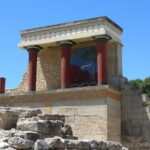
Gouves olive oil: from production steps to a proper tasting
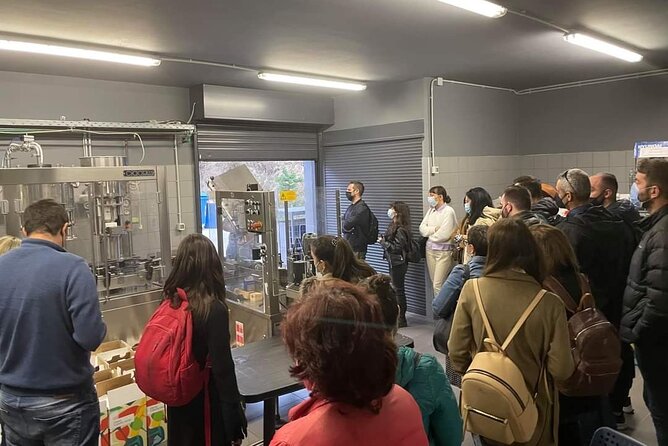
You start in Gouves at an olive oil factory, and the value here is that you’re shown the process, not only the final product. You’ll learn how olive oil goes from olives to the extra virgin oil you’ll taste. Even if you think you already know olive oil basics, it helps to see the steps in plain language—especially when you’re going to pair it later.
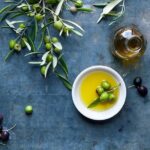
Then comes the best part: tasting the extra virgin olive oil. This is where your senses catch up to what you were told. You’ll usually be able to notice differences in aroma and flavor between oils (and between pours), and that makes the rest of the day easier to follow. When later you taste cheese and wines, you’ll understand why olive oil is such a central everyday food in Crete.
Practical tip: expect to stand and move around during the factory visit. Wear comfortable shoes, and if you’re sensitive to strong smells, give yourself a second before leaning in too close during tasting time.
Thrapsano pottery village: watching artisans work a kiln rhythm
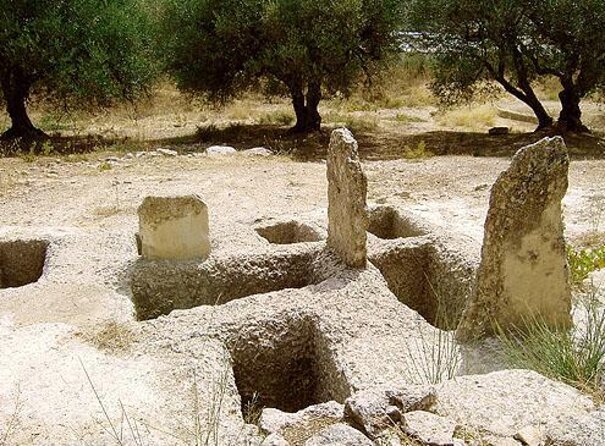
Next is Thrapsano, known for ceramics and the skills used for thousands of years. The focus here is craft process. You’re taken into the heart of the village to see how ceramics get made, including key techniques and how products are fired in a kiln.
What makes this stop memorable is the human scale. Instead of a museum-style viewing, it’s a working village moment where you can chat with artisans. That’s also when you’ll pick up practical questions to ask, like how firing affects the final look, or why certain materials behave differently in the kiln. If you like handmade work, you’ll probably end up watching longer than you expected.
A small consideration: in low season, some workshops and firing schedules may be limited or closed. The pottery stop is free with your tour timing, but hours can shift. If you’re traveling in winter or shoulder season, that’s the one day-trip factor you can’t fully control.
Alagni and Lyrarakis Winery: Vilana, Kotsifali, and a cheese-and-wine plan
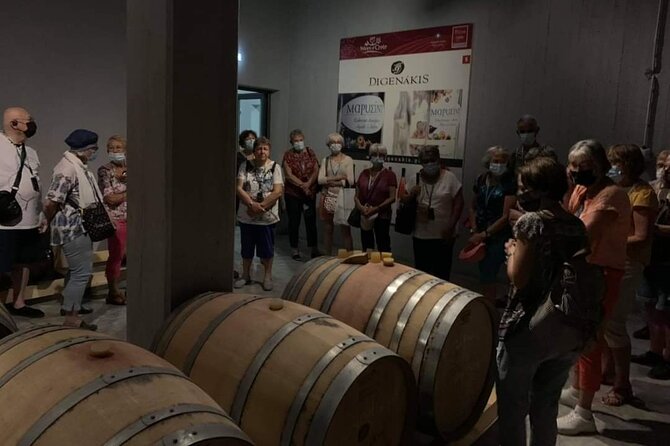
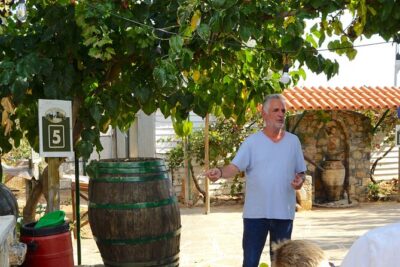
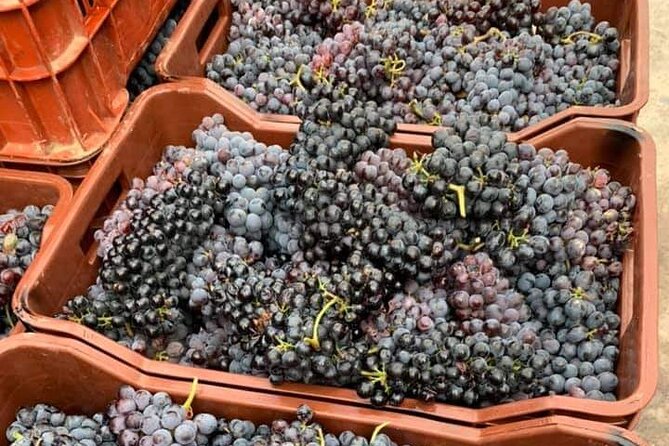
In Alagni, you visit Lyrarakis Winery, described as one of Crete’s oldest and most significant wineries. This is your main “learn and taste” block of the day. You’ll get an overview of the winemaking process, and you can explore the vineyards while you’re there.
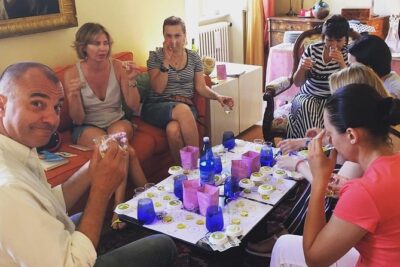
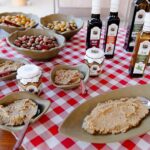
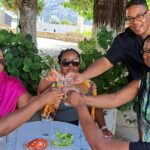
Then you sample wines—specifically 5 Cretan wines—paired with Cretan cheeses. That pairing matters. Cheese changes how wine feels in your mouth, and the Cretan combinations are a good way to understand local tastes instead of treating the tasting as just a row of glasses. You’ll also hear about indigenous grape varieties such as Vilana and Kotsifali, which is exactly the sort of detail that makes a tasting feel grounded in place.
If you’re not a huge wine person, don’t panic. The day is designed so olive oil, raki, and pottery aren’t afterthoughts. But if you are a wine fan, this winery stop is the centerpiece.
Two more practical points:
- You’ll want to pace yourself during tastings, especially since you’ll also have raki and more food pairings.
- If you’re traveling with someone under 18, note that Greek law does not allow serving or consuming alcoholic beverages for people under 18.
Katalagari village walk: traditional homes, then an optional taverna lunch
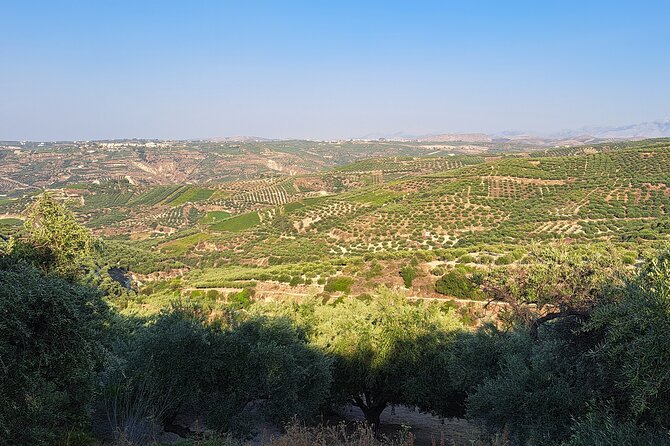
After the winery, you head to Katalagari, where you walk through traditional buildings and houses. The driver/guide explains tradition and history and, more importantly, how locals live and celebrate. This stop is less about tasting and more about context—helping you connect the food you’ve been sampling to daily life on the island.
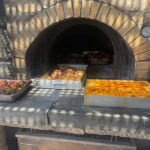
You’ll also get the option of lunch at a family taverna with traditional Cretan food and wine optional. Lunch is not included in the tour price, but having an optional plan is often better than forcing a set meal when you might have preferences.
My advice: if lunch is your priority, go for it. This is the easiest time to slow down, eat something that feels authentic, and let the flavors from the morning settle.


The pairing logic: why raki, olive oil, wine, and cheese work together
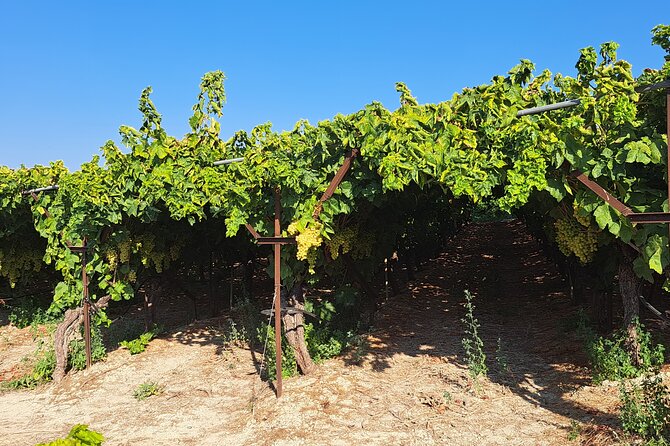
This tour isn’t only a schedule of stops. It’s built around the way Crete eats. Olive oil is one of the island’s everyday anchors, while cheese is the glue that brings wine into focus. Then raki adds a different character—stronger, spirit-forward, and a clear look at another side of Cretan drinking culture.
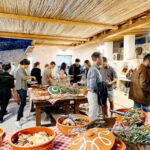
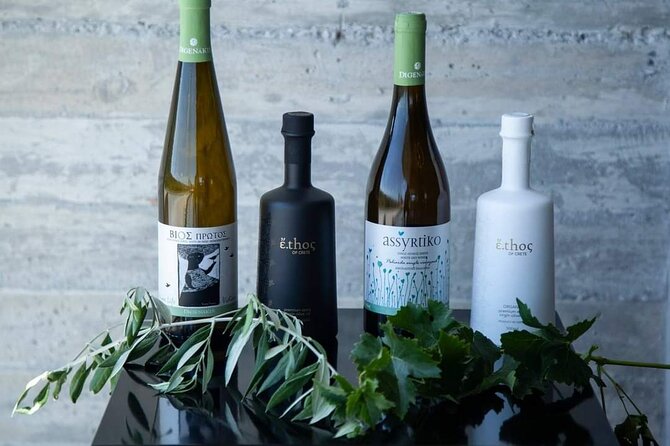
That’s why the tastings are packaged together as raki and olive oil paired with Cretan specialties, plus five wines matched with cheeses. You get a layered experience. You don’t just taste multiple things; you taste how they relate.
Also, the guide usually makes it more personal. In the best cases, you’ll get added little lessons that make the day feel less scripted—like learning about local agriculture by picking herbs along the roadside or being flexible with small surprises when someone in your group has a special occasion (birthday candles and a personalized cake have happened when noted ahead of time).
Price and value: what $144.35 per group really buys
The price is $144.35 per group for up to 12 people, which is the biggest value lever here: you’re paying for private transport and a local driver/guide, not per-person ticket fees. If you’re traveling in a full group, the per-person cost can feel very reasonable compared with booking separate experiences.
Even if you don’t fill all 12 spots, private tours like this still work if you want:
- hotel/port pickup without hassle,
- a structured day that connects wine, olive oil, craft, and village life,
- tastings included with your tour.
The major thing to remember: lunch isn’t included (though it’s optional). Bottled water is included, and all fees/taxes are covered, so you won’t be surprised by entry charges at the sites.
Who should book this private Crete tour
This tour is a strong fit if you:
- want a guided tasting day without renting a car,
- like food that comes with production stories (oil, wine, raki, and craft),
- enjoy small-group conversation more than a loud, packed group bus day,
- want a mix of cultural context (Katalagari walk) plus hands-on watching (pottery).
It’s less ideal if you:
- hate alcohol tastings in general (since raki and wine are part of the included program),
- need a long pottery shopping browse (this is more “watch and learn” than “hours of buying”),
- are traveling when seasonal closures are likely, since pottery access can vary.
Should you book it?
If you want a single day that covers the essentials—olive oil, raki, Cretan wine, and pottery—this is an easy yes. The biggest strengths are the private pace, the included tastings with food pairings, and the craft/village side that keeps it from feeling like a pure drinking tour.
My call: book it if you’re staying in or near the Heraklion region and you’re happy with a 5-hour plan that mixes learning and tasting. Skip it only if you’re not interested in tasting at all, or if you know you’ll be in a season where pottery openings might be limited.
FAQ
Where does pickup and drop-off happen?
Pickup and drop-off are offered from your accommodation hotel/port/airport in the Heraklion region. If you arrive by cruise ship, the driver/guide waits at the shuttle bus exit.
Is this tour private?
Yes. It’s a private tour/activity, and only your group participates.
How long is the tour?
It runs about 5 hours (approx.).
What’s included in the price?
Pickup and drop-off, transportation in a Mercedes Benz van, a local English-speaking driver/guide, tastings of 5 Cretan wines, raki and olive oil paired with Cretan specialties, bottled water, and all fees and taxes.
Is lunch included?
Lunch is not included. At Katalagari, there’s an optional lunch stop at a family taverna with traditional food and wine (wine is optional).
Do you allow children?
Seating for children is available upon request. Also, under Greek law, people under 18 are not allowed to consume or be served alcoholic beverages.
Do you offer the tour in English?
Yes. A local English-speaking driver/guide is included.
What if weather is bad?
This experience requires good weather. If it’s canceled due to poor weather, you’ll be offered a different date or a full refund.