REVIEW · CHANIA
Flavors of Crete from Chania: Wine & Olive Oil Tasting Tour
Book on GetYourGuide →Operated by PLATANOS TOURS · Bookable on GetYourGuide
A 4,000-year-old olive tree is a hard act to follow. This day trip from Chania mixes olive oil, honey, and wine with Cretan food culture, scenic stops, and time to taste. One practical catch: the wine tasting and some tastings can cost extra, so check what’s included in your exact booking.
I particularly like the focus on how Crete makes its signature flavors: you see olive oil and honey production and then taste what you learned. I also like the guided pacing—comfortable coach ride, short breaks for photos, and a proper traditional lunch at a local restaurant. The main drawback to weigh is that there’s a moderate amount of walking and this isn’t set up for wheelchair users.
In This Review
- Key things I’d plan around first
- The big idea: tasting Crete, not just looking at it
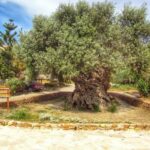
- Chania to Ano Vouves: that 4,000-year olive moment
- Olive oil and honey production: what to watch for while you taste
- The winery stop: museum context plus a tasting you can control
- Traditional Cretan lunch: a proper pause, not just a snack
- Timing and logistics: how the day really flows
- Comfort, group vibe, and what the reviews hint at
- Who this tour suits (and who should rethink it)
- Price and value: is $48 a bargain or a trap?
- Should you book the Flavors of Crete from Chania tour?
- FAQ
- FAQ
- How long is the Flavors of Crete wine and olive oil tasting tour from Chania?
- What’s included in the $48 per person price?
- What isn’t included?
- Is the wine tasting extra?
- Where do I get picked up and dropped off?
- What should I bring for the day?
- Is this tour suitable for wheelchair users or people with allergies?
Key things I’d plan around first
- Ano Vouves’ 4,000-year-old olive tree: a living, still-fruit-producing stop that anchors the whole day
- Olive oil + honey tastings: you’ll taste on-site, not just look at products
- Winery museum visit: guided context for how Cretan winemaking grew from ancient roots
- Wine tasting is extra-cost: you can decide how much to add to the day
- A real Cretan lunch: included time at a local restaurant with seasonal dishes
- Chania-area pickup options are wide: many convenient hotel/stop locations, with a morning start
The big idea: tasting Crete, not just looking at it
If you want a Cretan day that feels more like food culture than sightseeing, this tour is built for that. You move through western Crete with an English-speaking guide, stopping at production-related places where you’ll taste olive oil and honey, then shifting gears to a winery museum and wine session.
What makes it more worthwhile than a basic tour is the chain of experiences. You’re not only sampling flavors—you’re also getting an explanation of how those flavors are produced, which makes the tastings more meaningful (and easier to remember).
You can also read our reviews of more tours and experiences in Chania.

Chania to Ano Vouves: that 4,000-year olive moment
Your day typically starts with pickup from multiple points around Chania and the western coast area. The schedule is set for an early departure (around 08:00) so you can reach the countryside without rushing through it. From there, the bus ride includes a couple of transit segments and photo stops—enough time to reset, stretch, and grab a quick shot without turning the day into a “stop-and-stare” marathon.
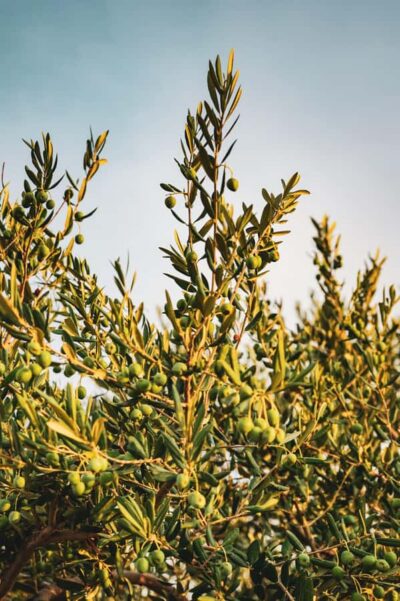
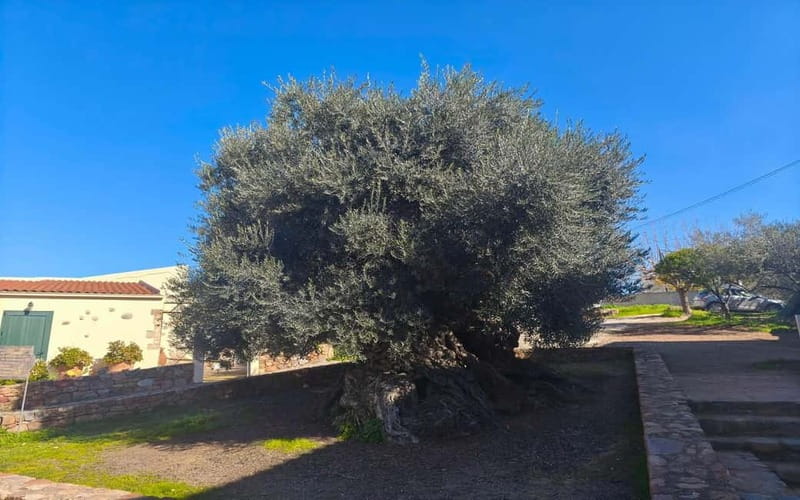
The first headline stop is Ano Vouves, famous for a 4,000-year-old olive tree that’s still producing olives today. Even if you’re not the type who gets misty-eyed about ancient plants, this is one of those “wow, this is real” moments. It gives you a concrete sense of why olive oil matters here: it’s not a modern product, it’s part of daily life that has survived centuries.
You’ll get a break with time for photos and a short window to move around at your pace. With only about 15 minutes of free time at this stop, I’d focus your photos quickly and be mindful of the group’s return timing.
Olive oil and honey production: what to watch for while you taste
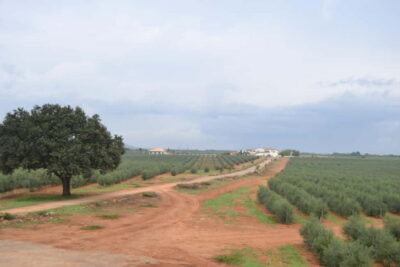
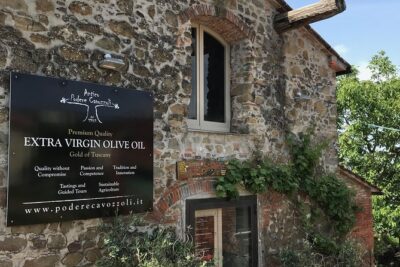
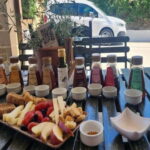
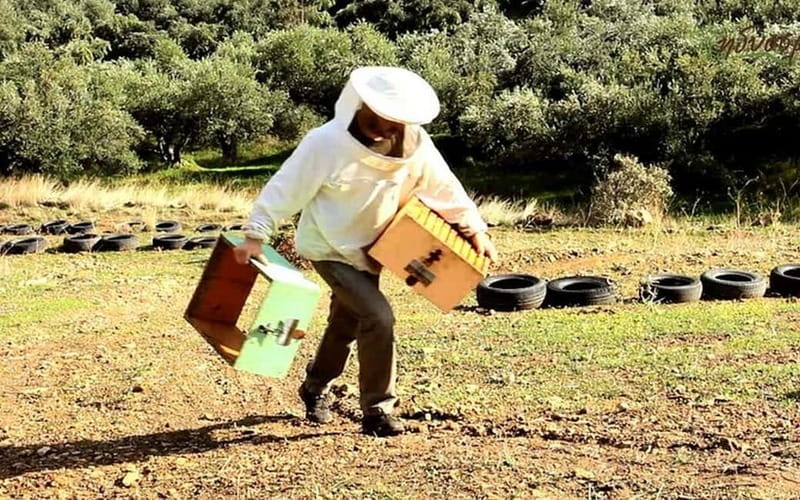
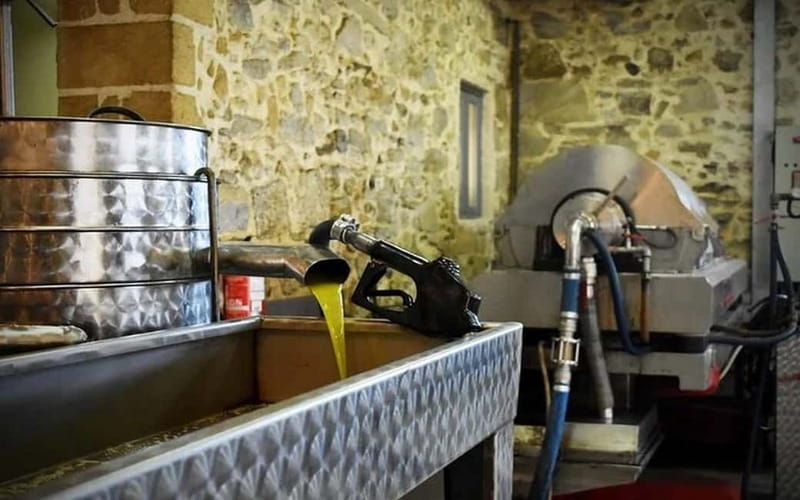
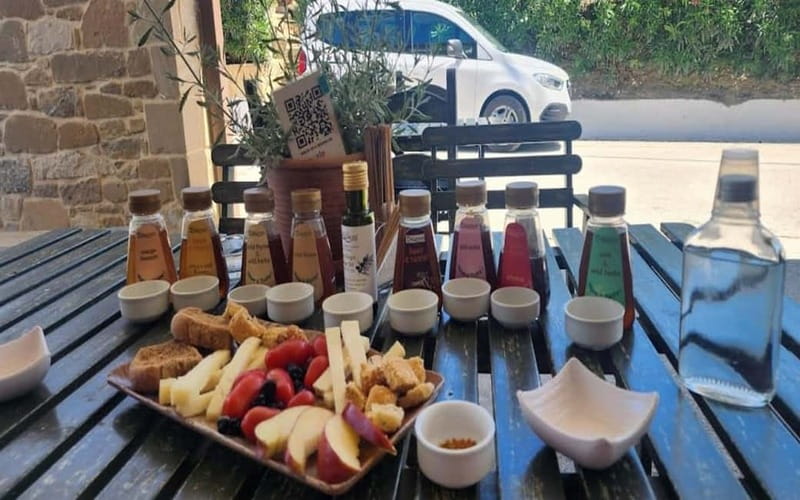
This is the heart of the tour’s flavor theme. You’ll visit a traditional olive oil and honey production setup where olive extraction and beekeeping are explained. The idea is simple: you learn the process, then taste the results—so you can connect the smell and taste to what you just heard.
Olive oil tastings and honey tastings are included, and the tour also notes that honey tastings may have an extra 5 euro charge. That small detail matters. If you’re budgeting tightly, don’t assume every tasting bite is fully covered. If you love trying multiple samples, it’s worth confirming on the day what’s included versus what’s add-on.
When you’re tasting olive oil, take it seriously for 30 seconds:
- Notice the aroma first (it often tells you more than the taste)
- Taste slowly and let it change on your tongue
- Pay attention to balance—good olive oil tends to feel smooth but not flat
For honey, you’ll get the “why it tastes different here” angle through local production. Honey isn’t one flavor; it changes with what bees forage, and with the way the region manages hives. This is one of those experiences where your notes from tasting help you later when you’re buying bottles back in Chania.
The winery stop: museum context plus a tasting you can control
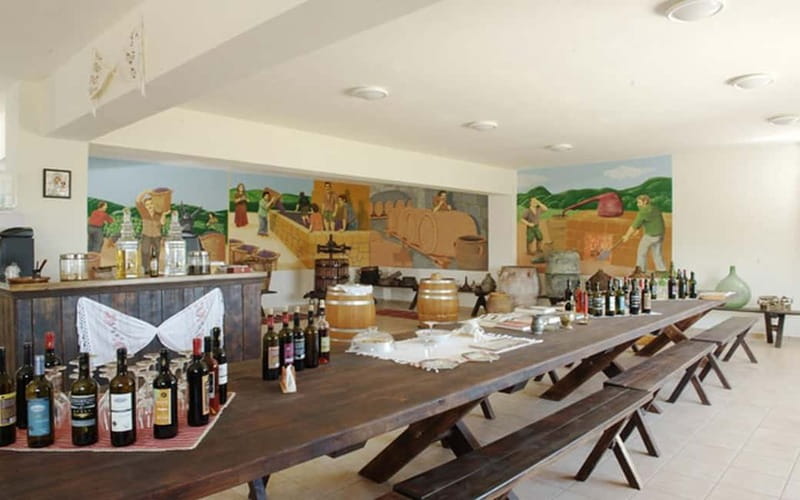
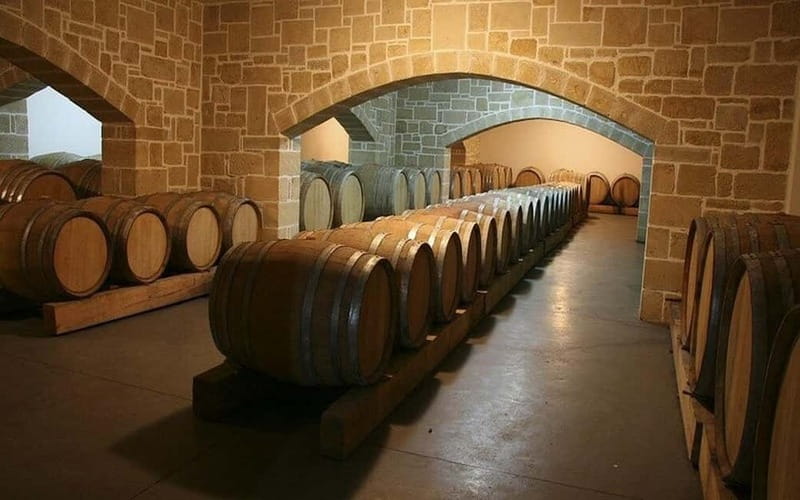
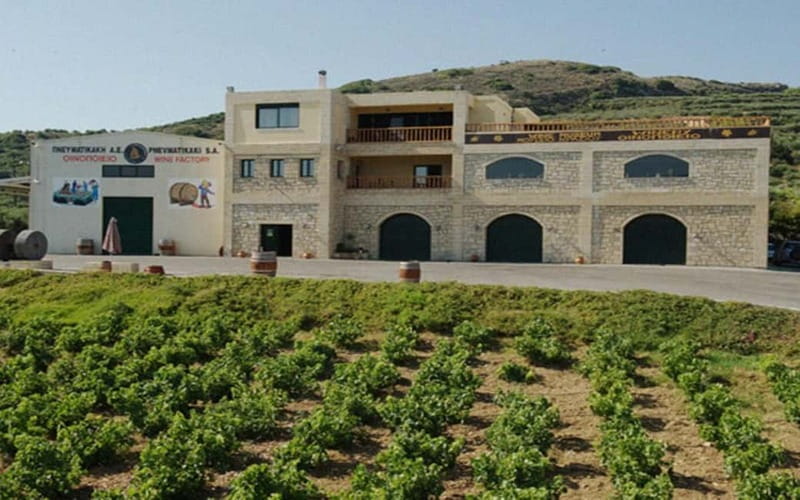
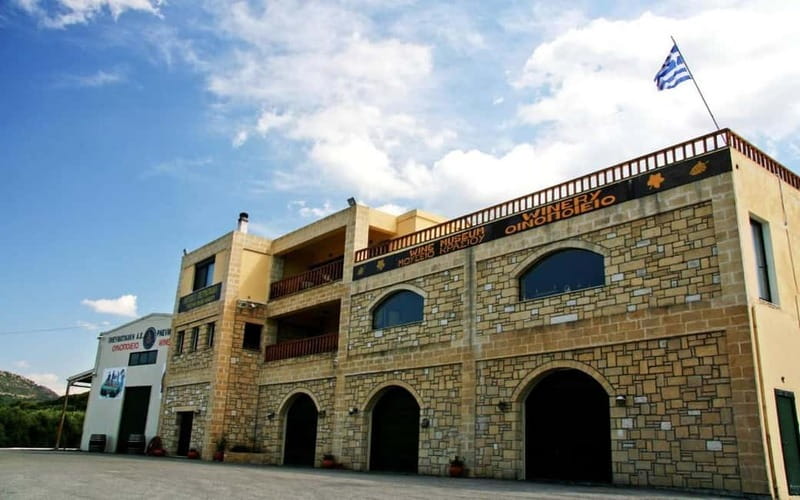
After the olive and honey focus, the tour shifts to winemaking tradition. You visit a renowned Cretan winery with a wine museum, and you get a guided explanation of how winemaking connects ancient practice to modern production.
This is where the tour earns its keep even if you’re not a hardcore wine person. Museums can feel like extra time in other tours, but here it’s set up to make the tasting more understandable. If you’ve ever tried wine in Greece and wondered why it tastes the way it does, this is the part that gives you a framework.
Expect guided time that includes a walk and some free time mixed in. There’s also a guided wine tasting session, but the tour clearly states that the wine tasting costs extra. That means you’re not forced into the full spend if you’d rather treat wine like a small taste, not a major purchase.
If you do join the tasting, be practical:
- Try what’s offered first, then decide if you want more
- Don’t rush—some wines make more sense after your palate adjusts
- If you’re driving later or skipping alcohol, you can still enjoy the museum and choose not to add the tasting
One more detail that’s easy to miss: the tour says you skip the ticket line. That can save time on a busy day, especially when you’re trying to fit everything in a single 7–8 hour window.
Traditional Cretan lunch: a proper pause, not just a snack
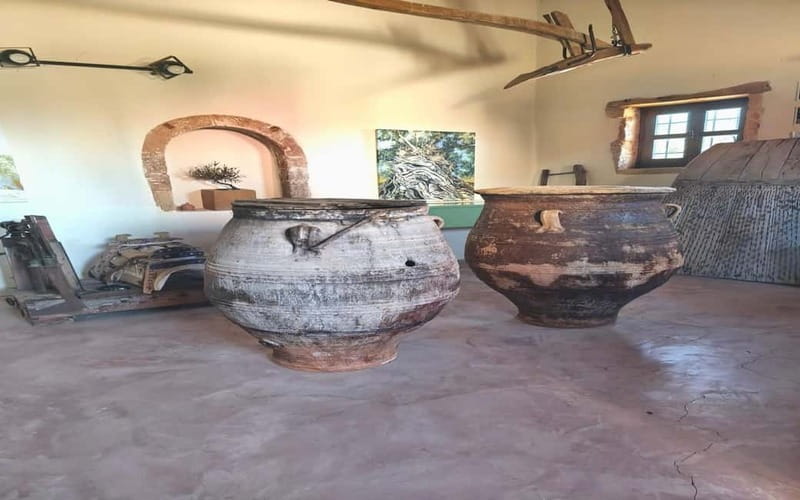
By the time you reach lunch, you’ve earned a break. The tour includes a traditional meal at a charming local restaurant with time to eat and relax while enjoying the surrounding views.
Lunch is positioned as a highlight, and the schedule gives you around 2 hours at that stop, with lunch plus additional food tasting time. That’s a meaningful chunk. It lets you actually slow down, try the dishes, and avoid the “eat standing up and run to the next bus” feeling.
What to expect at lunch, based on how these restaurant stops are framed:
- seasonal ingredients
- classic Cretan comfort dishes
- a chance to refuel for the afternoon return
If you’re sensitive to strong flavors, pace yourself. Olive oil and honey flavors earlier in the day can shift your palate. I’d eat lunch normally, then finish with a dessert or small tasting if you still want it—don’t force it.
Timing and logistics: how the day really flows
This trip is 7–8 hours, and that duration shapes everything. You’ll spend most of the morning traveling out of Chania, then concentrate the “big moments” into a sequence of production visits, tastings, and museum time, followed by lunch, and then the return.
The bus ride includes short segments (like an early stretch and multiple 15–20 minute transfers) and photo breaks. Practically, it means you should bring patience for a schedule that’s designed around a group.
A few details that help you enjoy it more:
- Wear comfortable shoes. There’s a moderate amount of walking.
- Bring a hat, sunscreen, and water because you’ll be out in the sun at multiple stops.
- Expect a day that starts early and ends around 16:00–17:00 back in Chania.
Comfort, group vibe, and what the reviews hint at
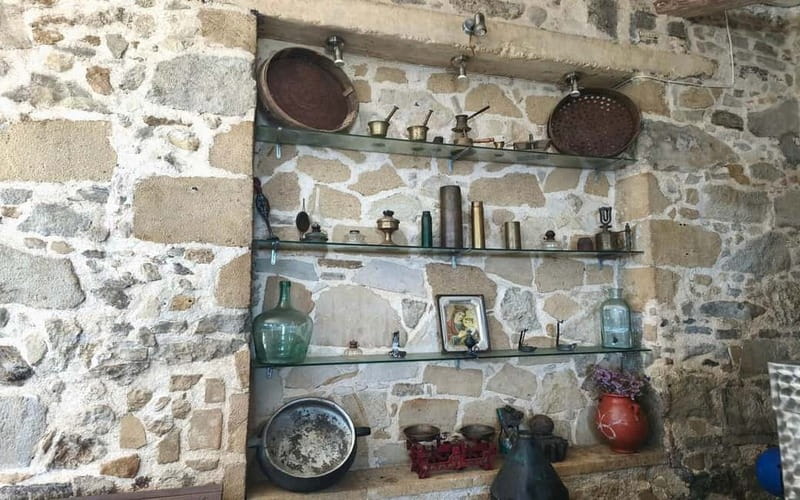
The tour runs with a modern air-conditioned coach and an English guide, plus a professional driver. Several recent experiences highlight that the driver and guide help keep things smooth and polite, and that the winery tasting experience can be guided in a way that feels friendly rather than rushed.
I also saw specific guide and driver names pop up in feedback—Maria at the winery and a driver named Antreas—which is a nice sign if you’re the kind of person who likes to know the human side of your day. Even if you don’t get the exact same team, that kind of professionalism matters in a long day like this.
Who this tour suits (and who should rethink it)
This is best for you if you want:
- a single-day Crete experience focused on food tastings
- a guided explanation you can connect to what you’re sampling
- a morning start with enough structure to avoid decision fatigue
It may be less ideal if:
- you need wheelchair access (the tour notes it isn’t suitable for wheelchair users)
- you have food allergies (the tour notes it isn’t suitable for people with food allergies)
- you’re prone to motion sickness (the tour mentions seasickness-prone travelers)
If you’re traveling with someone who’s on the fence about wine, this tour can still work because wine is framed as a tasting session that costs extra. You can choose your comfort level without killing the whole day.
Price and value: is $48 a bargain or a trap?
At $48 per person, the tour’s value is mostly about what’s included. You get transportation (air-conditioned coach), English guiding, and multiple tasting components: olive oil tastings and honey tastings are included, and lunch is included.
The “value question” comes from the extras:
- Wine tasting is not included
- Entrance to the olive oil production and beekeeping factory is not included
- Honey tastings may have an additional 5 euro charge
- Any personal spending is on you
So is it worth it? For many people, yes—because you’re not just buying a view. You’re paying to learn and taste at several stops, including the big cultural anchor at Ano Vouves and a winery museum visit.
If you know you’ll do the wine tasting and you’re likely to pay factory entrance and any extra honey samples, your total day spend will rise. But even then, you’re still covering guided time, multiple tastings, and a full lunch.
Should you book the Flavors of Crete from Chania tour?
Book it if you want a tasting-led Crete day that mixes ancient-to-modern food culture with real meal time. This tour is especially good when you’re short on days and want a structured way to see Ano Vouves, taste olive oil and honey, and leave with a clearer sense of why Cretan flavors are what they are.
Consider skipping or adjusting if you:
- don’t want to add on to your budget (wine tasting and some tastings/entrance can cost extra)
- need wheelchair-friendly access
- have food allergies or prefer highly controlled food options
- are easily uncomfortable with walking and sun exposure
FAQ
FAQ
How long is the Flavors of Crete wine and olive oil tasting tour from Chania?
The tour runs about 7–8 hours from pickup to return.
What’s included in the $48 per person price?
You get bus transfers by modern air-conditioned coach, an English guide, olive oil tastings, honey tastings, and pickup and drop-off from many Chania-area locations, plus a professional driver.
What isn’t included?
The wine tasting session is not included, and entrance to the olive oil production and beekeeping factory isn’t included. Traditional Cretan lunch is also listed as not included in the “not included” section, but the experience overview describes lunch as part of the day—so confirm what’s included in your exact booking.
Is the wine tasting extra?
Yes. The tour specifies that the wine tasting session costs extra.
Where do I get picked up and dropped off?
Pickup and drop-off are available from many points around Chania and the surrounding west-coast areas, including places like Chania center, Nea Chora, Stalos, Agia Marina, Platanias, Gerani, and others listed in the pickup/drop-off options.
What should I bring for the day?
Bring comfortable shoes, a hat, sunscreen, camera, and water.
Is this tour suitable for wheelchair users or people with allergies?
No. It is not suitable for wheelchair users, and it’s also listed as not suitable for people with food allergies. It’s also noted as not suitable for people prone to seasickness.