REVIEW · CRETE
Knossos & lasithi plateau villages,Zeus’s cave,&olive oil Mill
Book on Viator →Operated by Luxury Crete Tours · Bookable on Viator
Windmills, caves, and Knossos in one day. I like this tour because it hits the real Crete stuff in a tight loop, with small-group touring (max 10) and a proper visit to an olive oil press with tasting. The best part is the mix: working rural life up in the mountains, then big ancient history at Knossos. One thing to consider is that Zeus’s Cave may be closed (it notes closure until April and further notice), and when it is open you’ll face a moderate uphill walk plus steps down into the cave.
I also appreciate how the day is shaped around your time—especially for cruise stops—and how guides such as Mike and Stavros tend to bring the stories to life with geography, botany, and Greek mythology. Expect plenty of picture stops, short village wander time, and a calm pace for what you’re covering.
In This Review
- Key Highlights to Know Before You Go
- Crete’s Mountain-to-Knossos Loop: What This Day Trip Actually Feels Like
- Omalia Olive Press and Olive Oil Mill: Why This Tasting Stop Matters
- Lasithi Plateau Windmills: A Glimpse of Water-Powered Crete
- Krasi Village, the Platanus Tree, and the Old Aqueduct Walk
- Aposelemis Canyon Photo Stop and the Quick Monastery Pass
- Mochos Village: Church and Square Time Without the Crowd Stress
- Psychro Cave (Zeus’s Cave): The Real Legend Stop, With Steps
- Knossos Palace: Explore It Your Way (and Skip the Extra Guide Fee If You Want)
- Lunch at Tzanakis Michael: Traditional Food Stop, Lunch Not Included
- Price and Value: What $109.42 Buys You (And What It Doesn’t)
- Who This Tour Fits Best (and Who Should Rethink It)
- Final Verdict: Should You Book This Crete Day?
- FAQ
- How long is the tour?
- What does it cost?
- Do you pick me up from my hotel?
- What’s included in the price?
- Are Knossos and Zeus’s Cave entrance fees included?
- Is lunch included?
- How big is the group?
- What walking or stairs are involved at Zeus’s Cave?
- What if the weather is bad?
Key Highlights to Know Before You Go
- Omalia Olive Press: Learn both old-school and modern olive oil making, with tastings included
- Lasithi Plateau Windmills: See the historic water-pumping windmills that once served the crops
- Krasi Village under a giant Platanus: Stone streets, traditional architecture, and an old aqueduct
- Psychro (Zeus) Cave: Famous stalactites/stalagmites and the dramatic Mantle of Zeus formation
- Knossos Palace time at your own pace: Enough time to explore without feeling like you’re sprinting
- Lunch option at Tzanakis Michael: Traditional food stop, with lunch not included
Crete’s Mountain-to-Knossos Loop: What This Day Trip Actually Feels Like
This is the kind of Crete tour that makes you feel like you crossed the island rather than just circling the same road twice. You start in the Heraklion-area pickup zone, then work your way into the mountains for villages, plateau viewpoints, and the working olive world—before ending at Knossos, one of the big-name sites in Greece.
The value is in how much you get without it turning into a cattle-car marathon. The group is kept small (maximum of 10), you get a local English-speaking driver guide, and you’re not paying separately for the tastings or the coffee/water stops. You will still pay separate entrance fees at Knossos and for Zeus’s Cave (when open), and lunch is on you.
Think of the day as two halves: rural Crete first (oil, windmills, stone villages), then the myth-and-history finale at Knossos Palace. If you like seeing how people live now and how that connects to ancient stories, this format makes sense.
You can also read our reviews of more tours and experiences in Crete.


Omalia Olive Press and Olive Oil Mill: Why This Tasting Stop Matters
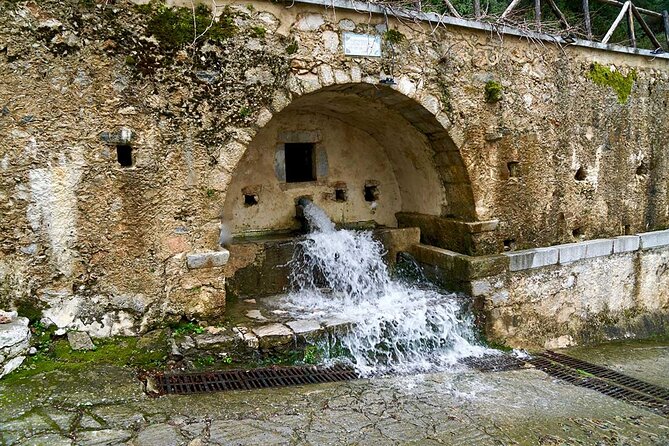
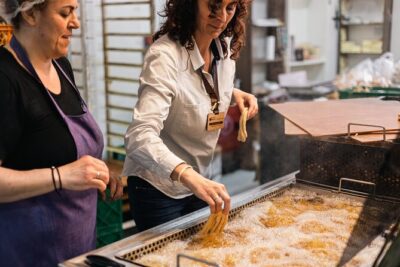
One of my favorite parts of the day is the stop at Omalia Olive Press, because it doesn’t feel like a rushed showroom. You’re there to understand the olive tree’s place in Crete—how olives shaped daily life, farming, and even island identity. You’ll learn about olive oil making in both the modern process and the older methods, and you get a tasting as part of what’s included.
Why you’ll care: Crete isn’t just olive oil as a souvenir. It’s food culture. When you taste something on-site, you start noticing differences you’d otherwise ignore back home: intensity, peppery notes, and how fresh it tastes. The tour also includes olive oil and raki tasting, plus water and coffee, so you’re not left scrambling for snacks during the drive-heavy day.
Practical tip: wear something you don’t mind getting warm in. Oil tastings and mountain roads go with heat and sun. You’ll likely want a light jacket for air-conditioned comfort in the vehicle, but plan for outdoor warmth during the stops.
Lasithi Plateau Windmills: A Glimpse of Water-Powered Crete
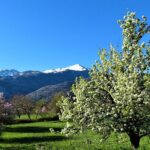
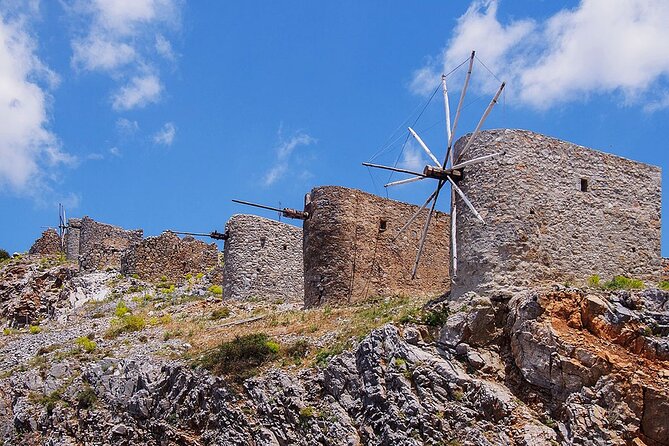
After the olive stop, the day climbs toward the Lasithi Plateau, famous for its historic windmills. These aren’t the cute windmills you see on postcards. They’re the ones that used to pump water up from underground so farmers could irrigate crops.
This is one of those stops where the scenery does half the work. The plateau sits high, and the views stretch across rugged peaks and open ground. Even if you don’t memorize every detail, it helps to see the windmill design in context: it’s not nostalgia; it’s engineering made for survival.
What I like about this stop is the educational angle. It connects climate, farming, and technology. You can walk around and look up at the mills, then later connect the dots when you see how dry farming and irrigation shaped Crete’s villages over time.
Krasi Village, the Platanus Tree, and the Old Aqueduct Walk
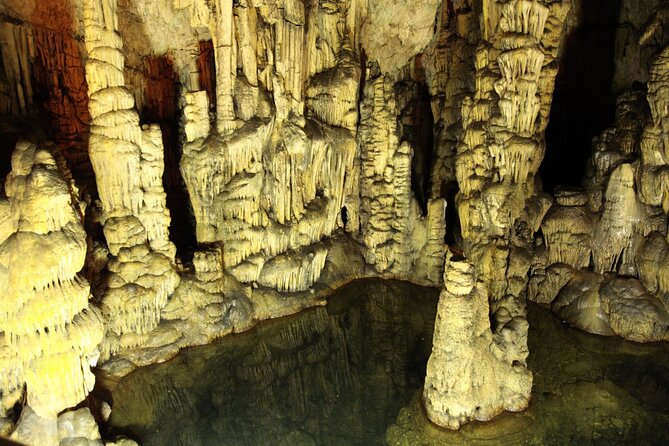
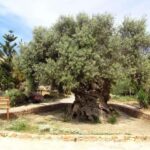
Next comes an authentic village wander in Krasi, with a visit to an old Platanus Tree and the nearby aqueduct. You’ll be walking stone-paved narrow streets and seeing traditional Cretan architecture up close—less museum, more real-life village texture.
This stop is short, so you’ll want to use your time wisely:
- Pause for photos where the street narrows—those angles show the age of the place.
- Take a slow walk under the Platanus area if you can. The tree is a landmark, but it’s also a place where the village feels anchored.
The aqueduct adds the practical layer. It’s a reminder that Crete’s history isn’t only about kings and palaces. It’s about water systems, maintenance, and making daily life work.
If you’re the type who likes villages more than big monuments, Krasi is a strong reason to book this day trip.
Aposelemis Canyon Photo Stop and the Quick Monastery Pass

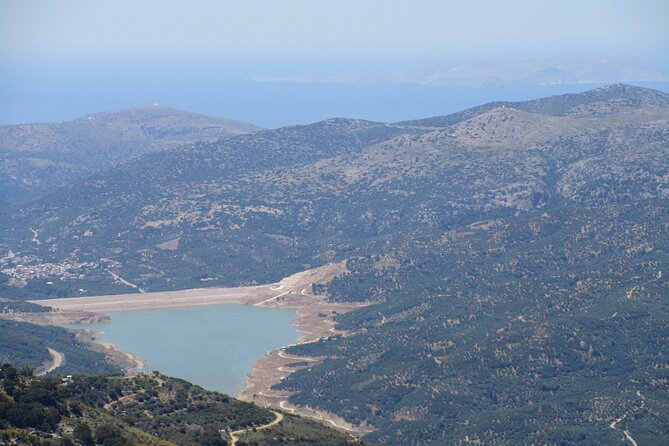
You’ll have a brief stop near the Aposelemis dam for photos and views, plus a short pass by an older monastery. These aren’t long stops, and that’s okay. The goal here is visual variety—mountain light, dam viewpoints, and a little spiritual history along the road.
When a tour has a lot of “big ticket” destinations, these in-between moments are what stop the day from feeling like a checklist. Even a short photo break can reset your energy and help you enjoy the drive instead of counting minutes.
Tip: pack a phone charger plan or at least a battery check. When you’re on a day like this, you’ll take far more photos than you think.




Mochos Village: Church and Square Time Without the Crowd Stress
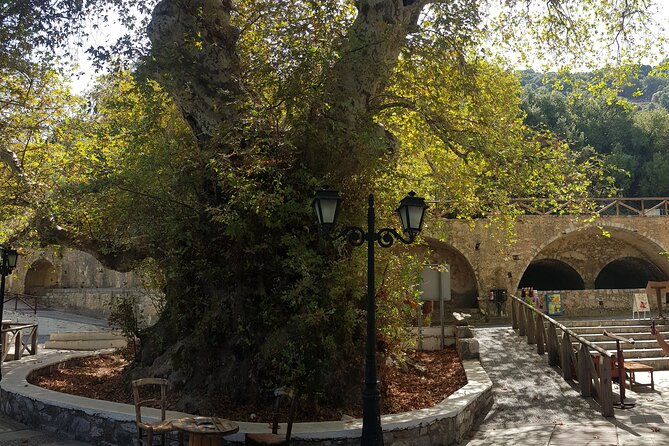
At Mochos, you’ll visit an older village with a beautiful church and a central square. This stop is about an hour, which is enough to wander without feeling rushed.
What makes Mochos work is the balance. After a cave that pulls you underground and Knossos that pulls you into ancient crowds (depending on timing), this is a human-scale village break. You can stretch your legs, grab a snack if you need one, and enjoy the slower rhythm of local life.
If you’re traveling with kids, this kind of village stop often lands well because it’s less about reading plaques and more about walking streets, looking at buildings, and watching how people actually move through town.
Psychro Cave (Zeus’s Cave): The Real Legend Stop, With Steps
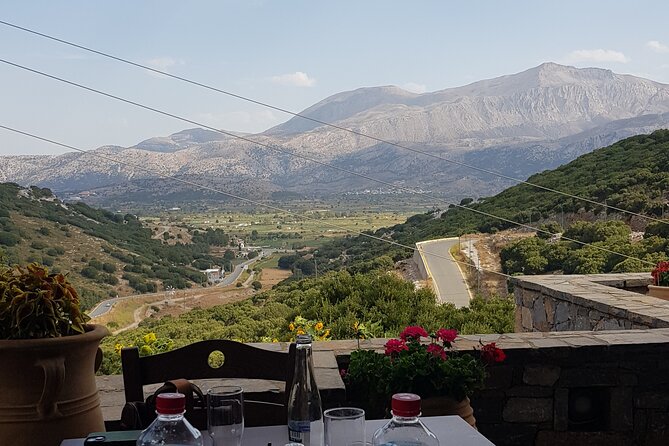
The Cave of Zeus, also known as the Psychro Cave or Diktaean Cave, is the myth moment. Your time there is about an hour (entrance fee not included), and the setting is dramatic.
Two key notes before you plan around it:
- It notes closure until April and further notice. If your dates fall in the closure window, your tour may need a substitution.
- When open, you’ll handle a moderate uphill walk (about 10–15 minutes) to reach the entrance, then about 180 steps down into the cave. It has handrails, but it’s still real stairs and real uneven timing.
What you’ll see once inside:
- Multiple illuminated chambers packed with stalactites and stalagmites
- The famous formation called the Mantle of Zeus, described like a curtain-like stalactite over a hidden underground lake
- The cave’s ancient role linked to offerings left by Minoans, a site tied to Greek legend
If you’re claustrophobic or have mobility limits, this stop is the one to think about most. The cave itself is cool and atmospheric, which is part of the magic. Just don’t pretend it’s a flat stroll.
Knossos Palace: Explore It Your Way (and Skip the Extra Guide Fee If You Want)
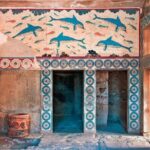
The day ends at Knossos Palace. This is where the ancient-myth punch lands—big ruins, thick history, and the feeling that you’re standing inside a story people still argue about.
You get about an hour, and you can explore on your own. You can also arrange an official licensed guide inside Knossos for an extra cost, but the default is self-guided time.
Here’s how to make the most of an hour:
- Pick one direction and commit. If you zigzag too much, you’ll end up circling.
- Spend time near the most important areas first, then move out for the smaller details.
- If you want story and explanation, consider the official guide. If you’re fine with signs and your own reading, self-explore is enough for a first pass.
Practical timing: entrance fees apply for adults (not included), so budget for that. It’s a classic place where planning beats guessing.
Lunch at Tzanakis Michael: Traditional Food Stop, Lunch Not Included
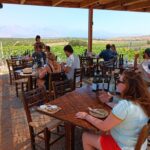
After Knossos and the cave-and-village sequence, you’ll stop at Restaurant Tzanakis Michael for lunch. Lunch itself is not included, but this is typically a good moment to recharge before heading back.
You’ll likely find traditional Cretan options, and one detail I can’t ignore: vegetarian options are available at this restaurant. That’s a helpful signal for mixed groups.
If you’re sensitive to timing, treat lunch as part of the tour’s rhythm, not a separate mission. Eat enough to keep you comfortable on the return drive, but don’t aim for a slow, leisurely two-course meal unless your group timing is flexible.
Price and Value: What $109.42 Buys You (And What It Doesn’t)
At $109.42 per person for a 7–8 hour day, this tour is priced around “included experiences + private-feeling transport,” not around a pile of included entrance fees.
Here’s what you’re getting for the money:
- Pickup and drop-off from Heraklion-area locations for the shared option
- Coffee and bottled water during the day
- Olive oil and raki tasting
- Liability insurance
- An English-speaking driver guide
- A small group size (maximum of 10)
- Mobile ticket use
What’s not included:
- Entrance fees at Knossos
- Entrance fee at Zeus’s Cave
- Lunch (and alcohol like house wine, if you order it)
- Optional official licensed guide inside Knossos (extra cost)
So, is it good value? For many people, yes—especially if you want rural sites, tastings, and Knossos in one day without booking separate tours. The tastings and oil press visit alone are a meaningful part of the day, and those are things that bigger coach tours often rush or skip.
The main “cost surprise” is entrance fees. If you plan for them up front, the rest feels straightforward.
Who This Tour Fits Best (and Who Should Rethink It)
This works well for:
- First-timers to Crete who want a mix of rural life and ancient highlights
- People who like guided storytelling, not just silent wandering
- Cruise passengers who need tight timing, since guides aim to keep you aware of ship return schedules
This may not fit as well for:
- Anyone who struggles with stairs and uphill walking (the Zeus Cave approach and the steps down are the big factor)
- Anyone visiting when Zeus’s Cave is officially closed, since the cave stop depends on access
- Travelers who want a long, slow, unstructured village day. This tour is busy by design.
Also, the tour runs in English and it’s a shared-group experience (with small max group). If you want full customization, the private option exists, with pickup/drop-off in additional towns.
Final Verdict: Should You Book This Crete Day?
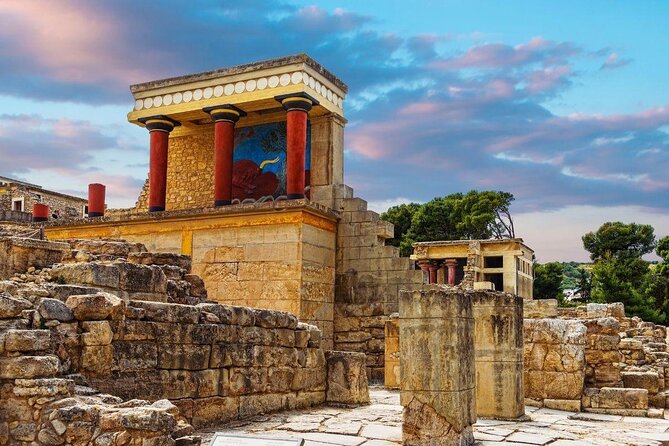
If you want Knossos plus the mountain-and-village Crete that most people rush past, I’d book it. The olive press and tastings are a strong anchor, the Lasithi windmills give you context for how people farmed and survived, and Krasi/Mochos add real atmosphere instead of only ruins.
Just make your decision with two practical checks:
1) Confirm whether Zeus’s Cave is open on your dates, since it notes closure until April and further notice.
2) Be honest about your comfort with uphill walking and a lot of steps at the cave.
If those two points work for you, this tour is a solid way to see more of Crete in one day without turning it into chaos.
FAQ
How long is the tour?
It runs about 7 to 8 hours.
What does it cost?
The price is $109.42 per person.
Do you pick me up from my hotel?
Yes. Pickup is offered from Heraklion area hotels. Cruise passengers meet the guide at Heraklion port with a sign. Pickup details vary a bit between shared and private options.
What’s included in the price?
Included items are liability insurance, water and coffee, plus olive oil and raki tasting, and an informative local English-speaking driver guide. Pickup and drop-off are included for the listed areas.
Are Knossos and Zeus’s Cave entrance fees included?
No. Entrance fees are not included for Knossos, and Zeus’s Cave admission is also not included. Zeus’s Cave notes closure until April and further notice.
Is lunch included?
Lunch is not included. You’ll stop for lunch at Restaurant Tzanakis Michael, where traditional food is served.
How big is the group?
The tour has a maximum of 10 travelers.
What walking or stairs are involved at Zeus’s Cave?
There is an uphill walk of about 10 to 15 minutes to reach the entrance, and then about 180 steps down to the cave. Handrails are mentioned.
What if the weather is bad?
This tour requires good weather. If it’s canceled due to poor weather, you’ll be offered a different date or a full refund.