REVIEW · ATHENS
Athens: Cretan Olive Oil Tasting Experience
Book on GetYourGuide →Operated by CHRISOPIGI DELI · Bookable on GetYourGuide
If you like food that tells a story, this is for you. This Cretan olive oil tasting at Chrisopigi Deli is a focused, sensory crash course in how extra virgin olive oil earns its quality, and you actually taste the differences instead of just hearing about them. I love the way you get both two harvest-period oils and the sense-training around aroma and flavor, and I also love the small, shop-based setting that keeps things friendly and easy to ask questions. One possible drawback: it lasts just 30 minutes, so if you want a long sit-down meal experience, this isn’t that.
You meet in the center of Athens at Voulis 7 Street, inside the covered walkway (stoa) called BOLANI, and you’ll look for Chrisopigi where the tasting happens. In sessions led by guides like Ioanna, the talk stays practical and the pacing stays calm, so you can learn what you’re tasting and then decide what you want to buy. The group format feels approachable rather than formal, which makes the whole thing better if you’re new to olive oil.
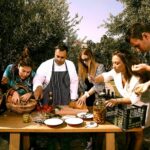
Here’s what you’ll taste: extra virgin olive oil plus an early harvest olive oil, two kinds of olives (including Kalamata), handmade olive paste with traditional Cretan rusk, and you’ll also run into add-ons like raki and a cherry-tomato chutney. Everything is explained during the tasting, and you’ll leave with a clearer idea of what “premium” means in your own senses. And yes, you can purchase the products right at the shop.
In This Review
- Key moments that make this tasting worth your time
- Chrisopigi Deli in Athens’ Stoa Bolani: where the tasting actually starts
- The 30-minute flow: what you taste first, second, and last
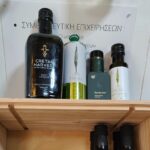
- Two harvest olive oils: why early harvest tastes the way it does
- Koroneiki and Kalamata: tasting olives as varieties, not just snacks
- Raki, cherry tomato chutney, and Cretan rusk: the food that makes it real
- Organoleptic features: learning how to judge premium olive oil with your senses
- Traditional production story: how Crete’s olive culture becomes your tasting
- Is $23 good value in Athens? Price, what you get, and what you can buy
- Should you book this Cretan olive oil tasting in Athens?
- FAQ
- How much does the Athens Cretan Olive Oil Tasting cost?
- How long is the tasting experience?
- Where do I meet for the tasting?
- What languages is the tour guide available in?
- What’s included in the tasting?
- Can I buy the products after tasting?
- What is not included?
- Is there a cancellation policy?
- Is the experience wheelchair accessible?
Key moments that make this tasting worth your time
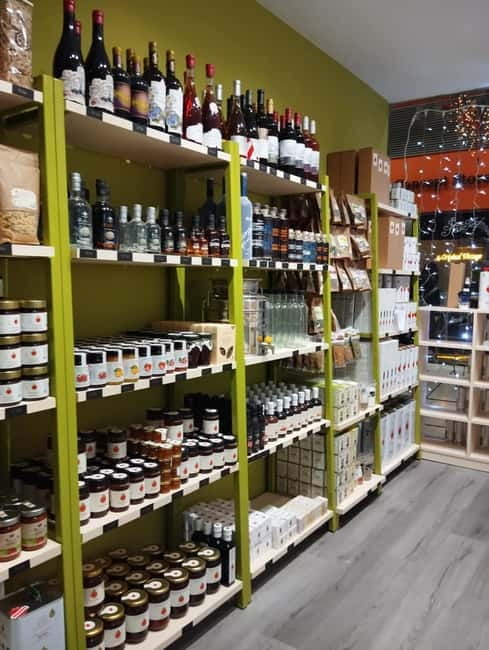
- Two harvest-period oils so you can taste how timing changes flavor and character
- Koroneiki from Sitia alongside Kalamata to compare olive varieties directly
- Handmade Koroneiki olive paste paired with traditional Cretan rusk for a real-world bite
- Raki and cherry tomato chutney that turn a technical tasting into a fun food session
- Organoleptic training: you learn how to use smell and taste to judge quality
- A quick 30 minutes that fits neatly into an Athens day without burning your schedule
Chrisopigi Deli in Athens’ Stoa Bolani: where the tasting actually starts
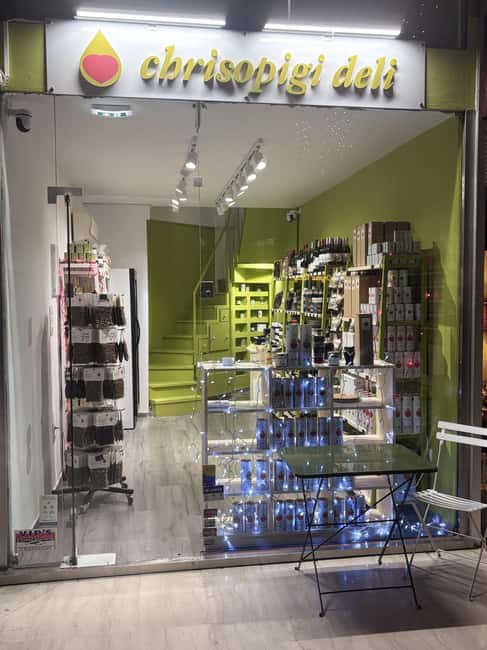
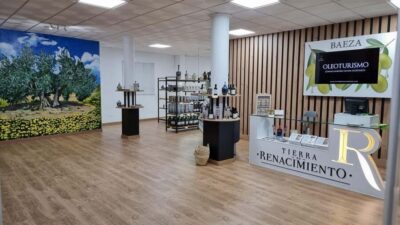
Location matters with food tours, because you don’t want to waste your hunger time hunting for the place. This one is set in central Athens at Voulis 7 Street, inside the covered walkway called BOLANI. You enter the stoa, then look for the Chrisopigi shop, which is where the tasting takes place.
I like that the meeting point is simple and walkable from lots of central areas. You don’t need a big bus transfer or a long “first stop” before the fun starts. If you’re staying in the city center, plan to arrive a few minutes early, take a look around BOLANI, then get ready for a tasting that’s designed to move at a steady pace.
You can also read our reviews of more tours and experiences in Athens.



The 30-minute flow: what you taste first, second, and last
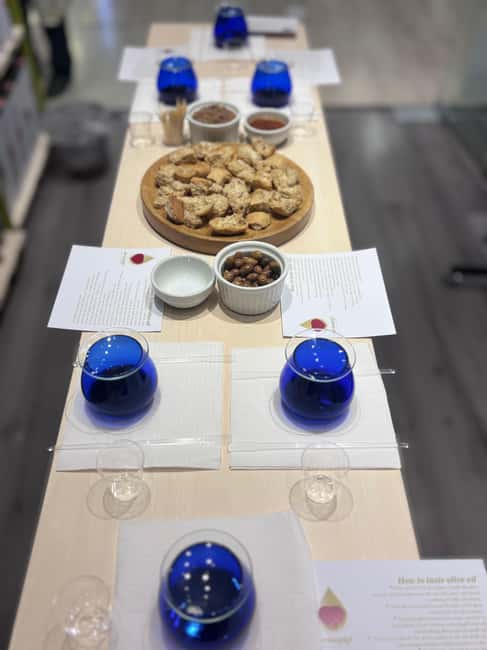
This experience is built for focus, not for lingering. The tasting is 30 minutes, and that time gets used for sampling, explanation, and helping you connect what you smell and taste to the idea of quality.
You’ll start with extra virgin olive oil and then try an early harvest olive oil (from a different harvest period). Then you’ll shift into foods that complement olive flavors: you’ll taste two types of olives, and you’ll also try handmade olive paste served with traditional Cretan rusk. Along the way, you’ll get explanations of what to notice in each product so your palate doesn’t just treat it like a random series of bites.
One thing I appreciate: you’re not just handed samples. The guide explains what you’re seeing and tasting, which makes the session feel like a mini class. And at the end, you’re in a place where it makes sense to buy what you liked—rather than leaving with questions and no way to act on them.
Two harvest olive oils: why early harvest tastes the way it does
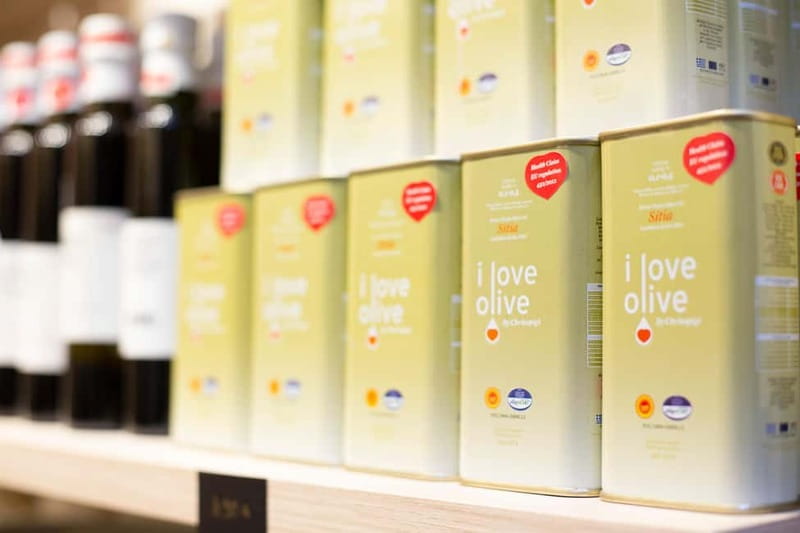
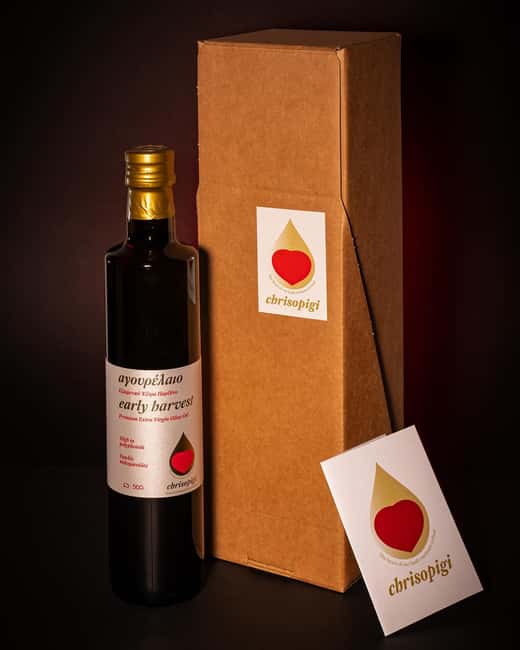
The heart of this tasting is the comparison: two kinds of extra virgin olive oil from different harvest periods. That matters because olive oil is not just a product. It’s a snapshot of a season.
Extra virgin olive oil can taste different depending on when the olives were harvested. With an early harvest oil, you typically get more of those sharp, fresh notes—often greener aromas and a peppery finish. The tour doesn’t require you to memorize tasting jargon, though it does teach you the senses to use. The point is that you taste two oils side by side and learn how to describe the difference in a way that actually helps you choose later.
During your tasting, pay attention to three things as you sip and smell:
- aroma (what you notice first)
- texture (how it feels on your tongue)
- flavor and finish (what stays and how it ends)
That “before you swallow” moment is where this experience earns its keep. If you’ve ever bought olive oil and wondered why it didn’t taste the way you expected, this comparison builds a practical answer.
Koroneiki and Kalamata: tasting olives as varieties, not just snacks
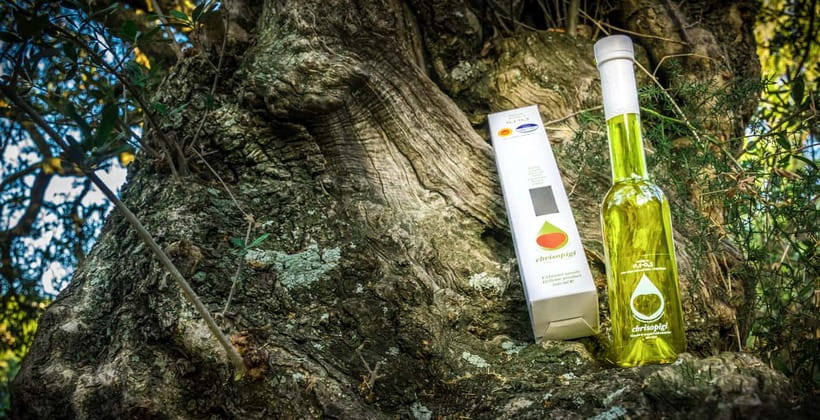
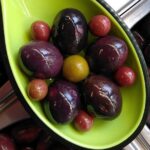
Next up are two types of olives: the Koroneiki variety of Sitia (Crete) and the famous Kalamata olive. This is smart because it’s not the same learning with only one olive type. You get a real contrast in size, flavor direction, and how the olives sit in your mouth.
Koroneiki olives are often associated with strong flavor and oil-friendly character, while Kalamata is known for its distinctive style and reputation. Here, you’re tasting them directly so you can connect what you like to what’s in the glass later.
Then you move to handmade olive paste from Koroneiki olives, which turns the learning from isolated tasting notes into a usable bite. Olive paste changes the equation. It’s not just the olive flavor anymore; it’s also the texture and the way salt and oil balance with a spread.
This part of the session works best if you eat slowly. Take one bite of paste with the rusk, then pause. You’ll start to notice which oil you preferred earlier and whether it matches how the paste tastes.
Raki, cherry tomato chutney, and Cretan rusk: the food that makes it real
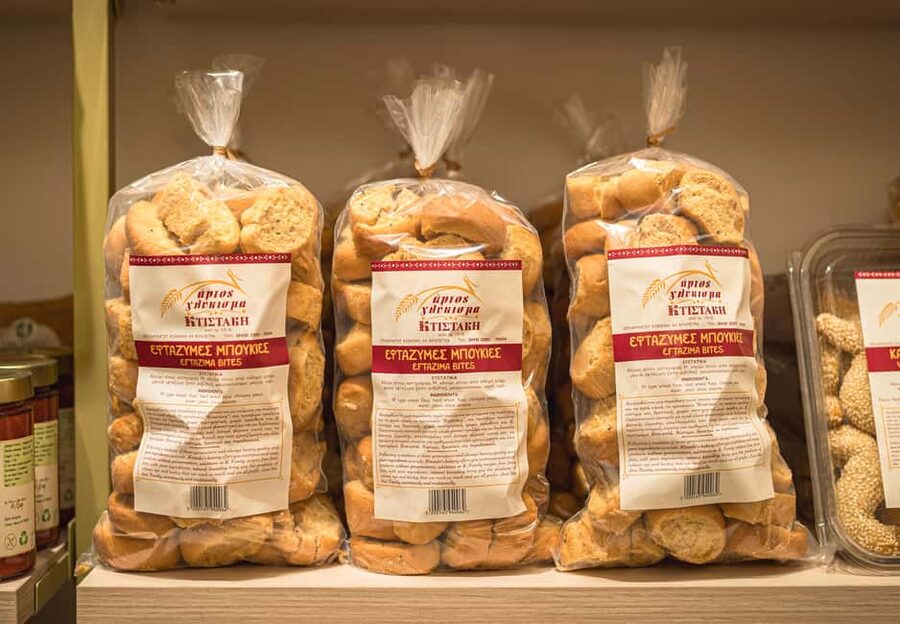
Not every olive oil tasting includes food that feels genuinely Cretan. Here, you get traditional Cretan rusk, plus touches like raki and chutney made from cherry tomatoes.
Why this matters: olive oil is often judged on its own, but in real life it lives with bread, spreads, dips, and simple snacks. By pairing your oils and olives with rusk and chutney, the tasting helps you understand what works beyond the tasting cup.
Rusk also changes the tasting experience. Because it’s crunchy and dry, it highlights the oil and paste flavors without making everything taste creamy. It’s like giving your palate a stable surface to compare intensity and finish.
And the cherry tomato chutney adds sweet-sour contrast. That contrast can make peppery or grassy olive notes feel sharper and more interesting. If you’re someone who thinks food should be fun, this is where the session stops being strictly technical and starts being tasty in a normal-person way.




Organoleptic features: learning how to judge premium olive oil with your senses
The tour explicitly focuses on organoleptic features—the sensory signals that help mark premium olive oil. That’s a fancy term for something simple: using smell, taste, and mouthfeel to judge quality.
You’ll learn what to notice as you taste, not just what to call it. This is useful because you’ll likely buy olive oil later, and then you’ll need more than a label. The organoleptic approach helps you answer questions like:
- Does this oil smell fresh or stale?
- Is there balance between bitterness and fruity notes?
- Does the finish feel clean and alive, or flat?
Even if you don’t become an olive oil scientist, you’ll leave with a better instinct for what you enjoy. I also like that the explanations happen while you taste, which makes the learning stick faster than reading alone.
One more practical tip: if you want to be able to buy confidently later, take notes on just two things per oil. Pick the aroma word you’d remember and the flavor direction you’d choose again. That’s enough to guide a purchase without turning your trip into homework.
Traditional production story: how Crete’s olive culture becomes your tasting
This session isn’t just tasting. You also get insight into traditional olive oil production and the history of Cretan extra virgin olive oil production. It connects the food on your table to the work behind it.
That connection matters because olive oil culture is local. It’s tied to seasons, harvest timing, and a long tradition of turning olives into oil with care. When the guide explains the process, it gives you context for why early harvest oil might taste different from a later one, and why the olives you sample are connected to the oils you’re drinking.
If you’re the kind of traveler who likes meaning with your snacks, this is where the experience gains depth. Not “museum depth,” but the kind of depth that makes you appreciate what’s on your plate.
Is $23 good value in Athens? Price, what you get, and what you can buy
At $23 per person for a 30-minute tasting, you’re paying for a concentrated education plus multiple samples in a shop setting. That can sound straightforward, but the value depends on what you want from the experience.
Here’s the value math that worked for me:
- You taste two extra virgin oils from different harvest periods
- You try two olive varieties plus handmade olive paste
- You include Cretan rusk and also encounter flavors like raki and cherry tomato chutney
- You get explanations of qualities during the tasting, not just samples
- Everything you taste is available to purchase at the shop
So you’re not only paying for the tasting. You’re paying for the ability to choose. If you’re the type who forgets what you liked after a tour ends, this one is different because you can buy the exact products right there.
One consideration: transportation and any meals beyond the tasting aren’t included. If you’re building the rest of your day, plan to eat separately. Also, because the shop sells what you taste, be ready for the simple reality that you might want to buy things. That’s not a problem, but it changes how you should budget.
Should you book this Cretan olive oil tasting in Athens?
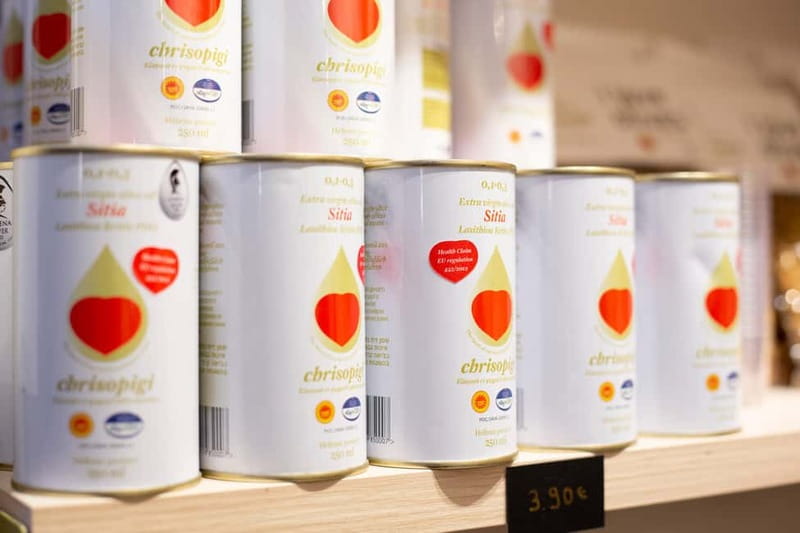
Book it if you want a short, high-impact food experience in central Athens. This works especially well if you:
- like olive oil and want to understand what premium tastes like
- enjoy hands-on food learning more than long lectures
- want a shop-to-table souvenir you can actually use at home
- have limited time and still want something culturally grounded
Skip it if you want a full meal or a multi-hour tour with lots of travel around the city. This is designed to be compact. It’s the kind of experience that fits between museums, shopping, or a late afternoon walk—then sends you back out feeling smarter about something delicious.
My final take: if you care about flavor differences and want to leave with confidence instead of confusion, this one is a solid choice.
FAQ
How much does the Athens Cretan Olive Oil Tasting cost?
The price is $23 per person.
How long is the tasting experience?
It lasts 30 minutes.
Where do I meet for the tasting?
Meet at Voulis 7 Street in the center of Athens. You’ll enter the covered walkway (stoa) called BOLANI and look for the Chrisopigi store.
What languages is the tour guide available in?
The live tour guide is available in English and Greek, and the session is delivered in English.
What’s included in the tasting?
You’ll taste two kinds of extra virgin olive oil from different harvest periods, two types of olives (Koroneiki variety of Sitia and Kalamata), handmade olive paste, traditional Cretan rusk, and you’ll get explanations of the qualities during the tasting. You’ll also receive insight into traditional olive oil production.
Can I buy the products after tasting?
Yes. Every product you taste is available for purchase at the shop.
What is not included?
Transportation to the shop is not included, and meals other than the tastings are not included.
Is there a cancellation policy?
Yes. Free cancellation is available up to 24 hours in advance for a full refund.
Is the experience wheelchair accessible?
Yes, it is wheelchair accessible.