REVIEW · POGGIBONSI
Chianti: Premium Wine, Olive Oil and Vinegar Tasting
Book on GetYourGuide →Operated by Poggio Ai Laghi · Bookable on GetYourGuide
Wine, oil, and vinegar in one focused stop. At Poggio ai Laghi in the Chianti hills, you sample their premium wines, extra virgin olive oil, and balsamic vinegars in a private setting, guided by a wine expert with art and history context. It is a very “Tuscany in your mouth” kind of experience, built around how these products are made and why they taste the way they do.
I especially like the tasting lineup: 6 wines (including spumante and multiple Chianti-style reds), plus olive oil and balsamic vinegar designed to show real differences from one pour to the next. I also like that the tasting is paired with classic Tuscan bites, so you learn faster than you would with stand-alone sips. One consideration: this is not an estate-and-vineyard walking tour, so if you want a long guided view of rows and cellars, you will need a different add-on.
In This Review
- Key highlights worth planning around
- Poggio ai Laghi in Chianti: why this tasting feels different
- The tasting menu: spumante, Chianti Riserva, and Supertuscan pours
- Olive oil tasting with truffle and chili pepper oils
- Balsamic vinegar moments: Modena Gold and Lacrime Viola onion vinegar
- Tuscan appetizers that actually help your palate learn
- The grape-to-bottle story: art and science in plain language
- Time and pacing: getting value from the 1.5 hours
- Price and value: is $36 fair for wine, oil, and vinegar?
- Who should book (and who might skip this one)
- Should you book this Chianti premium wine, olive oil and vinegar tasting?
- FAQ
- How long is the Chianti wine, olive oil and vinegar tasting?
- Where does this tasting take place?
- What drinks and foods are included?
- Which wines will I taste?
- What olive oils and vinegars are included?
- Are estate, vineyard, and winery tours included?
- Do I need transportation to get there?
- What languages are available for the host?
- Is it wheelchair accessible?
Key highlights worth planning around
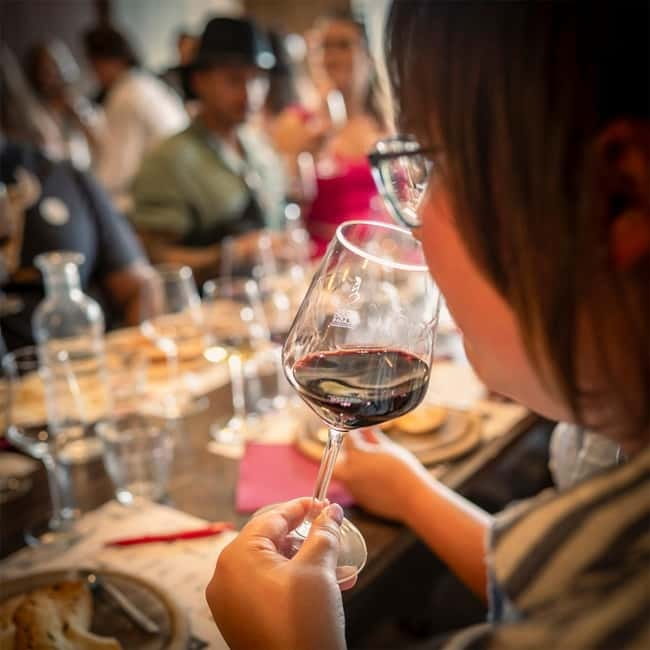
- Private Chianti setting where you can actually hear the explanations (and ask questions).
- Two spumante plus four red wines, including Chianti Classico and a Supertuscan IGT.
- Olive oil tasting with White Truffle and Chili Pepper oils, not just plain EVOO.
- Balsamic vinegar variety featuring Aceto Balsamico di Modena IGP GOLD and a balsamic onion vinegar.
- Tuscan appetizers that work like a flavor lab for wine, oil, and vinegar.
Poggio ai Laghi in Chianti: why this tasting feels different
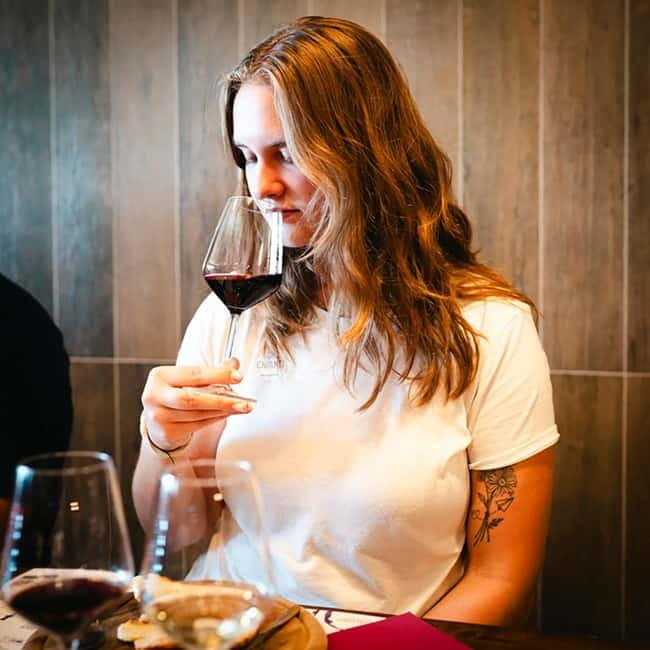
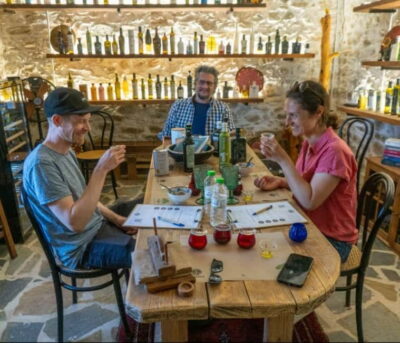
Most wine tastings in Tuscany are either wine-only, or they tack on a tiny sample of something else. This one is built as a set: wine, olive oil, and balsamic vinegar all in the same guided session. That matters, because wine tastes different when your palate is clean, salty, fatty, or sweet. Here, you keep resetting your taste through food pairings and structured pours.
The setting is private, and that tends to improve the whole vibe. You get more time for back-and-forth, and the wine expert can adjust explanations if you are newer to wine. You also get a separate entrance to skip the line, which helps you keep your day on track when you are bouncing between towns.
You can also read our reviews of more tours and experiences in Poggibonsi.
The tasting menu: spumante, Chianti Riserva, and Supertuscan pours
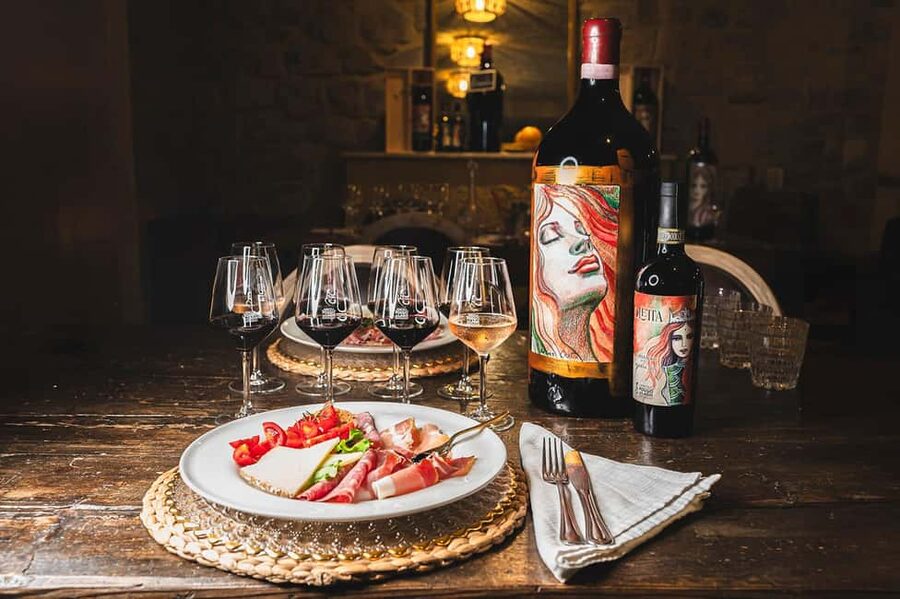
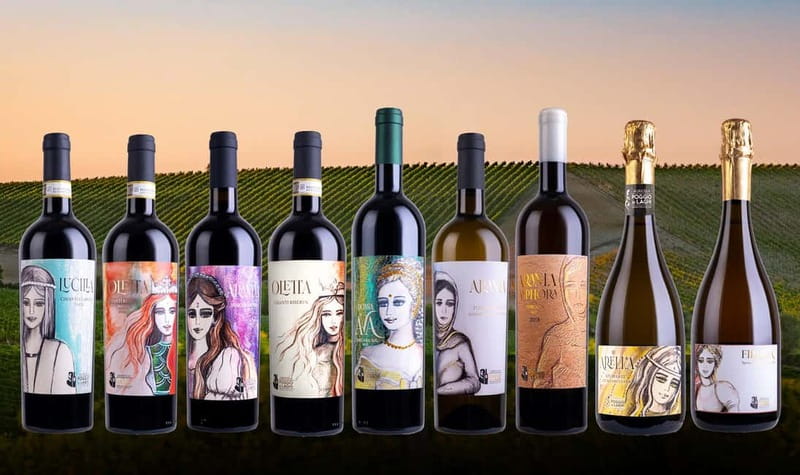
You taste two spumante first, then four red wines. Starting with bubbles (and a rosé option) is smart because it wakes up your palate and makes it easier to notice changes as the tasting shifts from light to deeper reds.
Here is the full wine lineup you can expect:
- Arella: Spumante Cuvèe Extra Dry Oletta
- Firmina: Spumante Rosé Extra Dry
- Oletta: Chianti Riserva DOCG
- Aranda: Supertuscan IGT
- Donna Ava: Toscana Rosso
- Lucilla: Chianti Classico
The Chianti Riserva DOCG and Chianti Classico choices are a good anchor for understanding the classic side of the region. Then the Supertuscan IGT and Toscana Rosso add the “what else can Tuscany do?” angle. Even if you do not consider yourself a wine person, that mix helps you recognize structure and style without having to memorize grape names.
Practical tip: when you move from spumante to reds, pause and reset. Smell, then sip, then notice what changes. The tasting format here makes that kind of comparison easy, because you are getting multiple products in one run instead of scattered tastings across a day.
Olive oil tasting with truffle and chili pepper oils
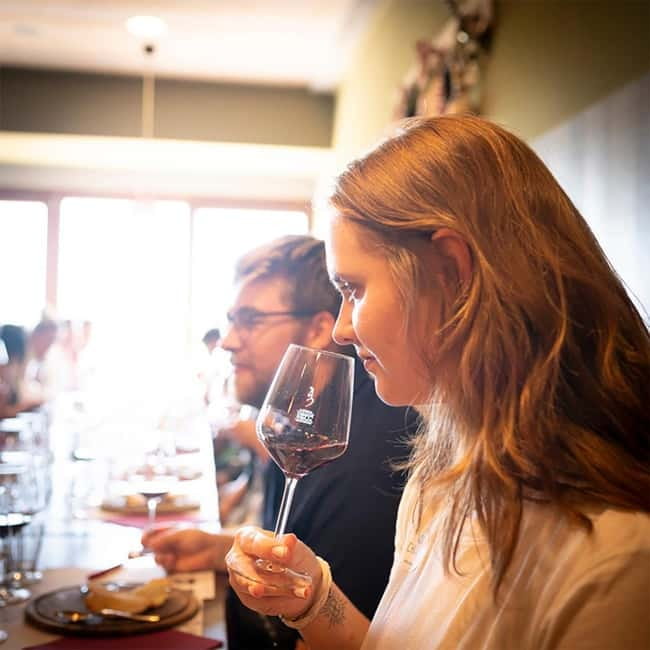
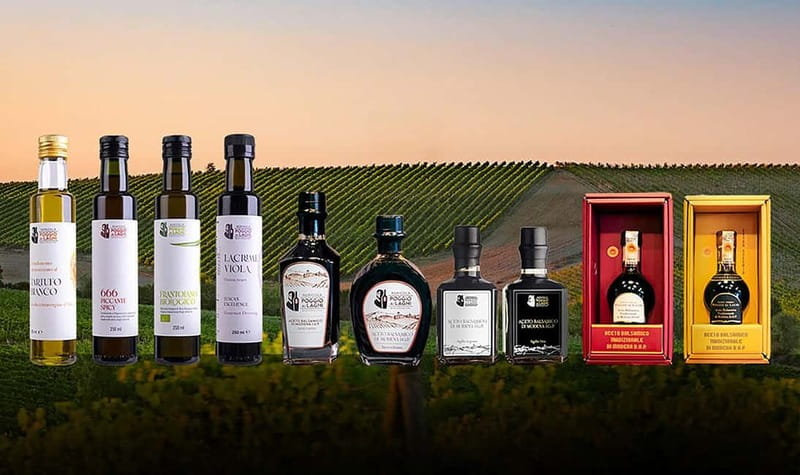
The olive oil section is not a token pour. You will taste three oils: Extra Virgin Olive Oil, White Truffle Extra Virgin Olive Oil, and Chili Pepper Extra Virgin Olive Oil.
This is one of my favorite parts of the experience because it shows you how the same base ingredient can become something totally different. The white truffle oil will smell and taste more “aromatic” and perfumed, while the chili oil shifts the whole experience toward heat and punch. The plain EVOO is the control, so you can understand what the others are adding.
If you want to learn fast, treat the oils like flavors, not just sauces. Notice aroma first, then texture (usually a bit peppery or grassy depending on the oil), then finish. The tasting also includes Tuscan bread served with extra virgin olive oil, which is exactly how many Italians make the oils part of everyday life.
Balsamic vinegar moments: Modena Gold and Lacrime Viola onion vinegar
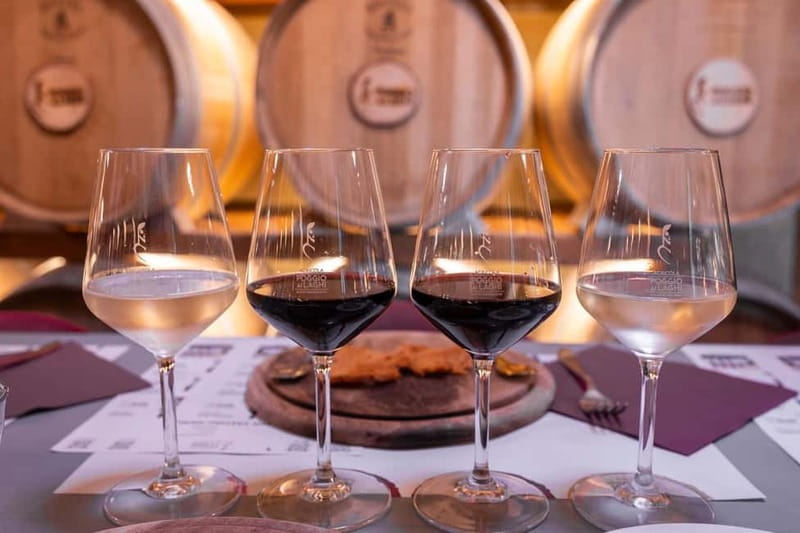
Balsamic vinegar is one of those things people think they already know—until they taste it side by side. You sample two: Aceto Balsamico di Modena IGP GOLD and Lacrime Viola Balsamic Onion Vinegar (Tuscany Excellence).
Modena-style balsamic tends to bring sweetness and depth, with a balanced acidity that can feel almost syrupy. The onion vinegar is different. It is built on onion flavor, so it can feel savory and slightly floral, not just sweet-and-dark. This is a good lesson for you even if you only ever use balsamic on salads. Vinegar can be a seasoning, a finishing touch, and a flavor bridge between dishes.
Practical tip: do not chase sweetness. Instead, focus on balance—sweetness versus acidity, and how fast the flavor fades. In a guided tasting like this, that comparison becomes easier because your palate is already trained to pay attention.
Tuscan appetizers that actually help your palate learn
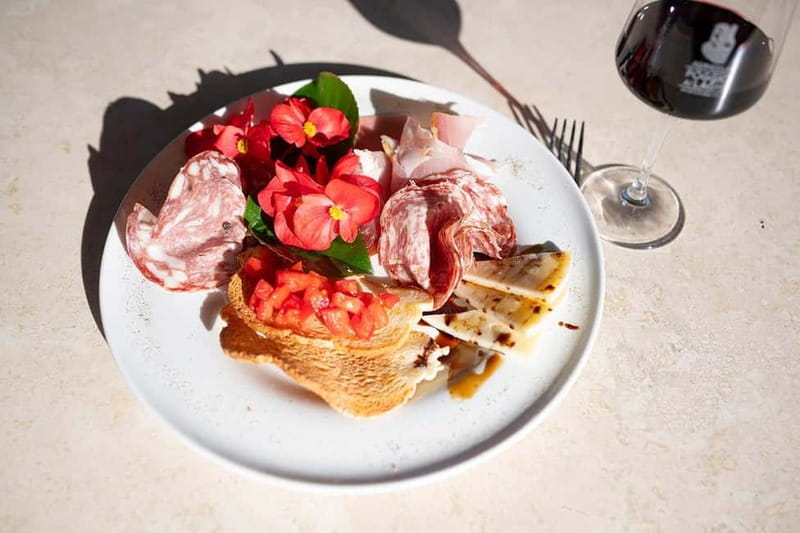
The appetizers are part of the method, not just a snack table. You will have:
- Salame toscano
- Finocchiona
- Prosciutto crudo toscano
- Pecorino
- Bruschetta with fresh tomato and basil
- Cialda di pane tostato con Extra Virgin Olive Oil
This lineup covers salty, fatty, herb-fresh, and crunchy. That is key for tasting because oils and vinegars can coat the tongue and make it harder to judge wine if you do not have the right bite reset. The cured meats and pecorino add fat and salt, so you can better feel how a spumante’s crispness or a red wine’s structure works against something savory.
If you want the most out of the pairing, take small bites and move between sips and bites. This is the difference between tasting as entertainment and tasting as learning.
The grape-to-bottle story: art and science in plain language
The wine expert guides you through the process of winemaking, from grape to bottle, and frames it with art and history from the Tuscan winemaking tradition. Even when you do not go deep into technical terms, you can still connect the dots: what happens in fermentation, aging, and blending can show up as flavor changes in the glass.
This also helps explain why the lineup is designed the way it is. When you understand the logic behind the wines, the tasting stops being a random sequence of sips. You start building a mental map: sparkling first, classic Chianti styles next, then the more experimental Tuscan expressions.
Language support is another practical plus. The tasting hosts include English, French, Spanish, and German, and the team is used to helping guests appreciate the products even when language coverage is not perfect. In other words, you will not be left staring at a menu with no idea what you are tasting.
Time and pacing: getting value from the 1.5 hours
The experience runs about 1.5 hours, and that is long enough to do meaningful comparisons without dragging. The key is to stay present during the switch points: spumante to reds, then wine to olive oil, then olive oil to balsamic. Those transitions are where you learn the most, because your palate changes state.
A small practical move: pace your drinking. If you have a full day planned in Tuscany, you will enjoy the tasting more when you take sips, not slugs. The food is there to support you, and water between pours keeps everything tasting clearer.
Also, go in with one goal. It can be as simple as: I want to know what Chianti style I like. Or: I want to find a balsamic I can actually use at home. That mindset helps you remember what you liked and why, instead of leaving with a vague “it was good” feeling.
Price and value: is $36 fair for wine, oil, and vinegar?
At $36 per person, this is good value if you compare it to wine-only tastings. You are not just paying for a glass of red. The included tasting covers:
- 2 spumante + 4 red wines (6 total)
- Olive oil tasting: truffle oil, chili pepper oil, and extra virgin olive oil (3 total)
- Balsamic tasting: onion vinegar + Aceto Balsamico di Modena IGP GOLD (2 total)
- Tuscan appetizers designed to pair with the pours
That is a lot of product coverage for one session. More importantly, the guidance turns it from “try everything” into “learn the differences.” If you enjoy food-focused experiences, this kind of bundled tasting tends to feel worth the money because you leave with clearer preferences and better ideas for what to buy.
If your budget is tight and you only care about red wine, you might feel it is pricier than a basic wine tasting. But the moment you like olive oil and balsamic too, the value becomes much harder to ignore.
Who should book (and who might skip this one)
This tasting is a strong fit if you:
- Want a structured introduction to Chianti wines without a vineyard tour requirement
- Care about food flavors and want olive oil and balsamic vinegar to be part of the learning
- Prefer guided explanations over self-guided sampling
- Like the idea of tasting multiple styles: Chianti Riserva, Chianti Classico, and a Supertuscan IGT
It might be less ideal if you are traveling specifically for a vineyard walk or a long estate tour. This experience is focused on tasting, pairing, and the winemaking story—not a “see every corner of the property” kind of visit.
Should you book this Chianti premium wine, olive oil and vinegar tasting?
Yes, I think you should book it if you want a dense, high-value flavor session with real guidance. It is short enough to fit into most itineraries, but it covers enough products that you can walk away with actual preferences: a wine style, an olive oil you will use, and a balsamic you will remember.
If you want something more scenic than educational, or you specifically want a vineyard tour, look for a separate estate visit. But for most people on a Tuscany trip, this is a smart way to spend 1.5 hours and come away with better taste instincts than you started with.
FAQ
How long is the Chianti wine, olive oil and vinegar tasting?
The experience lasts about 1.5 hours. Starting times vary, so you will want to check availability.
Where does this tasting take place?
It takes place at the Poggio Ai Laghi winery estate in the Chianti region of Tuscany, Italy.
What drinks and foods are included?
You get 2 spumante and 4 red wines, olive oil tastings (including truffle and chili pepper), balsamic vinegar tastings, and Tuscan appetizers.
Which wines will I taste?
The wines listed include Arella (Spumante Cuvèe Extra Dry Oletta), Firmina (Spumante Rosé Extra Dry), Oletta (Chianti Riserva DOCG), Aranda (Supertuscan IGT), Donna Ava (Toscana Rosso), and Lucilla (Chianti Classico).
What olive oils and vinegars are included?
Olive oils include Extra Virgin Olive Oil, White Truffle Extra Virgin Olive Oil, and Chili Pepper Extra Virgin Olive Oil. Balsamic vinegars include Aceto Balsamico di Modena IGP GOLD and Lacrime Viola Balsamic Onion Vinegar.
Are estate, vineyard, and winery tours included?
No. This tasting does not include an estate, vineyard, or winery tour.
Do I need transportation to get there?
Pick-up and drop-off are not included.
What languages are available for the host?
The host or greeter is available in English, French, Spanish, and German.
Is it wheelchair accessible?
Yes, the experience is wheelchair accessible.