REVIEW · MENGIBAR
Jaén: Aires de Jaén Olive Oil Tasting Class
Book on GetYourGuide →Operated by AIRES DE JAEN · Bookable on GetYourGuide
Olive oil tastes different when you learn how. This 1-hour class at Aires de Jaén turns the usual tasting into a real skill—smell, sight, and taste in one tidy session.
Two things I especially like: you get to compare multiple oils side-by-side, and the expert guides you with practical cues you can actually use later. One thing to consider: there’s no food included, so plan to eat after (or grab a snack nearby) if your stomach needs it.
In This Review
- Key Things You’ll Notice in This Tasting Class
- A 1-Hour Olive Oil Class That Makes You Smarter Fast
- Entering Aires de Jaén: Where the Tasting Really Starts
- The Oils You’ll Taste: From Soft Samples to Temprano EVOO
- What the expert is really teaching you
- Smell and Sight Lessons That Make Your Tongue Work Better
- The Aires de Jaén Lab: From Fruit to Bottle
- What Makes the Expert Guidance Worth It
- Food and Wine Pairing Tips You Can Reuse
- Price and Value: Is $14 Worth It?
- Who This Olive Oil Class Suits Best
- What’s Included (and What You Should Plan On Your Own)
- Practical Tips Before You Go
- Should You Book Jaén’s Aires de Jaén Olive Oil Tasting Class?
- FAQ
- How long is the olive oil tasting class?
- Where do I meet for the experience?
- What is the price per person?
- What languages are available during the class?
- What’s included in the ticket?
- Are food or drinks included?
- Is the experience wheelchair accessible?
- Can I cancel, and what’s the cutoff?
Key Things You’ll Notice in This Tasting Class

- Quality matters: You learn how to tell olive oil levels apart, not just which one tastes good.
- Side-by-side practice: You compare different samples, including a Temprano extra virgin.
- Smell is half the class: The expert’s cues help you notice aromas you’d miss on your own.
- Pairing tips you can use: You’ll get food and wine ideas that match the oils you taste.
- Hands-on lab experience: You see how a small fruit becomes the oil you’re sipping.
A 1-Hour Olive Oil Class That Makes You Smarter Fast

Jaén is one of Spain’s olive powerhouses, and Aires de Jaén puts you right in the middle of it—in an hour. The session is short, but it’s not rushed. It’s built around one idea: once you learn what to notice, olive oil stops being a vague souvenir and starts being something you can choose with confidence.
I also like the pace. It moves from background to sensory practice without turning into a lecture parade. And the best part is the comparison. Rather than tasting one bottle and nodding politely, you sample several oils and learn what those differences usually mean.
One more nice detail: the class is run in Spanish and English. If your Spanish is rusty, you’re still covered, and you can focus on the aromas and flavors instead of translating in your head.
You can also read our reviews of more tours and experiences in Mengibar.
Entering Aires de Jaén: Where the Tasting Really Starts
You meet at Aires de Jaén, and that’s important. There’s no extra “drive to the countryside” included here, and you won’t burn time on transport. You’re already at the place where the oils come from, so the session feels direct and focused.
Once you start, the expert introduces the oils from the producer and explains what different qualities mean. You’re not just tasting; you’re learning a system. That system is built around three senses: sight (what you’re looking for), smell (what you’re noticing), and taste (what you’re confirming).
If you get a smaller group, even better. One of the standout comments about the experience is that some sessions can feel close to one-on-one, and that makes questions easier. If you like to ask, this is a good setting to do it.
The Oils You’ll Taste: From Soft Samples to Temprano EVOO

This class is structured around comparison. You’ll test your palate with different samples, including:
- a softer olive oil sample,
- a premium extra virgin,
- and a top-quality EVOO Temprano.
That mix is clever, because it trains your brain to notice gradations. Instead of “good oil” versus “not as good oil,” you start to understand how quality shows up in aroma and flavor intensity. You also learn that extra virgin isn’t one single flavor. It’s a category, and within it you’ll find different personalities.
The Temprano part matters too. Temprano is a variety name, and the class uses it to show that origin and type influence what you taste. You’ll get a feel for why olive oil lovers talk about oils like they’re wines—different, not interchangeable.
What the expert is really teaching you
They’re teaching you to stop relying on guesswork. Instead of thinking, “This one tastes nice,” you start thinking, “This one has more of X aroma,” or “This one finishes with a different kind of bite.” That’s the difference between casual tasting and real understanding.
Smell and Sight Lessons That Make Your Tongue Work Better
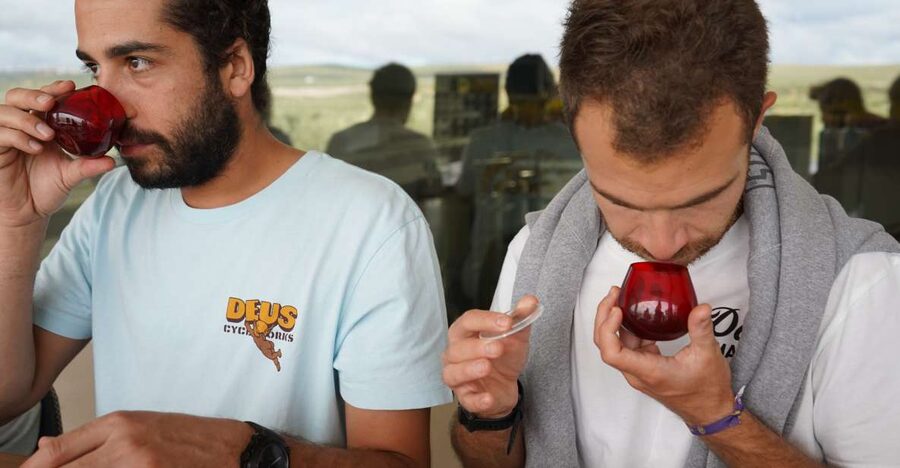
A great tasting lesson doesn’t just hand you cups. It gives you a checklist. In this class, the expert walks you through how to detect different types of olive oil using smell and taste—so your senses stop working randomly.
Here’s what becomes clearer as you go:
- Aroma clues quality: You’re guided to notice fruitiness and other scent cues rather than just swallowing quickly.
- Taste confirms what smell suggests: Smell sets the expectation, and taste either matches it or surprises you.
- Finish tells you more than first sip: The lingering flavor helps you judge intensity and character.
If you’ve ever tried olive oil in a shop and felt like you couldn’t tell why one was more expensive, this is the missing piece. The class gives you a way to compare without needing technical jargon.
And yes, it’s fun. Smelling olive oil is one of those odd experiences that instantly makes you pay attention. You stop acting like you’re on autopilot.
The Aires de Jaén Lab: From Fruit to Bottle
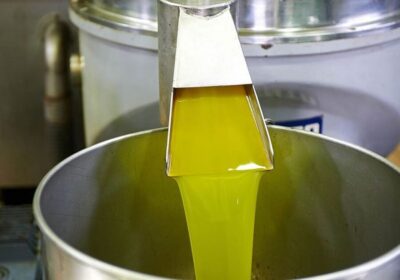
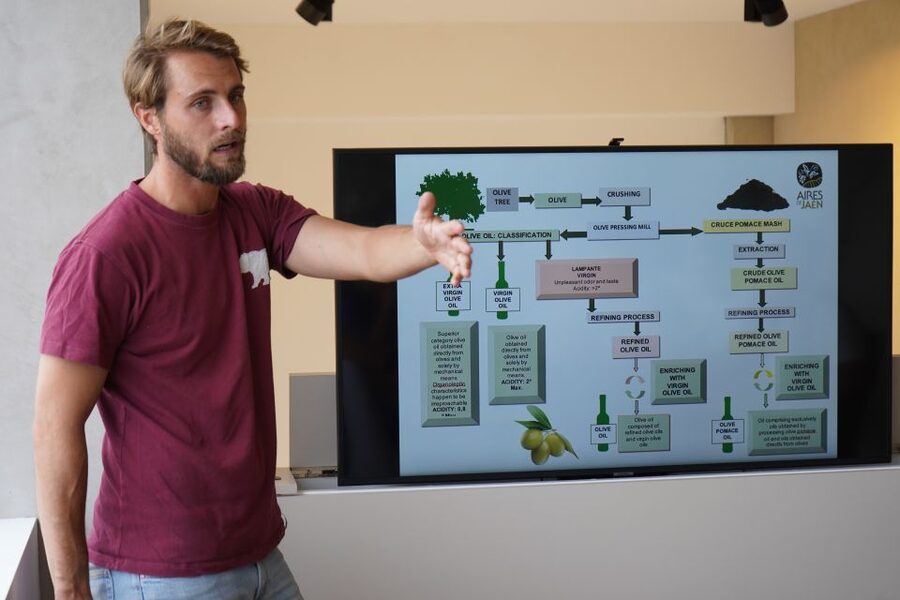
One highlight you’ll hear about is the idea of seeing how a small fruit turns into delicious oil at the Aires de Jaén Lab. Even if you’re not a science person, this part helps your tasting make sense.
You learn where the oil comes from and how the producer explains quality. That context matters because olive oil isn’t just a flavor—it’s an end product shaped by how it’s processed and handled. When you understand that the fruit becomes the oil through a real workflow, the tasting stops feeling abstract.
There’s also a specific mention from an attendee that the person leading the tasting and talk is responsible for the lab. That suggests the explanation you get isn’t only theory. It’s tied to the daily work of making and evaluating the oils.
What Makes the Expert Guidance Worth It

Plenty of tastings happen. Not all of them teach you anything you can use later.
What stands out here is that the expert doesn’t just hand you a cup and walk away. They explain how to tell differences between qualities and then you test those ideas immediately. That back-and-forth is how learning sticks.
You’ll also get the chance to answer questions along the way. One of the best reviews notes that the guide asked them questions and stayed interactive. That’s exactly how you get real value out of a short class: you participate, you compare, and you adjust your palate as you learn.
If you’re the type who enjoys food education—especially for ingredients you’ll actually cook with—this format fits you well.
Food and Wine Pairing Tips You Can Reuse
One of the included promises is pairing advice, and it shows up in the way the tasting is taught. The expert shares tips on best pairings for the oils you sample.
You won’t get a complicated restaurant menu. Instead, you’ll get practical ideas you can apply back home or on your trip—like:
- matching more delicate oils with simpler dishes,
- using stronger oils where you want a bolder punch,
- and thinking about wine as part of the overall balance.
The real value is learning the logic behind pairings. Once you understand how the oils behave on the palate, you can choose pairings without guessing.
Price and Value: Is $14 Worth It?
At $14 per person for a 1-hour session, this class sits in the “good value” zone, mainly because it includes guided tasting rather than only a quick sample.
Here’s how I think about value with tours like this:
- You pay for time with an expert.
- You get multiple oils to compare.
- You leave with a method you can use again.
If you just want to taste one oil quickly, you could do that in shops. But if you want the difference between soft oil, premium extra virgin, and top-quality EVOO Temprano to actually click in your head, this format is the efficient way to do it.
Also, the reviews rate it very highly, with a perfect score based on nine verified bookings. That’s a decent signal that the teaching quality matches the price.
Who This Olive Oil Class Suits Best
This experience fits best if you fall into one of these groups:
- You love food details and want a short, useful course.
- You want a “real experience” that’s still easy to fit into a day.
- You’re buying olive oil and want to avoid random picks.
- You enjoy tasting activities where you learn how to taste, not just what to taste.
It may be less ideal if you’re only looking for a scenic sightseeing stop or you’re expecting a long farm visit. The session focuses on Aires de Jaén and tasting, not on a full day excursion.
What’s Included (and What You Should Plan On Your Own)
The class includes a tasting guide and the olive oil tasting session itself. That’s it—no food, no drinks.
That matters because olive oil taste tests can make you want a proper meal soon after, especially if you’re sampling multiple oils. If you’re hungry, plan to eat before or after, and consider finding something nearby after the session.
Also, because food and drinks aren’t included, you have more freedom to choose what you want to pair later. Use what you learned and match it to what you’re actually eating.
Practical Tips Before You Go
Bring a curious mindset and slow down. Olive oil tasting works best when you don’t rush to the next sample.
A couple more practical thoughts:
- Wear something comfortable. You’ll be standing and focusing at tasting stations.
- Have a couple questions ready. The short time flies, and the expert can answer what matters to you.
And if you’re attending in English, you’re not stuck guessing. The class is offered in Spanish and English.
Should You Book Jaén’s Aires de Jaén Olive Oil Tasting Class?
I’d book it if you want a compact, high-impact food lesson. For $14 and about an hour, you get structured tasting with an expert who helps you compare qualities and learn smell-and-taste cues you can reuse.
Skip it if you’re expecting a full farm tour with a meal included. This is a tasting class at Aires de Jaén, designed to teach you something specific—not to fill your stomach for the day.
If you’re in Jaén and you care about food quality, you’ll come away with a better palate and more confident buying. That’s the kind of souvenir worth keeping.
FAQ
How long is the olive oil tasting class?
The class lasts 1 hour.
Where do I meet for the experience?
You meet at Aires de Jaén.
What is the price per person?
The price is $14 per person.
What languages are available during the class?
The instructor speaks Spanish and English.
What’s included in the ticket?
The ticket includes a tasting guide and the olive oil tasting session.
Are food or drinks included?
No. Food and drinks are not included.
Is the experience wheelchair accessible?
Yes, it is wheelchair accessible.
Can I cancel, and what’s the cutoff?
You can cancel up to 24 hours in advance for a full refund.