REVIEW · NEGRAR DI VALPOLICELLA
THE TRADITIONS OF VALPOLICELLA: WINE, EXTRA VIRGIN OLIVE OIL, AND HONEY TASTING
Book on GetYourGuide →Operated by La Dama S.S.A. · Bookable on GetYourGuide
Valpolicella has a way of making wine feel personal. This short tour ties together vineyard work, winemaking, and a proper tasting, all in about two hours. You get the why behind the glass, not just a list of names.
I especially like the flow: you walk the vineyards, hear how the grapes are farmed with an organic focus, then you end in the cellar where aging actually happens. I also love the tasting format, with five traditional red wines paired with local products like cold cuts and cheeses, plus the olive-oil-and-honey flavors the tour is built around.
One possible drawback: transfers aren’t included, so you’ll want to plan how you’ll get there without rushing. Also, it’s a tasting-centric experience, so if you’re looking for a long seated meal, this won’t stretch that far.
In This Review
- Key things I’d plan around
- Why Valpolicella Traditions Fit So Well in 2 Hours
- Starting in the Vineyards: Organic Farming and Grape Steps You Can Visualize
- From Harvest to Winemaking Rooms: How Traditions Become Wine
- Barrel Cellar Time: Where Aging Adds Meaning
- The Tasting Table: 5 Traditional Reds Plus Local Bites, Olive Oil, and Honey
- Value Check: Is $47 Worth It?
- Who This Tour Is Best For (and Who Might Want More)
- Should You Book This Valpolicella Wine, Olive Oil, and Honey Tasting?
- FAQ
- How long is the tour?
- What’s included in the price?
- Which languages is the guide available in?
- Do I need to tell the provider about allergies or dietary needs?
- Is the tour wheelchair accessible?
- Can I cancel if my plans change?
Key things I’d plan around
- Vineyard walk first, so wine talk makes sense before you sit down
- Organic farming focus, with explanations of grape production steps
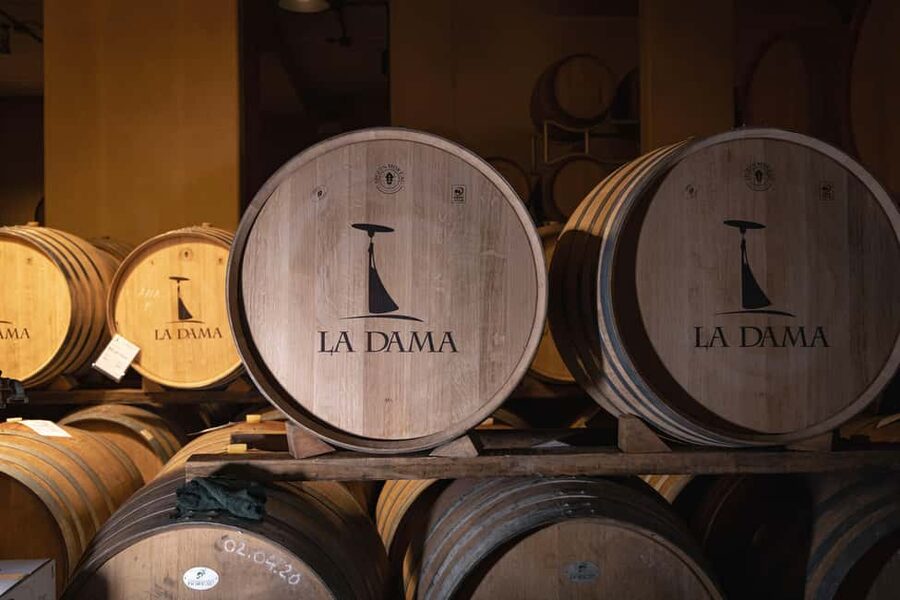
- Cellar time, including the barrel cellar where aging happens
- A tasting of 5 traditional red wines, paired with local bites
- Local flavors beyond wine like extra virgin olive oil and honey woven into the tasting experience
- Small, guide-led pacing with English and Italian support
Why Valpolicella Traditions Fit So Well in 2 Hours
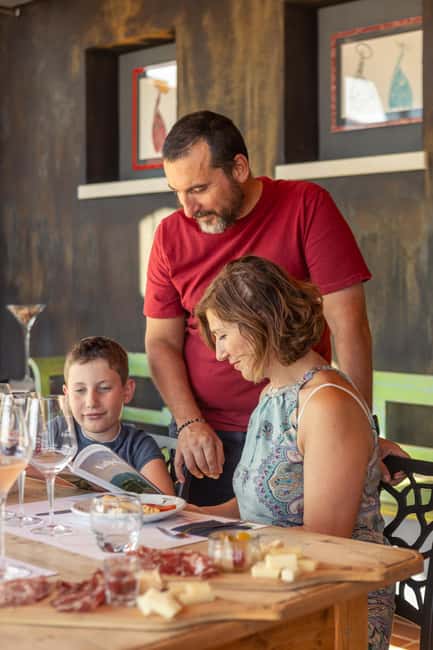
This is the kind of tour that respects your time. At $47 per person for a 2-hour experience, you’re paying for concentrated access: vineyards, winery rooms, barrel cellar, and then a multi-wine tasting paired with local food. It’s not trying to be a full-day wine pilgrimage. It’s designed to get you from “where the grapes grow” to “what it tastes like” without padding.
The real win here is how the stops build on each other. You start with the land, move into the production story, then finish with the glass. That order matters because Valpolicella wines can feel abstract if you only hear the marketing version. Seeing where the grapes are grown (even on a simple vineyard walk) gives you a mental picture that makes the tasting more meaningful.
And the tone from recent feedback is consistent: the hosts are friendly, and you can tell they enjoy what they do. That matters more than people think. A good guide turns a tasting into an education you can actually remember.
Starting in the Vineyards: Organic Farming and Grape Steps You Can Visualize
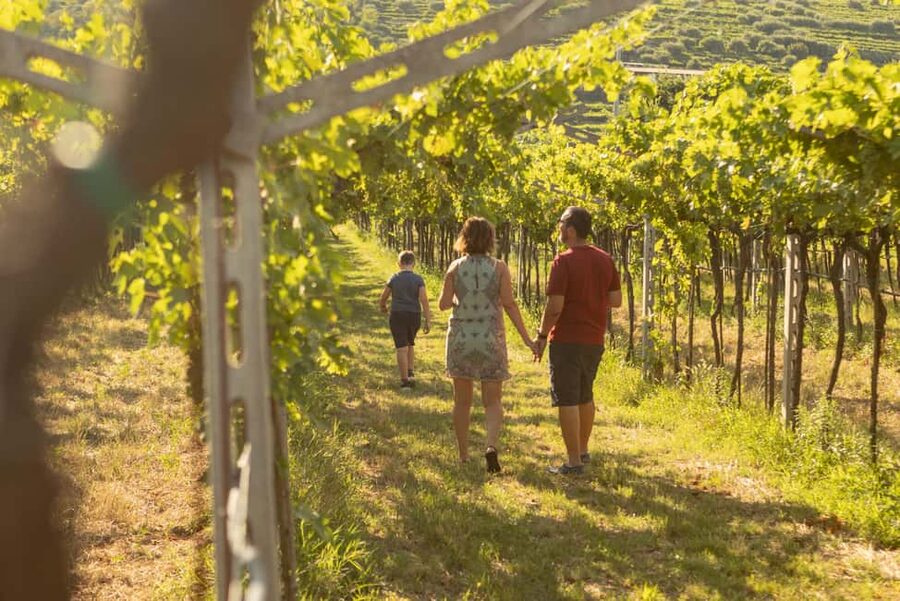
The tour kicks off with a walk through the vineyards. Even if you’re not a plant expert, this part helps you connect the dots. You’ll get an explanation of Valpolicella wine-making traditions, then the guide walks you through the main steps in grape production. The tour also includes a nod to organic farming, so you hear how growing choices connect to the final wine style.
Here’s what I think you’ll appreciate most: the guide doesn’t just say grapes are important. You get a sense of what happens before the cellar. Harvest and grape handling are part of the story, which is exactly where a lot of wine explanations go vague. If you’ve ever tasted wine and thought, I like it, but I have no clue how it got there, this vineyard start helps.
Practical note: vineyard paths can be uneven. Wear shoes you’re comfortable walking in, especially if you’re visiting during a humid or late-season stretch. You don’t need hiking boots, but you do want steady footing.
From Harvest to Winemaking Rooms: How Traditions Become Wine
After the vineyard walk, the tour shifts to the winemaking side. You’ll learn about the harvest, then head to the winemaking rooms. This is where the explanations usually start feeling more concrete, because you’re moving from farming to the production steps that shape structure, aroma, and balance.
You can think of this section as the bridge between what the land does and what your glass delivers. Valpolicella traditions are built on grape quality and careful handling, so hearing how the grapes move into the process helps you understand why different wines taste different. If you’re the type who likes to ask questions, this is the moment to do it. The best tours are the ones where you’re not afraid to raise a curious eyebrow.
This is also where the organic focus can pay off in your tasting. Even if you can’t test grapes on-site, listening to the farming approach gives you a frame for what to notice later: texture, freshness, and how the wine feels rather than only how it smells.
Barrel Cellar Time: Where Aging Adds Meaning
The tour wraps with a visit to the barrel cellar, where wines are aged. This stop matters because aging isn’t just a timeline. It affects how the wine matures, how flavors integrate, and how the finished red tastes on the palate.
In a lot of wine tours, the cellar feels like a quick photo opportunity. Here, it’s part of the logic of the route: you learn the production basics, then you see where maturation happens. That order helps you make sense of what you later taste across five different red wines.
If you like sensory details, pay attention here. Even if the guide doesn’t turn it into a chemistry lecture, you’ll likely pick up cues on what aging aims to change. Then when you sit down for the tasting, you’ll have a hook for your memory.
The Tasting Table: 5 Traditional Reds Plus Local Bites, Olive Oil, and Honey
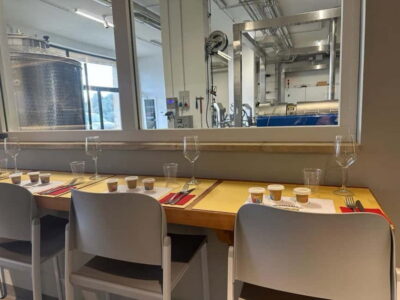
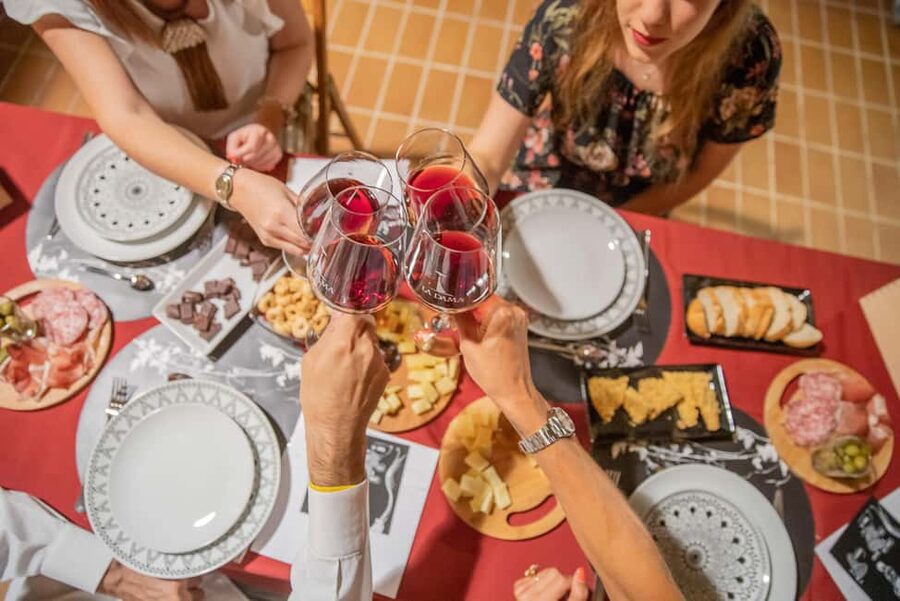
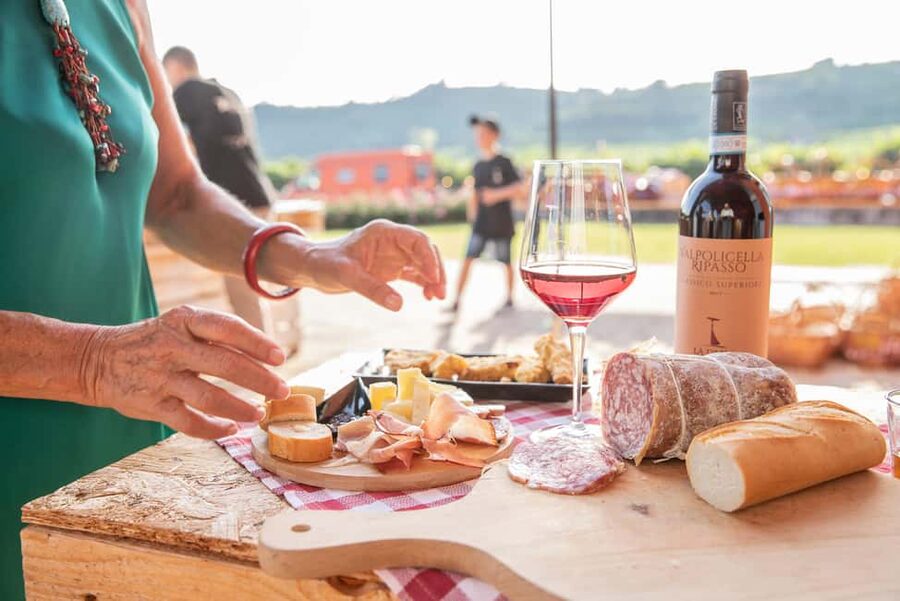
The tasting is the heart of the experience. After the tour, you’ll sit down for a tasting of five traditional red wines, paired with cold cuts, cheeses, and other typical local products.
This pairing approach is practical, not fancy. Food helps you notice the wine’s structure. Cheese brings out texture and fat, cold cuts add salt and savor, and the overall spread gives your palate something to balance against each pour. It also keeps the tasting lively rather than feeling like you’re working through a textbook.
Now, about the olive oil and honey: the experience is branded around these local staples, so expect those flavors to be part of what you sample alongside the wine. Even when you’re there mainly for red wine, these region-specific tastes help you understand the broader “food culture” of Valpolicella. Olive oil brings that unmistakable, green-fruity edge. Honey adds sweetness and floral notes that can shift how you perceive acidity and fruit.
One fun detail from recent feedback: a private group finished by ordering sparkling rosé at the end, which suggests the experience can flex a bit if you want to extend the evening beyond the included pours. Don’t assume it’s guaranteed, but it’s a clue that the winery experience doesn’t have to be strictly limited to the standard set.
Taste-smart tip: go in with a plan for your palate. Take small sips, then reset with a bite of food between wines. If you try one wine after another back-to-back, it becomes harder to compare. The pairing helps, but your rhythm helps more.
Value Check: Is $47 Worth It?
Let’s talk value in plain terms. At $47 per person for 2 hours, you’re paying for more than wine. You’re paying for access and context: vineyard time, winery rooms, a barrel cellar visit, and a multi-wine tasting paired with local bites.
If you’ve done wine tastings where you pay for a handful of pours and a rushed explanation, this feels more complete. The structure here matters: you learn the steps (including an organic farming angle), then you taste wines that are the result of those choices. That’s why it lands well for people who want both food and wine without turning the day into a long haul.
The main cost caveat is logistics. Transfers aren’t included, so your total cost depends on how you’ll get there. If you’re already based nearby or have a simple ride option, the price feels straightforward. If you’d need a long taxi or multiple hops, factor that in before you book.
Who This Tour Is Best For (and Who Might Want More)
This fits best if you want an authentic, guide-led experience without overcommitting your day. It’s ideal for:
- Wine lovers who also care about local food pairings
- People who want a clear explanation of production steps, not just tasting notes
- Travelers who like short, structured tours with a start-to-finish storyline
It might be less ideal if:
- You want a long, sit-down meal or full-day wine circuit
- You’re not interested in learning the basics of grape and winemaking steps
- You’ll struggle with getting to the winery without included transfers
From the reviews, the standout emotional factor is warmth. People described the hosts as kind and genuinely into what they do, which makes a difference when you’re standing in vineyards and then tasting in a cellar setting.
Should You Book This Valpolicella Wine, Olive Oil, and Honey Tasting?
Yes—if you like your wine experiences practical and human. Book it if you want a guided walk through the vines, an organic-focused explanation of grape production, a cellar visit, and then a real tasting with food. The 2-hour timing is also a big plus when you don’t want your itinerary swallowed by wine logistics.
I’d especially recommend it for first-time visitors to Valpolicella. You’ll leave with a better understanding of why these wines taste the way they do, plus the added comfort of familiar local flavors like cheeses, cold cuts, extra virgin olive oil, and honey.
If you hate tight schedules or you need lots of transportation help, plan the ride first. Then you can relax and enjoy the point of the tour: turning tradition into something you can taste.
FAQ
How long is the tour?
It lasts 2 hours.
What’s included in the price?
You get a vineyard walk, a winery visit, a tasting of 5 organic red wines, and pairing with local products such as cold cuts, cheeses, and other typical foods. Transfers are not included.
Which languages is the guide available in?
The live guide offers English and Italian.
Do I need to tell the provider about allergies or dietary needs?
Yes. You should let them know about any allergies or intolerances (like gluten or lactose) and any special needs (such as vegetarian or vegan), so they can find alternatives.
Is the tour wheelchair accessible?
Yes, it’s listed as wheelchair accessible.
Can I cancel if my plans change?
You can cancel up to 24 hours in advance for a full refund.