REVIEW · PELOPONNESE
Kalamata- Olive oil & Wine Tour with traditional lunch
Book on Viator →Operated by The Olive Routes · Bookable on Viator
That first olive grove view is hard to forget.
This half-day puts Kalamata olive oil and Greek wine into context with visits to Androusa’s mills and a winery, plus tutored tastings and a sit-down lunch. I especially like the mix of hands-on olive oil tasting with a food-pairing workshop, and then the lunch that actually matches what you’ve been learning. The main thing to consider is logistics: you’ll need to get yourself to the meeting point, and the tour needs good weather to run smoothly.
You start in Androusa (between Kalamata and Messene) at a castle with big views over Messinia’s olive country, then move through modern and traditional processing so you can tell extra virgin quality from the glass and the story. Group size is kept small in spirit (advertised up to 12) and capped at 16 in practice, so the tasting feels guided rather than rushed.
In This Review
- Key highlights I’d circle before you book
- Why Androusa is the smart base for Kalamata olives and wine
- The 10:00am start at Androusa Castle (views first, lessons second)
- Olive routes through Androusa: groves, harvest roots, and what the olive story means
- Modern olive mill + the 1904 mill: extraction and why quality depends on process
- The hands-on tasting workshop with a certified olive oil sommelier
- Greek mezedes and olive oil pairings: small plates, big clarity
- Wine tasting at a local winery: at least three Greek wines with notes you can use
- The traditional lunch: garden salads, Kagianas, smoked pork, and dessert
- Price and value: what $108.84 buys you (and what it doesn’t)
- Group size, energy, and the guides who keep it friendly
- Quick practical tips before you go
- Who should book this Kalamata olive oil and wine tour?
- Should you book it?
- FAQ
- What is the duration of the Kalamata olive oil & wine tour?
- How much does it cost per person?
- Where does the tour start and end?
- What time does the tour begin?
- Is transportation from my hotel included?
- What language is the tour offered in?
- What’s included in the price?
- Do I need good weather for the tour?
- What is the cancellation policy?
Key highlights I’d circle before you book
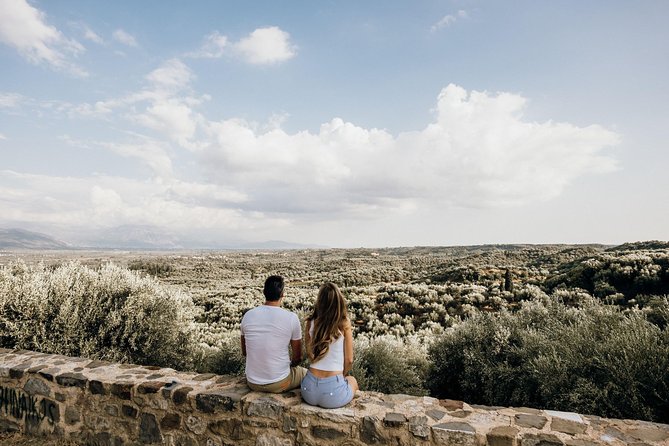
- Castle views at the start: you begin at the 13th-century Castle of Androusa, overlooking endless olive groves of Messinia.
- Two kinds of olive mills: a modern olive oil mill plus a traditional mill dating to 1904.
- A certified olive oil sommelier workshop: you taste different olive varieties and learn what signals true extra virgin.
- Meze-style pairings: olive oil and food pairing with Greek mezedes, not just plain samples.
- At least three wine tastings: a guided tasting of Greek wine varieties with tutored notes on aromas and flavors.
- A real traditional lunch: multiple local dishes, local wine, and dessert, served as a full meal.
Why Androusa is the smart base for Kalamata olives and wine
Androusa sits in the olive-growing heart of Messinia, so it’s not just a stop on a route—it’s a place where olive culture feels practical and lived-in. You get myths and traditions tied to the landscape, but the day stays hands-on: how olives are grown, harvested, pressed, stored, and then served with local food.
This kind of tour works best when the food and drinks aren’t random extras. Here, tastings connect to the production process you see—so olive oil doesn’t stay a label. It becomes something you can recognize by taste, texture, and balance.
And yes, you’ll still get the pleasure side: olive groves, village streets, and the kind of scenery that makes you slow down without being forced to.
You can also read our reviews of more tours and experiences in Peloponnese.
The 10:00am start at Androusa Castle (views first, lessons second)
The tour meets at the 13th-century Castle of Androusa. It’s a strong opener because you’re immediately above the olive country, with views over Messinia that give you perspective on why this region produces world-famous oil.
From the start, the guide frames the day with history and tradition—plus the practical side of what you’ll see. Expect a walking rhythm as you move between stops, so wear shoes that won’t complain after a few hours outdoors.
If you’re the type who likes your tours organized, this one starts clean: the pace is built around tasting windows. That means you’re not just collecting photos—you’re collecting context.
Olive routes through Androusa: groves, harvest roots, and what the olive story means
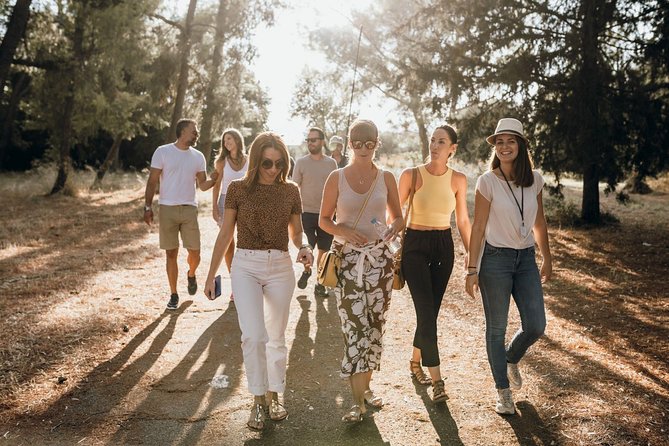
One of the best parts is the walking and story-building between production stops. You’ll learn about olive cultivation in Androusa—between Kalamata and Messene—and you’ll hear the deeper roots of the area’s olive-growing tradition, including myths and local history.
This matters because Kalamata olives and Kalamata olive oil are more than a brand. The flavor comes from the plant, the timing, and how the fruit is handled. When you later taste oil side by side, you’ll understand why “good oil” isn’t the same thing as “strongly flavored” or “fresh tasting” in a vague way.
A practical note: because this is a food-and-drink day, you’ll want to pay attention early. The most memorable tastings often come after you’ve been taught what to look for.
Modern olive mill + the 1904 mill: extraction and why quality depends on process
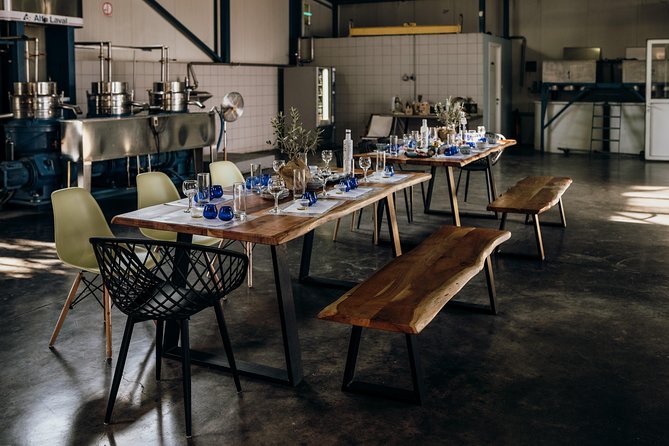
You’ll visit a modern olive oil mill in Androusa Village. That stop is all about the practical chain: how extraction happens and how oil is stored—plus the key quality characteristics that separate everyday oil from extra virgin you actually want to buy and cook with.
Then you go back in time at a traditional olive mill established in 1904. It’s not just a museum moment; it’s a chance to compare how the area’s olive tradition evolved while the goal stayed the same: get quality oil from fruit at the right moment.
Here’s what I think makes this combo valuable: you’re not only learning definitions. You’re seeing why those definitions exist. When a guide talks about extra virgin standards, it’s easier to connect that to real choices made in the mill—like how the oil is handled after pressing.
The hands-on tasting workshop with a certified olive oil sommelier
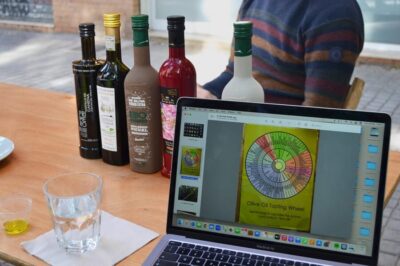
This is where the tour turns from “interesting” into genuinely useful. You’ll participate in a tasting and food-pairing workshop led by a certified olive oil sommelier.
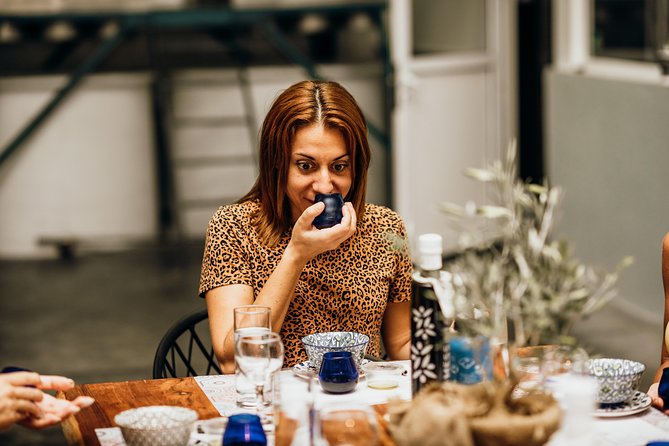
You’ll taste different olive varieties and learn what defines extra virgin olive oil—so you can move beyond tasting like a foodie and start tasting like a person who can describe what they’re sensing. You’ll also get pairing ideas, which is the secret to making olive oil feel like part of a meal rather than a standalone drink.
Pairings also help you understand olive oil’s range. It’s not always mild. You can taste peppery notes, fruitiness, and bitterness in a structured way, instead of guessing.
If you like learning through food, this workshop is worth the ticket price by itself.
Greek mezedes and olive oil pairings: small plates, big clarity
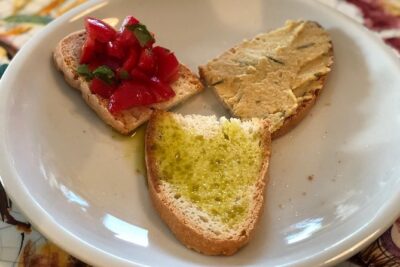
The tour includes tutored tastings of Greek meze (tapas), olive oil, and wine. That “small dishes” format is smart. It keeps you from feeling stuffed too early, and it lets you focus on how each taste changes with different combinations.
In practice, you’ll get examples of how olive oil works with familiar Greek flavors—salads, cheeses, spreads, and vegetables—so you can bring the idea home even if you can’t reproduce the exact dishes.
One of the most practical things you can do during a pairing session: pay attention to which olive oil you like with which bite, not just which one is strongest. That simple habit makes your later lunch taste better, because you’re already tuned in.
Wine tasting at a local winery: at least three Greek wines with notes you can use
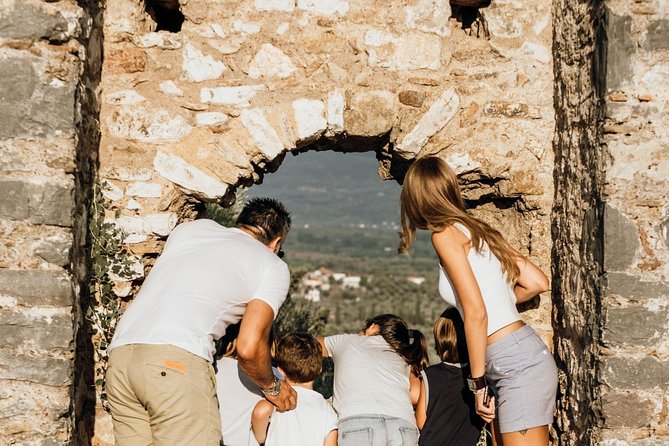
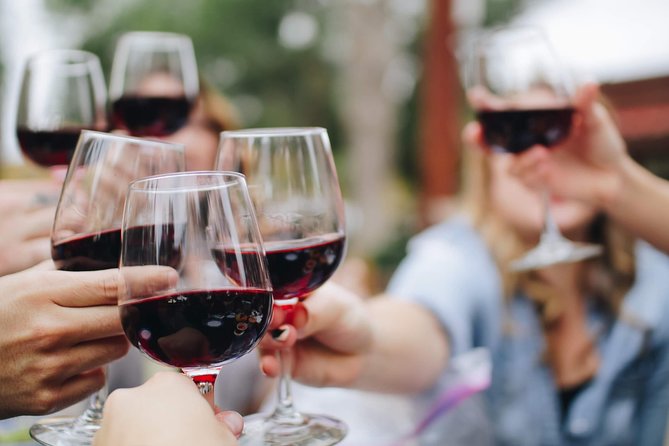
After olive oil, the day shifts to wine. You’ll visit a local winery where you can observe production of Greek wine varieties, then enjoy a guided tasting of at least three wines.
The guide will walk you through aromas and flavors, which matters because wine tasting can become either intimidating or pointless. Here, the goal is recognition: what you’re smelling, what you’re tasting, and how to describe it without pretending you’re on a sommelier show.
A small bonus: I saw one set of experiences mention a wine tasting at Psaroulis Winery. Don’t count on a specific venue every time, but it’s a reminder that the winery stop can be a real-world working place, not just a storefront.
Also, bring a bit of spending money if you like what you taste. One simple tip from past participants: keep some cash on hand in case you want to buy bottles you love.
The traditional lunch: garden salads, Kagianas, smoked pork, and dessert
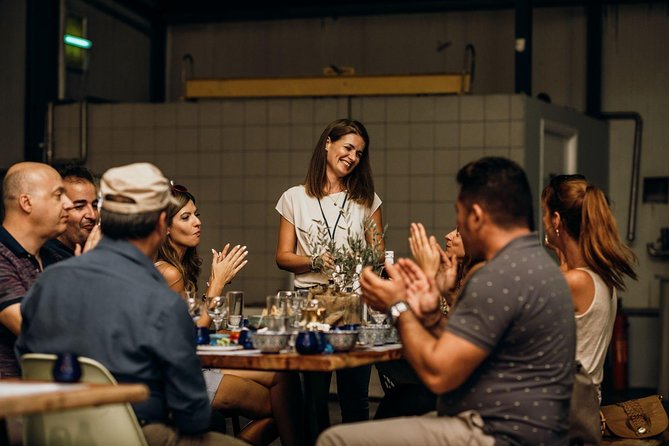
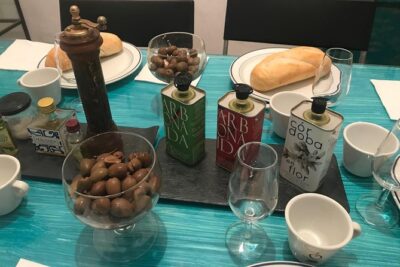
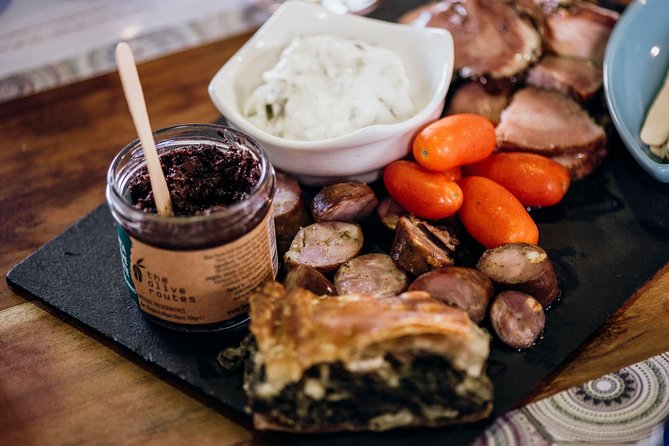
The lunch is served as a proper meal, not a snack, and it’s built around local specialties and flavors you can connect to the earlier tastings. You’ll get fresh vegetables from the garden, tzatziki, feta, and Greek Gruyère-style cheese, plus Kalamata olive tapenade and Kalamata olives.
Expect a mix like:
- Kagianas (eggs and tomatoes)
- traditional smoked pork and sausage
- a local pie with fresh-made phyllo dough
- Lalagia (fried bread sticks) with olive marmelade
- dessert such as halvas or yogurt with fruits
This menu is a big reason the experience feels like value. You’re paying for a full guided morning plus a full sit-down lunch with local wine and dessert.
And the “food pairing” theme doesn’t disappear at lunch. You can usually taste which oil or wine direction the day is pointing you toward.
One thing to plan for: if you have dietary restrictions, the details in the menu are specific. You’ll want to check in ahead of time so you’re not stuck making do.
Price and value: what $108.84 buys you (and what it doesn’t)
At $108.84 per person for about 4 hours, you’re paying for a lot of moving parts: guided visits (olive mill and winery), a tutored olive oil tasting and workshop, food-pairing with mezedes, and a full lunch with local wine and dessert.
What’s not included is transport from your hotel. So the true “cost” depends on how easy it is for you to reach the meeting point near the Castle of Androusa.
If you already planned to eat lunch anyway, this tour becomes more about guided access and tastings than about just meals. Where it shines is that you’re getting both production education and the table outcome—so it’s not only taste, it’s also how taste is made.
Group size, energy, and the guides who keep it friendly
This is designed to feel small-group. The day is described as no larger than 12, and the practical cap is up to 16. Either way, the format supports interaction, not a lecture.
Past guides you might hear named include Athanasia, Dimitra/Dimitria, and Georgia—and the vibe is consistent: upbeat, personable, and clearly passionate about olive oil and wine. That matters because olive oil and wine can become jargon fast. A good guide keeps it human.
Expect lots of “try this, notice that” moments. It’s not a silent stroll. It’s a conversation.
Quick practical tips before you go
- Wear comfortable walking shoes. You’re moving between castle viewpoints, village stops, and mills.
- Bring a little cash if you want to buy bottles of wine you taste (some places may accept card, but cash is a safe backup).
- Go with the weather. The experience requires good weather, and if it gets canceled for poor weather you’ll be offered another date or a refund.
- Eat light earlier. Lunch is substantial and includes multiple dishes, plus dessert.
- Bring an appetite for learning. The best moments come when you’re curious about why something tastes the way it does.
Who should book this Kalamata olive oil and wine tour?
I’d book this if you want a hands-on food and drink experience tied to production, not just tasting in a room. It’s a great fit for people who like to ask questions, enjoy olive oil variety, and want lunch to feel like part of the story.
It also works well for different ages because it’s short (about 4 hours) and the key activities are guided tastings and meals. If you’re looking for a beach-style half day or a purely scenic drive, this might feel more food-focused than you want.
If you hate crowds, the small group size is a plus. If you need zero walking, you might want to reconsider since you’ll move between stops.
Should you book it?
Yes, if you want a focused Kalamata experience built around olive oil education, wine tasting of Greek varieties, and a real traditional lunch. The value comes from the combination: mills + workshop + mezedes + winery tasting + sit-down food, all in one smooth half day.
Hold off if you can’t easily reach the meeting point on your own, or if weather conditions are unreliable during your dates. In that case, the weather requirement could squeeze your plans.
If you’re trying to choose between just wine tasting and just olive oil, this is the better “both” option—because you’ll understand what you’re tasting, and then you’ll eat it the right way.
FAQ
What is the duration of the Kalamata olive oil & wine tour?
The tour lasts about 4 hours.
How much does it cost per person?
It costs $108.84 per person.
Where does the tour start and end?
It starts at the address near the Castle of Androusa: Epar.Od. Ellinoklissias-Androusa 26, Androusa 240 13, Greece. It ends back at the same meeting point.
What time does the tour begin?
The start time is 10:00am.
Is transportation from my hotel included?
No. Transport from/to your hotel is not included.
What language is the tour offered in?
The tour is offered in English.
What’s included in the price?
Guided visits and demonstrations (olive mill and winery), olive oil tasting and a wine workshop, mezedes and food pairing with olive oil, and lunch with local wine and dessert.
Do I need good weather for the tour?
Yes. The experience requires good weather. If it’s canceled due to poor weather, you’ll be offered a different date or a full refund.
What is the cancellation policy?
You can cancel for free up to 24 hours in advance for a full refund. If you cancel less than 24 hours before the start time, the amount paid is not refunded.