REVIEW · PELOPONNESE
Olive oil Mill Visit & Olive oil tasting Experience
Book on Viator →Operated by The Olive Routes · Bookable on Viator
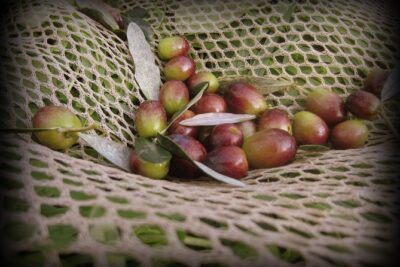
Olive oil tasting starts with a castle. In Androusa, Messinia, this tour moves from a 13th-century setting to a longtime olive museum and a modern mill, then finishes with a hands-on workshop where you learn to taste extra virgin olive oil with an expert guide. You’re not just eating; you’re getting a clear map of how the region’s olives become the oils on your table.
I especially like the small-group feel (maximum 16) and the fact that the tasting is led by an olive oil expert, so you get real explanations while you taste. I also love that you cover both sides of olive culture: traditional heritage at the village museum and the practical process at the modern mill.
The main thing to keep in mind is that with the timeboxed format (about 1 hour 30 minutes), you may not get every extra detail some people hope for, like seeing the machines in action or spending lots of time beyond the core mill stops. Also, the experience depends on good weather, so plan for a possible reschedule.
In This Review
- Key things to know before you go
- Starting in Androusa: castle views, then straight to olive country
- The traditional olive museum: 120+ years of village memory
- Modern olive oil mill visit: where extra virgin becomes real
- The olive oil tasting workshop: how to read a flavor with your senses
- Pairing olive oil with local bites, Kalamata olives, and tapenades
- Time, pace, and what fits (and what doesn’t) in 1 hour 30
- Price and value: what $54.31 buys you in Messinia
- Who should book this olive oil mill visit
- Should you book? A practical decision guide
- FAQ
- How long is the Olive Oil Mill Visit and Olive oil tasting experience?
- Is the tour offered in English?
- What’s the group size limit?
- What’s included, and what’s not included?
- Where do I meet for the tour?
- Is good weather required?
- What is the cancellation policy?
Key things to know before you go
- Meeting point at Androusa’s 13th-century castle area, right in the Messinia heartland near Kalamata and Ancient Messene.
- Traditional + modern mill visits so you see olive oil making from history and today.
- Expert-led tasting workshop focused on how to recognize extra virgin olive oil through your senses.
- Food pairing included: small bites with olive oil plus Kalamata olives and olive tapenades.
- Short, efficient timing (about 1 hour 30 minutes) with a maximum of 16 people.
Starting in Androusa: castle views, then straight to olive country
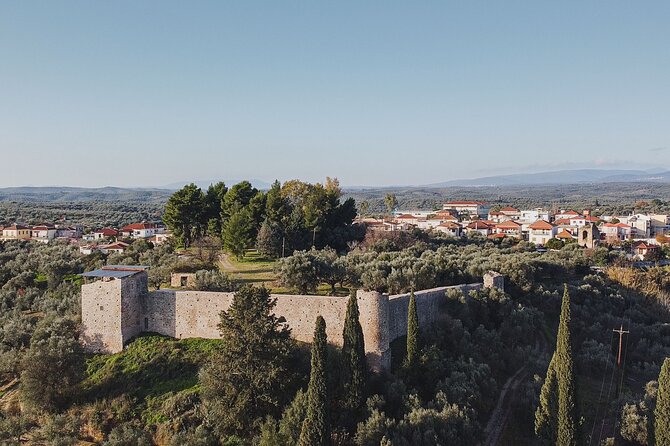
Your tour begins in Androusa, near the 13th-century castle that anchors this village. It’s a smart start for anyone who likes context. Before you even reach the oils, you get the sense that olives aren’t a side hobby here. They’re a foundation—part of daily life, family work, and local pride in Messinia.
This area is also well placed for day-trip travelers. You’re roughly 20 minutes from Kalamata and about 10 minutes from Ancient Messene, so the tour fits nicely if you’re bouncing between classic sights and food experiences. The meeting address is Epar.Od. Ellinoklissias-Androusa 29, Androusa 240 13, Greece, and the activity ends back at the meeting point.
The logistics are simple: you get a mobile ticket and the tour is offered in English. That matters because olive oil vocabulary can get technical fast—so having clear language helps you enjoy the tasting instead of just nodding along.
You can also read our reviews of more tours and experiences in Peloponnese.
The traditional olive museum: 120+ years of village memory
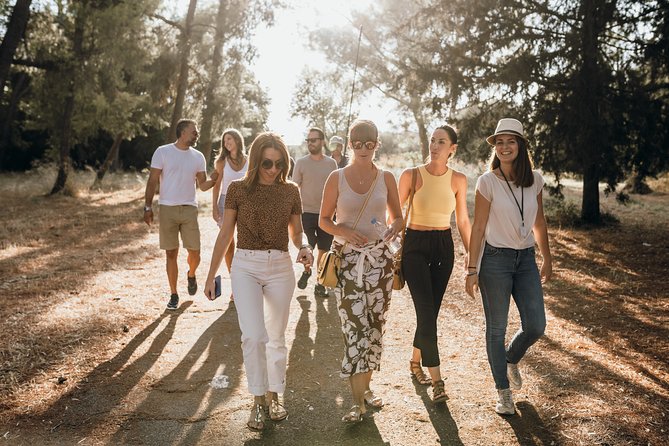
Next you head to a traditional olive museum located in the center of Androusa village. The standout detail here is longevity: it’s been in place for more than 120 years. That kind of continuity changes how you experience the topic. You’re not learning olive oil as a novelty; you’re seeing it as a craft that has been passed along inside the same community for generations.
This is also where the tour builds your foundation. You’ll learn about local olive tree varieties and what makes them part of Messinia’s identity. You’ll also hear about the stories behind the perennial olive trees—those long-lived trees that have a habit of outlasting people and still feeding them.
Why I like this stop: it gives you something to hang your tasting on later. When you later taste different oils, it’s easier to understand why one might feel more intense, more fresh, or more complex than another, because you already know what you’re working with.
Modern olive oil mill visit: where extra virgin becomes real
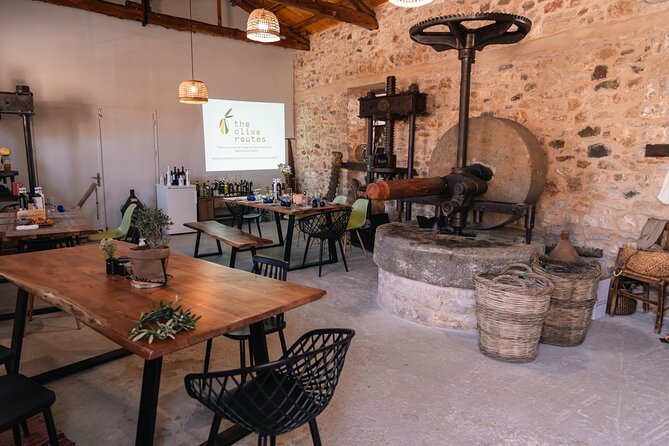
After the museum, you switch to a modern olive oil mill. This is the stage where the tour turns practical: you get to see olive oil production and learn what makes extra virgin olive oil unique.
Even if you don’t obsess over machinery, the mill visit is where the story gets grounded. Olive oil isn’t just an agricultural product—it’s timing, handling, and process. And extra virgin depends on the quality of the olives and how they’re treated through the production steps.
One consideration: this is a short tour, so you should keep expectations realistic. One review noted that they would have liked to see the machines in action, but that may depend on the time of year and milling schedule. If you’re traveling in an off-peak season, you might get a clearer overview than a fully running production floor. Either way, you’ll still come away with a better mental model for what you’re tasting.
The olive oil tasting workshop: how to read a flavor with your senses
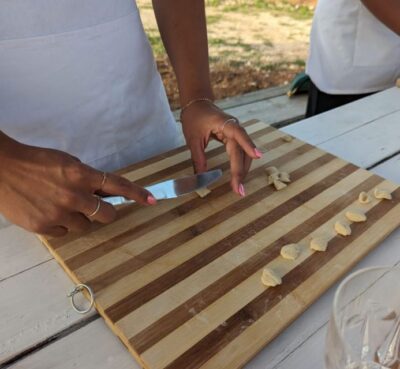
This tour’s big payoff is the tasting workshop, guided by an olive oil expert. The workshop is built around tasting different olive oil varieties and learning their organoleptic characteristics—basically, the sensory traits you notice through aroma and taste.
You also learn what elements define extra virgin olive oil. That’s the key: you’re not just sipping oils you bought later. You’re training your palate and vocabulary to understand what makes a true extra virgin different from generic olive oil or heavily processed products.
I like that the tasting isn’t treated as a party trick. It’s structured. The guide leads you through what to pay attention to, so you leave with a repeatable way to evaluate oil at home.
And because this is part of a small group (maximum 16), you can actually ask questions. That’s important here, because the learning is in the details: why certain oils taste a certain way, and how to connect those differences to what’s in the glass.
In the tour experience, you might meet different guides and hosts. Some names that come up in the local team include Athanasia, Dimitra, Calliope, Stavroula, Kalliopi, Georgia, and Demeter. The common thread is passion for the process and a clear desire to explain it in a way that makes sense.
Pairing olive oil with local bites, Kalamata olives, and tapenades
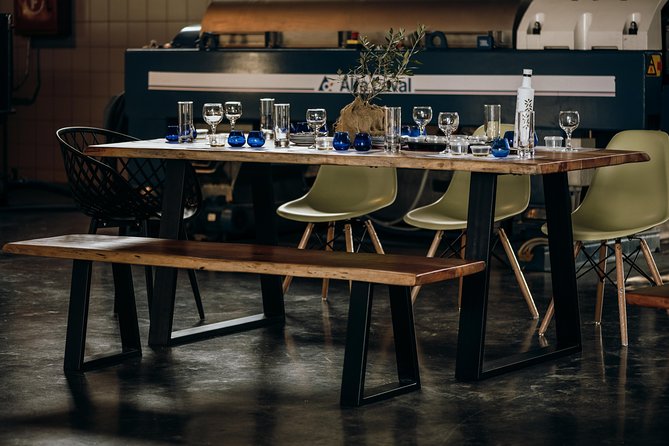
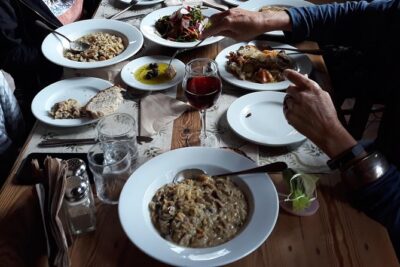
Tasting alone can feel a bit abstract. This tour solves that by pairing olive oil with local foods—small bites that help you experience how the oil changes flavor and how flavors work together.
Included in the pairing:
- bread, cheese, and vegetables
- extra virgin olive oils with the food
- tasting of Kalamata olives and olive tapenades
This part is more than snack time. It teaches you something practical: olive oil isn’t only for tasting neat. It’s for cooking and finishing, and it behaves differently depending on what it touches.
If you love regional food, you’ll enjoy how the pairing highlights Messinia’s favorites—especially Kalamata olives and tapenades. Even if you think you already know olive oil, pairing helps you understand it as a living ingredient, not just a label on a bottle.
A nice added bonus from the experience overall: you can typically purchase products on site, so if you find an oil you love, you can take it home while your tasting notes are still fresh.
Time, pace, and what fits (and what doesn’t) in 1 hour 30
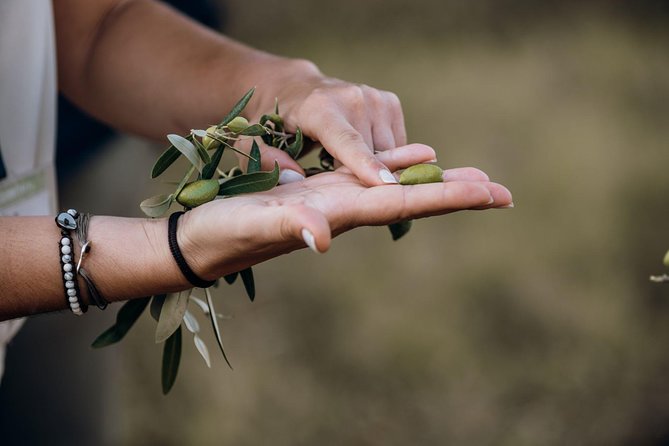
This is a compact tour—about 1 hour 30 minutes. That’s great if your day is already packed with Kalamata and Ancient Messene. It’s also great for travelers who get tired when food tours turn into half-day marathons.
A few practical implications:
- You’ll focus on core stops: museum, modern mill, tasting workshop, and food pairing.
- There’s limited time for optional add-ons. One review mentioned wanting more time at plantations and more action from the machines, but those kinds of extras often depend on season and scheduling.
- Lunch is not listed as included. You’ll get small bites paired with olive oils, which is more like structured tasting than a full meal. If you’re hungry afterward, plan accordingly.
One more note: the tour listing states there’s no air-conditioned vehicle included. That doesn’t mean you’ll be stuck outdoors the whole time, but it does mean you should dress for warm village days and be ready for some open-air walking between points.
Price and value: what $54.31 buys you in Messinia
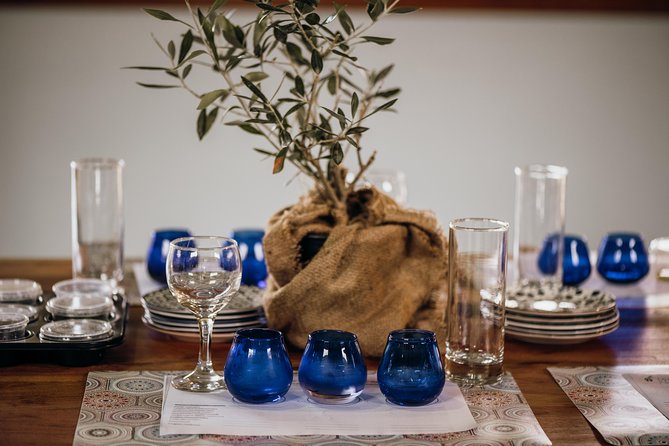
At $54.31 per person for about 1 hour 30 minutes, this isn’t a bargain snack. It is, however, strong value for what you get—especially in a region where olive oil culture is serious.
Here’s what you’re actually paying for:
- tour leader in a small group
- stops at both a traditional olive museum and mills (including the modern mill)
- an olive oil tasting workshop led by an expert
- tastings of local products like Kalamata olives and olive tapenades
- food pairings with bread, cheese, and vegetables plus extra virgin olive oils
If you’ve ever tried to learn about olive oil on your own, you know how hard it is to get the sensory training part right. Buying an oil from a store is easy. Learning what to look for—then understanding what you’re buying—takes time and guidance. This tour bundles that learning into one visit.
It’s also a popular option. On average, it’s booked about 33 days in advance, which usually means the time slots are in demand during the season.
Who should book this olive oil mill visit
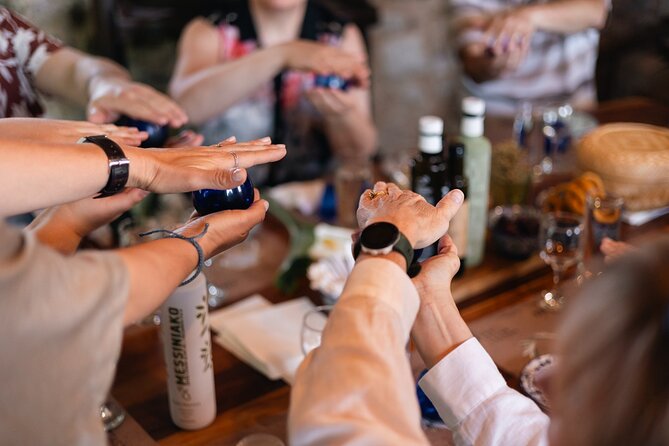
I’d book this if you fit one of these profiles:
- You want tasting education, not just sightseeing.
- You’re spending time around Kalamata and want an authentic Messinia food stop close to the classics.
- You like small-group experiences with real Q&A, since maximum group size is 16.
- You’re traveling with adults who appreciate hands-on learning, and kids who enjoy interactive games—one review mentioned an olive treasure hunt that added play to the history.
It also works for many visitors because the tour notes that most travelers can participate, and service animals are allowed.
Should you book? A practical decision guide
Book it if:
- You’re curious about how extra virgin olive oil is made and why different oils taste different.
- You want an expert-led tasting with food pairings (bread, cheese, vegetables, Kalamata olives, tapenades).
- You have about 1.5 hours and want a high-impact, not-too-long experience.
Skip or adjust expectations if:
- You’re specifically chasing a long walk through olive groves or a full view of machines in operation. With the tight timing, some details may be limited and may depend on seasonal milling activity.
- You don’t want a day shaped around tasting. This tour is very focused on the olive theme.
My best tip: come hungry enough for the pairings, and bring questions. When the tasting guide starts explaining what you should notice, that’s when you get the most out of the whole experience.
FAQ
How long is the Olive Oil Mill Visit and Olive oil tasting experience?
It runs for about 1 hour 30 minutes (approx.).
Is the tour offered in English?
Yes, it is offered in English.
What’s the group size limit?
The tour has a maximum of 16 travelers.
What’s included, and what’s not included?
Included are the tour leader in a small group, visits to the modern and traditional olive oil mills, an olive oil tasting workshop by an olive oil expert, tastings of local products like Kalamata olives and olive tapenades, and bread, cheese, and vegetables paired with extra virgin olive oils (small bites). Not included are an air-conditioned vehicle and lunch.
Where do I meet for the tour?
The meeting point is Epar.Od. Ellinoklissias-Androusa 29, Androusa 240 13, Greece, at the 13th century castle of Androusa.
Is good weather required?
Yes. The experience requires good weather. If it’s canceled due to poor weather, you’ll be offered a different date or a full refund.
What is the cancellation policy?
You can cancel for a full refund up to 24 hours before the experience’s start time. Free cancellation is available, but cancellations made less than 24 hours before start time aren’t refunded.