REVIEW · SASSARI
Olive Mill Tour with Olive Oil Tasting in Sassari
Book on GetYourGuide →Operated by Slow Travel · Bookable on GetYourGuide
Sardinia’s olive scent hits fast. This 1-hour olive mill visit near Sassari pairs a walk through centuries-old olive groves with hands-on explanations of Bosana olives, then ends with a guided tasting of three olive oils plus fresh bread and naturally salted olives. I like how the guide connects what you’re tasting to how the olives are grown and processed, and I like that you get to see the mill’s modern pressing setup up close. One thing to consider: if you visit outside harvest, you may get more explanation than live production, and sometimes you might even find fewer than three oils available for tasting.
If you’re the type who likes food that has a story, this is a good match. Wear comfortable shoes because you’ll be walking on uneven paths through olive country, and if weather makes the grove walk unsafe, that part may be shortened or skipped.
In This Review
- Key highlights at a glance
- Entering the olive world just outside Sassari
- Walking centuries-old olive groves and learning Bosana basics
- Seeing a modern pressing facility without the factory chaos
- The Bosana de-foamed olive detail (and why it affects taste)
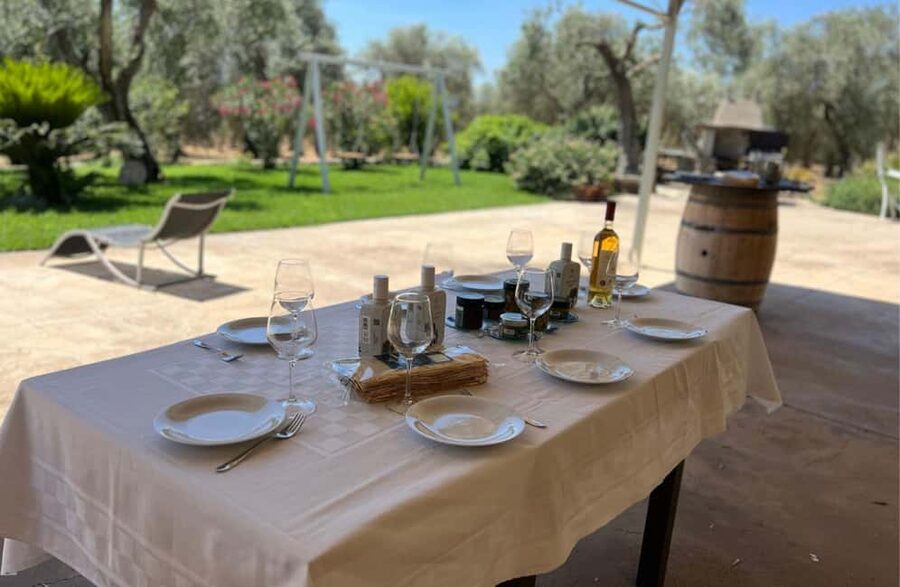
- The tasting: bread, naturally salted olives, and three oils
- Price and value: what $48 buys you in real terms
- What to wear, how to prepare, and how to get the most out of it
- Who this olive mill tour suits best
- Should you book this olive mill tour near Sassari?
- FAQ
- How long is the olive mill tour?
- What’s included in the tasting?
- Is transportation to the olive mill included?
- What languages are the live guides available in?
- Is the tour wheelchair accessible?
- Will the olive grove walk always happen?
- Can I cancel and get a full refund?
Key highlights at a glance
- Bosana olives, explained on the ground as you stroll through the trees
- State-of-the-art pressing facility with a clear view of the equipment and process
- Bosana de-foamed olive detail that helps you understand why flavors can shift
- Tasting built for comparison, with subtle differences across three oils
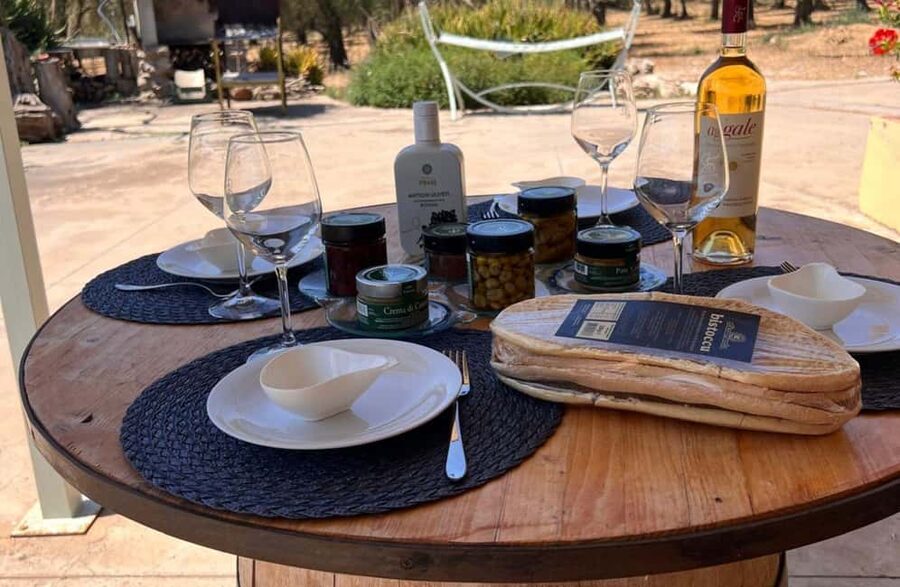
- Local pairings like fresh bread and naturally salted olives to keep everything grounded in real Sardinian eating
Entering the olive world just outside Sassari
This tour is set up to make olive oil feel less like a bottle on a shelf and more like a real product you can understand. You start with a friendly welcome from the guide, then you head out into the surrounding olive groves. The pace is relaxed enough to actually take in the place, but it’s structured—expect a guided flow rather than a casual wander.
The big practical detail is time. At about one hour, you won’t have time for a long break or a slow, stop-everywhere photo mission. Plan to arrive ready to walk, ask your questions early, and focus on tasting notes rather than trying to memorize every step of the pressing process.
Price-wise, you’re paying for two things at once: a guided visit to the mill and groves, plus a guided tasting experience. At $48 per person, that only makes sense if you genuinely care about how olive oil tastes and why it tastes that way.
Walking centuries-old olive groves and learning Bosana basics
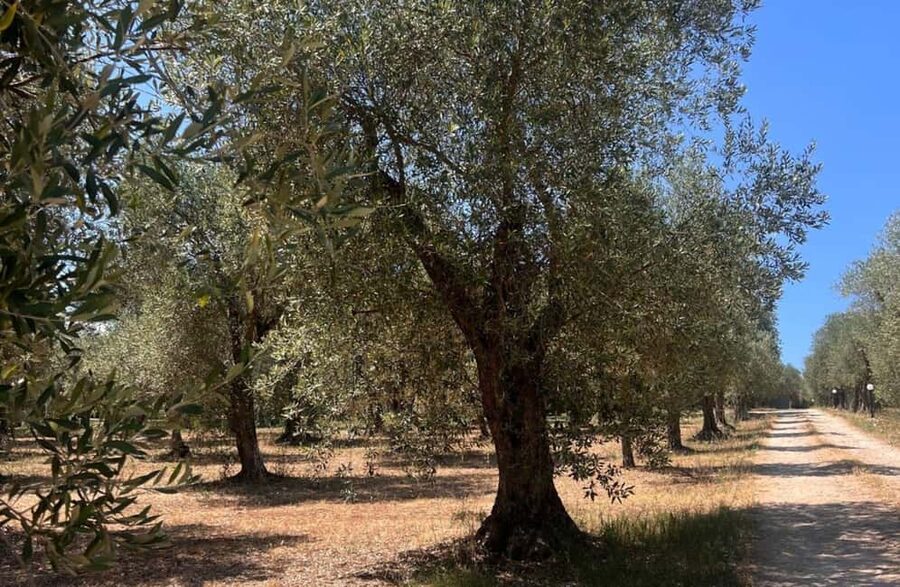
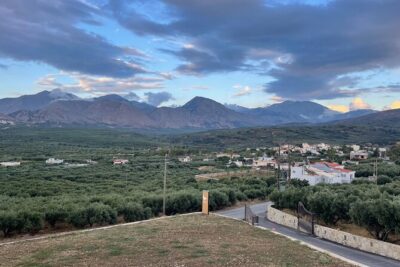
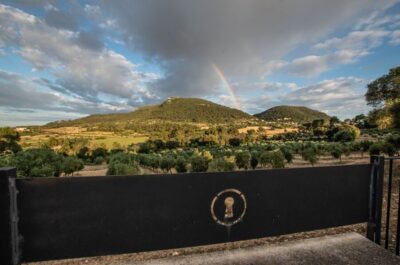
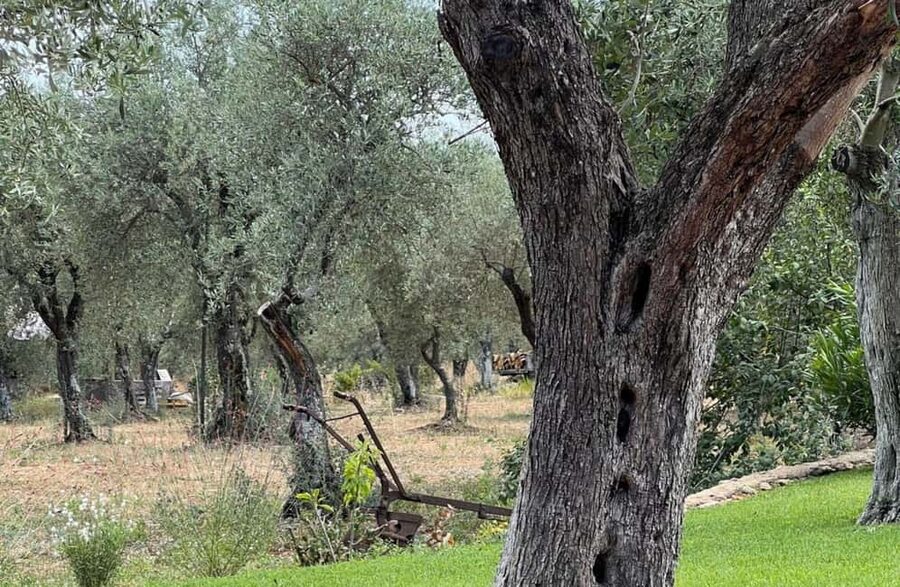
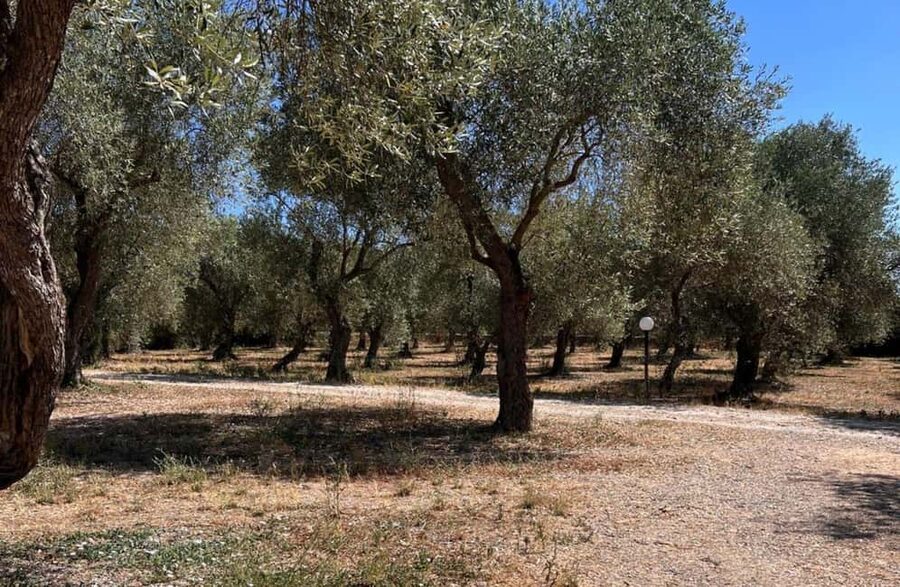
The grove walk is where the experience turns from interesting to memorable. Olive trees look similar until someone points out what to look for, and that’s exactly what happens here. As you walk, the guide shares the history and cultivation of the iconic Bosana olive variety, so you’re not tasting in a vacuum.
I like this part because it changes how you pay attention. You start looking at the landscape with a purpose: tree health, seasonal rhythms, and the way local growing practices influence the oil’s final character. It’s also a calmer counterpoint to the industrial feel of the mill later on—quiet, open air, and that slow Sardinian tempo that makes food experiences worth it.
There’s one key consideration. If you go during a period when harvesting isn’t happening, your grove visit may feel a bit more like education than the “in the middle of production” energy. That doesn’t ruin the tour, but it can affect how much you see in terms of active milling versus demonstrations and explanations.
Seeing a modern pressing facility without the factory chaos
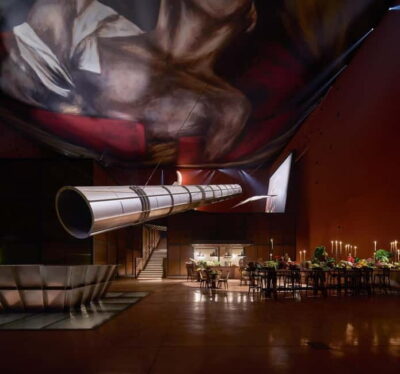
Next comes the mill itself, and this is the section that many people don’t realize they’ll love. You’re not just told about extra virgin olive oil. You see the pressing setup built to preserve quality and authenticity. Even if you’re not an olive-oil nerd, the guide keeps it understandable—what each stage does to protect flavor, freshness, and the oil’s character.
The facility is described as state-of-the-art, and you can feel the difference in how it’s presented. Instead of a messy “here’s a machine” attitude, it’s more like an organized walk-through where the guide points out what matters. Think less noise, more clarity.
One more consideration based on real-world timing: if you visit outside the crush season, you might not get the kind of live, hands-on production insights you hoped for. On those days, the tour can lean more toward clean equipment viewing and theoretical process steps. You still learn, but your expectations should shift from active production to guided understanding.
The Bosana de-foamed olive detail (and why it affects taste)
One of the more interesting parts is the mention of Bosana de-foamed olives. The tour explains what that is and what makes the oils distinctive, which matters because not all “olive oil” is experienced the same way.
Here’s the practical takeaway: processing steps can influence aroma, texture, and how the oil feels in your mouth. Two oils can both be extra virgin, yet taste different because the journey from fruit to oil isn’t identical. When a guide walks you through that, your tasting becomes more meaningful. You’re not just saying this tastes better. You’re connecting why.
This is also where I think the tour is smartest for first-timers. If you’ve never tasted oils side-by-side, the guide’s framing helps you notice differences you might otherwise miss—like how some oils feel smoother and others show more bite.
The tasting: bread, naturally salted olives, and three oils
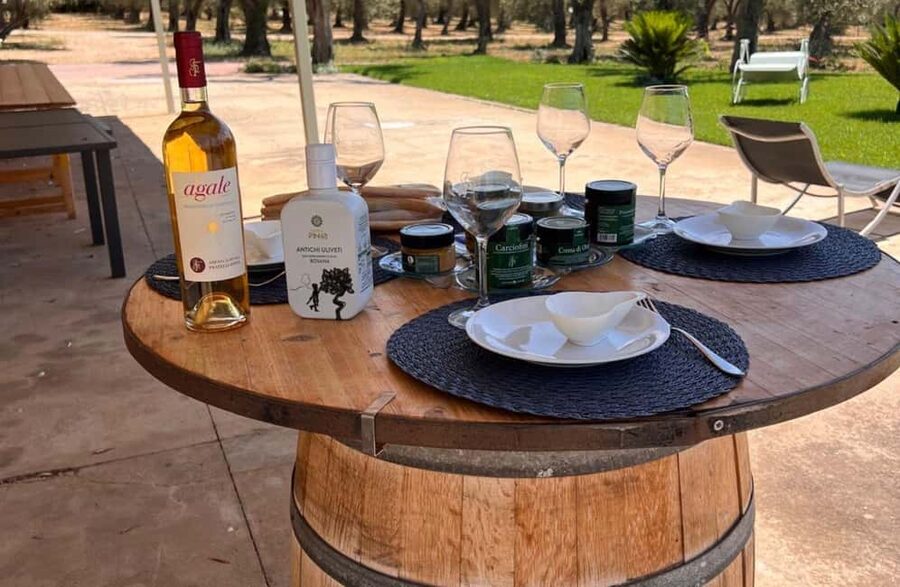
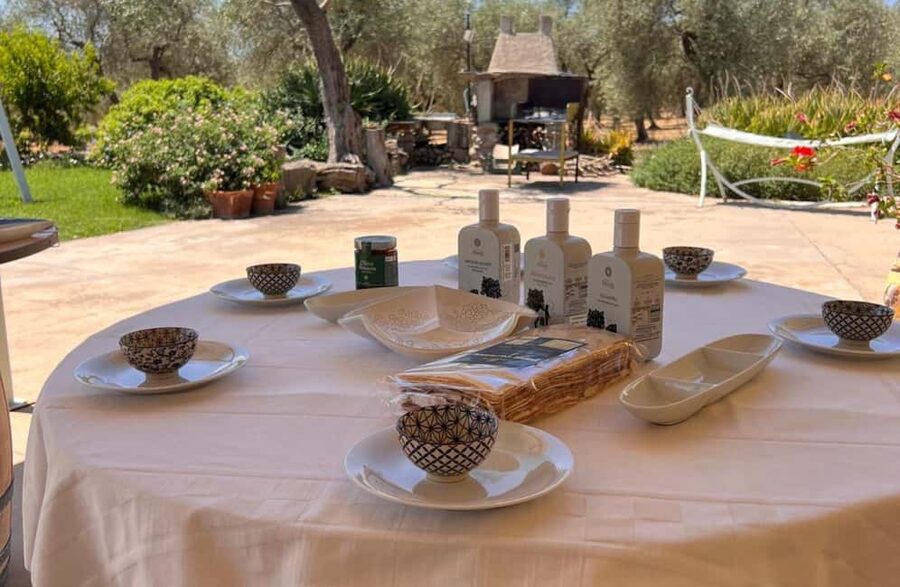
The tasting session is the payoff. You’ll get local bread and naturally salted olives to keep your palate honest. Then you’ll sample three different olive oils, with time to notice subtle differences in aroma, flavor, and texture.
I like this approach because it forces comparison. Even if you don’t consider yourself a “food taster,” you’ll naturally start noticing patterns: some oils smell more green or grassy, others feel fruitier, and others may show more peppery intensity. The guide helps you interpret those changes, and that turns the tasting from a passive sip into an actual sensory lesson.
A balanced heads-up: depending on timing and availability, it may not always be exactly three oils in your glass. One guest described arriving outside the harvest window and finding that some oils were sold out, which reduced the tasting. You can’t control that, but you can protect yourself by asking the guide at the start whether all planned oils are available for tasting that day.
On a positive note, one review mentioned that the tasting experience can include additional local pairings like wine and vegetable products alongside the oil, bread, and salted olives. That’s a bonus when it happens, but the core of the session remains the guided comparison of olive oils with local bites.
Price and value: what $48 buys you in real terms
At $48 per person for about one hour, this isn’t a “cheap and cheerful” activity. The value depends on your goal.
If you want only a pretty walk, you’ll find cheaper options in the area. But if you want guided learning that ends with structured tasting, the price becomes easier to justify. You’re paying for:
- A guide who explains Bosana cultivation and the oil-making process
- A visit to the olive mill and its pressing facility
- A tasting session with local bread and naturally salted olives
- A comparison of multiple oils so you can actually tell them apart
The moment this price stops feeling fair is when timing limits what’s available or what’s happening onsite. If you arrive well outside harvest, you may see less active production and more “how it works” explanation. And if the tasting oils are limited due to availability, you might feel like you paid for something that didn’t fully materialize.
So my rule of thumb: book if you enjoy food education and tasting, and if you’re flexible about seeing live production.
What to wear, how to prepare, and how to get the most out of it
This is a walking-focused tour, so show up prepared. Bring:
- Comfortable shoes with grip
- Comfortable clothes for olive-grove walking
You don’t need fancy gear. But do give yourself the gift of staying comfortable. Olive groves can have uneven footing, and you’ll want to focus on the guide’s explanations and the aromas during tasting rather than thinking about sore feet.
Also, come with at least one question ready. The guide will likely answer questions about Bosana cultivation and what you’re noticing in the oils. Asking early helps you get more out of the session without feeling rushed.
If you’re sensitive to weather, keep an eye on conditions. The walk portion may be adjusted or not included when rain or unsafe conditions make access to the grove difficult.
Who this olive mill tour suits best
This is a great choice for:
- Food travelers who like a story tied to what’s on the table
- First-time visitors to Sardinia who want something local and grounded in real production
- People who enjoy guided tastings and want help noticing differences between oils
It may not be ideal for you if:
- You’re only interested in active, hands-on milling during harvest (the tour can be more demonstration than live production outside peak season)
- You expect a long experience. This is about an hour, so it’s focused, not drawn out
Should you book this olive mill tour near Sassari?
I’d book it if you want a short, high-impact food experience that mixes groves, a real mill visit, and a guided tasting of three olive oils with local bites. It’s one of those tours where your understanding improves quickly, and you leave with a sharper palate for Sardinian extra virgin olive oil.
Don’t book expecting a full harvest-day spectacle. If your main goal is to watch crushing and production in action, ask in advance how the visit works outside harvest season. And if tasting availability matters to you, ask whether all oils planned for the comparison are available on your date.
If you’re good with guided education plus tasting, you’ll probably enjoy it a lot—and you’ll likely walk away craving bread, olives, and another sniff of that first pour.
FAQ
How long is the olive mill tour?
The tour lasts 1 hour.
What’s included in the tasting?
You’ll taste three different olive oils, along with fresh local bread and naturally salted olives.
Is transportation to the olive mill included?
No, transportation is not included.
What languages are the live guides available in?
The tour guide speaks English and Italian.
Is the tour wheelchair accessible?
Yes, it is wheelchair accessible.
Will the olive grove walk always happen?
If it rains or weather conditions make access unsafe, the walk through the olive grove may not be included.
Can I cancel and get a full refund?
Yes. You can cancel up to 24 hours in advance for a full refund.