REVIEW · LA ORGANIC
Ronda: LA Almazara LA Organic, Olive Oil Museum and Tasting
Book on GetYourGuide →Operated by LA ALMAZARA LA ORGANIC SL · Bookable on GetYourGuide
This is not just another food tour in Ronda. You’ll walk through a Philippe Starck olive oil museum and then get taught how to taste olive oil like a pro. I especially love the guided tasting that shows you how to catch the full flavor bouquet, not just whether it tastes good.
You’ll also enjoy the farm-style setting—vegetable plots, aromatic plants, and fruit trees—so the oil feels tied to real, local growing. One thing to think about: transportation isn’t included, so you’ll want a plan for getting to the LA Organic Country House.
In This Review
- Key highlights you should care about
- LA Organic Country House: getting started without fuss
- Inside Philippe Starck’s olive oil museum and mill
- The farm walk: citrus, quince, and aromatic plants on site
- Pressing and bottling organic EVOO: what you’re actually learning
- The guided tasting: how to catch the bouquet (and not just the taste)
- How long it really takes: planning your day around 1.5 hours
- Price and value: is $29 fair for what you get?
- Who should book this olive oil tour in Ronda
- Practical tips that make the tasting click
- Should you book LA Almazara LA Organic and the olive oil tasting?
- FAQ
- Where is the tour meeting point?
- How long is the LA Organic olive oil museum and tasting tour?
- What does the tour include?
- Is transportation included in the price?
- What languages will the guide speak?
- How much does it cost, and what’s the value?
- What should I bring with me?
- Is the tasting alcohol-based?
- Is this experience wheelchair accessible?
- What are the cancellation and booking options?
Key highlights you should care about
- Starck-designed museum and mill that turns olive oil into a real architecture-and-design experience
- Guided tasting focused on spotting flavor notes and comparing mild vs intense oils
- Farm walk with vegetables, aromatic plants, and citrus and quince trees
- Organic pressing and bottling explained in a hands-on, plain way
- Award-winning organic olive oil experience, including an oil recognized as best organic oil in the world in 2015
- Views from the property over vineyards and the surrounding mountains
LA Organic Country House: getting started without fuss
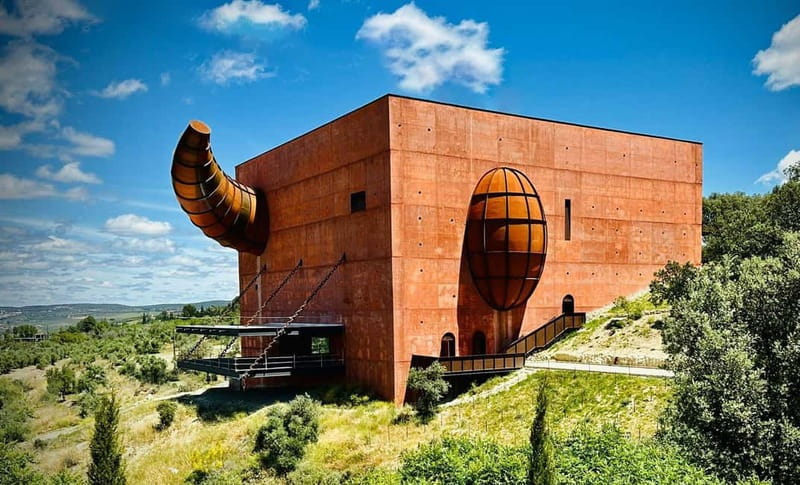
Your tour meets at LA Organic Country House, just outside Ronda. The big practical thing here is that you handle getting there. If you’re staying in the historic center, you’ll likely want a taxi, rideshare, or a clear local transport plan so you don’t spend your time hunting buses.
The tour runs for about 1.5 hours, so it’s quick and focused. That time matters: you’re not rushing through random rooms. You’re getting museum time, mill time, a walk on the property, and then a structured tasting, all in one go.
You can also read our reviews of more tours and experiences in La Organic.
Inside Philippe Starck’s olive oil museum and mill
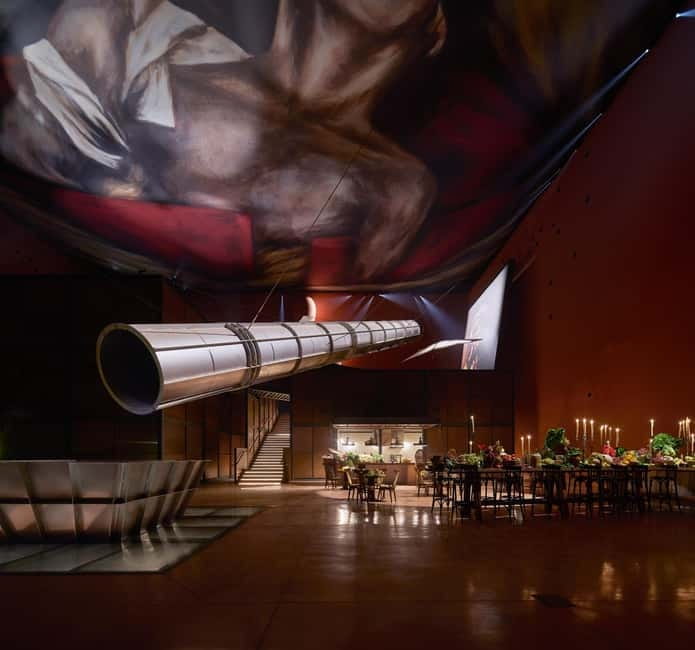
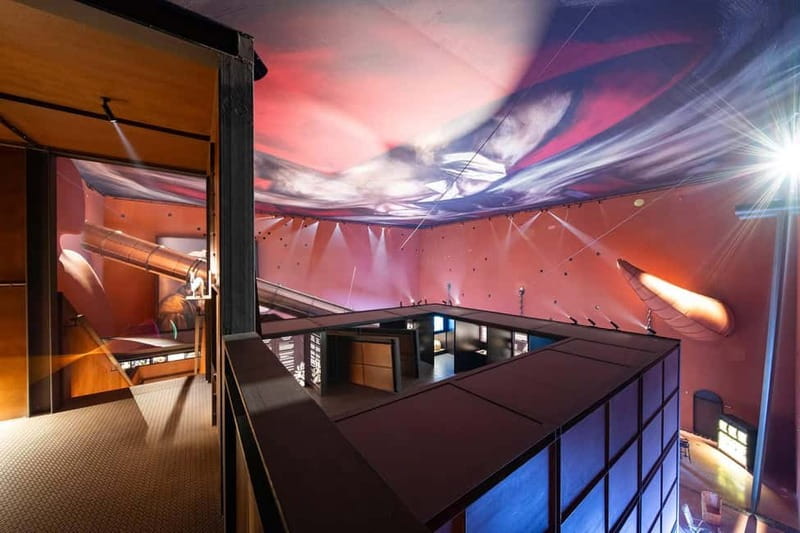
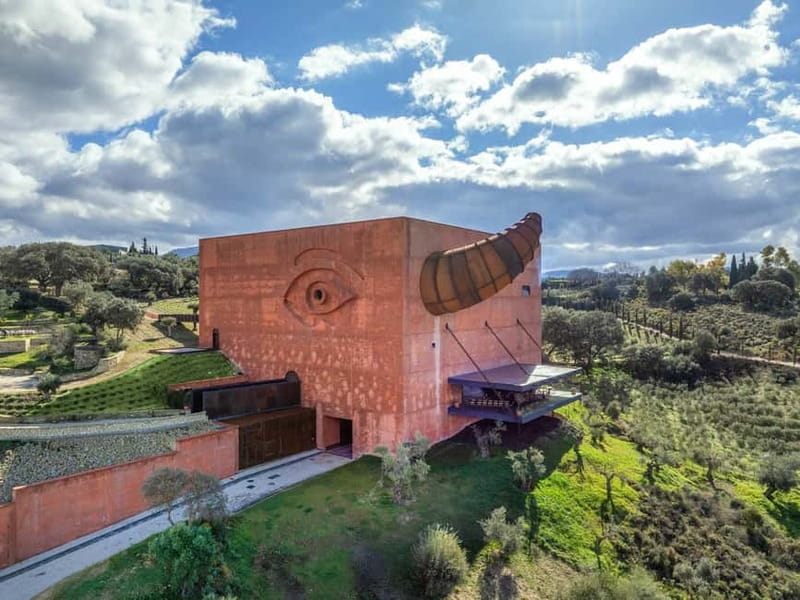
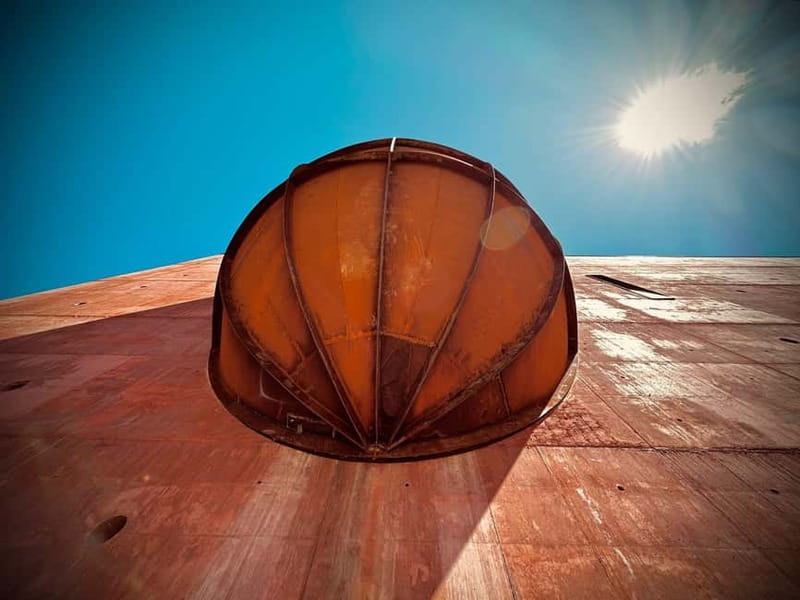
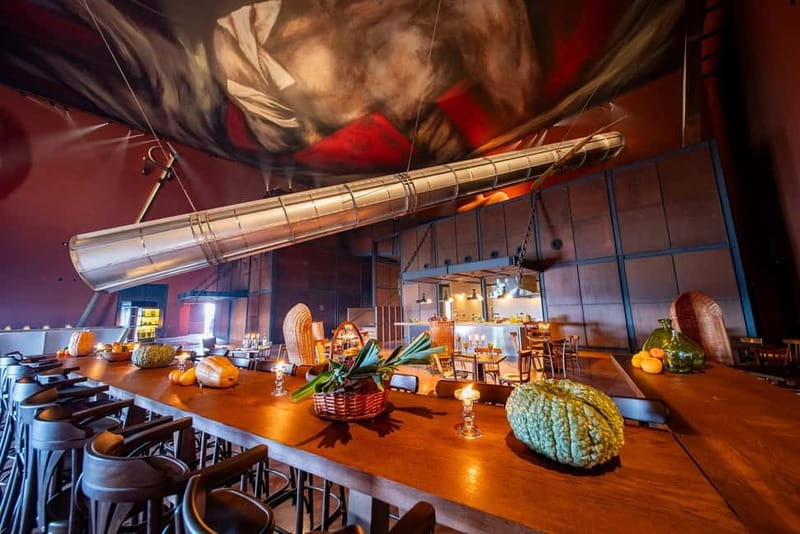
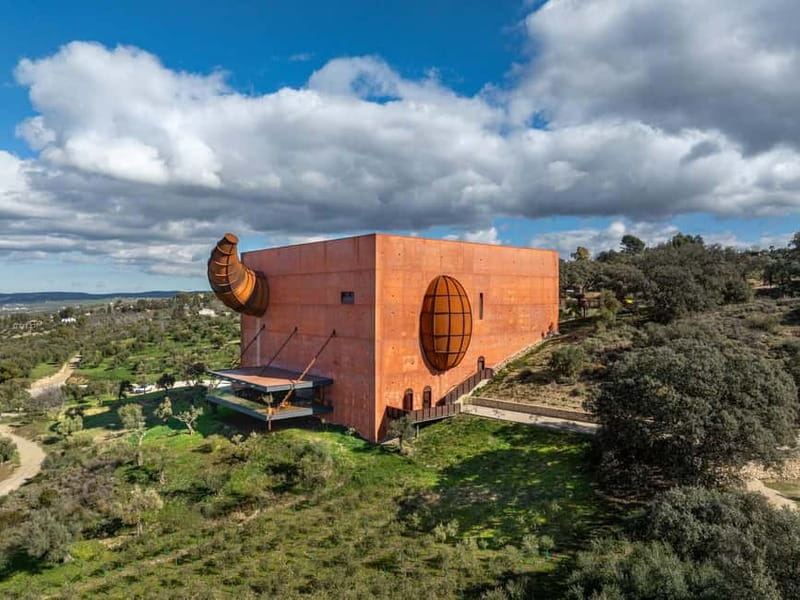
The star of the show is the LA Organic museum/mill complex designed by Philippe Starck. It’s built to show how industrial architecture can still respect nature. You don’t just look at olive oil here—you see it staged as art, with space and light doing part of the storytelling.
A neat detail that makes this feel purposeful: the visit is described as the first author Olive Oil Mill in the world. Whether you’re an architecture person or not, that idea helps you understand the point of the visit. This isn’t a dusty museum. It’s a working site that also happens to be visually striking.
In the museum portion, you’ll learn how olive oil fits into local tradition and how the property blends design with growing and production. The mill visit follows, so you connect the diagrams and displays to the real extraction process. Reviews also point out that the building is worth seeing both from inside and out, so don’t skip a few minutes outside if you have time.
The farm walk: citrus, quince, and aromatic plants on site
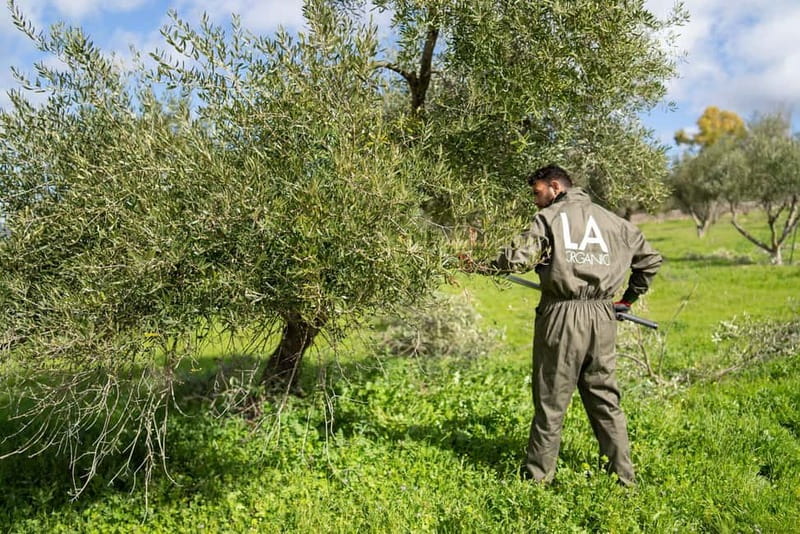
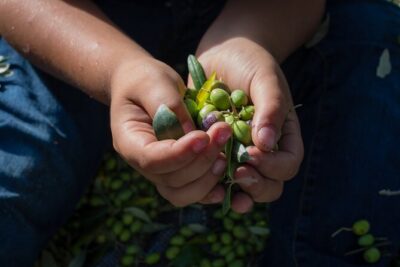
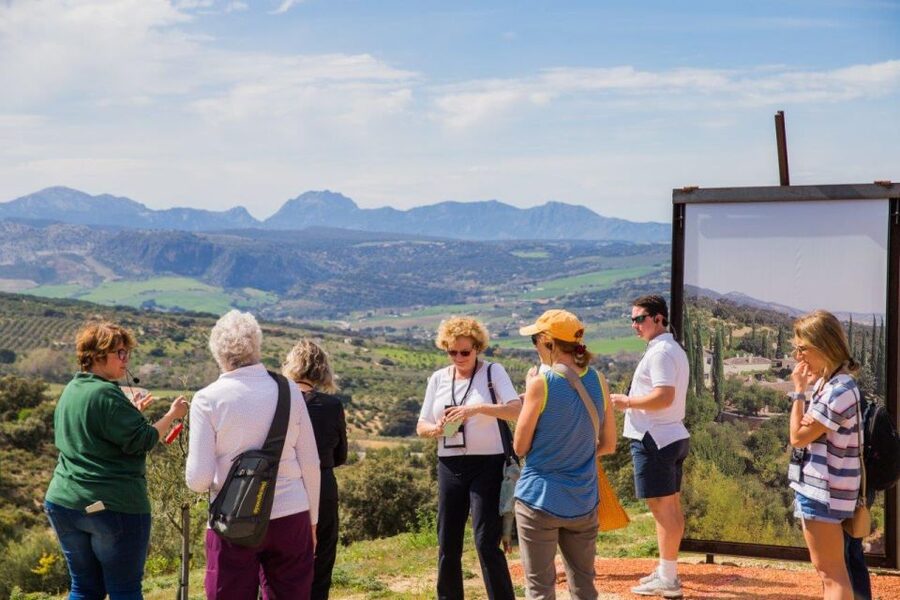
After the museum and mill, the tour shifts outdoors. You’ll walk through the LA Organic farm area, where the guide points out crops and plants connected to the oil-making world.
Expect a mix such as:
- vegetable areas
- aromatic plants
- citrus and quince trees
Why this matters for your tasting: smell is half the sensory job. When you’ve walked among plants that release strong scents, you start noticing similar aromatics in olive oil. It also helps you understand organic farming as more than a label. It’s an ecosystem.
Some people also mention the property feels scenic and spacious, and that the route can include gravel. If you’re traveling with mobility limits, the tour is marked not suitable for wheelchair users, and one review described gravel creating trouble for a wheelchair on the grove paths. If that could be an issue for you, you’ll want to plan accordingly.
Pressing and bottling organic EVOO: what you’re actually learning
A good olive oil tour teaches you what the flavor means and how it’s made. Here, the focus is on the journey from pressing to final product, especially for high-end organic olive oil.
You’ll learn the practical sides of:
- pressing (how the oil gets extracted)
- bottling (how it’s handled after production)
Then you’ll connect it back to quality. The tour also highlights an olive oil that received an award as best organic oil in the world in 2015. You don’t need to memorize the awards to benefit from that part. What you gain is the idea that organic can be serious craft, not just a marketing word.
You’ll also get the guide’s instruction on tasting skill—specifically how to differentiate mild vs intense oils. That’s a key skill because it lets you shop smarter later. Instead of guessing, you can decide what style fits your cooking and your palate.
The guided tasting: how to catch the bouquet (and not just the taste)
The tasting is the part most people remember, and for good reason. You’re taught not only to sample, but to recognize what’s happening in the glass.
You’ll practice:
- detecting the full bouquet of flavors in each oil
- tasting using a guided method so you can compare oils
- understanding how mild and intense oils can feel different
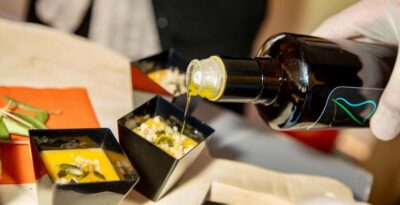
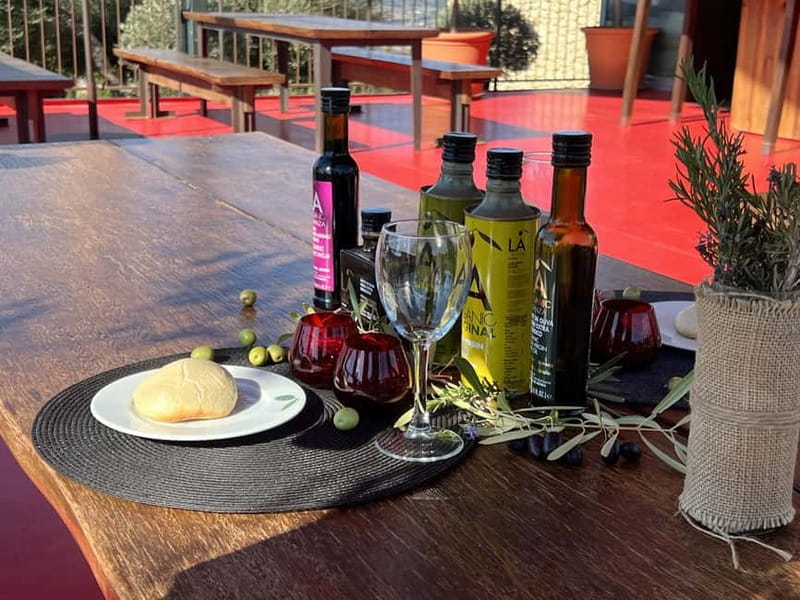
The set-up is usually bread + poured oils, and the instruction keeps it organized so you can actually learn something. One review noted multiple oils are placed on the table for comparison, which supports the core teaching goal: contrast.
This is also where “good olive oil” becomes concrete. High quality oil doesn’t just taste like olive; it can taste like fruitiness, grassiness, bitterness, pepperiness, and other notes that show up differently depending on intensity. When you learn the vocabulary, you stop buying “whatever the label says” and start buying what you enjoy.
Quick heads-up: Spain’s legal drinking age is 18, and the tasting involves olive oil (not wine by default). Still, if your group plans to pair food and drinks after, keep that rule in mind.
How long it really takes: planning your day around 1.5 hours
The tour is about 1.5 hours, which is perfect if you’re already exploring Ronda and want a food experience without sacrificing half your afternoon.
You’ll want comfortable timing because the day includes both indoor and outdoor walking. Bring water and wear shoes that handle gravel and uneven ground. The tour also recommends sunglasses and comfortable clothes, which is practical in Andalusia sun.
A few reviews mention the timing can vary slightly, including one note about starting earlier than the ticketed time. That’s not a reason to avoid it, but it is a reason to show up a touch early so you don’t feel stressed.
Price and value: is $29 fair for what you get?
At around $29 per person, this tour is priced like a short guided experience with tastings included. What makes it feel fair is the mix of three things you don’t always get together:
1) a guided museum and mill visit with a real production story
2) a farm walk that explains the growing side
3) a tasting with instruction focused on how to detect and compare flavors
Also, the guide isn’t just there to talk in general. The tasting portion teaches you specific discrimination skills, like how to tell mild from intense. That kind of teaching turns the visit into a transferable skill you can use later when buying olive oil in shops or markets.
The main cost wrinkle: transportation isn’t included. If you need a taxi from central Ronda, it can change the real “all-in” value. If you can walk part of the way, or you’re already using local transport, then the price stays very reasonable for the overall experience.
And yes, people often add on food after. Reviews mention there’s an excellent restaurant nearby and even time on a terrace after tasting. That’s not included as part of the tour itself, but it can make this feel like a half-day food break without being too long.
Who should book this olive oil tour in Ronda
Book it if you:
- love tasting experiences that teach you how to taste, not just what to taste
- enjoy food produced in place, especially organic olive oil
- like architecture or design details as part of a travel story
- want something different from wine tastings in Andalusia
It’s also a good match if your group includes mixed interests. One person may focus on Starck’s building. Another can zero in on extraction and organic production. The tasting ties it together.
Skip or rethink if you:
- need wheelchair access. The tour is marked not suitable, and grove paths may be uneven or gravelly.
- want a long, slow agricultural tour. This is well-paced and structured, but it’s still about 1.5 hours total.
Practical tips that make the tasting click
Here’s how to get the most from this visit.
Wear comfortable shoes. Even if you don’t think you’ll walk much, the route includes museum-to-mill movement and a farm stroll. Bring a camera if you care about design angles and outdoor views. Pack water because you may be outside during the farm part.
When you reach the tasting, slow down. The point isn’t to gulp oil and move on. Use the guide’s cues to notice aroma and flavor progression, then compare oils while the memory is fresh. If you’re shopping after, those mild vs intense lessons are the shortcut.
If you’re traveling as a family or with a group, remember there’s a legal drinking age in Spain. Olive oil tasting itself isn’t alcohol, but planning food and any drinks after the tour should follow the 18+ rule.
Should you book LA Almazara LA Organic and the olive oil tasting?
Yes—if you want an olive oil experience with real teaching. The combination of Starck-designed architecture, a working mill story, a farm walk, and then a tasting that trains your senses makes this more than a quick stop.
If your transportation is tricky from central Ronda, just plan that piece before you book. Once you do, this is one of the best ways to understand olive oil in Andalusia in under two hours: you leave with taste memories, a bit of craft knowledge, and the ability to recognize quality when you shop later.
FAQ
Where is the tour meeting point?
You meet your guide at LA Organic Country House.
How long is the LA Organic olive oil museum and tasting tour?
The visit lasts about 1.5 hours.
What does the tour include?
It includes a guide and an olive oil tasting. The tour content covers the museum, a mill visit, a farm walk, and the tasting.
Is transportation included in the price?
No. Transportation is not included.
What languages will the guide speak?
The live guide offers English and Spanish.
How much does it cost, and what’s the value?
The price is about $29 per person, and it’s positioned as a short guided experience with tasting instruction.
What should I bring with me?
Bring comfortable shoes, sunglasses, a camera, water, and comfortable clothes.
Is the tasting alcohol-based?
The tour notes that Spain’s legal drinking age is 18. The main included tasting is of olive oil.
Is this experience wheelchair accessible?
No. It is marked not suitable for wheelchair users.
What are the cancellation and booking options?
You get free cancellation up to 24 hours in advance for a full refund, and you can reserve now & pay later.