REVIEW · LA ORGANIC
Ronda: LA Almazara LA Organic, Olive Oil Museum and Tasting
Book on GetYourGuide →Operated by LA Organic Experience · Bookable on GetYourGuide
Ronda has an olive oil moment of art. At LA Organic near town, I love the way a Philippe Starck-designed museum turns olive oil into something you can see and feel, not just buy. You also get a guided tasting that teaches you how to read flavors in the glass.
What I really liked is the training part. Guides such as Simon and Ursula (names I’ve seen tied to this experience) walk you through how to detect the oil’s bouquet and how to tell mild from intense oils. Add the farm walk—citrus and quince trees, aromatic plants, and vegetable fields—and you end up with both food knowledge and real scenery.
One possible drawback to plan around: the visit involves farm paths and the property is not suitable for wheelchair users, with uneven ground mentioned in feedback. If you’re sensitive to construction noise or disruptions, note that some people have reported early-operations work on site during opening phases.
In This Review
- Key Things You’ll Enjoy Most
- LA Organic Country House: A Starck-Designed Olive Oil Stop Near Ronda
- Where You Start: Meeting Your Guide and Getting Oriented
- Philippe Starck’s Olive Oil Museum: Art That Explains the Product
- The Mill and Extraction Process: From Olives to Bottling
- The Farm Walk: Citrus, Quince Trees, Aromatic Plants, and Views
- The Tasting Session: How to Catch the Bouquet and Compare Intensity
- Pairing the Taste With Labels and Real-World Use
- Price and Value: What You Get for $22 in 1.5 Hours
- Group Size, Languages, and the Flow of the Tour
- Who This Tour Is Best For
- Should You Book LA Almazara LA Organic in Ronda?
- FAQ
- How long is the LA Organic olive oil museum and tasting tour?
- What’s included in the price?
- Where does the tour start and end?
- What languages are available?
- How much does it cost?
- Is the tour wheelchair accessible?
- Do I need to bring anything?
Key Things You’ll Enjoy Most
- Philippe Starck architecture inside an olive oil museum concept
- Guided tasting that focuses on bouquet, intensity, and how to notice flavors
- Organic mill + pressing and bottling explained on-site
- Farm walk with vegetables, aromatic plants, citrus, and quince trees
- Rolling vineyards and mountain views during the countryside stroll
LA Organic Country House: A Starck-Designed Olive Oil Stop Near Ronda
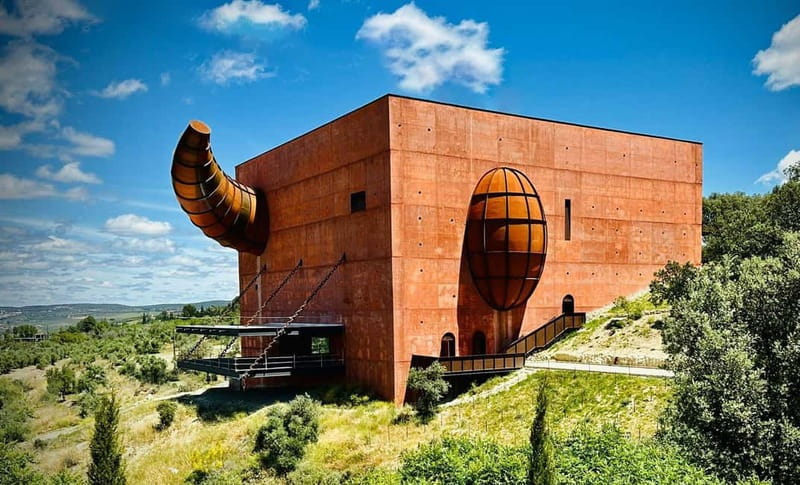
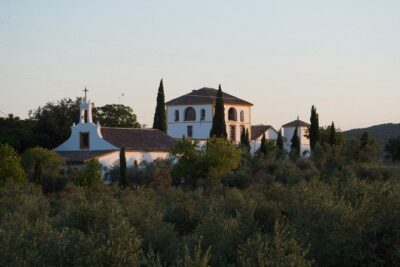
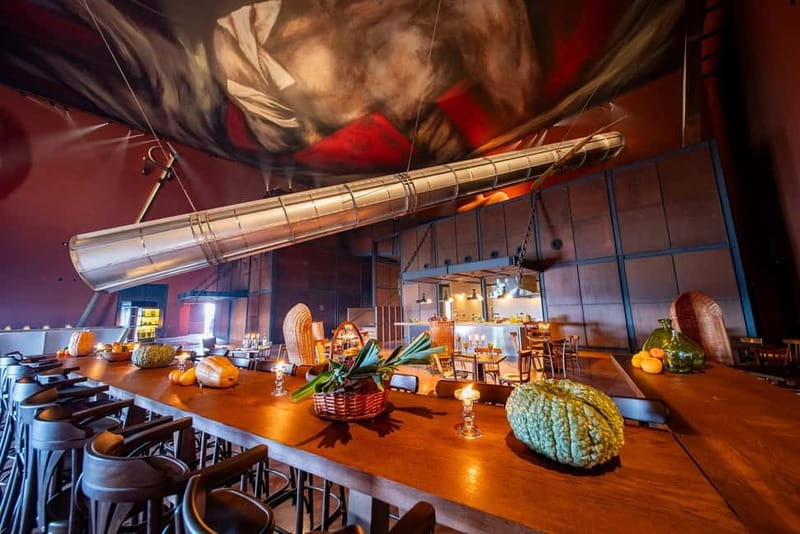
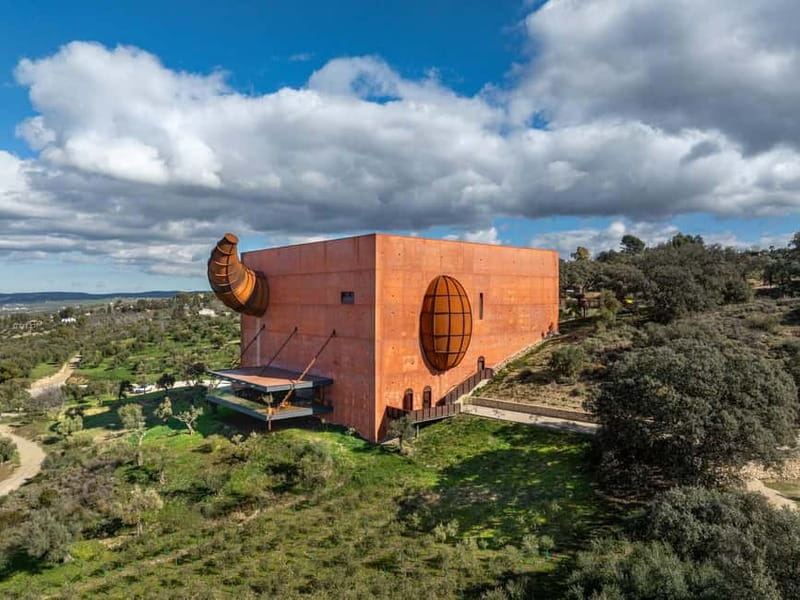
This isn’t your typical museum with glass cases and a quick photo op. LA Organic combines an olive oil production setting with a designed museum space created around the idea that industry, farming, and art can share the same walls. In Ronda’s wider food-and-countryside vibe, it feels like a fresh way to spend an hour and a half.
The biggest hook for me is the blend of style and substance. You’re not just looking at a building; you’re also learning how olives become oil, then applying that knowledge in a tasting at the end. That structure matters because you leave with both context and confidence.
You can also read our reviews of more tours and experiences in La Organic.
Where You Start: Meeting Your Guide and Getting Oriented
You meet your guide at LA Organic Country House, and the tour loops back to the same meeting point when you finish. The whole experience runs about 1h30, so you get enough time to go beyond the basics without feeling dragged across half the countryside.
Expect a setup that gets you into the right mood quickly. Some visits begin with a short history or family/farm context intro video before moving into the museum and production areas. If your group is larger (one account noted 12+), the guide typically keeps things moving and still offers explanations in both English and Spanish.
Philippe Starck’s Olive Oil Museum: Art That Explains the Product
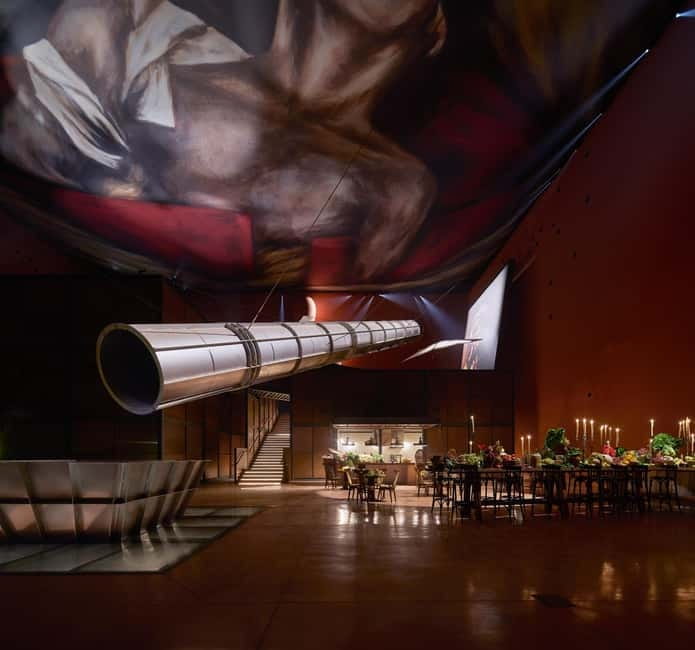
The museum is a key reason to choose this tour over a standard tasting. The architecture is designed to be experienced from both inside and outside, and feedback highlights how the building itself becomes part of the learning. People also note that art is intertwined with the olive oil museum concept, which can be a pleasant surprise if you expect only product displays.
This matters because olive oil is sensory. The museum’s designed feel helps you pay attention to details like aromas and texture later in the tasting. If you like places where design and food meet, this portion will feel like it’s doing its job.
The Mill and Extraction Process: From Olives to Bottling
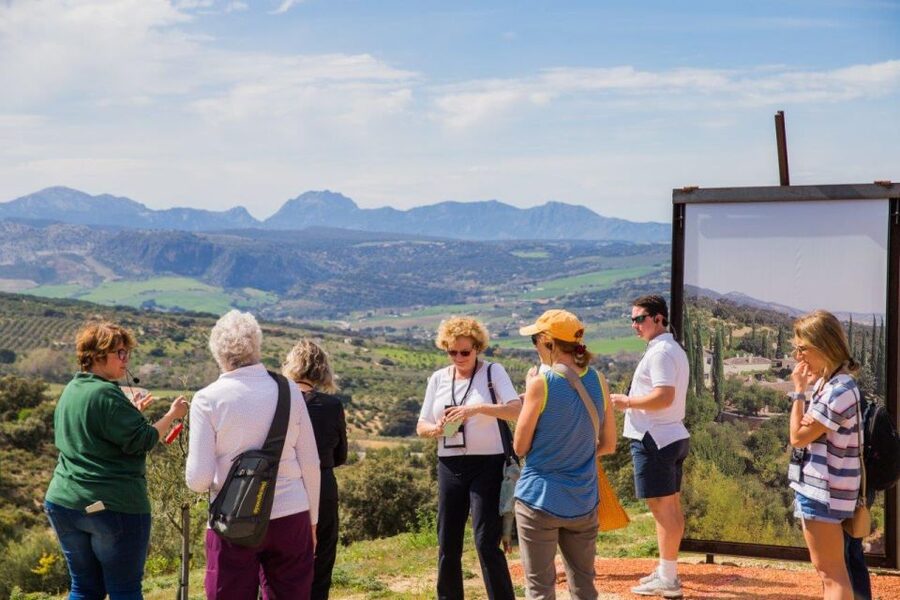
After the museum, you’ll move into the production side. The tour includes a visit to the mill, with a guided explanation of pressing and bottling high-end organic olive oil. In other words, you get the practical story behind what’s in the bottle.
One useful thing: you learn how to connect farming steps to flavor. People have mentioned explanations covering how olives are grown, harvested, and turned into oil. That kind of chain-of-custody detail helps you later when you’re comparing oils, since it gives you a mental checklist for what might influence taste.
If your goal is to buy a bottle you actually understand, this section is where the tour earn its value. You’re not only learning what tastes good; you’re learning why a particular oil might taste mild, intense, or balanced.
The Farm Walk: Citrus, Quince Trees, Aromatic Plants, and Views
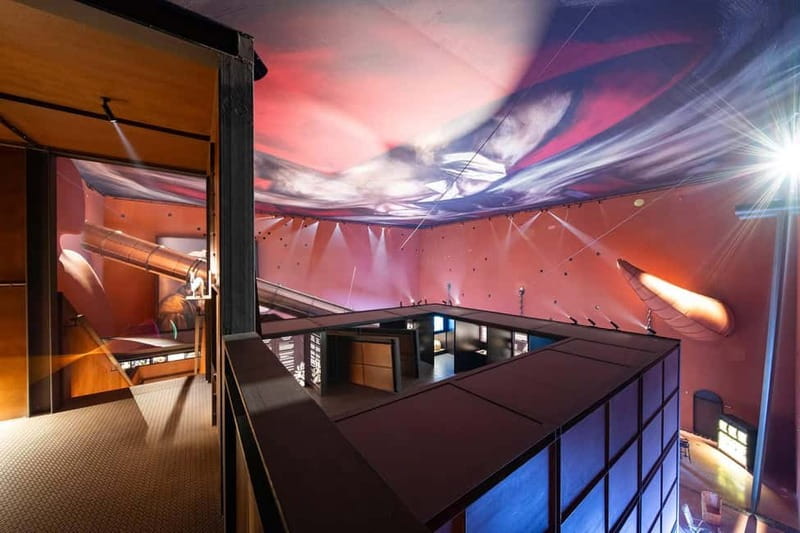
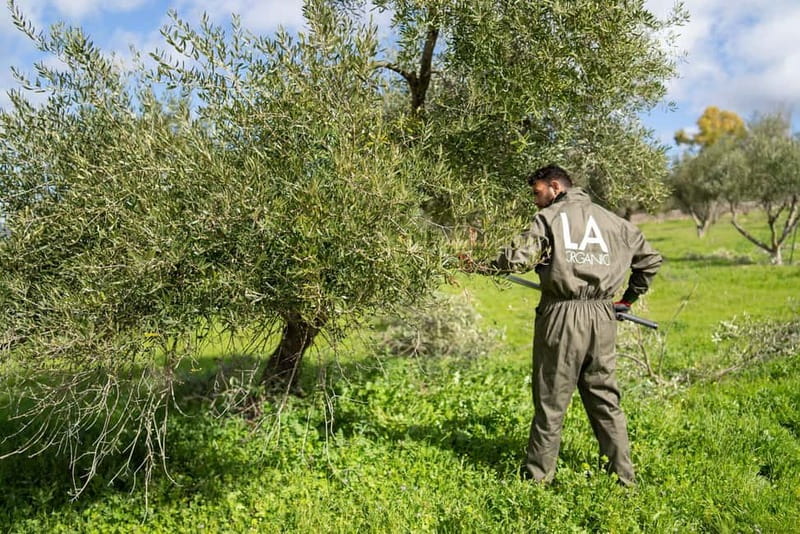
Then comes the part that makes the whole experience feel like more than a tasting class. You stroll through fields and gardens that include vegetables, aromatic plants, and fruit trees such as citrus and quince. It’s a great change of pace after the indoor museum and production areas.
The walking segment is also where the Ronda-region scenery shows up. Reviews mention rolling vineyards and mountain views, and that’s one reason this tour pairs well with a day that also includes scenic viewpoints around town. If you’re planning your itinerary, think of this olive oil stop as your countryside reset before returning to Ronda’s historic streets.
Practical note: bring comfortable shoes. Even when the pace is relaxed, you’ll be moving around an active property. If you’re traveling with mobility constraints, this is one of the few caveats to take seriously since the experience is not suitable for wheelchair users.
The Tasting Session: How to Catch the Bouquet and Compare Intensity
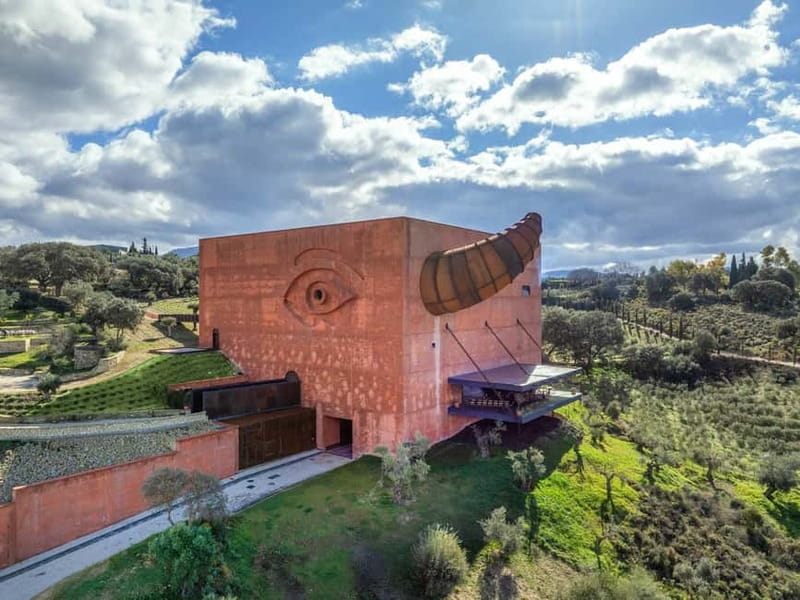
This is where everything clicks. The tasting is guided, and it’s not just a sip-and-smile routine. You learn how to detect the full bouquet of flavors hiding in each oil, plus how to taste like someone who knows what they’re looking for.
A specific tip you’ll benefit from: learning the difference between mild and intense oils. That one concept helps you stop treating olive oil like one generic condiment. Instead, you start matching oil personality to food needs, like using bolder intensity where you want stronger flavor impact.
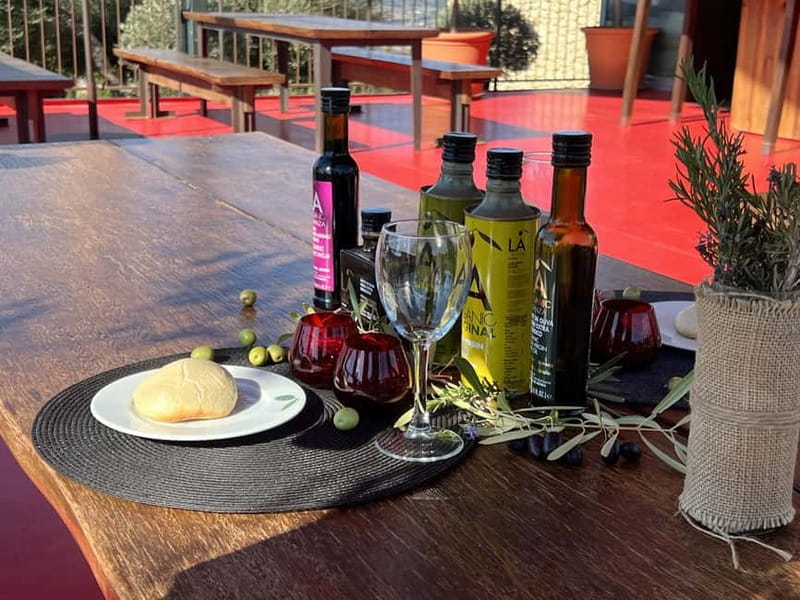
What you might try in the tasting can vary by session, but feedback mentions at least two oils poured in advance and additional oils presented on the table with bread. You should expect a teaching moment around aroma and flavor notes, including how to think beyond fruitiness and into real sensory texture and finish.
Also worth knowing: the tour highlights an oil that received an award for being the best organic oil in the world in 2015. Even if you don’t care about awards, it signals that the tasting is anchored to serious product standards.
And yes, it’s a shop setting at the end, but multiple accounts note there’s no pressure to buy. For me, that’s part of why the tasting feels educational instead of salesy.
Pairing the Taste With Labels and Real-World Use
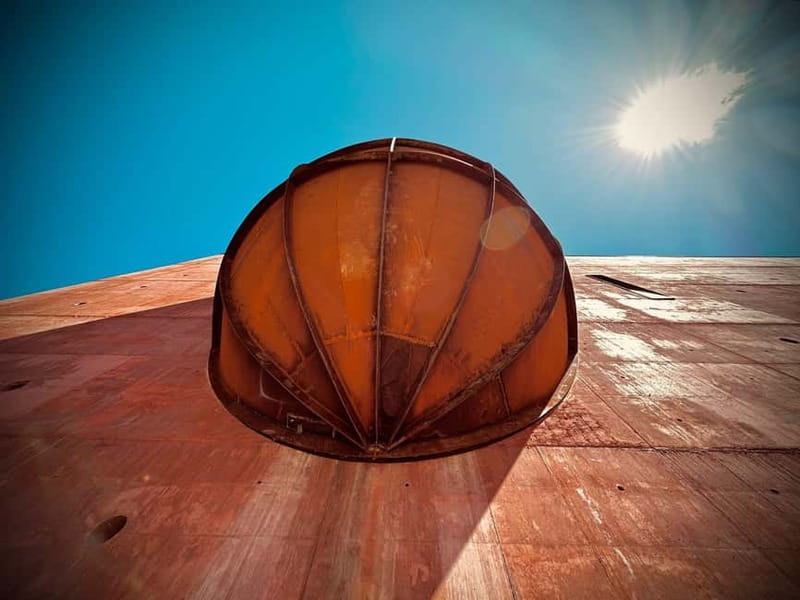
One thing I always look for in food tours is whether I can use the knowledge once I’m back home. Here, the guided tasting tends to lead into practical buying habits—people mention learning how to read olive oil labels and purchase better quality oils.
Use that. When you’re deciding what to buy at the end (if you choose to), don’t only chase a nice bottle or a big brand. Instead, pay attention to what you were taught: intensity level, flavor bouquet, and how the oil fits what you cook.
Bread and tasting are a simple starting point, but your new goal should be matching oil style to your table. This is especially helpful if you cook often and want more than one oil for different meals.
Price and Value: What You Get for $22 in 1.5 Hours
At about $22 per person, the value here comes from structure. You’re paying for a guided, multi-stop experience: museum + mill visit + farm walk + a guided tasting. Olive oil tastings that are just a few pours exist, but they usually don’t include the production-and-farm context that makes the tasting meaningful.
Because the tasting is guided, you also get more than a sample. You get the method to interpret what you’re tasting, including mild versus intense comparisons and bouquet detection. That’s a skill you can use again when you’re shopping.
One caution on value math: transportation isn’t included. If you’re relying on a taxi or rental car, factor that into your day plan. The experience itself is priced reasonably for what you receive, but your total cost depends on how you’re getting there.
Group Size, Languages, and the Flow of the Tour
The tour is live guided and offered in English and Spanish. Feedback includes examples where guides spoke in both languages even with a relatively large group, which suggests the guide-led explanations don’t stall if the group is bigger.
The flow is also built for short attention spans. You start with orientation and museum content, move into the mill for the extraction story, walk the property for farm context, then end with tasting. That order makes sense: you learn the product, then you taste it while the learning is still fresh.
Keep your expectations realistic. You’re not getting an all-day olive oil seminar. You’re getting a focused, well-paced experience that leaves you educated enough to shop smarter.
Who This Tour Is Best For
This fits best if you like food education with a setting that actually feels like the source. If you’re the kind of traveler who reads labels, wants to understand how ingredients are made, and enjoys scenic countryside walking, you’ll probably love it.
It also works well for couples and groups who want something more interesting than a standard tasting room. Feedback repeatedly calls out how knowledgeable and passionate the guides can be, and how enjoyable the tasting feels when it’s guided.
Who should be cautious: the experience is not suitable for wheelchair users, and uneven ground is part of the farm walking. If your group has limited mobility, you’ll want to choose routes that won’t turn your day into a struggle.
Should You Book LA Almazara LA Organic in Ronda?
Yes—if you want an olive oil experience that teaches you how to taste, not just what to like. The museum + mill combo adds depth, and the guided tasting gives you a real framework: bouquet detection and mild versus intense comparisons.
I’d book this especially if you’re already thinking about food stops in Ronda and want one that feels tied to place, not just souvenir shopping. If you’re traveling with mobility limits, though, take the ground conditions seriously and plan for your comfort first.
If you’re on the fence, remember this: $22 buys you more than oil. It buys you a method you can use the next time you stand in front of a shelf of bottles.
FAQ
How long is the LA Organic olive oil museum and tasting tour?
It runs for 1.5 hours.
What’s included in the price?
The tour includes a guide and an olive oil tasting.
Where does the tour start and end?
You meet your guide at LA Organic Country House and the activity ends back at the same meeting point.
What languages are available?
The live tour guide is available in English and Spanish.
How much does it cost?
The price is listed as $22 per person.
Is the tour wheelchair accessible?
No, the tour is not suitable for wheelchair users.
Do I need to bring anything?
You should bring comfortable shoes, sunglasses, a camera, water, and comfortable clothes.