REVIEW · SKALANI
Heraklion: Olive Farm Tour with Tasting of Local Delicacies
Book on GetYourGuide →Operated by Kleanthi · Bookable on GetYourGuide
Olive oil culture starts in the trees. At Kleanthi Olive Farm in Skalani (near Heraklion), you go from ancient olive groves to a modern olive mill with friendly English guides like Theodora and Mary, who explain what Cretans do and why it matters.
What I love most is that you don’t just look at olive trees—you learn how they’re cared for, including the sustainable farming choices the farm follows.
My second favorite part is the food finish: an olive oil tasting menu paired with Cretan staples like bread, cheeses, honey, herbs, and more, so you taste the oil in context, not in a vacuum. One possible drawback: there’s no hotel pickup, and you’ll need your own way to get to the farm in Skalani (taxi is common, but the final road/track can feel narrow).
In This Review
- Key highlights you should know
- Arriving at Kleanthi Olive Farm in Skalani (Heraklion’s olive side quest)
- Walking the olive groves: what sustainable farming looks like in real life
- Inside the modern olive mill: from handpicked olives to pressing
- The tasting menu: how to taste olive oil like you mean it
- Shopping at Kleanthi: take home the oil, not the souvenirs
- Value check: is $23 a fair deal for olive oil education and lunch-like tasting?
- Who this tour is perfect for (and who should pass)
- Should you book the Kleanthi Olive Farm Tour with tasting?
- FAQ
- Where is the meeting point for the tour?
- How much does the tour cost?
- What is included in the tour price?
- Is hotel pickup and drop-off included?
- How long is the experience?
- What language is the tour guide?
- Can I get a full refund if I cancel?
Key highlights you should know
- Ancient groves + a working mill: you see olives on the tree, then how they become oil.
- Award-winning oil tasting: multiple blends are tasted with local foods, so you learn real pairing logic.
- Small, question-friendly experience: guides answer patiently, and the pace stays easy.
- Hands-on flavor education: you practice smelling and tasting, then match oils with spices and dishes.
- You can buy bottles to take home: tasting often turns into shopping, with prices that many visitors found reasonable.
Arriving at Kleanthi Olive Farm in Skalani (Heraklion’s olive side quest)
The trip starts at Kleanthi, an olive farm in Skalani near Heraklion. You’ll find it by following road signs that say Kleanthi, and that’s it. No hotel pickup is included, so plan to arrive on your own schedule—usually by taxi, private car, or rental car.
This is the kind of stop where getting there matters, because you’ll spend most of the day outside and moving between parts of the property. Comfortable shoes are a must. If you’re coming from the city or a cruise area, you’ll likely want to go with the simplest transport option and avoid last-minute stress.
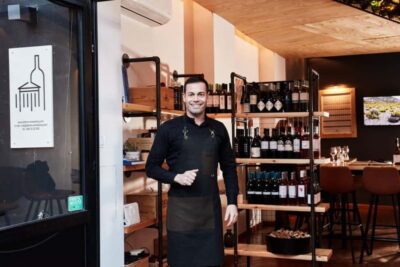
Once you’re there, the vibe is straightforward and welcoming. Guides lead you through the farm like you’re being shown their home place, not processed like a ticket number. The tour is live and guided in English, and it’s designed to be easy to follow even if olive oil is new to you.
If you like structure—clear stops with a guide talking at each one—this works well. If you prefer wandering on your own, you’ll still have time for scenic pauses and photos, but the main value comes from the guided storytelling.
One more practical note: the tour is marked as 1 day, and you’ll see starting times based on availability. For planning, think of it as a daytime activity you can slot in between other Heraklion sights.
You can also read our reviews of more tours and experiences in Skalani.
Walking the olive groves: what sustainable farming looks like in real life
The first big moment is stepping into the olive groves. This is where the tour earns its keep. Olive oil isn’t a product you buy off a shelf and magically understand. You start with the trees—how they grow, how they’re managed, and what the farm considers good practice.
You’ll walk through the orchard with a guide pointing out details you’d normally miss:
- which varieties are grown and why
- how harvesting and pruning fit into the cycle
- how the olive grove ecosystem connects to sustainable farming choices
It’s not all theory. The guide’s goal is to help you link what you’re tasting later to what you’re seeing now. So when you hear about careful cultivation, you can picture it: sunlight, spacing, pruning, and the rhythm of the harvest.
On the way, there are chances for a photo stop and scenic views. These pauses matter because they break the tour into digestible chunks. You’re not trapped in one spot listening for hours. You walk, look, listen, and then move on.
A nice touch from the experience design is that guides tend to answer questions patiently. Reviews often mention that explanations feel clear and that you’re not rushed. That’s a big deal if you’re the type who likes to ask follow-ups like:
- Why do different oils taste different?
- What does pruning change about the olives?
- How does harvesting timing affect flavor?
This part also helps you understand the “heritage” angle without turning it into a museum script. Olive trees have history here, but what you’re really learning is how people keep them productive year after year.
Inside the modern olive mill: from handpicked olives to pressing
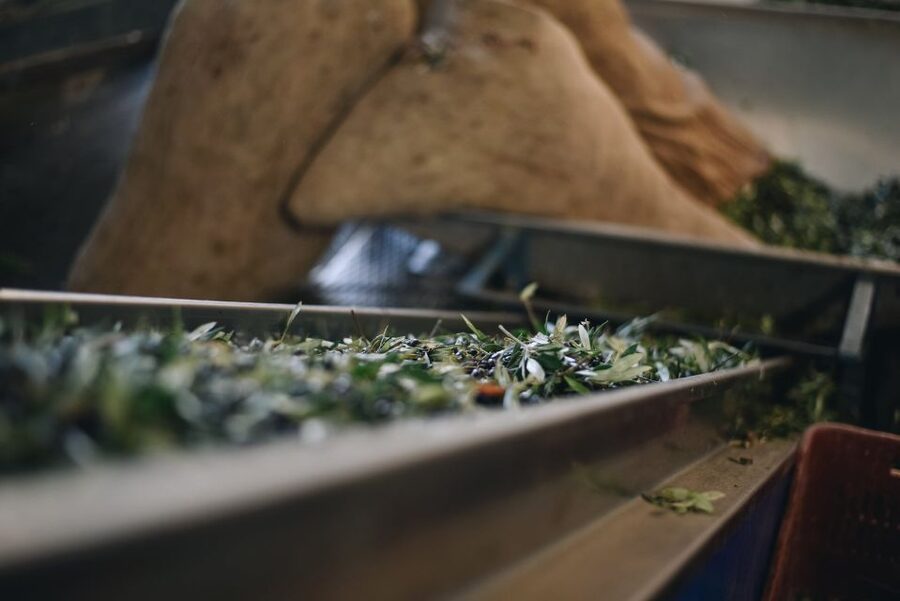
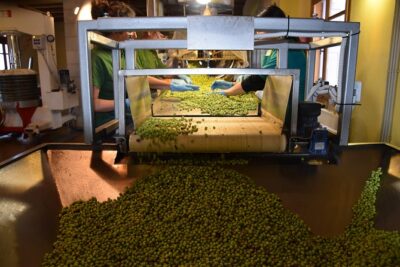
After the grove walk, the tour shifts from outdoors to the production side. This is where many people get their wow moment: seeing the mill equipment and how extraction works in practice.
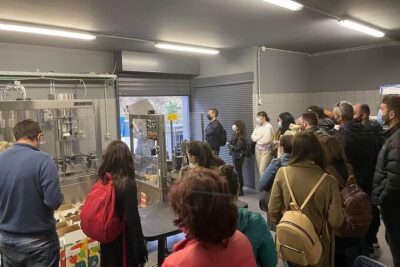
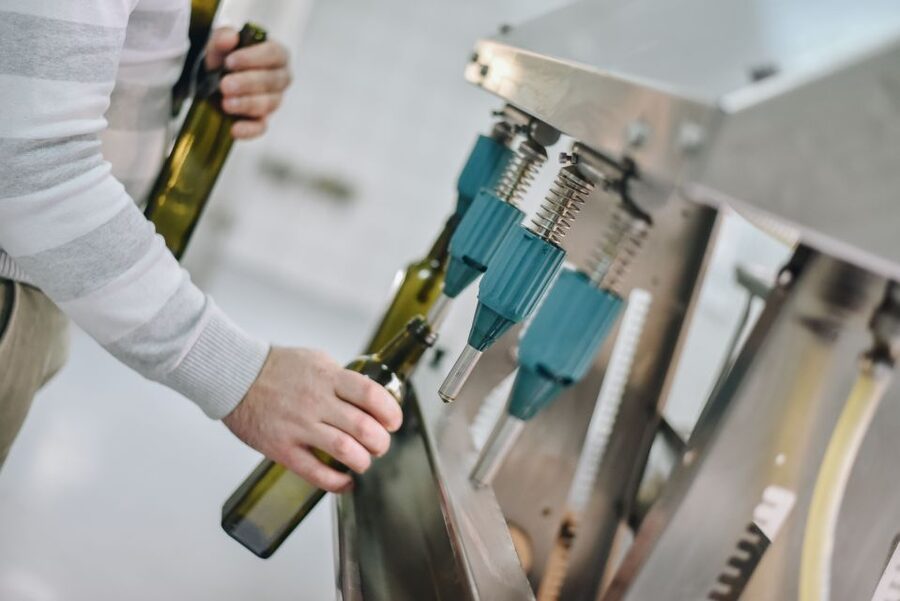
At Kleanthi, you go behind the scenes of a state-of-the-art mill. The guide explains the extraction process step-by-step, turning your earlier tree observations into the final liquid product. You’ll see machinery involved in pressing and learn how the mill transforms handpicked olives into olive oil.
A few specific things that visitors consistently highlight:
- the explanations of how the pressing process works
- the sense that the facility is modern and well-run
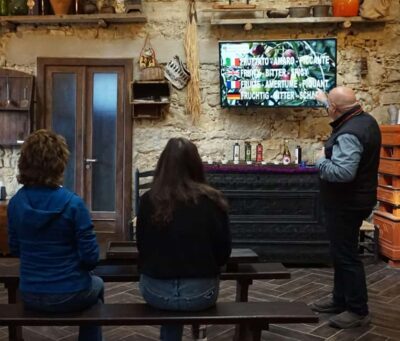
- a short video showing olive harvesting (so you can connect what’s happening in the grove to what happens on the production line)
If you’ve ever tasted olive oil and wondered what makes one bottle feel peppery and another feel softer, this is where the tour gives you the groundwork. Even without getting too technical, you understand that oil flavor comes from multiple factors: what’s harvested, when, and how it’s processed after picking.
You also get a better respect for what “good oil” means. It’s not just marketing. It’s the combination of farming choices and careful extraction.
The mill visit also changes the pace. The grove walk gets you moving and looking. The mill visit gets you listening and watching the process. Together, they make the experience feel complete: tree to bottle, not just one side.
The tasting menu: how to taste olive oil like you mean it
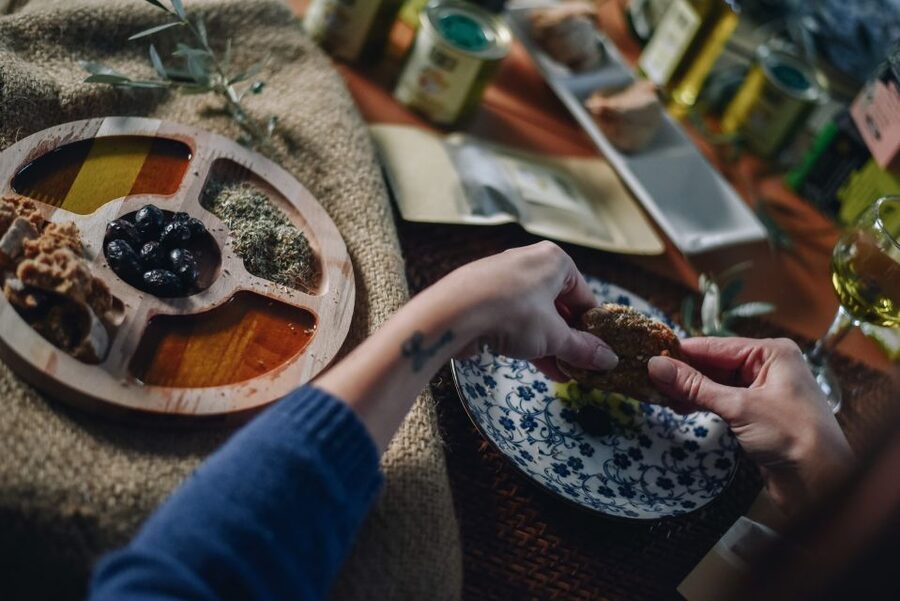
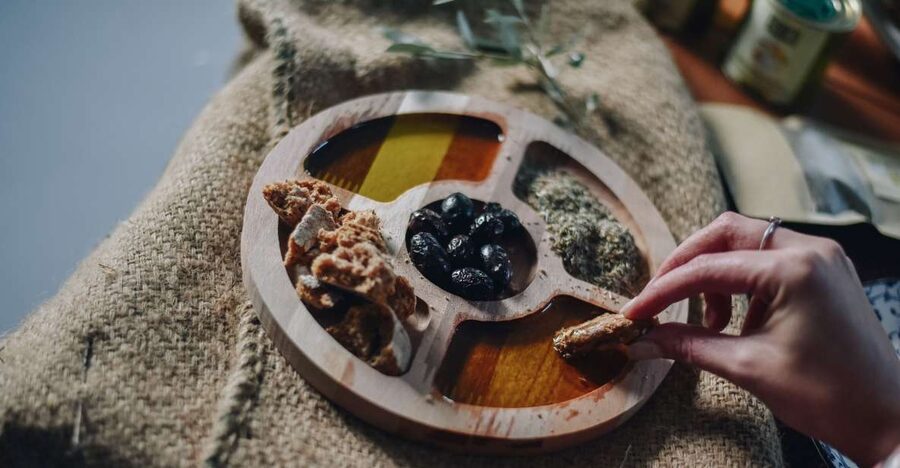
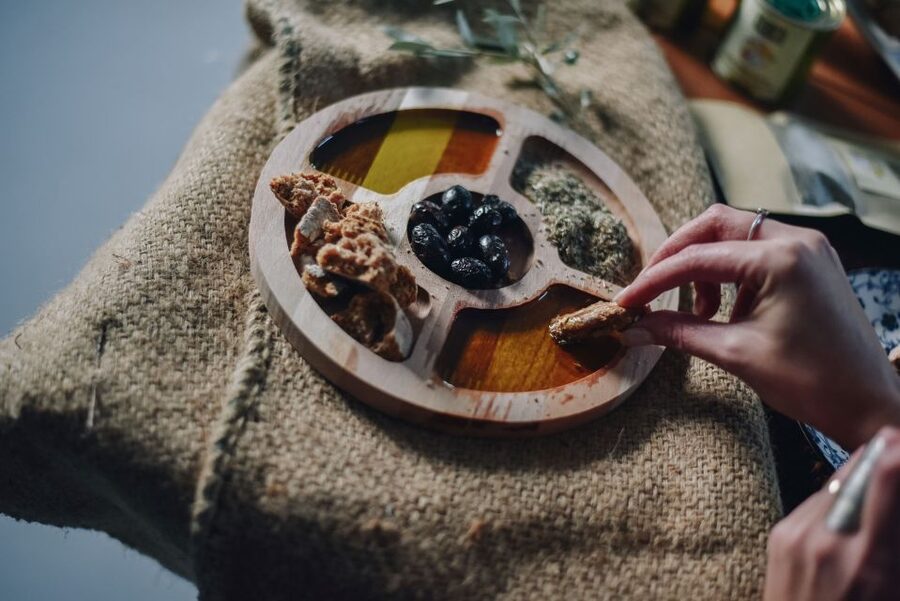
Now comes the part most people remember: the tasting. This isn’t a sad little sip-and-hope session. You sit down to sample olive oils alongside local delicacies.
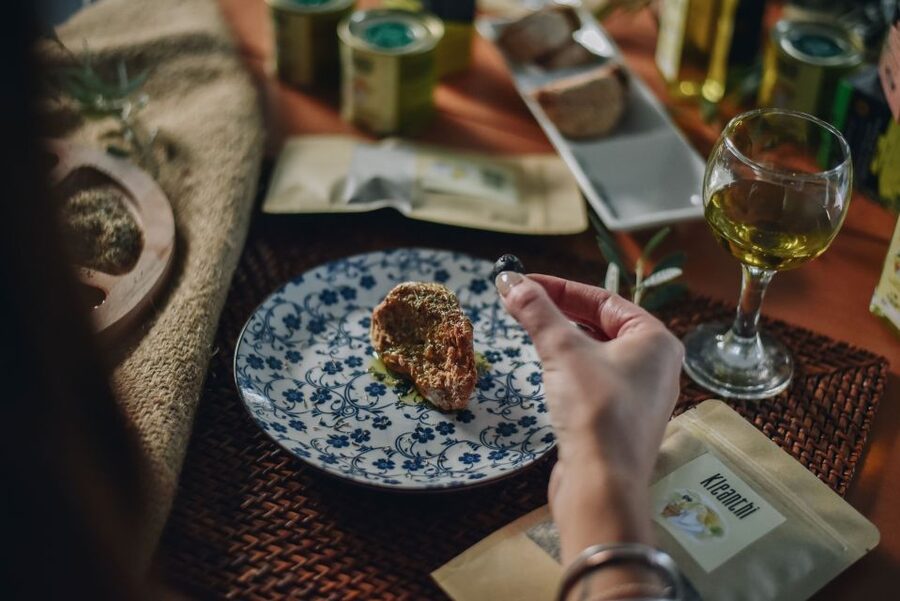
The experience is designed to teach your senses. You learn how to discern flavors and aromas across different blends, then you pair them with foods. That pairing is the secret sauce.
Why pairing matters: olive oil doesn’t taste the same in your mouth by itself as it does on bread, with cheese, or with something savory. When you taste it in combination, you learn what the oil does for food—and what the food does for the oil.
Expect a spread that can include (based on what’s described and repeated in visit experiences):
- artisanal bread
- cheeses and yogurt
- fruit and vegetables
- olives and honey
- herbs and spices used for pairing
- meats such as ham
- and sometimes additions like grape vinegar or raki after the tasting
Many visitors say they were satisfied like it was lunch, because the portioning is generous and the spread is varied. That also makes the tour feel like it’s more than a “product demo.” It becomes a small Cretan meal where olive oil is the main character.
If you want to get more out of the tasting, do this:
- Smell first. Don’t rush to drink.
- Take a small taste, then pause. Notice peppery heat, bitterness, fruitiness, and how it lingers.
- Try one food with one oil, then compare with the next pairing the guide suggests.
Guides also often explain which spices go best with which oil styles. That gives you a practical takeaway you can use at home: not just what you like, but how to match flavors.
And yes, the oil is often described as some of the best people have had in Crete. Even if you already consider yourself an olive oil snob, the tasting format helps you refine your preferences.
Shopping at Kleanthi: take home the oil, not the souvenirs
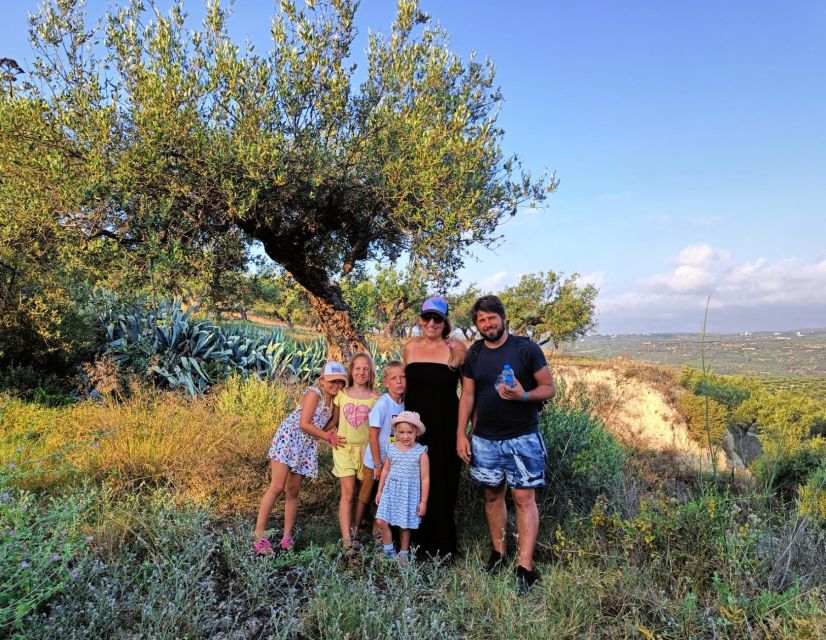
After the tour and tasting, there’s time for shopping. This is where the day shifts from education to action. If the tasting worked, you’ll want bottles.
The good news is that the shopping feels like part of the experience, not an abrupt trap. You’re buying what you just sampled, so you’re not guessing. Also, many visitors mention that product prices feel reasonable.
What to buy depends on what you want to do at home:
- If you cook often, grab oils that taste like they will hold up in savory dishes.
- If you like salads, choose bottles that give you that fruity or peppery edge.
- If you’re gift-shopping, consider a small selection so recipients can compare blends rather than picking one “default.”
If you’re watching your carry-on weight, buy less but buy smart. A tasting tour like this is designed to help you narrow down what you actually enjoy, so you can avoid bringing home bottles you’ll never open.
And because this happens right after the tasting, your decision-making brain is still sharp.
Value check: is $23 a fair deal for olive oil education and lunch-like tasting?
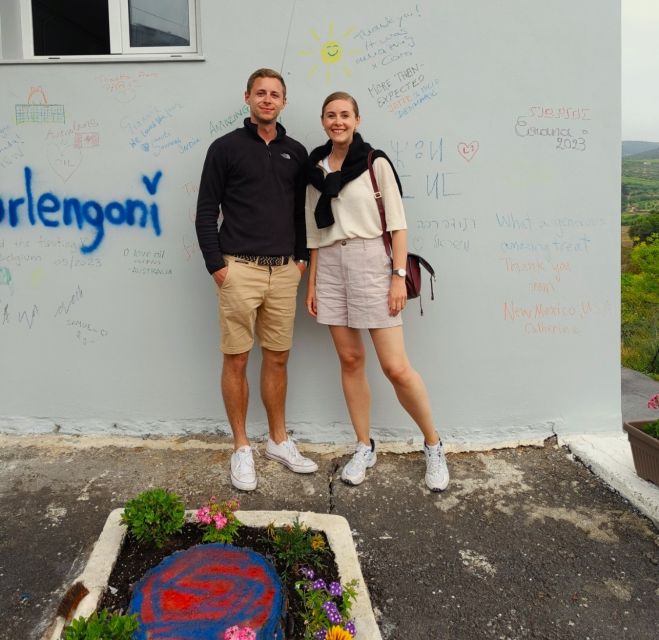
At about $23 per person for a 1-day guided tour with tasting, this is one of the more cost-effective ways to learn about olive oil in Crete—especially when you treat it as a combined experience.
You’re paying for three things:
- A guided walk through olive groves with real farming context
- Access to the mill where extraction is explained and shown
- A tasting menu with food pairings plus water and refreshments
Many tours in tourist areas charge similarly just for a short visit and a snack. Here, the tasting portions can feel like a meal, and the guide time is spent on both the farming story and the production process.
So the value isn’t only the olive oil. The value is the way the day connects:
- tree care → harvest → pressing → flavor → pairing → bottle selection
If you’re already planning to eat somewhere anyway, factor that in. If you skip breakfast or don’t plan a long lunch, this tour can do a lot of work for your schedule.
Who this tour is perfect for (and who should pass)
This is a strong match if you:
- want a hands-on, food-based activity near Heraklion
- enjoy guided learning but still want something enjoyable and tasty
- like agricultural experiences—especially when they end with a real meal-style tasting
- want an easy, day-trip feel without needing long train or bus rides
It’s also a good fit for couples, small groups, and solo travelers who want a friendly guide and time to ask questions.
Consider passing if:
- you need hotel pickup and door-to-door service (this one doesn’t include it)
- you prefer attractions with less walking and fewer outdoor stretches
- you’re only after a quick tasting and zero interest in how oil becomes oil
Should you book the Kleanthi Olive Farm Tour with tasting?
If you’re in Heraklion and you want one memorable, genuinely Cretan experience that mixes nature, food, and production in the same day, I’d book it. The biggest reason is simple: you taste what you learn. You go from ancient trees to a working mill, then sit down with a generous spread of local foods designed for olive oil pairing.
Just plan for self-arrival. Bring comfortable shoes, and don’t overpack your schedule right before or after. If you’re the kind of traveler who likes seeing the source of what you eat—and leaving with bottles you can actually choose confidently—this one is a great call.
FAQ
Where is the meeting point for the tour?
You head to the Kleanthi olive farm in Skalani, Heraklion. Look for road signs such as Kleanthi.
How much does the tour cost?
The price is listed as $23 per person.
What is included in the tour price?
It includes an olive oil tasting menu, water, and refreshments.
Is hotel pickup and drop-off included?
No, hotel pickup and drop-off are not included.
How long is the experience?
It’s listed as a 1-day activity.
What language is the tour guide?
The tour guide provides the experience in English.
Can I get a full refund if I cancel?
Yes. Free cancellation is available up to 24 hours in advance for a full refund. Reserve & pay later is also offered.