REVIEW · KOTOR
Olive oil farm to fork experience & short walking tour of Kotor
Book on Viator →Operated by Kotor Private Tours · Bookable on Viator
Olive oil secrets near Kotor. This five-hour, private tour pairs a short Old Town walking start with a Lustica farm visit where the family has been growing olives for generations and showing how oil goes from an old 150-year mill to a modern anaerobic press. I particularly like the way you meet the people behind the oil, and how the tasting actually teaches you what to notice.
One thing to consider: the price is per group (up to 6), so it can be a bigger splurge if you’re traveling solo or as a small party. Also, the Kotor part is intentionally short, so it’s best if you want highlights rather than a full-day city deep dive.
In This Review
- Key Things to Know Before You Go
- A Farm Visit That Feels Like Visiting Family in Lustica
- Kotor Old Town Walk With Lisette or Daniel: Short, Useful, Not Overlong
- The Olive Estate: 200 Years, Nearly 1,000 Trees, and a 150-Year Mill
- Old Press Meets Modern Anaerobic Production: Why the Method Matters
- Olive Oil Tasting: Learning What Makes Quality Feel Noticeable
- Farm-to-Fork Lunch: Brandied Welcome, Meats, Cheese, and Apple Pie
- Views on the Way Back: Harbor Stop for Photo Time
- Is It Worth the Price? Private Value Up to 6 People
- Who Should Book This Tour, and Who Might Skip It?
- Should You Book This Olive Oil Farm-to-Fork Tour?
- FAQ
- How long is the olive oil farm to fork experience and Kotor walking tour?
- What is the group size for this private tour?
- How much does it cost?
- Is pickup available in Kotor?
- What language is the tour offered in?
- Where does the tour start and end?
- What’s included in the tasting and food?
- What are the operating hours?
- Is there free cancellation?
Key Things to Know Before You Go
- Lustica farm family access: you visit their estate and see both the old and new production methods in action
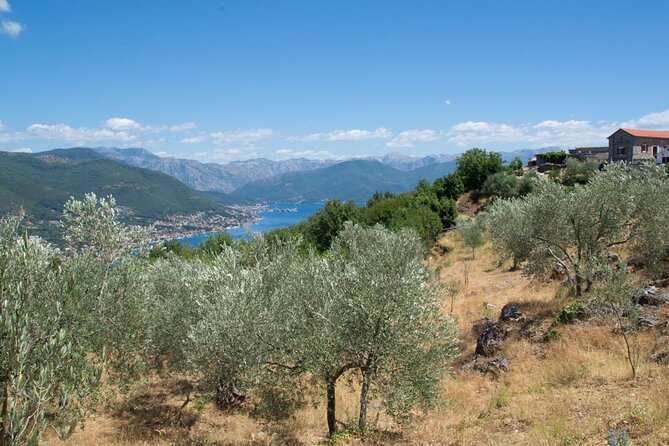
- Nearly 1,000 olive trees: many trees are centuries old, planted on land the family has owned for 200 years
- Old-to-modern production story: a 150-year-old mill plus today’s anaerobic press
- Real tasting and food: you sample the olive oil and enjoy homemade bites with local drinks
- Guides who connect dots fast: Daniel and Lisette guide a short Kotor walk before the drive to the farm
A Farm Visit That Feels Like Visiting Family in Lustica
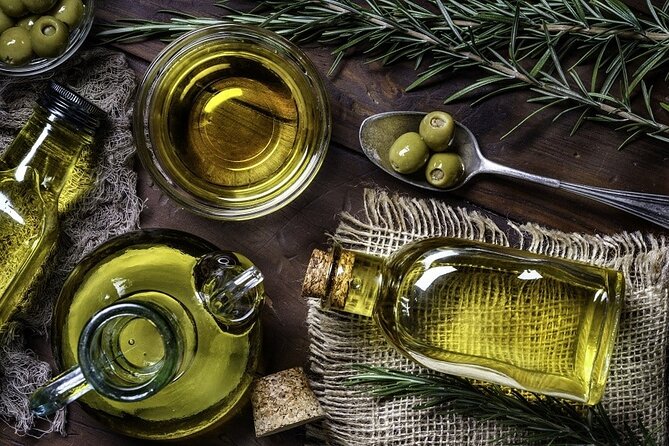
If you like food stories that have a real spine—time, work, and know-how—this is a strong choice. The Lustica region has cultivated olives and produced olive oil for more than 2,000 years, and the experience is built around that long timeline. You’re not just looking at photos or hearing theory. You’re walking an estate where olive trees are part of daily life, and you’re learning how old methods compare to modern processing.
A big win is the farm setting itself. You spend time among nearly 1,000 olive trees, many older than most of the buildings you’ll see in the Mediterranean. That scale matters. It helps you understand why olive oil is such a cultural staple here: it’s not a hobby farm. It’s an agricultural rhythm.
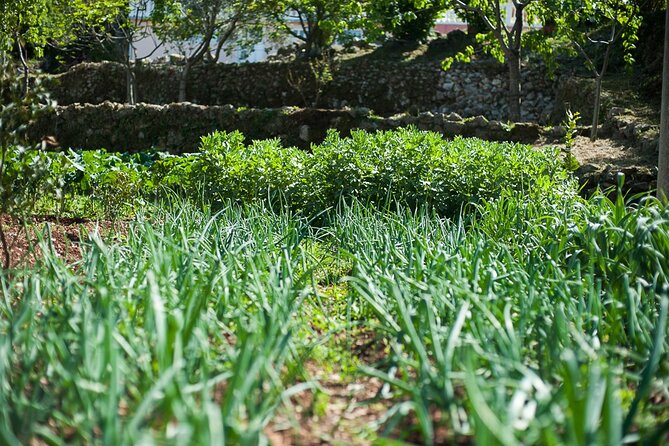
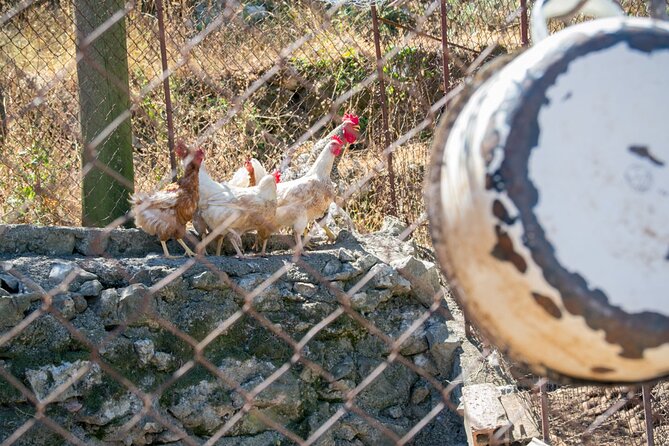
I also like that the family shares more than the production side. They grow vegetables and keep animals on the estate, so the meal you get later doesn’t feel random. It feels like the next step in the same place—food from the land, served with local pride.
You can also read our reviews of more tours and experiences in Kotor.
Kotor Old Town Walk With Lisette or Daniel: Short, Useful, Not Overlong
Before you head out to the farm, you get a short walking tour of Kotor. In the reviews, Daniel and Lisette are credited for making that city start fun and easy to follow—Daniel in particular connected the city’s history with practical wayfinding so you’re not just wandering in circles.
This part is ideal if you’re doing Kotor for the first time and don’t want to spend half your day sorting it out on your own. The walk helps you get your bearings fast, then the rest of the time goes where the tour shines: the olive estate.
The main drawback? Because the tour is only about five hours total, the city portion stays light. If your goal is a full loop around Kotor’s major sights with lots of stops, you’ll likely want something longer for the Old Town. Think of this as the warm-up, not the whole meal.
The Olive Estate: 200 Years, Nearly 1,000 Trees, and a 150-Year Mill
The farm experience is built around the idea that olive oil isn’t one step—it’s a chain. And the estate is set up to show that chain clearly.
You’ll tour the property the family has owned for 200 years. Then you’ll wander among nearly 1,000 olive trees. Seeing trees that are centuries old changes how you think about production. You start asking practical questions like: how do they plan for seasonal cycles, and how do they keep quality consistent year to year? Even if you don’t ask out loud, the setting nudges you there.
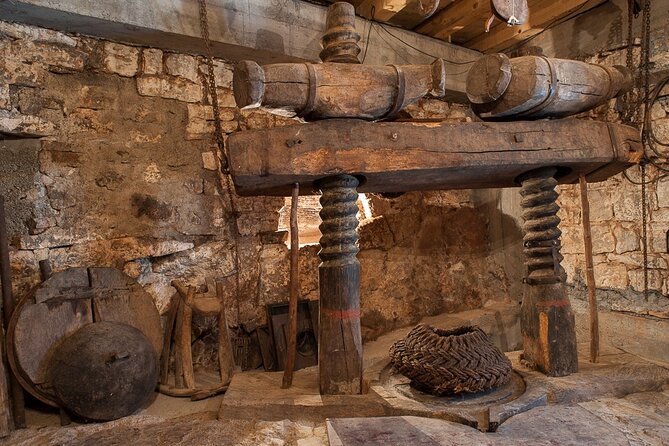
The star of this stop is the old production setup: you’ll see the authentic 150-year-old mill. This is where the tour earns its credibility. It’s not just a museum-style object. It’s part of the story of how oil used to be made, and you can often feel the difference between hands-on craftsmanship and modern speed.
And because you’re actually on the estate, it’s easier to connect what you see to what you’ll taste later. The old mill makes the tasting feel like a continuation, not a separate activity.
Old Press Meets Modern Anaerobic Production: Why the Method Matters
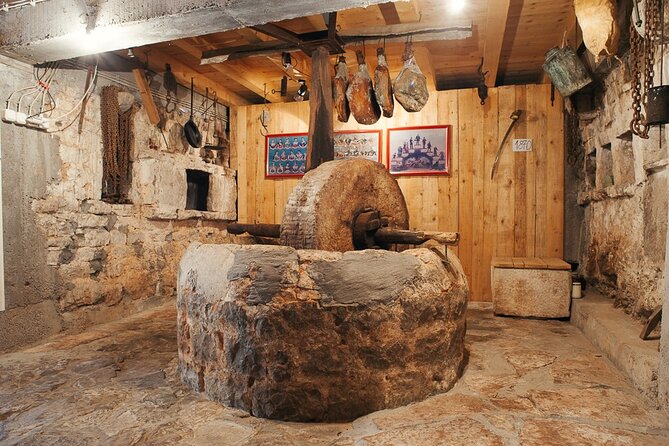
After you see the older way, the tour shifts to how things work today. You’ll learn about the modern olive press using anaerobic production and how that change affected the family’s lifestyle.
You don’t need to be a food scientist to appreciate why this matters. In plain terms, method influences flavor. Oxygen exposure and processing choices can affect aroma, bitterness, and overall quality. When you hear how the family changed their workflow with modern equipment, it helps you understand why olive oil isn’t interchangeable. It’s not just olive plus time—it’s olive plus process.
This old-to-new comparison is also one of the most practical parts of the day. It gives you context for reading labels later back home. Instead of thinking all olive oil tastes similar, you start paying attention to things like production choices and quality cues.
If you enjoy conversations, you’ll likely like this part too. The tour includes time for chatting with Ilija, the man behind the oil business. The goal isn’t a sales pitch. It’s a real discussion about life in the area and what it takes to keep the operation going.
Olive Oil Tasting: Learning What Makes Quality Feel Noticeable
The olive oil tasting is where most food tours either teach you something—or leave you staring at tiny cups with no clue what you’re meant to do. Here, the tasting is paired with the earlier production story, so your senses have something to hold onto.
During tasting, the emphasis is on learning the nuances and discerning quality. That language can sound vague, but the key is that you’re being guided to notice differences, not just drink oil and hope for the best. The mill you saw and the modern anaerobic process you learned about become clues for what you’re tasting.
Here’s what you should do to get the most out of the tasting:
- Pay attention to the way the oil smells first, then the mouthfeel, then the finish
- Compare what you taste across the samples, even if you’re not sure why yet
- Ask basic questions about what makes one oil better to them (you’re tasting a family’s choices, not abstract grades)
Also, don’t treat it like a one-note experience. The tour includes a welcome drink and local food, so tasting works best when you pace yourself. Small sips and bites keep your palate awake.
Farm-to-Fork Lunch: Brandied Welcome, Meats, Cheese, and Apple Pie
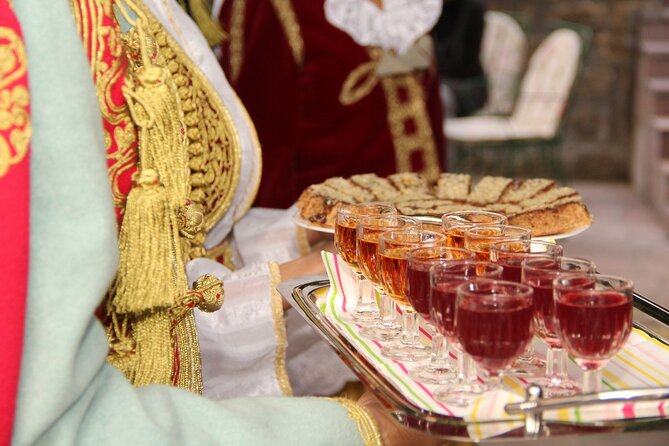
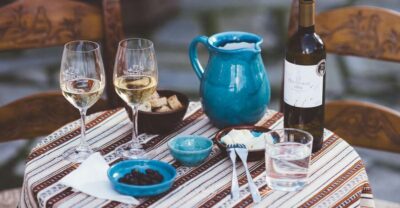
After olive oil comes food, and it’s the good kind of food: homemade, local, and served in a way that matches the setting. You’ll start with a welcome drink—either cherry or grape brandy—and then sample organic olive oil with bread.
From there, the lunch leans into classic, hearty farm flavors. The menu includes things like:
- homemade style bread
- cheese, prosciutto, and olives
- smoked ham, bacon, and sausages
- salad
- apple pie
In the reviews, people call out the homemade prosciutto, cheeses, olives, and wine, plus a view that makes you slow down without meaning to. It’s the kind of meal where you can hear conversations at a normal volume, and nobody seems in a rush to get you to the next photo spot.
This is also a nice moment for the whole day to click. You start in Kotor, then you move to the estate, then you taste. The meal acts like the final chapter, and you leave with something more useful than a souvenir: understanding. You can describe what you ate and how it relates to where it came from.
Views on the Way Back: Harbor Stop for Photo Time
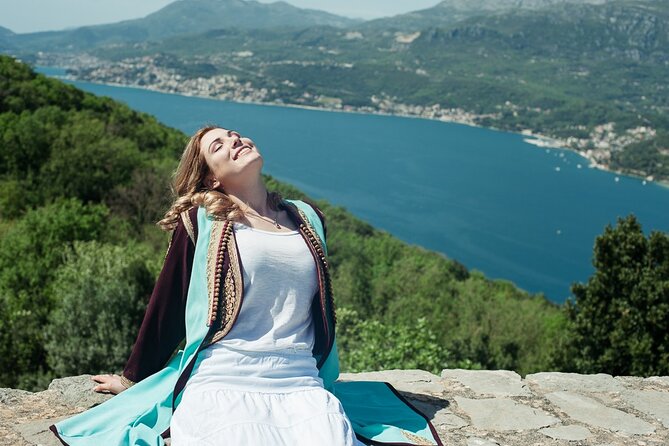
A short Kotor walk is only half the picture. The other half shows up when you head back toward Kotor with a bit of scenic driving.
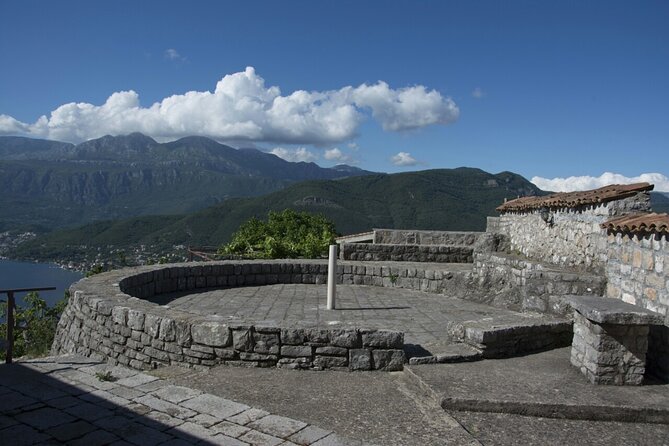
In reviews, Daniel is praised for taking the group for a great harbor view out of the way. That matters because it turns the transportation segment into part of the experience, not just dead time between stops.
If you’re the type who likes a couple of great photos (and not 50), this is a good balance. You get a viewpoint moment without turning the day into a full sightseeing marathon.
Is It Worth the Price? Private Value Up to 6 People
Let’s talk money. The price is $863.54 per group for up to 6 people, for about five hours. That works out to roughly $144 per person if you fill all six spots.
For many people, that’s a fair way to do a premium experience like this, because you’re paying for:
- a private group setup
- guide time (English)
- pickup coordination in Kotor Old town or the port
- farm entry and a guided production story
- olive oil tasting
- a homemade lunch with local drinks
If you’re traveling as two or three, the cost per person climbs fast. In that case, this tour becomes a “treat day” choice. But if you have a small group of friends or family, it can be excellent value—especially compared to piecemeal tours where you’d pay separately for city guidance, farm admission, and a meal.
Also, it’s private. That means you can ask questions during the olive oil conversation, linger if something grabs your attention, and keep the pace comfortable.
Who Should Book This Tour, and Who Might Skip It?
You’ll love this tour if you want more than a checklist. It suits people who care about food culture, like seeing craft and production methods in person, and enjoy a day that mixes walking with one strong destination.
It’s also a good fit for groups who want a shared experience without planning every stop. Because the tour is designed for a group of up to six, you get the feeling of an actual day out, not a crowded bus parade.
You might skip it if:
- You’re looking for a full, detailed Kotor sightseeing day
- You’re traveling solo on a tight budget
- You prefer purely outdoor walking with no tasting and meal component
One more helpful detail: the experience is listed as service animals allowed and most travelers can participate. It’s not described as an all-day hike, so it’s usually easier on your schedule than strenuous tours. Still, bring comfortable shoes for the walking portions and farm paths.
Should You Book This Olive Oil Farm-to-Fork Tour?
Yes—if you like hands-on food learning and you want your Kotor visit to include more than Old Town streets. The combo of a short Kotor walk plus a Lustica estate visit hits a sweet spot: you get context, then you get the real thing.
Book it if you have a group size that keeps the per-person price reasonable, and if you’ll actually enjoy tasting and conversations with Ilija. This isn’t just a meal. It’s a story you can taste, from the old 150-year-old mill to modern anaerobic production, paired with a homemade lunch that feels tied to the land.
If you’re on the fence, the deciding factor should be simple: do you want olive oil as a cultural experience, not a retail stop? If yes, this tour is worth your time.
FAQ
How long is the olive oil farm to fork experience and Kotor walking tour?
The tour lasts about 5 hours.
What is the group size for this private tour?
It’s a private tour/activity with your group only, up to 6 people.
How much does it cost?
The price is listed as $863.54 per group (up to 6).
Is pickup available in Kotor?
Yes. Pickup details say that if you meet in Kotor Old town or Kotor port, the team holds a sign with your name.
What language is the tour offered in?
The tour is offered in English.
Where does the tour start and end?
It starts in Kotor, Montenegro and ends back at the meeting point.
What’s included in the tasting and food?
You’ll have an olive oil tasting and a homemade meal. The sample menu includes items like bread, cheese, prosciutto, olives, salad, apple pie, and a welcome drink (cherry or grape brandy), plus homemade meat and local ingredients.
What are the operating hours?
Operating hours are listed as Monday to Sunday, 9:00 AM to 2:00 PM.
Is there free cancellation?
Yes. You can cancel for a full refund up to 24 hours in advance of the experience start time, and the tour notes that cancellation is free under that condition.