REVIEW · MIGGIANO
Salento: Olive Oil Mill Walking Tour with Tastings
Book on GetYourGuide →Operated by Timonfaya Travel Lanzarote · Bookable on GetYourGuide
Olive oil gets way more interesting once you see the mill. This Miggiano tour mixes a family-run farm walk with hands-on tasting, plus a real guide explaining how quality is judged from tree to bottle. You’re not just sampling. You’re learning a method you can use later when you shop.
I especially love how it helps you tell different olive oils apart, using practical tips so the tasting makes sense. I also like the human side: you meet people tied to the farm for nine generations, and you hear how tradition and sustainability show up in daily decisions. One possible drawback: the name says walking tour, but the bulk of the value is often in the tastings and explanations, so on very hot days or depending on the day’s flow, expect less strolling than you might assume.
In This Review
- Key things worth knowing before you go
- A Salento Olive Oil Mill Walk Where the Family Still Runs the Press
- Your 2-Hour Rhythm: Grove Stroll, Mill Visits, and Straightforward Lessons
- From Olive Tree to Bottle: How the Process Gets Explained in Plain Language
- Taste Like an Insider: Recognizing Oil Styles and Quality
- Ricotta, Bruschetta, and Wine: Pairing Lessons You Can Use at Home
- Sustainability Isn’t a Poster Here: Award-Winning Farming Through Hard Years
- Logistics Worth Knowing for a Smooth Visit
- Price and Value Check: What You Really Get for $44
- Who Should Book This Tour (and Who Might Skip It)
- Should You Book This Salento Olive Oil Mill Walking Tour?
- FAQ
- How long is the Salento olive oil mill walking tour?
- Where does the tour take place?
- What language is the tour guide?
- Is transportation included?
- What’s included in the tastings?
- Is wine included?
- How big is the group?
- What happens if I need to cancel?
Key things worth knowing before you go
- Nine generations on one farm: you’ll tour with a family member running the operation
- Learn to rank oil quality: you’ll practice what to look for during tastings
- Taste the local food too: fresh ricotta and bruschetta come with the oil samples
- Small group size (up to 10): easier questions, calmer pacing
- One glass of wine plus water: helpful for the full flavor experience
- Sustainability in hard years: you’ll hear how they keep quality high despite major setbacks
A Salento Olive Oil Mill Walk Where the Family Still Runs the Press
If you like food travel, you’ll appreciate this tour for one reason: it connects taste to the process. Olive oil is one of those products people either buy on faith or judge by marketing. Here, you learn to judge with your senses, then you learn what those senses are responding to in the grove and mill.
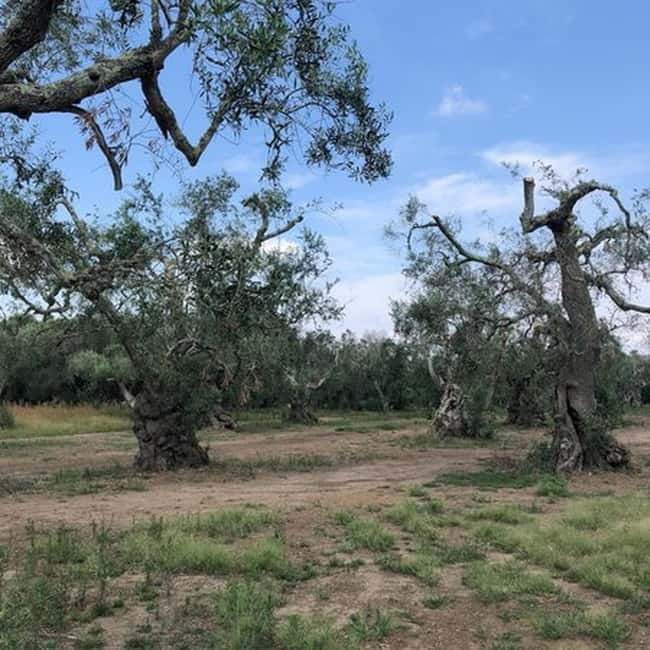
The setting matters. You’re in Apulia (Salento area) near Lecce, in and around Miggiano, where olive growing isn’t a side hobby. The tour begins at a family-run olive mill that’s been operating since the 1700s and has earned awards. That’s not just a nice backdrop; it signals that the place has been doing this long enough to get good at consistency.
And the guides bring it to life. In the past, the tour has been led by people like Maria, Marta, and Emmanuele, all with strong English. You’ll get explanations you can actually follow, not a rapid-fire lecture. If you’ve ever felt lost during tastings, this format should feel friendlier.
Your 2-Hour Rhythm: Grove Stroll, Mill Visits, and Straightforward Lessons
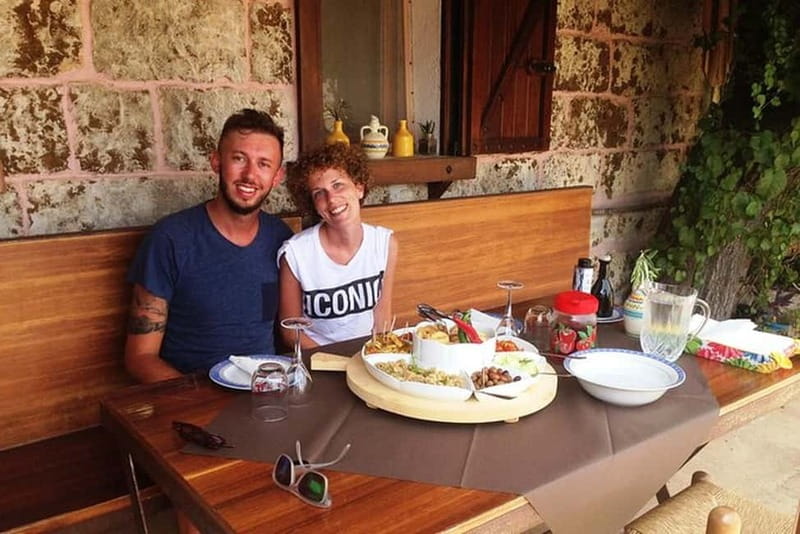
This is a 2-hour experience, built for a small group of up to 10 people. That smaller size is practical: it makes it easier to ask questions about what you’re tasting and why it matters.
You’ll move through three main phases:
1) meet at the family olive mill,
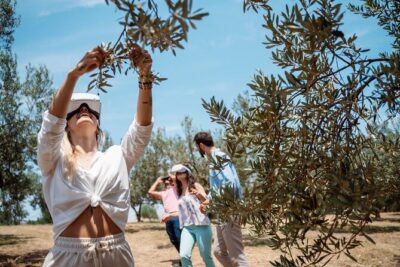
2) walk through the olive grove areas,
3) return to the production spaces for deeper explanation and tasting.
On paper it reads like a walking tour, but here’s the key expectation: even with a grove stroll, the core of the value is the guided breakdown and tasting practice. That’s great if you want learning and flavor skills. If you’re looking for a long outdoor hike, you may find the time outdoors is shorter than you imagined.
Also plan for sun. Several accounts mention hot weather, and a farm visit can feel intense in the afternoon. You’ll want water (included) and a hat. Comfortable shoes help, but don’t expect technical hiking terrain. This is farm walking, not mountain scrambling.
From Olive Tree to Bottle: How the Process Gets Explained in Plain Language
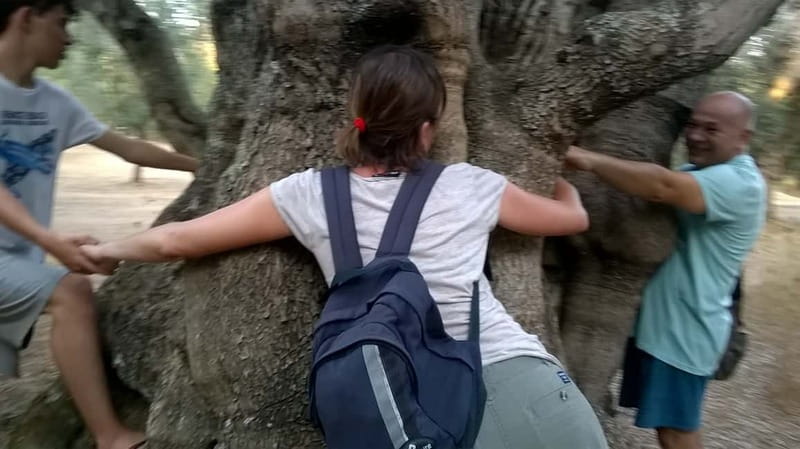
The best part of this tour isn’t just that you’ll taste oil. It’s that you’ll learn the chain of decisions that produces the oil you’re tasting.
You’ll get the production story from:
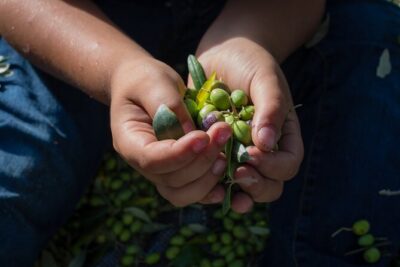
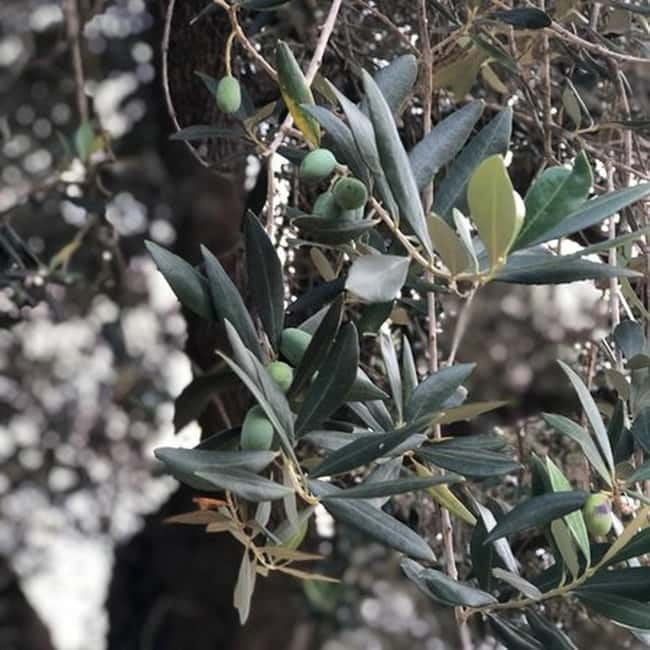
- how olives are tended in the grove,
- what happens at the mill,
- and how the final oil becomes the product you use on your table.
You’ll also learn the idea that olive oil quality is not one single thing. Quality connects to how olives are handled, timing, and the methods used to produce the oil. When you understand that, tasting stops being random. You start connecting flavor notes to real steps in the process.
What makes this lesson useful is the practical framing. The guide explains how to recognize different types of olive oil and how to pair them with food. That turns the tasting into something you can reuse later, not just a one-off experience.
Taste Like an Insider: Recognizing Oil Styles and Quality
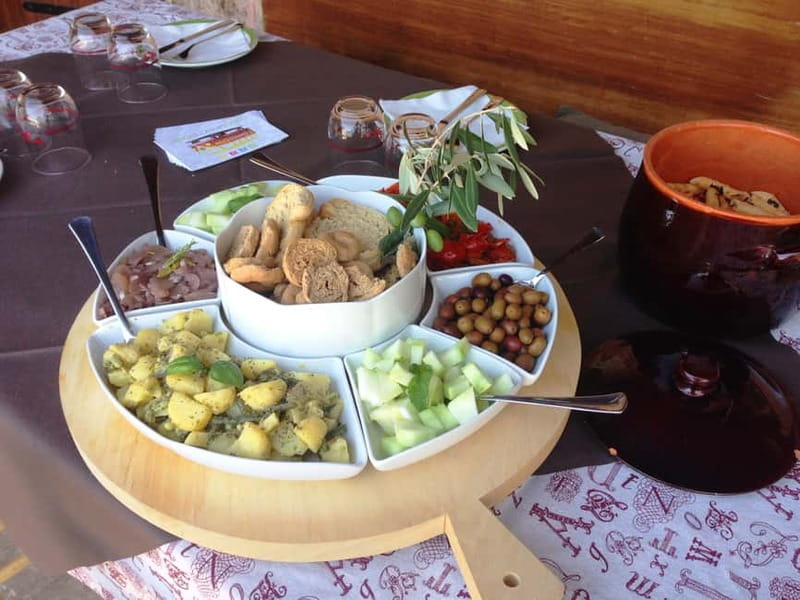
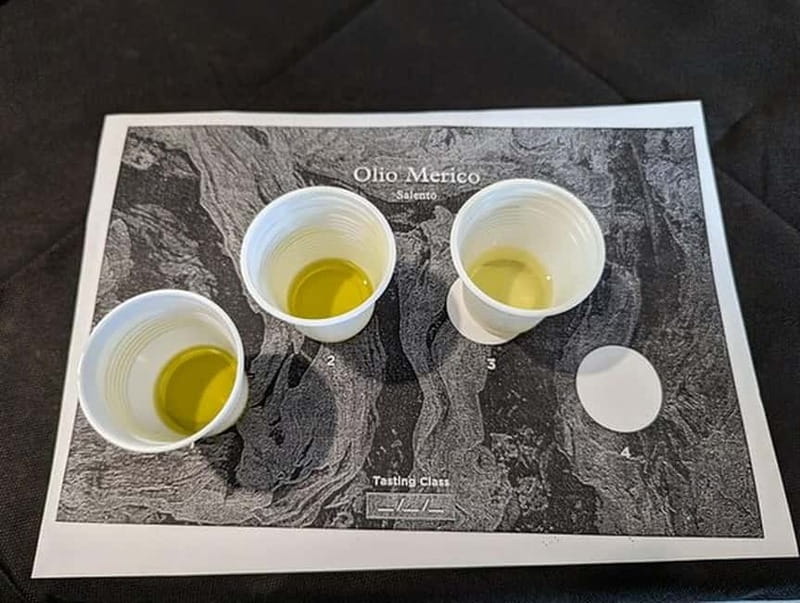
Here’s where this tour earns its keep: you get structured tasting focused on recognizing differences and ranking quality.
During the tasting, you’ll sample multiple olive oils and learn:
- how to spot differences by flavor characteristics,
- how to think about quality ranking,
- and how to apply your senses instead of relying on labels alone.
A big theme you’ll hear is sustainability and consistency, not just taste. One guided account highlights how serious challenges can hit production. For example, one farm leader shared that they faced around 80% less yield because many olive trees were nearly destroyed by a bacterium. Even with that kind of disruption, they keep pushing toward top quality and look for sustainable solutions.
That kind of context matters. When you taste something that comes from a farm facing real pressure, you get a sharper sense of what “quality” means beyond perfection. You’re tasting effort, not just output.
You’ll also likely pick up the simple trick that makes tastings easier: go slow. Taste, pause, compare, then listen to what the guide helps you notice. This is exactly the kind of experience where small group size helps because you can get your questions answered right away.
Ricotta, Bruschetta, and Wine: Pairing Lessons You Can Use at Home
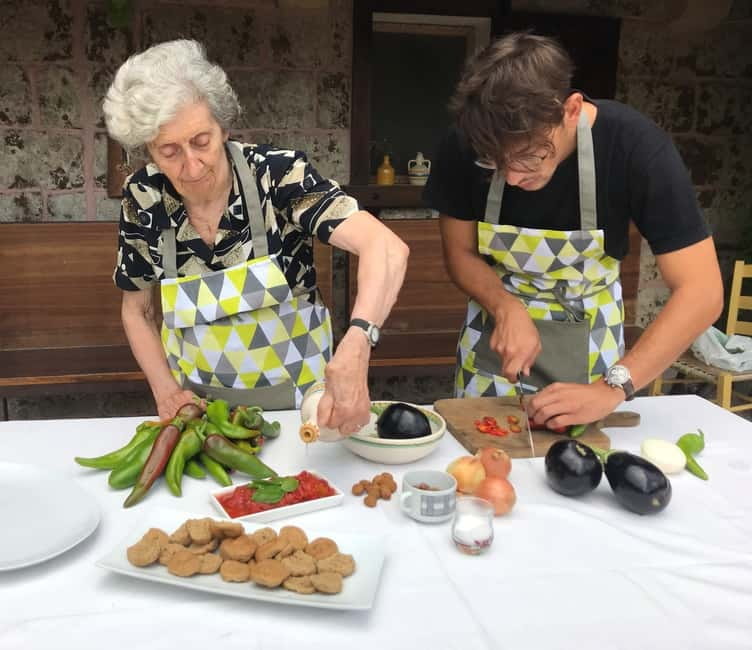
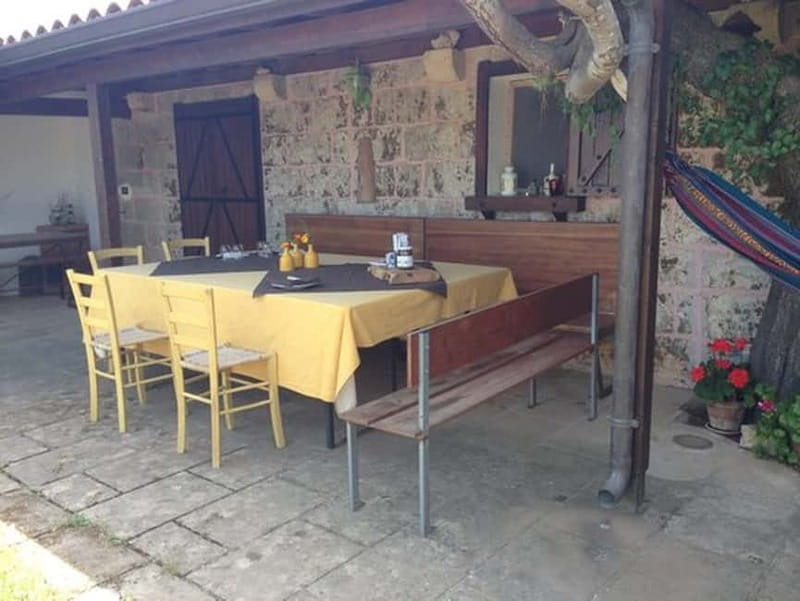
The tour doesn’t stop at oil. You’ll also taste local specialties, including fresh ricotta and bruschetta, and you’ll have one glass of wine. That food-and-wine pairing component is not filler. It’s the bridge between learning in the mill and eating at your table.
I like this approach because it forces you to think in combinations:
- Some olive oils make greens and vegetables taste brighter.
- Others pair better with bread and simple spreads.
- The wine helps you reset your palate between samples so you can keep comparing.
If you’ve ever brought home a bottle of olive oil and then wondered what to do with it, this part can solve that. Instead of treating olive oil like a generic ingredient, you start thinking like a cook or a shop-savvy eater.
And yes, it’s a nice relief on a farm day: you’re outside, you’re learning, and then you get to eat.
Sustainability Isn’t a Poster Here: Award-Winning Farming Through Hard Years
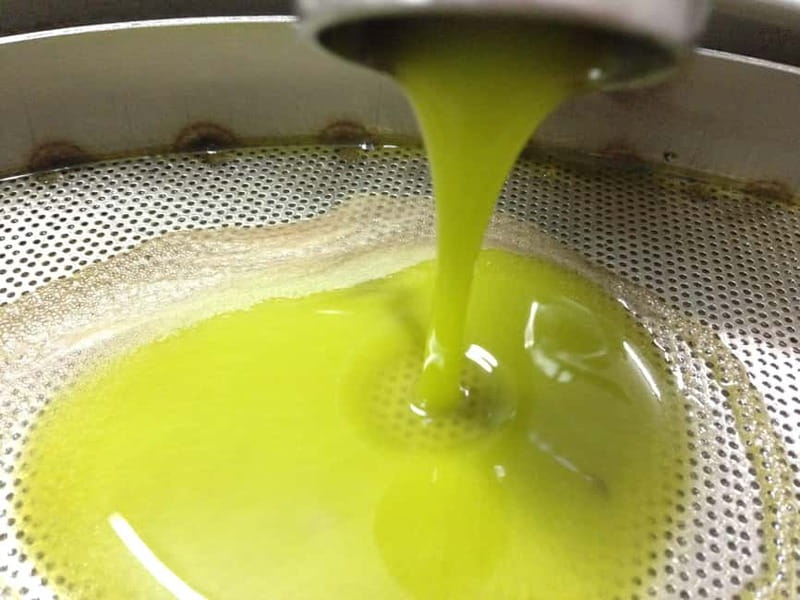
Olive oil tours can sometimes sound like a storybook. This one stays grounded.
Because the mill is family-run and has been operating since the 1700s, you get a view of farming as ongoing work, not a single moment. Several accounts emphasize the family’s commitment to eco-minded practices and caring for heritage. You’ll feel that in the way the tour connects the grove to the mill and links today’s choices to past methods.
You’ll also hear about real challenges. That 80% yield reduction example isn’t the kind of detail you invent for a marketing pitch. It’s the kind of thing that explains why good olive oil can be hard to produce consistently, and why farmers may need new solutions when conditions change.
If you’re the kind of traveler who cares about how food is grown, this part will stick with you. It makes the tasting feel earned.
Logistics Worth Knowing for a Smooth Visit
Transportation isn’t included, so you’ll need to plan how you get to Miggiano and back. The tour itself is guided in English, and the group is capped at 10 participants, which keeps it from feeling crowded or rushed.
A few practical notes to make your experience smoother:
- Dress for sun and farm air. Use a hat and bring sunscreen.
- Wear comfortable walking shoes, since you’ll stroll through olive grove areas.
- Bring a curious mindset. This isn’t just about sampling; it’s about learning to recognize differences.
One small consideration: on at least one occasion, the tour format leaned more toward tasting and sitting than extended walking. If walking is your main goal, treat this as a tasting-focused experience with some grove time, not a long outdoor trek.
Price and Value Check: What You Really Get for $44
At $44 per person for a 2-hour tour, you’re paying for more than a few sips of oil. You’re paying for:
- access to a working, family-run mill and grove,
- a live English guide,
- multiple olive oil tastings,
- local food tastings (including ricotta and bruschetta),
- one glass of wine and water.
If you think about what you’d spend on a guided food experience plus tastings plus wine elsewhere, this starts looking like solid value. You also get something harder to price: the ability to recognize oil quality yourself. That’s the souvenir that lasts.
If you’re already a serious olive oil fan and you want real sensory skills, the learning component can make the price feel even more reasonable. If you mainly want scenic walking and don’t care about tastings, you might feel it’s more structured than adventurous.
Who Should Book This Tour (and Who Might Skip It)
This tour is ideal if:
- you want a hands-on olive oil tasting with real guidance,
- you enjoy food travel that teaches you how to taste,
- you like meeting people behind a product, not just seeing a place,
- you’re okay with a mostly tasting-and-explanation pace.
You might skip it if:
- you want a long hike with lots of outdoor time,
- you strongly prefer unguided exploration,
- you don’t enjoy food tastings or pairing exercises.
Still, even if you’re a casual foodie, the format is approachable. You’re guided through it step by step, and the small group setting helps keep it comfortable.
Should You Book This Salento Olive Oil Mill Walking Tour?
I’d book it if you want more than bottles and brochures. This is one of those experiences that helps you go home with a better nose (and a better palate) for what makes olive oil taste different and how to use it.
Book it especially if:
- you’re visiting the Lecce area and want an authentic food stop,
- you like farm-to-table learning,
- you’re curious about how family operations keep quality high even when nature throws problems at them.
If you prefer long outdoor walks or expect a mostly scenic route, just adjust your expectations. Think short farm walking plus guided tasting. That’s the real winning combo here.
FAQ
How long is the Salento olive oil mill walking tour?
The tour lasts 2 hours.
Where does the tour take place?
It takes place in Miggiano, in Apulia (Salento), Italy.
What language is the tour guide?
The tour guide speaks English.
Is transportation included?
No. Transportation is not included.
What’s included in the tastings?
The tour includes an olive oil tasting and a local products tasting.
Is wine included?
Yes. You get 1 glass of wine, plus water.
How big is the group?
It’s a small group limited to 10 participants.
What happens if I need to cancel?
Cancellation is free up to 24 hours in advance for a full refund, and you can reserve now and pay later.