REVIEW · ANDALUCIA
Tour of Olive Grove and Oil Mills with Oil Tasting
Book on Viator →Operated by Olearum · Bookable on Viator
Olive oil starts in the grove, not the bottle. This 4-hour Cazorla visit strings together a centenary olive grove with a real mill process and ends in a guided oil tasting with Antonio.
I like that it is not just pretty scenery or a quick stop. You get a clear, step-by-step look at how olives turn into extra virgin olive oil, and then you learn how quality is judged using your senses.
Two highlights for me: the chance to walk among very old trees, and then see a modern cooperative where production is explained in a practical way. You also get a guided tasting focused on possible oil defects, how positive attributes are evaluated, and how the royal and picual varieties come through in aroma.
A possible drawback to plan around: this experience depends on good weather, so if conditions are rough you may need to accept a date change.
In This Review
- Key things that make this Cazorla olive experience special
- Cazorla’s olive culture: why this isn’t just a food stop
- Meeting at 9:00 am and building a smooth 4-hour flow
- Stop 1 at Agraria OLEARUM: from centenary trees to the cooperative world
- Seeing the olive-oil production process up close (and not feeling rushed)
- Early-harvest oil tasting in the Olearum tasting room
- Value in plain terms: what you pay for, and why it adds up
- Who should book this tour, and who might skip it
- Practical tips to get more from the tasting (without overthinking)
- Should you book the Olive Grove and Oil Mills tour with tasting?
- FAQ
- How long is the Olive Grove and Oil Mills tour with oil tasting?
- Where does the tour start and where does it end?
- Is pickup available?
- Is the oil tasting included?
- How big is the group?
- What time does the tour begin?
- What should I bring or have ready for the check-in?
- Is the tour affected by weather?
Key things that make this Cazorla olive experience special
- Centenary olive grove next to Cazorla with real views and context for why this area matters
- Agraria OLEARUM and the full olive-oil production process in a large, modern cooperative
- Small group size (max 10) for questions and a more personal guide pace
- Early-harvest oil tasting in an exclusive tasting room
- Guided training for your senses: defects, positive attributes, and aromatic differences between royal and picual
Cazorla’s olive culture: why this isn’t just a food stop
If you base your trip around olive oil, Cazorla is a smart pick. This area sits in Andalucia’s olive heartland, where the olive tree is more than an ingredient. It is part of the local rhythm—customs, traditions, and how people talk about food.
One reason this tour feels meaningful is that it starts with the tree and the environment before you talk about tasting. The olive grove is treated like the foundation, not a background photo. Even the broader region has recognition ambitions; the area is described as a candidate for UNESCO World Heritage status, which gives you a sense that this is serious cultural heritage, not just agriculture tourism.
You’ll also get a practical payoff. After the walk and the mill visit, the tasting stops being mysterious. You start to understand what makes extra virgin olive oil taste and smell the way it does—and why “good” needs explanation, not vibes.
You can also read our reviews of more tours and experiences in Andalucia.



Meeting at 9:00 am and building a smooth 4-hour flow

This is a focused visit, about 4 hours, built to fit into a day in Cazorla. The start time is 9:00 am, and you’ll meet at Parking Público la Villa, Cam. de San Isicio, 0, 23470 Cazorla. The end point is in the historic center at C. Gómez Calderón, 14, right by shopping and places to grab a drink or meal.
Pickup is offered, which matters because the olive sites and mill operations can be inconvenient if you are on foot. You’ll also get a mobile ticket, so you can keep things simple on your phone instead of hunting for paper.
Group size is capped at 10 travelers. That is not a small detail. In a tasting, you want time to ask follow-ups and to actually compare aromas and impressions. A tight group helps the guide manage pace and keep the tasting from turning into a one-way lecture.
Quick planning thought: since you finish in the center, it works well right before (or right after) lunch plans. If you want a relaxed day, schedule this earlier rather than letting it get squeezed at the end.
Stop 1 at Agraria OLEARUM: from centenary trees to the cooperative world
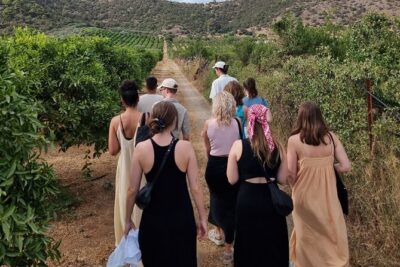
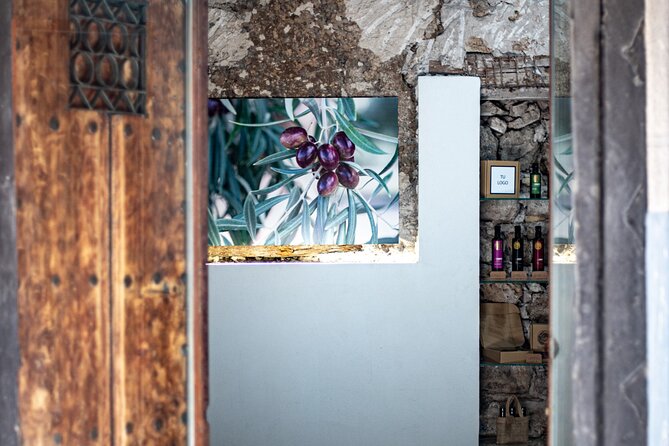
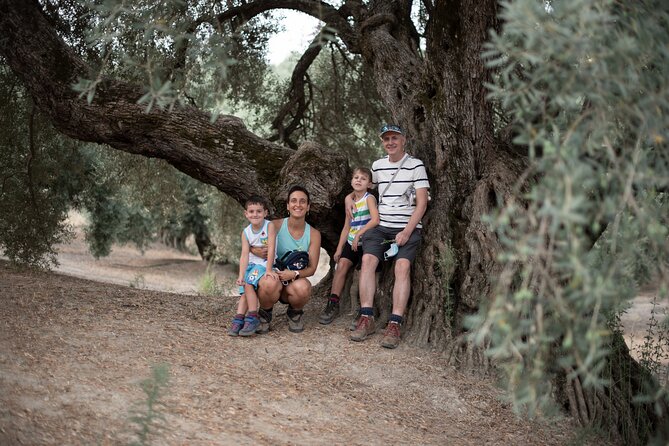
The tour begins at Agraria OLEARUM, first with a visit to a centenary olive grove beside Cazorla. This is where you get the “why” of the whole experience. You can see how the trees shape the area, and you start to connect olive oil to land, care, and harvest timing.
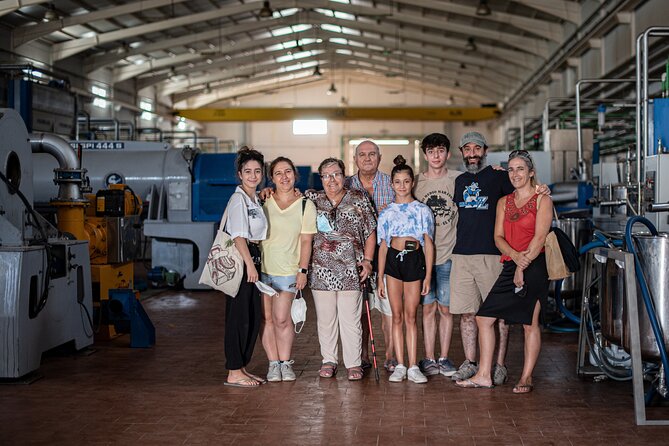
Then you move from walking through the grove to the more industrial, but still very human, side of the story: the cooperative. You visit the region’s largest and most modern cooperative, which is a nice change from tours that only show small, rustic setups. You get to observe the production process and machinery, so the tour explains not just what happens, but where the steps fit.
The benefit here is clarity. When you see the process laid out, it is easier to understand why olive oil quality depends on decisions made far upstream. That context makes the tasting feel earned.
What to consider: if you dislike tours that involve moving between sites (outdoor grove to indoor production areas), you may find it a bit brisk. The total time is only four hours, so the pace is efficient.
Seeing the olive-oil production process up close (and not feeling rushed)
Inside the cooperative, the tour focuses on observing the production process of extra virgin olive oil. Even without being technical for its own sake, it helps you spot the major stages: handling olives, turning them into oil, and guiding the oil toward quality control.
This is one of the most praised parts of the experience for a reason. You are not just watching equipment like a museum. You are guided through what the machines and workflow are doing, which turns the tour into a practical education.
A helpful detail from the way the experience is taught: the guide connects the process to outcomes you will later taste. That makes the final tasting feel like the end of a story instead of a separate activity.
Also, you are not dealing with a crowd. With a small group, it is easier for the guide to tailor explanations, pause for questions, and keep everyone oriented—especially if you have never tasted extra virgin olive oil seriously.
Early-harvest oil tasting in the Olearum tasting room
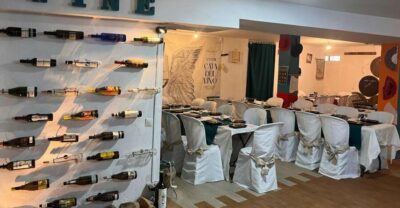
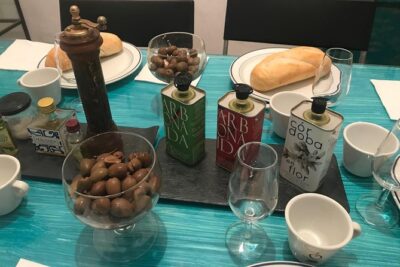
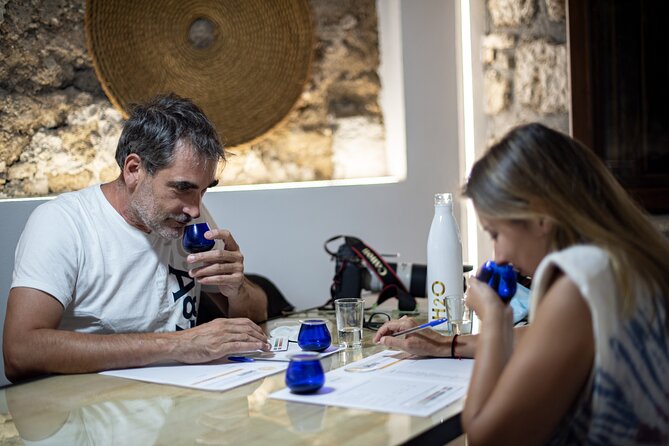
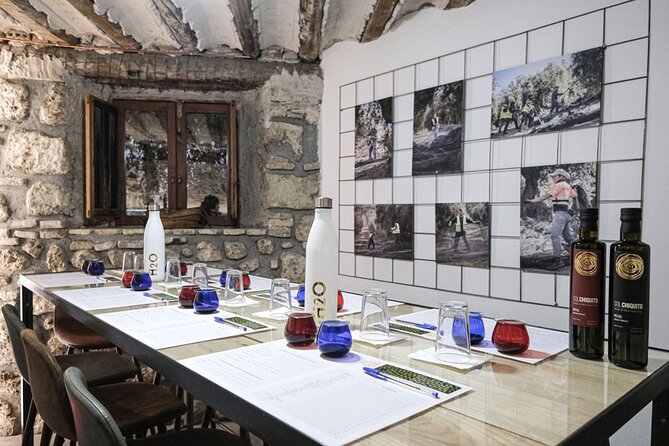
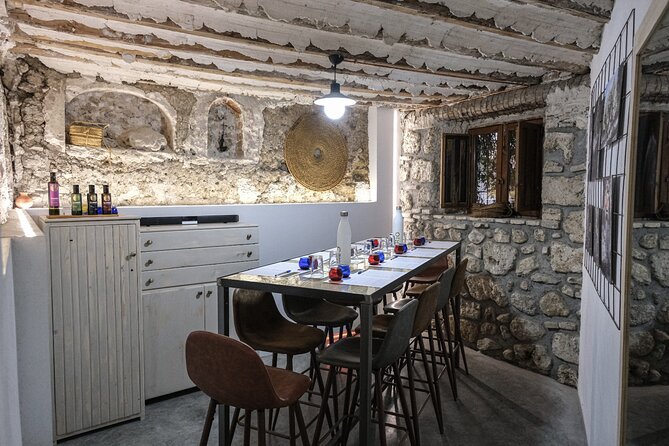
The tour ends in an exclusive tasting room in the historic center. That matters because the tasting space is part of the experience. You are not doing it outside in a walk-through moment—you shift gears into a controlled setting where aromas and impressions make sense.
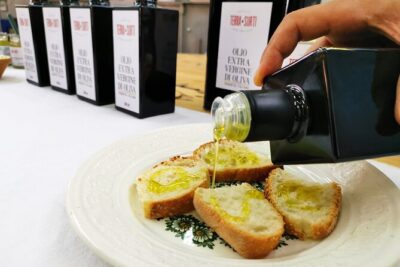
This tasting is early-harvest focused, and the guide uses it to teach you how to evaluate olive oil. You learn about:
- Possible defects in olive oil
- How to judge positive attributes
- Using your senses to notice aromatic differences between the two key local varieties: royal and picual
This is where Antonio’s expertise shows. In the way the tour is presented, he does not treat tasting like a party trick. He explains how to pay attention: smell first, then let the aroma register, then taste and notice what feels clean, balanced, and varietal.
If you have ever tasted olive oil and thought it all seemed similar, this part is where you reset your expectations. Instead of trying to guess, you learn how to compare systematically. The result is not just learning the “best” oil—it is learning how to recognize what you are tasting.
One practical note: oil tastings can be a bit intense for the nose. If you are sensitive to strong aromas, pace yourself and ask the guide to slow down if needed.
Value in plain terms: what you pay for, and why it adds up
At $28.81 per person, this is a straightforward price point for a 4-hour guided experience that includes admission and an oil tasting. What makes it good value is the mix: you get an outdoor grove visit, a production/machinery component, and a guided tasting with an educational focus.
Many tours in food country either do one thing well (just a mill, just a tasting, just a walk) or they do multiple things but keep it superficial. Here, the whole structure supports the same theme: tree → process → sensory evaluation.
You also get strong signal quality. The experience is rated highly with a strong recommendation rate, and the consistent praise centers on one thing: the guide’s ability to teach in an engaging, organized way. That is worth real money, because a tasting without clear guidance is usually just drinking small amounts and hoping it clicks.
If you want to buy a souvenir at the end, this tour often helps you make smarter choices. Even if you do not plan to purchase, you will leave knowing what to look for in a bottle beyond marketing.
Who should book this tour, and who might skip it
This tour is a great fit if you want:
- A hands-on, guided look at how olive oil actually gets made
- A tasting that teaches you how to evaluate oil quality using your senses
- A small-group experience with time to ask questions
It also works well for families. The experience is described as following along well even with kids, which usually means the guide keeps things clear and interactive instead of turning it into pure lecture mode.
If you should skip, it is mainly a question of preference. If you only want the quickest, lightest activity, four hours plus travel between sites might feel like too much. And if you dislike weather-dependent outdoor parts, you’ll want to keep your expectations flexible.
Practical tips to get more from the tasting (without overthinking)
You do not need special wine-tasting gear for this. The guide will walk you through how to use your senses. Still, a few habits help you make the most of the time:
- Go in with curiosity, not just appetite. This is about learning what to notice.
- Take a breath and slow down during smelling. Many people rush and miss the point.
- When comparing royal and picual, focus on the difference in aroma and impression rather than trying to label it like a chef.
Comfort matters too. You’ll be moving between the olive grove and the cooperative areas, so wear shoes that handle uneven ground.
If you plan to visit bars or restaurants after, you’re set. The tour ends in the historic center, near places for a meal and a last look around Cazorla’s main areas.
Should you book the Olive Grove and Oil Mills tour with tasting?
Yes, if you want a Cazorla experience that feels rooted in how olive oil is actually produced and evaluated. This is not just tasting for fun; it is tasting with structure, led by an agronomist-style expert, Antonio, who explains defects, positive attributes, and varietal aromatic differences in a way that makes the experience stick.
Book it especially if you care about value: for the price, you get the grove, a major cooperative production visit, and a guided early-harvest tasting that teaches you how to think like a taster. If weather is iffy, keep an eye on conditions and be ready for a change—but that weather requirement is also a sign they take the experience seriously.
If your time in Cazorla is tight, this four-hour slot is a solid choice. It gives you context for the olive oil you’ll eat, the bottles you might buy, and the local culture you’ll see around town.
FAQ
How long is the Olive Grove and Oil Mills tour with oil tasting?
The experience lasts about 4 hours.
Where does the tour start and where does it end?
It starts at Parking Público la Villa, Cam. de San Isicio, 0, 23470 Cazorla, Jaén, Spain. It ends at C. Gómez Calderón, 14, 23470 Cazorla, Jaén, Spain, at the Olearum tasting room.
Is pickup available?
Pickup is offered.
Is the oil tasting included?
Yes. Admission and the oil tasting are included, and the visit finishes with an early-harvest tasting in the tasting room.
How big is the group?
The tour has a maximum of 10 travelers.
What time does the tour begin?
The start time is 9:00 am.
What should I bring or have ready for the check-in?
You will have a mobile ticket.
Is the tour affected by weather?
Yes. It requires good weather. If it is canceled due to poor weather, you’ll be offered another date or a full refund.