REVIEW · ZAGREB
Zadar, Šibenik: olive oil, wine & food tasting, Self Drive
Book on GetYourGuide →Operated by Dalmatia Oil · Bookable on GetYourGuide
Olive oil lessons and wine tasting in Dalmatia. You start with a guided walk through an ancient grove, then see how the oil is made and taste five award-winning olive oils using a hands-on sensory tasting method. It’s also one of the more friendly setups I’ve seen for learning, because the family hosts explain what matters without sounding like a textbook.
The potential catch is simple: this is a true self-drive experience in the Benkovac area, so you’ll want clear directions ahead of time. And while you do get tasty local bites, a full buffet lunch is optional (extra cost) rather than automatically included.
Why this tasting feels different
- Meet the family behind the mill, not a distant staff handoff.
- Walk the grove and learn the production chain, from harvest to bottle.
- Taste five oils properly, with aroma, bitterness, and peppery finish in professional cups.
- A standout polyphenol lesson with their 2024 early harvest oil (1,200 mg/kg).
- Wine comes with a method, using sight, smell, swirl, sip, and savour.
- Food is built to match the oils, not served as an afterthought.
In This Review
- Olive grove to mill: what you’re really seeing near Benkovac
- The 5-olive sensory course: how you learn to taste like a pro
- Croatian wine tasting with the five-step method
- Local bites that actually match the oils and wines
- Timing and self-drive reality near Zadar and Šibenik
- Price and value: is $29 actually a good deal?
- Who this suits best (and who might want a different plan)
- Should you book the olive oil and wine tasting near Benkovac?
- FAQ
- Where does the experience start?
- How long is the tasting experience?
- Is lunch included in the price?
- What tastings are included?
- Can I buy olive oil at the end?
- Do I need to drive myself?
- Is the tour wheelchair accessible?
Olive grove to mill: what you’re really seeing near Benkovac
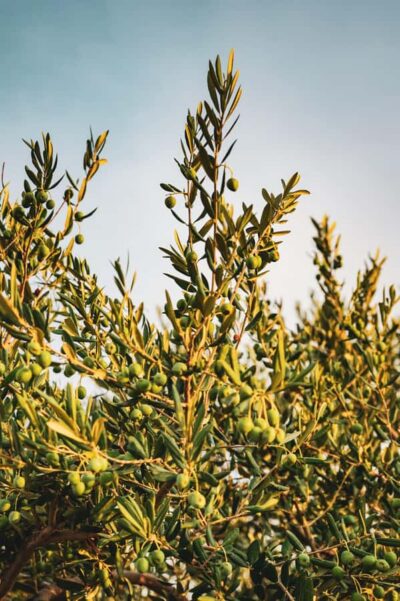
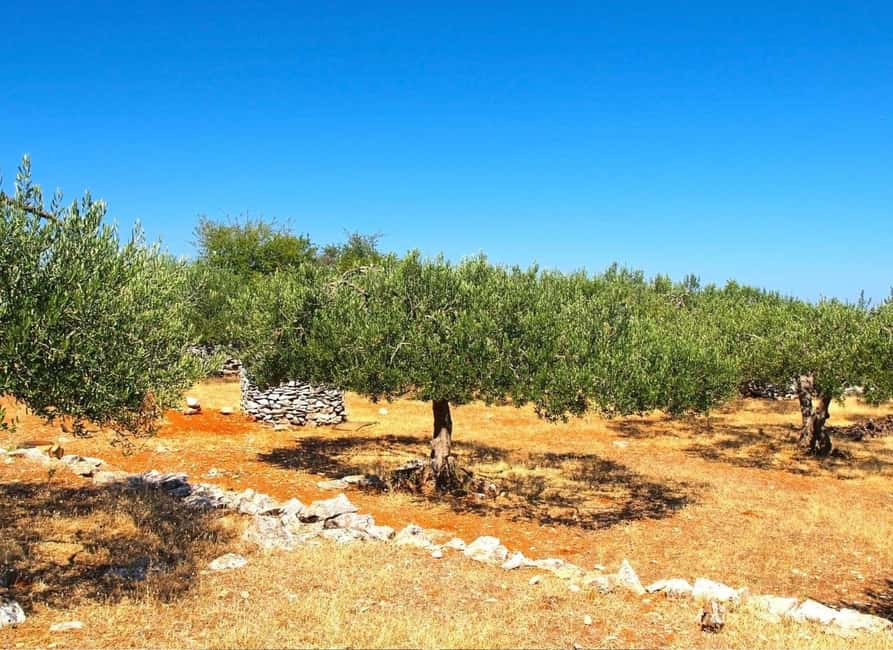
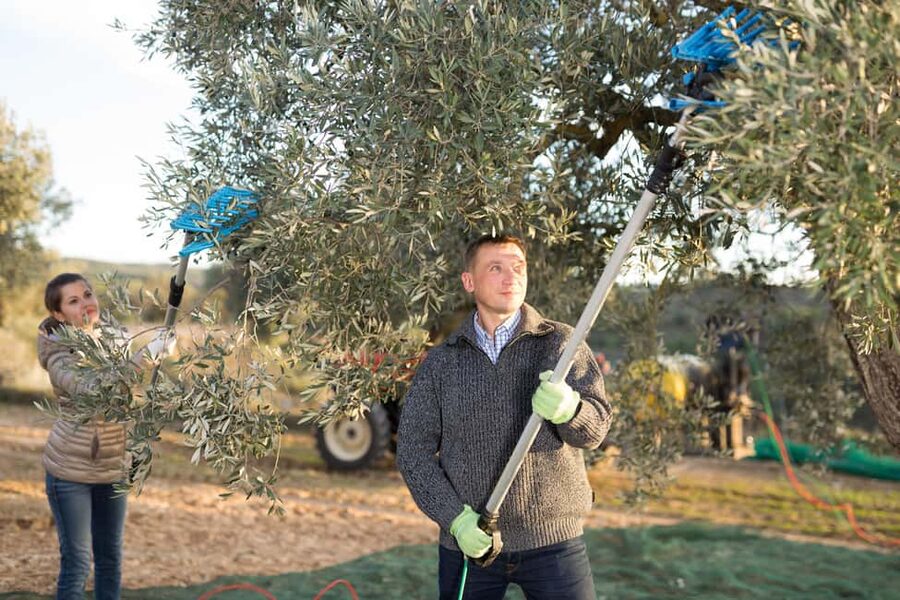
This experience is built around the Dalmatian hinterland—dry air, stony ground, and olives that have been cared for for generations. You begin with a warm welcome, then move into the grove for a guided stroll among the trees. The point isn’t just pretty photos. It’s learning how the local climate and soil shape flavor, and why that matters once you start tasting.
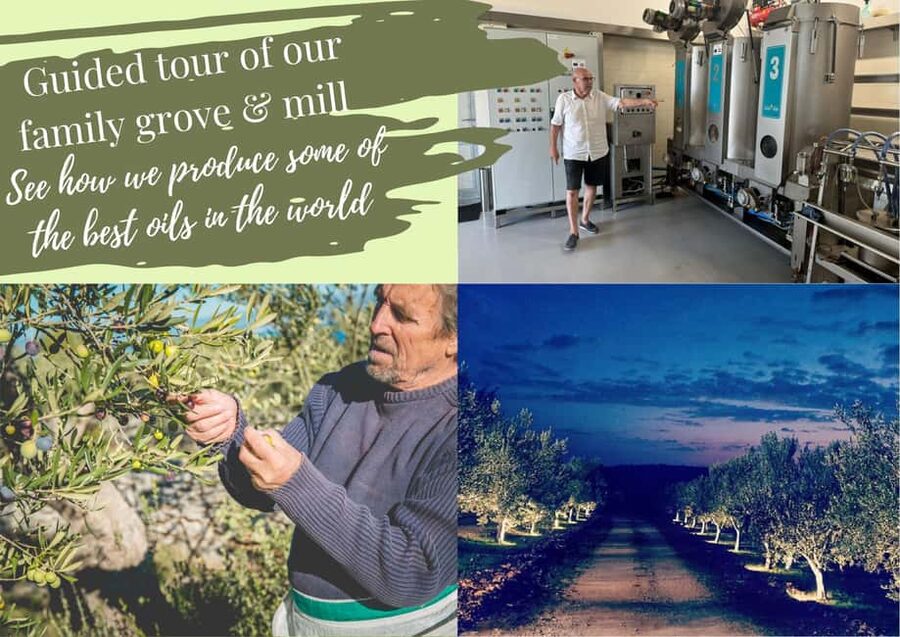
A family member, Branimir, shares the story of the grove, the harvest rhythm, and how they hold onto traditional techniques while also using modern milling tech to protect flavor and nutrition. That mix of old and new is practical, not performative: you’re meant to understand why an oil can taste grassy and vibrant one year and different the next, and why freshness and handling show up in the glass.
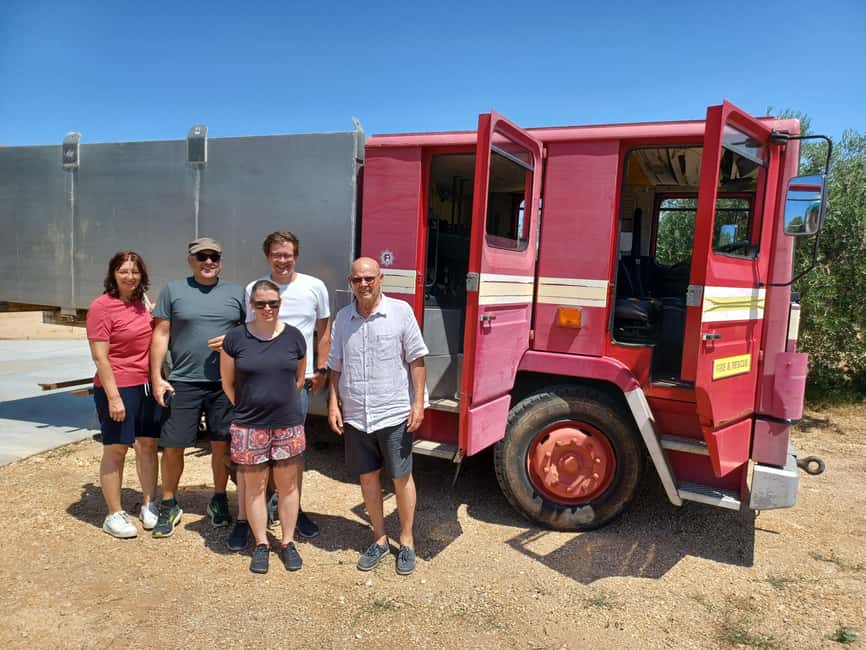
One of the fun extras is that you ride through the groves in a vintage fire engine. It’s not required for the oil lesson, but it adds that “this is a private moment” feeling. The whole setting stays low-key: shade from the trees, the scent of rosemary and wild herbs in the air, and plenty of time to ask questions.
Then you head inside the mill. This is where the experience becomes real for you as a buyer. Instead of wondering what happens after the harvest, you see the process from olive to bottle. You can connect the sensory tasting you’ll do next to the actual production steps, which makes the oil you take home feel earned.
The 5-olive sensory course: how you learn to taste like a pro
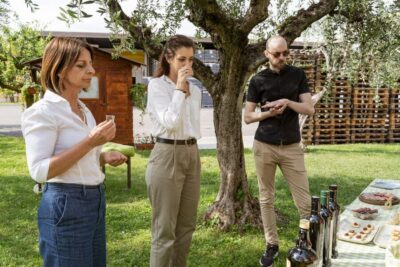
The tasting isn’t random sampling. It’s a course that teaches you how to identify quality in extra virgin olive oil using your senses. You’ll taste five oils in guided cups, and you’ll get coaching on what to notice: aroma first, then bitterness, then that peppery finish that signals a healthy extra virgin.
The method they use is simple enough to follow on the spot. You gently warm the oil, swirl it, and then smell it. From there you’re guided through how to assess bitterness and finish without overthinking it. The big idea is that good oil isn’t only about liking the flavor. Good oil has a consistent set of sensory traits you can recognize.
One oil you’ll be looking for in particular is their gold-medal-winning 2024 early harvest oil. They highlight its polyphenol content—1,200 mg/kg—so you’re not just tasting pleasure. You’re learning why producers care about polyphenols in the first place. Polyphenols are often discussed in connection with health benefits, and here you get that link explained in a way that connects back to the growing and production choices you saw earlier.
This part also helps if you’re a beginner. You don’t need a wine vocabulary. The guide gives you a structure, and the tasting cups do the rest. By the time you finish the five-oil run, you’ll be able to describe what you like and why, instead of just saying it tastes good.
Croatian wine tasting with the five-step method
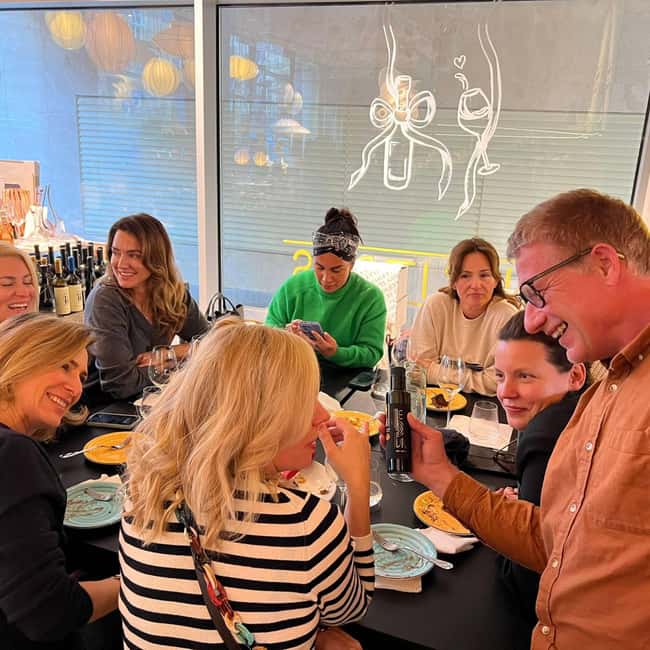
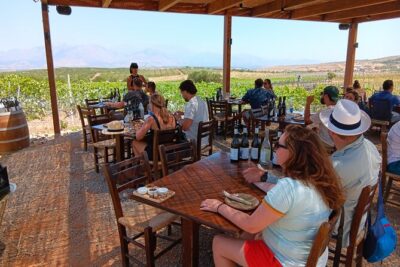
After the olive oil course, the tasting shifts to Croatian wines, guided in a step-by-step way. You don’t just sip and hope. You practice a classic appreciation sequence: sight, smell, swirl, sip, and savour.
The wines here are selected from native grape varieties across Croatia’s four main wine regions. That matters because it keeps things from feeling generic. The country’s varieties often give wines distinct structure—something you can usually feel even if you’re not a trained taster.
You also start with a welcome glass of local champagne, then you sample a set that includes one red and two white wines alongside that Croatian sparkling option. Expect the guides to connect the dots between oil and wine. The oils in this tasting tend to have robust, grassy, and fruity profiles, and you’ll learn why those flavors pair well with the wine styles you’re tasting.
Pairing is the quiet superpower of this experience. Olive oil can be subtle to some people, but when it’s paired with the right wine structure—acidity, fruit, and aromatic lift—it becomes obvious. You’ll leave with a better sense of how to build pairings for future meals rather than just chasing the next sip.
Local bites that actually match the oils and wines
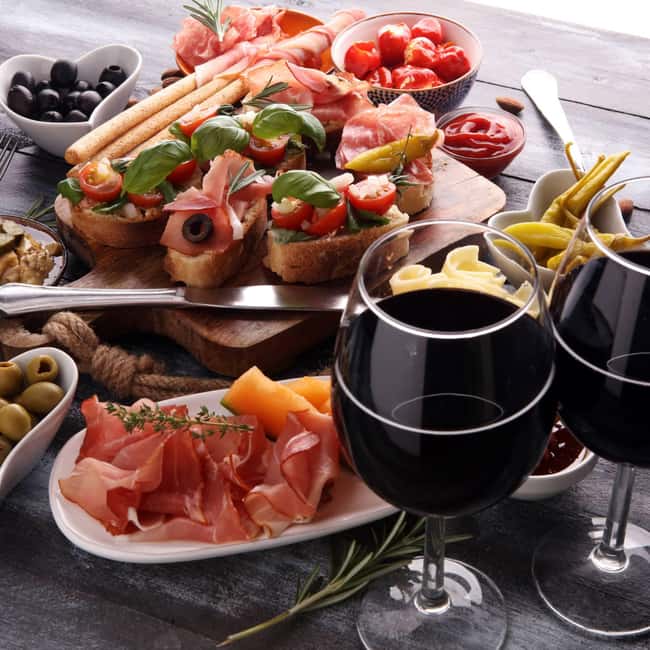
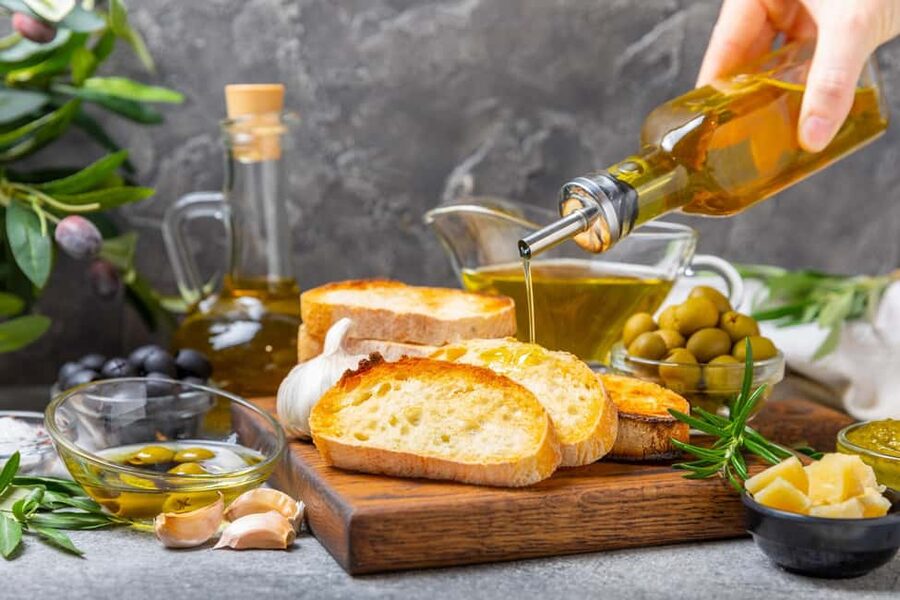
Food here is not an afterthought, and that’s a big reason people rate this so highly. You get local bites alongside the tastings—items like locally baked sourdough bread, olives, peppers, fruits, and cheese. The key detail is that it’s meant to work with the oil and wine profiles, not sit off to the side while you focus only on drinks.
You’ll also see that the olive oil isn’t just served as a product on the side. It’s part of the flavor architecture of what you eat. The bites are designed to complement both the oils and your favorite wines, so each tasting becomes easier to understand.
If you’re hungry beyond the bites, there’s an optional lunch buffet you can add. It costs 20€ and is cold buffet-style, with rotating dishes. The menu examples they provide are very Dalmatian in spirit:
- Croatian salad with tomatoes, cucumber, potatoes, red onion, parsley, olive oil, capers, and a splash of vinegar
- Pršut platter with thinly sliced Dalmatian prosciutto and homemade cheese
- Cheese platter with hard and soft cheeses
- Stuffed cherry tomatoes with tuna, olive tapenade, olives, capers, and olive oil
- Dalmatian seafood with marinated anchovies and prawns
- Homemade apple strudel
The practical upside for you is choice. If you want a light lunch, the bites plus wine can be enough. If you’re doing this as your main event for the day, the optional buffet helps you settle in for a slower sit-down meal.
Timing and self-drive reality near Zadar and Šibenik
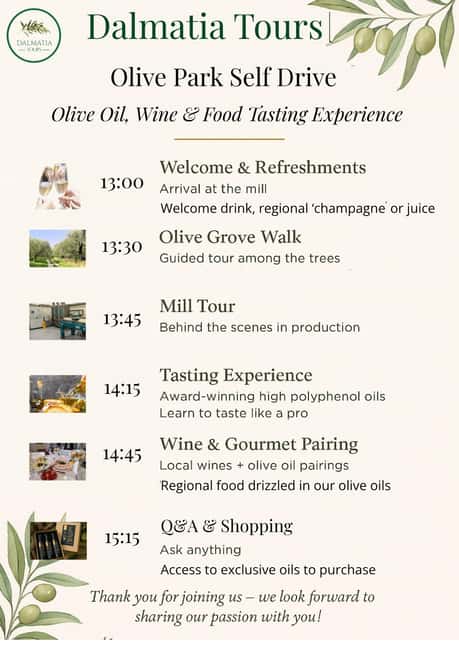
This runs for about 2.5 hours (150 minutes) in the early afternoon window, with a start time listed as 13:00–15:30. That’s a smart length for people who want a cultural food stop without losing the rest of their day.
Because it’s self-drive, the main thing you control is pacing. You’re going to a family mill close to Benkovac, and the host will give directions. They specifically note that you should call the host for the best directions to the family mill.
Here’s what that means for you on the ground:
- Plan for a short drive outside the main tourist pockets.
- Assume the roads may feel rural once you leave the easiest highways.
- Keep your schedule flexible if you’re coming from Zadar or toward Šibenik.
Also, this experience is listed as wheelchair accessible, which is useful to know ahead of time. If mobility is a factor, it’s still wise to ask the host how much walking is involved before you go, because grove paths can vary.
Price and value: is $29 actually a good deal?
At $29 per person, you’re getting a lot packed into one afternoon. What’s included is not just “tasting some oil.” You get:
- a guided olive grove and mill visit
- tuition for tasting five olive oils
- a welcome glass of local champagne
- regional wine tasting with one red and two whites (plus the Croatian champagne)
- local bite-size food designed for pairing
And there’s a shopping element too: you have the opportunity to buy their selection of gold award-winning oils.
When you compare that to the usual cost of a standalone olive oil tasting or a wine tasting (especially when you include food and a production visit), the value comes from the combination. You’re learning the product end-to-end: how the groves connect to the mill process, and how those flavors connect to wine and food.
The only “cost risk” for you is the optional lunch buffet at 20€. If you want it, budget for it. If you skip it, you still leave fed and tasting your way through a proper afternoon program.
Who this suits best (and who might want a different plan)
This is a great fit if you:
- like food learning that doesn’t feel stiff
- want to taste olive oil like a class instead of random sampling
- enjoy wine but don’t need a sommelier lecture
- want a small-group vibe with time to chat
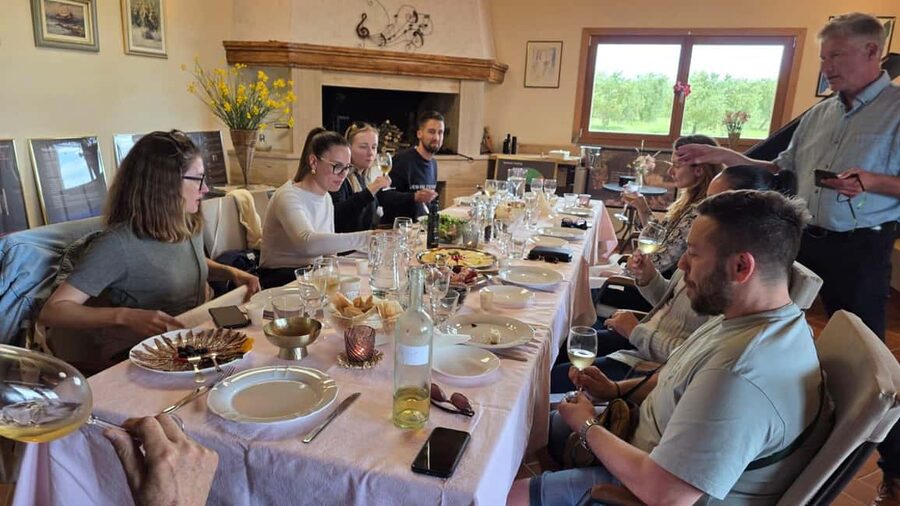
It’s also a strong pick for celebrations. One group did it for a birthday with around 10 people and described it as relaxed and tailored rather than overly formal. That lines up with what the experience promises: a private gathering feel more than a rushed tour.
If you dislike driving away from the main hubs, you may prefer something closer to Zadar or Šibenik. Since this is self-drive, you should only choose it if you’re comfortable navigating to the Benkovac area.
Language is English and Croatian, so you’re covered even if your Croatian is limited. And because you’ll be asking questions while tasting, the fact that the hosts are described as friendly and responsive is a real advantage.
Should you book the olive oil and wine tasting near Benkovac?
I’d book this if you want a high-signal, low-stress food afternoon: groves, mill, five oils, and a structured wine tasting that actually teaches you how to notice what’s in your glass. The value isn’t only the price; it’s the way the tasting is organized so you come away with knowledge you can use at home.
Skip it only if you hate the idea of driving out to the countryside for a scheduled 2.5-hour experience. Otherwise, this is one of those days that feels like you traded tourist clutter for a real family food ritual.
FAQ
Where does the experience start?
You’ll meet at one of two starting location options: OPG Lepur or Donji Lepuri. The exact meeting point may vary depending on what you book.
How long is the tasting experience?
It lasts about 2 hours to 150 minutes, running in the 13:00 to 15:30 time window.
Is lunch included in the price?
A full buffet lunch is not included. An optional buffet lunch is available for 20€.
What tastings are included?
You get a guided olive grove and mill experience, a welcome glass of local champagne, tasting tuition for 5 olive oils, and a regional wine tasting including Croatian champagne plus 1 red and 2 white wines. Local bites are served to complement the tastings.
Can I buy olive oil at the end?
Yes. You have the opportunity to buy their selection of gold award-winning oils.
Do I need to drive myself?
Yes, it’s self-drive. The host recommends calling for specific directions to the family mill near Benkovac.
Is the tour wheelchair accessible?
The experience is listed as wheelchair accessible.