REVIEW · CORFU
Corfu: Olive Oil Experience – The Governor’s Olive Mill
Book on GetYourGuide →Operated by Corfu Olive Tour · Bookable on GetYourGuide
Corfu turns olive oil into a lesson. You get old-mill history and the real production line, plus a tasting seminar that teaches you how to recognize high-quality oil as more than a label. I also like the added stops for olive culture, like the walk to the 1500-year-old Mitera tree. One thing to plan for: this isn’t private, so the ride can feel a bit crowded and the schedule is shared with other small groups.
The day has a steady flow: museum-style context first, then hands-on comparisons between traditional and modern methods, then food and sampling, and finally groves and a castle viewpoint. Guides such as Maria, Eleni, Elena, and drivers like Sotiris and George show up in the best stories people tell, especially for explaining the process with humor and patience. If you’re sensitive to long drives, insects in the groves, or group dynamics, it’s smart to bring bug protection and accept that you’re part of the experience together.
Key highlights you’ll care about
- Old techniques to modern machines: you move from the Loutrouvio setup to the current extraction process.
- Prize and health-claim context: you’ll hear what makes The Governor Extra Virgin Olive Oil stand out on paper.
- Tasting seminar + snacks: learn to taste like a sommelier, then eat village-style finger food.
- Ancient groves stop: visit family olive lands and meet Mitera, about 1500 years old.
- History included without wandering: Gardiki Byzantine Castle fits naturally into the route.
In This Review
- From Corfu pickup to the museum area at the mill
- Loutrouvio first: watching tradition explain the present
- The modern mill tour: where extraction becomes a process you can judge
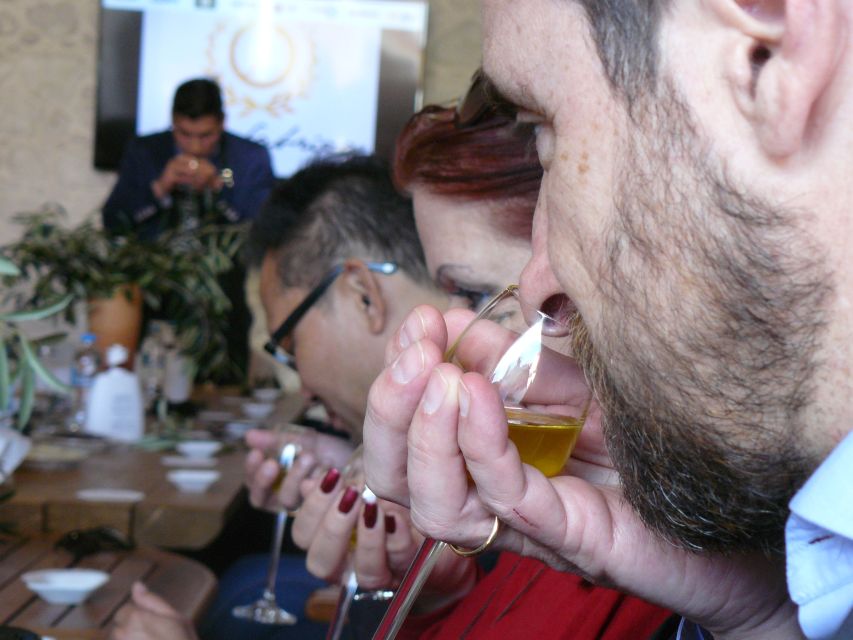
- The tasting seminar: how to taste past the label
- Ancient groves, the Mitera tree, and the Gardiki Byzantine Castle stop
- Price vs. what you get: is $80 a smart value?
- Should you book the Corfu Olive Oil Experience at The Governor’s Olive Mill?
- FAQ
- What time does the tour start?
- How long is the experience?
- Is this a private tour?
- What food is included?
- What languages are offered?
- Can children join for free?
From Corfu pickup to the museum area at the mill
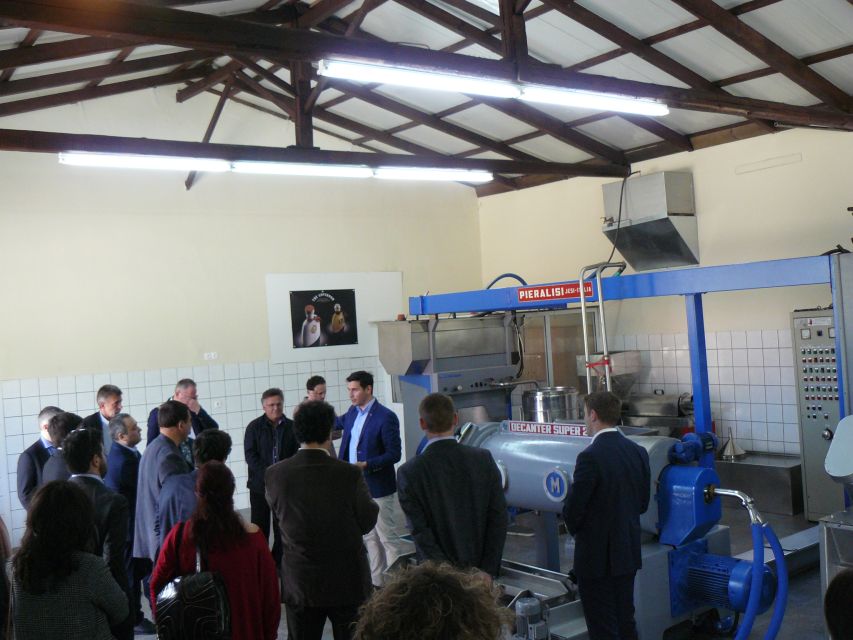
The tour starts with pickup around 09:00–09:30 from select Corfu locations, including the Corfu Port Authority area listed in the booking options. The main tour begins at 10:30, which means you’ll be using the morning for transit and a bit of orientation. This is good if you want a structured day that doesn’t require renting a car or playing navigation roulette.
The “small group” part sounds intimate, but the format is still shared. The van is limited to 8 people in the mini van, while the overall group size can reach 20–30. In plain terms: you’ll get a guide and personal attention, but you may be sitting near strangers, and you’ll likely move as a group at key moments.
That shared setup is the main trade-off. One review even notes the ride to the mill can feel crowded, and that’s exactly what you should expect on a shared transfer with a limited-capacity van. The upside is that pickup and drop-off are included, so you avoid the hassle of getting there and back on your own.
Bring a light jacket if you’re sensitive to indoor air (you’ll be spending time inside the museum and mill areas). Also bring something small for the groves later—chapstick and bug spray go farther than you’d think when you’re walking through olive country.
Loutrouvio first: watching tradition explain the present
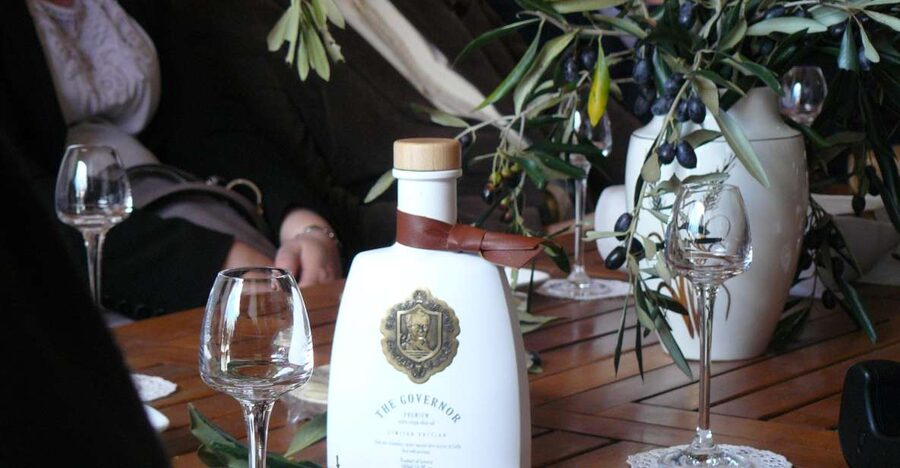
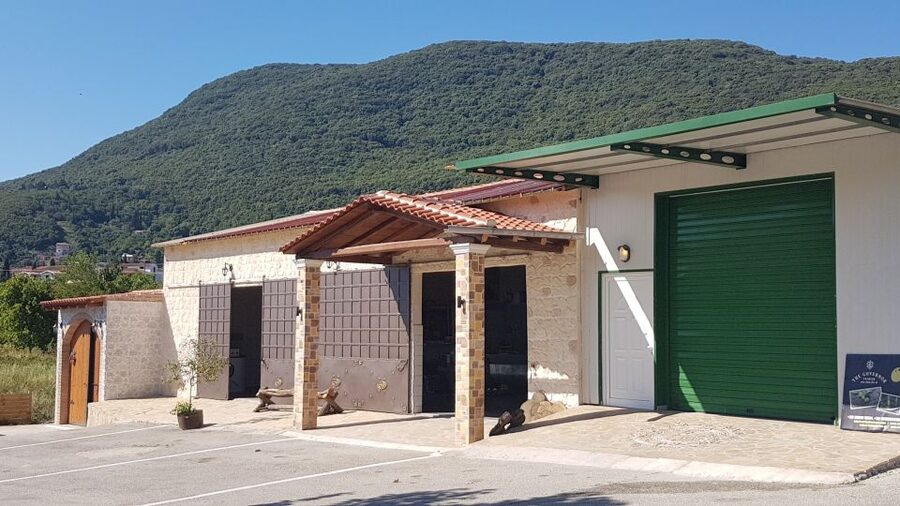
The Governor’s Olive Mill experience is built like a story. You start in the museum area where you connect Corfu and Greece to the olive tree—how harvesting and production work shaped daily life. This isn’t a generic “olive oil is healthy” speech. The focus is the timeline: what used to happen, why it happened that way, and what changed when technology arrived.
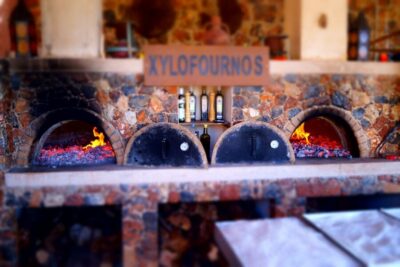
Then you transition into the guided tour at the Loutrouvio (old olive mill) connected to the Dafnis family. This stop is worth it because it shows you olive oil production as labor and timing, not just a product on a supermarket shelf. You’ll learn how careful the process used to be, and that matters because it sets up what you’ll see later in the modern section.
Here’s why this matters for you: once you understand traditional steps, modern machines don’t feel like magic. You start recognizing quality signals—how olives are handled, what production choices influence flavor, and why “extra virgin” isn’t just a marketing term. Even if you’re not an olive nerd, the old mill stage makes the tasting portion feel more meaningful.
If you’re the type who likes history but gets bored by long lectures, you’re in the right place. The museum and old mill area are short, guided, and directly tied to what you’ll taste soon.
You can also read our reviews of more tours and experiences in Corfu.

The modern mill tour: where extraction becomes a process you can judge
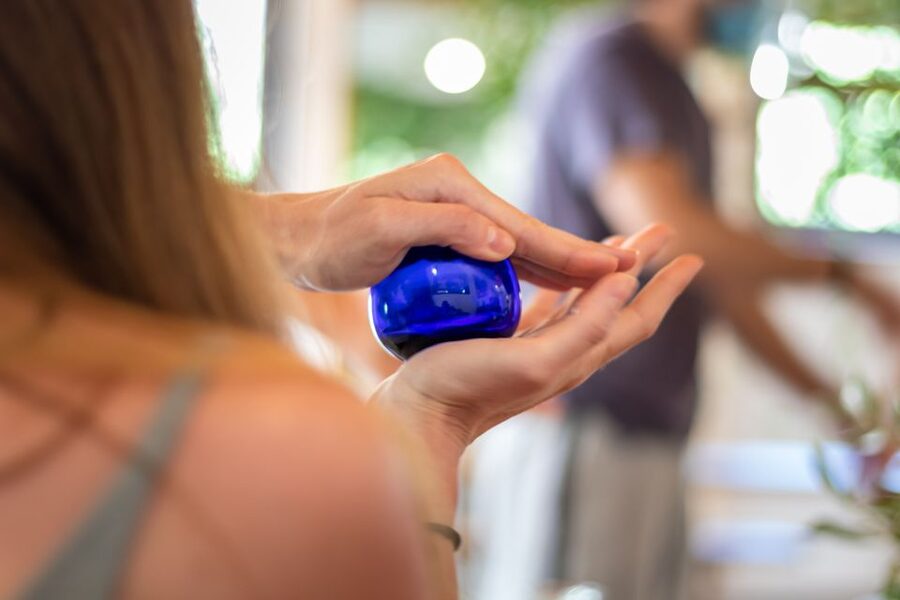
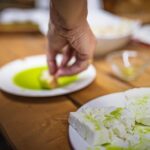
After the Loutrouvio, you’ll move to the modern olive oil production area. This is where the tour shows the “new generation machines” and walks you through all stages of processing and extraction. The goal is not just to show equipment—it’s to help you connect process to the final oil quality.
In a good tasting experience, you don’t want to hear only opinions. You want reasons. The modern mill segment gives you those reasons by explaining what happens to the olives through each step. You see the workflow, hear about extraction, and get language you can use later when you’re shopping.
This section also includes presentation of international recognition and prizes connected to The Governor Extra Virgin Olive Oil. You’re told it’s the first monovarietal EVOO from a single Lianolia variety of Corfu, and the tour frames it as the first health-claim EVOO in the world. It’s also described as the Best Greek Olive Oil Brand of 2016 (according to Gastronomos), and connected to international scientific literature where it’s discussed as a medical food in the Journal of Nutritional Biochemistry.
A practical note for you: awards and claims can be useful, but always pair them with sensory experience. That’s exactly what this tour does. You hear the proof-based story, then taste it.
One more plus: guides tend to bring humor and clear explanations here. Names that come up in people’s stories include Maria, Eleni, and Sotiris, and the common theme is that the explanation stays human, not robotic.
The tasting seminar: how to taste past the label
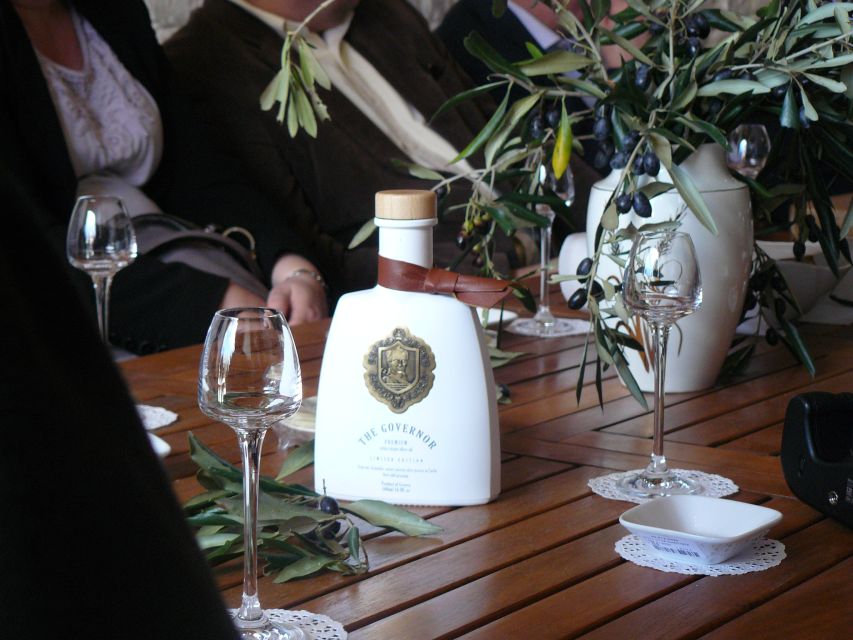
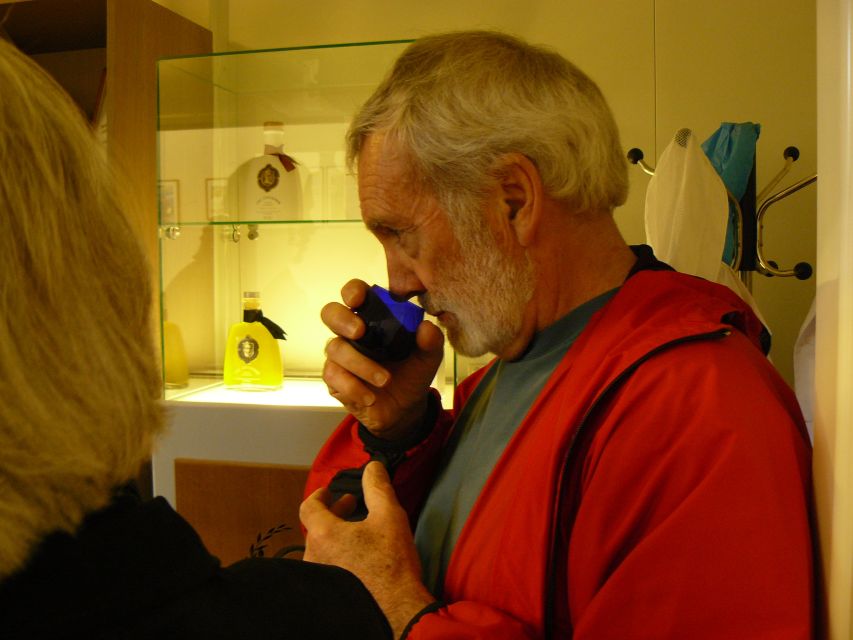
The tasting is the star you came for, and it’s structured as a seminar—so you’re not just sampling and moving on. The tour positions it as learning how to best taste and recognize high-quality olive oil, with the idea that you’ll act like an olive oil sommelier for the day.
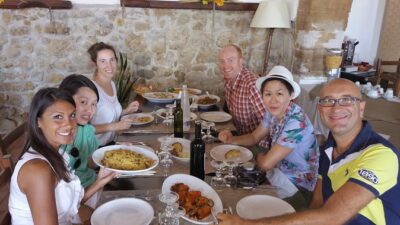
You also get a small break with finger food. The included snacks are:
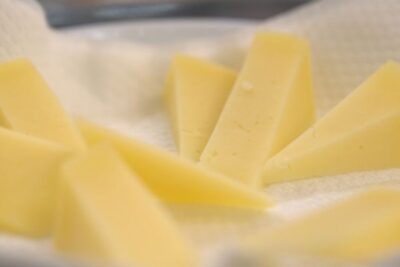
- Village bread and cheese
- Cherry tomatoes and capers
- Dessert (yogurt, ice cream, or chocolate)
- Natural mineral water
This matters because it mirrors real-life pairing. Olive oil isn’t consumed in a vacuum. By tasting alongside simple foods, you start understanding how the oil’s character supports salt, acid, and herbs.
What I like about this approach is that it gives you “repeatable shopping skills.” Some guides cover basics like what percentage to look for in a good oil and how storage conditions affect quality. That’s the kind of info you can use back home when you’re standing in a shop with ten almost-identical bottles.
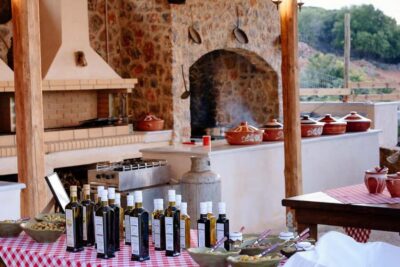
You may also have the chance to buy oils and related products at the exhibition/shop after the tasting. Many people leave with sea salt and olive oil products, and it’s one of those “buy because you understand what you’re buying” moments.
Ancient groves, the Mitera tree, and the Gardiki Byzantine Castle stop
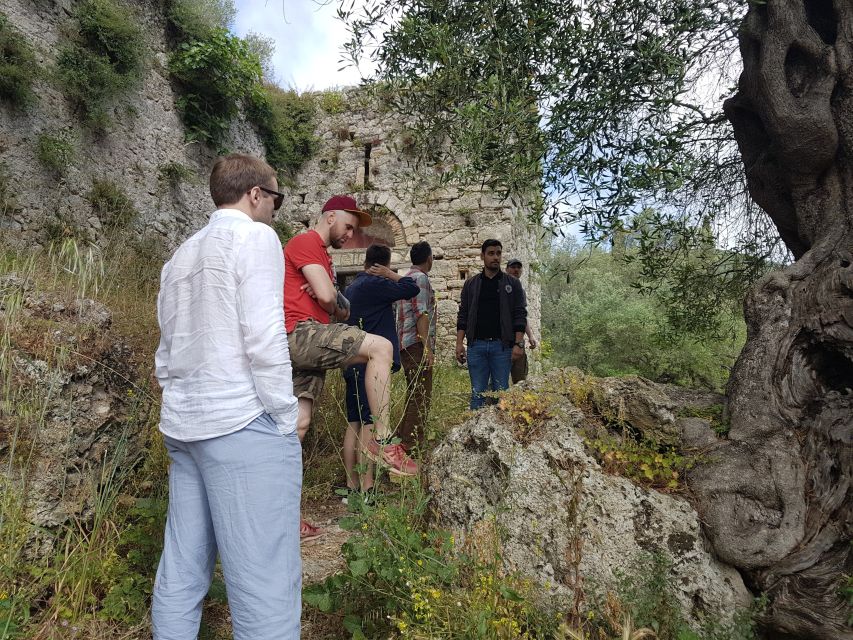
After tasting, the day shifts from indoor process to outdoor olive culture. You’ll drive to the ancient and century-old olive groves of the Dafnis family. This part is more than sightseeing. It’s where the olive story becomes physical: older trees, long rhythms, and the sense that olive oil is built on generations of land care.
The highlight is the visit to Mitera, a tree about 1500 years old. The tour isn’t shy about calling her special, and that’s because it really helps you understand the stakes. When you see a tree that has survived for centuries, you stop treating olive oil as a commodity.
There’s also a short “secret stop” photo moment on the way, with a brief walk and visit. It’s not a long detour, but it gives you a chance to step out for a view and stretch your legs without losing the main flow.
Then comes Gardiki Byzantine Castle, where you’ll learn more historical details about the area. This is a useful contrast: after focusing on olives, you get a bit of regional history that helps explain how landscapes, settlements, and agriculture connect.
Practical caveat: you may deal with mosquitos in the groves. One review notes mosquito bite cream was provided at the end, which is a thoughtful touch. I’d still come prepared with your own repellent if you’re bothered easily.
Price vs. what you get: is $80 a smart value?
At $80 per person for an experience described as 3 hours, the real value comes from what’s bundled into that price. You’re not paying just for a scenic drive or a shop stop. You get:
- Guided tours across old mill + modern mill
- Olive oil tasting seminar
- Included finger food and water
- Pickup and drop-off (within the operator’s stated radius around the mill)
The biggest reason the price can feel justified is the tasting instruction. Olive oil is one of those products where most people only learn what they see on the shelf. Here, you’re taught how to taste and recognize quality, and that turns your purchase decisions into informed decisions.
One more factor: the tour is small-group, but not fully private. That keeps cost in check, while the guide still leads the experience. The overall day can run longer than the scheduled activity time because of pickup and multiple stops—some people report around 5–6 hours from pickup to return—so build your plans with extra buffer.
If you’re the type who loves food, wants practical skills, and likes learning through doing (tasting, comparing, listening), you’ll probably find this a fair value. If you mainly want a quick photo stop and zero instruction, this may feel like more learning than you bargained for.



Should you book the Corfu Olive Oil Experience at The Governor’s Olive Mill?
Book it if you want a Corfu food experience with real structure: you’ll learn how olives become oil, taste with guidance, and see ancient olive groves plus a historic castle stop. It’s especially good for you if you care about quality and you want to leave with a clearer way to choose olive oil back home.
Skip it or approach with eyes open if you dislike group logistics or long drives. Because this is shared (not private) and the van can feel crowded, the experience may be less relaxing if you hate sitting close to others. Also plan for bugs in the groves and bring what you need.
One last deciding tip: read the list of included tasting foods and consider whether that matters to you. If you like the idea of sampling olive oil alongside simple local staples, plus learning how to taste it, this is the kind of half-day that can turn into the most useful memory you bring home.
FAQ
What time does the tour start?
Pickup is typically around 09:00–09:30, and the guided tour starts at 10:30.
How long is the experience?
The activity is listed as 3 hours. Pickup and transfer time are included in the overall experience.
Is this a private tour?
No. It’s not private. The mini van holds up to 8, and the total number of participants ranges from 20–30.
What food is included?
You’ll get finger food including village bread and cheese, cherry tomatoes and capers, dessert (yogurt, ice cream, or chocolate), and natural mineral water.
What languages are offered?
The live guide is available in English and Greek.
Can children join for free?
Children below 8 years old have free entry.