REVIEW · SEVILLE
Oleotourism and olive oil tasting in Seville – Private tour
Book on Viator →Operated by Sevilla Moving · Bookable on Viator
Olive oil in Seville tastes like history. I love how this private visit at Hacienda Guzmán mixes real production heritage with hands-on tasting, and I also like that you get four distinct olive oils to compare side by side. One heads-up: you get snacks and tasting, not a full lunch, so plan a meal before or after.
This is a private tour with a professional guide and an air-conditioned ride, so the pace stays comfortable and you can ask questions as you taste. You’ll also leave with a gift oil bottle, which makes it easier to keep the flavors straight after the tour ends—though you’ll want to store it well on the ride back.
In This Review
- Key highlights worth showing up for
- Hacienda Guzmán: Seville’s olive oil stop with real production roots
- What you get in 2 to 3 hours (and why private matters)
- Stop 1 at Hacienda Guzmán: the mill, the history, and the contrast you’ll feel
- The 17th-century mill you’ll hear about
- Traditional process vs the modern mill
- The four-oil tasting: how to compare without overthinking it
- Snacking that actually works with olive oil
- Starters you may encounter
- Main dish
- Comfort, language, and what the meeting point tells you
- Price and value: what $234.31 per person buys you
- Who should book this private olive oil tour
- Should you book this Seville olive oil tour?
- FAQ
- How long is the private olive oil tasting tour?
- What time does the tour start in Seville?
- Is this tour private or shared?
- How many olive oils do you taste?
- Are snacks included, or do I need to eat elsewhere?
- Do I get a bottle of olive oil to take home?
- Where do I meet for the tour?
- What happens if the weather is bad?
Key highlights worth showing up for
- Hacienda Guzmán’s mill story: a place tied to olive oil exports and centuries of production.
- Four-oil tasting: you compare multiple styles in one focused session.
- Traditional vs modern process: the site recreates older production alongside today’s methods.
- Snacks that match Andalusian flavors: small bites plus a hot main.
- Gift bottle to take home: practical souvenir, not just a photo moment.
Hacienda Guzmán: Seville’s olive oil stop with real production roots
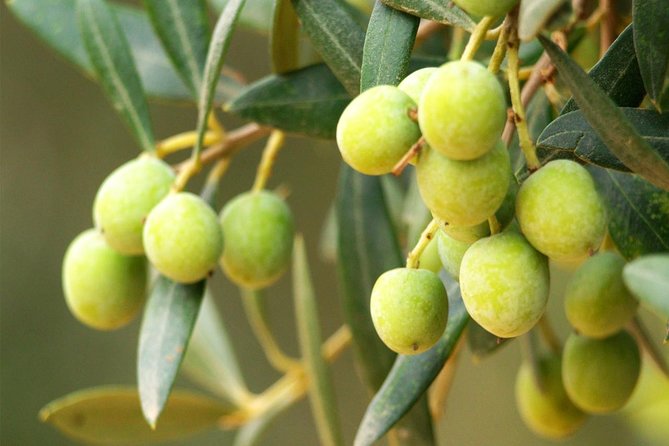
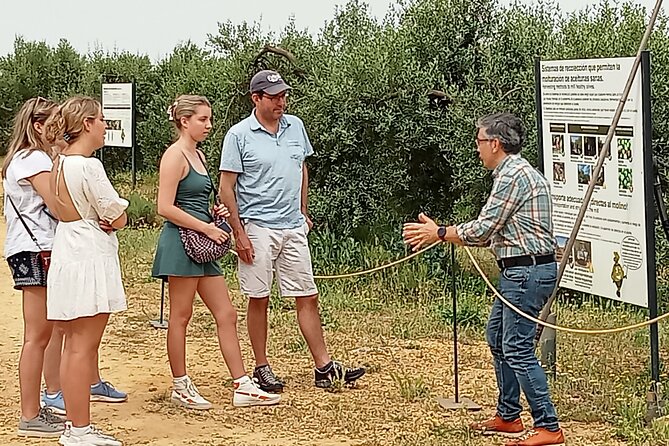
If you only know olive oil as a bottle on a grocery shelf, this kind of stop changes your baseline fast. Hacienda Guzmán is presented as more than a showroom. It’s a working story of how olive oil traveled, how it was made over centuries, and how the methods evolved.
The big draw is that you’re not just tasting oil in a generic room. The property frames olive oil as a cultural product of Andalusia, with a physical link to production history. That matters because tasting makes more sense when you understand what’s behind it: how olives get processed, what traditional steps were like, and why newer techniques exist.
And yes, you’re in Seville, but this feels like a countryside oil destination you can actually fit into a short morning.
You can also read our reviews of more tours and experiences in Seville.


What you get in 2 to 3 hours (and why private matters)
This experience runs about 2 to 3 hours, starting at 10:00 am. It’s private, meaning only your group goes with you. That changes the whole vibe. You’re not sharing questions, comparisons, or a slower tasting moment with strangers.
Included in the price is a professional guide, air-conditioned vehicle transport, and tasting time for 4 varieties of olive oils. You also get snacks plus a gift oil bottle. When I judge value, I look at that mix: you’re buying access to a specific oil-focused site plus guided interpretation, not just a quick pour-and-go.
One practical note: the schedule is tight enough that you should treat it like a tasting experience first and a meal second. Lunch is not included, and tips are not included either.
Stop 1 at Hacienda Guzmán: the mill, the history, and the contrast you’ll feel
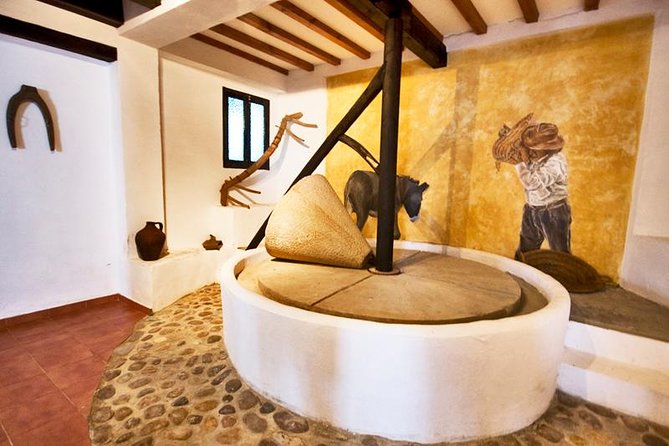
Your main stop is Hacienda Guzmán – Aceites de Oliva Premium (Fundación Juan Ramón Guillén). The way the site is described, it’s designed as oil tourism with a “from origins to innovation” thread. You’ll get history, yes, but the key is sensory: you should come away with more than facts.
The 17th-century mill you’ll hear about
The estate dates back more than five centuries. One detail that gives the place extra punch is its connection to Hernando Colón, the son of Christopher Columbus. The story goes that oil made on the estate was exported to the New World. That’s not just trivia—it’s a reminder that olive oil has been traveling for a long time, long before modern branding.
Between the 16th and 19th centuries, the site’s three towers housed beam mills, and it’s described as one of the largest oil mills of its time. Today, the hacienda preserves an original 17th-century mill, including a 15-meter mahogany beam. You’ll also see the traditional process recreated there.
In practice, that contrast tends to do something to your tasting mindset. Even if you don’t memorize every step, you start noticing differences in how a modern oil is positioned versus how older methods worked.
Traditional process vs the modern mill
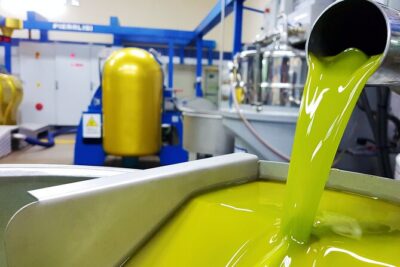
The site keeps an original traditional mill for recreated process, while another, modern mill is where one of the select oils is produced. You’re essentially being guided through the olive oil universe as it moved from historic production to current innovation.
If you like culture with context, this is the kind of stop that actually explains why olive oil can taste different even when everyone says it’s just olive oil. The “why” is the point here.
The four-oil tasting: how to compare without overthinking it
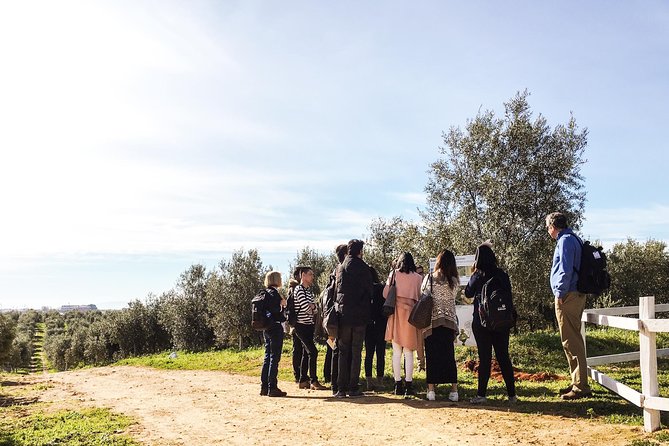
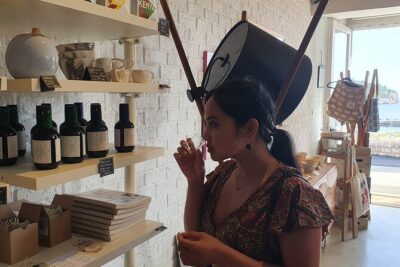
A core part of the experience is tasting four varieties of olive oils. You’ll do this with your guide, which is a big advantage. Olive oil tasting can feel awkward if you’re staring at tiny cups wondering what you’re supposed to notice. A guide helps you focus on what matters.
Here’s the simple framework I recommend for getting more out of it:
- Smell first, then taste.
- Compare one oil to the next, not to an imagined standard.
- Let the aftertaste settle before you decide.
You’ll get the benefit of comparison because it’s structured as a tasting session, not a random set of samples. And because you’re at a site that discusses traditional production and modern methods, it’s easier to connect what you taste to the ideas you’re hearing.
What to expect from the experience format: this is guided tasting plus interpretation, not a chemistry lecture. If you’re the type who likes to understand what you’re eating, you’ll come away feeling more confident choosing olive oil later—at least more confident than when you walked in.
Snacking that actually works with olive oil
Food is included, but it’s not a full meal replacement. The experience lists snacks and specific items, which makes it easier to plan your day.
Starters you may encounter
You could be served combinations such as:
- Avocado and anchovy toast
- Salmon and orange bagel
- Salmorejo Basilippo
- Avocado and sturgeon focaccia
A lot of this is about pairing. Olive oil shines when it has something supportive: salty fish, tomato-based salmorejo, herbs and bread, and creamy elements like avocado. Toast and focaccia also matter because they give your brain something familiar to compare against while you taste the oil.
Salmorejo is described as a fundamental dish in traditional cuisine in parts of Andalusia (with a recipe linked to Córdoba). That’s useful context: it’s not just a snack chosen at random; it connects regional food culture to olive oil.
Main dish
For the main, black rice is listed, with tender squid, fish stock, and a homemade garlic mayonnaise using A.O.V.E. Basilippo. Even if you’re not chasing culinary details, this is a good anchor dish. The richness gives you contrast, while the oil component ties it back to the whole theme.
Again, plan around it. Lunch is not included, so don’t schedule this as your only meal unless you’re fine with a light-to-moderate food plan.
Comfort, language, and what the meeting point tells you
This tour is offered in English. That’s a big deal in a tasting setting because nuance matters: you want to catch what the guide is saying about each oil variety and what you should notice.
The start point is Sevilla Moving – Alojamientos y experiencias, C. Luis Montoto, 19, Local Bajo, 41003 Sevilla. Your tour starts at 10:00 am and ends back at the meeting point.
Because it’s near public transportation, you can still keep your day flexible if you’re relying on transit. But the included air-conditioned vehicle means you won’t have to sweat or scramble to get to the hacienda area in the middle of your morning.
Price and value: what $234.31 per person buys you
At $234.31 per person, you’re paying for a very specific combo:
- A private guided visit
- An air-conditioned vehicle
- Admission ticket included
- Snacks
- Tasting of 4 olive oil varieties
- A gift oil bottle
For me, the value question is always this: are you paying for something you can’t easily replicate on your own? In this case, yes. You’re paying for access to a curated oil tourism experience with structured tasting and a guided explanation tied to the mill’s history (including the 17th-century mill details).
Could you buy olive oil in Seville and taste it later at home? Sure. But that’s not the same. Here, the oil is tied to production heritage and a guide helps you build taste memory while comparing multiple varieties in one go.
Also, the gift bottle makes the purchase feel less like a disposable activity. It’s a practical souvenir you can use after you’re back in your own kitchen.
Who should book this private olive oil tour
Book it if:
- You want a short, focused food-and-culture experience in Seville.
- You like the idea of learning how something is made, then tasting it while it’s still fresh.
- You’re the type who wants comparisons, not just a single taste.
Consider skipping or pairing it with other plans if:
- You’re expecting a full lunch-style meal in the middle of the tour. It’s snacks and tasting, not a full restaurant lunch.
- You’re sensitive to weather timing. The experience requires good weather, and cancellation due to poor weather triggers either a different date or a full refund.
Should you book this Seville olive oil tour?
I think it’s a strong pick if you enjoy food experiences that are grounded in something real. The biggest reasons to book are straightforward: you get a guided visit to Hacienda Guzmán, a structured tasting of four olive oils, and the kind of production history that actually helps your tasting make sense. Add in the snacks and the gift bottle, and it feels like more than a simple stop.
If you want a hands-on way to understand Andalusian olive oil beyond the bottle label, this private tour fits the bill—especially for couples, small groups, and anyone who likes their travel with a little flavor homework.
FAQ
How long is the private olive oil tasting tour?
The tour lasts about 2 to 3 hours.
What time does the tour start in Seville?
It starts at 10:00 am.
Is this tour private or shared?
It’s private. Only your group participates.
How many olive oils do you taste?
You taste 4 varieties of olive oils.
Are snacks included, or do I need to eat elsewhere?
Snacks are included. Lunch is not included.
Do I get a bottle of olive oil to take home?
Yes. A gift oil bottle is included.
Where do I meet for the tour?
The meeting point is Sevilla Moving – Alojamientos y experiencias, C. Luis Montoto, 19, Local Bajo, 41003 Sevilla.
What happens if the weather is bad?
The experience requires good weather. If it’s canceled due to poor weather, you’ll be offered a different date or a full refund.