REVIEW · SPLIT
Split: Olive museum Klis with Olive Oil Tasting
Book on GetYourGuide →Operated by Stella Mediterranea d.o.o. · Bookable on GetYourGuide
Olive oil lessons without the snooze. On a guided visit to Stella Croatica in Klis, I like the hands-on extra virgin tasting and the surprisingly fascinating botanical collection of 500 plant species. It’s the kind of stop where you leave with real “I get it now” skills, not just a pile of brochures.
One thing to consider: this is more about the exhibits, factory-style production, and workshops than walking through endless olive fields. If you’re craving classic countryside scenery with olive trees everywhere, you may feel slightly less wowed by the on-site grounds.
In This Review
- Key Highlights You Shouldn’t Miss
- Stella Croatica Estate: a Family Operation, Not Just a Room With Labels
- From Herbs to Oils to Cosmetics: Why the Factory Stops Feel Worth It
- Botanical Collection With 500 Species: Learning What Plants Can Do
- The Olive Museum and Croatia’s Liquid Gold Story
- Interactive Olive Oil Tasting: How You Learn to Judge Extra Virgin
- Traditional Sweets and Natural Cosmetics Testing
- Concept Store and Factory-Price Shopping Time
- Free Time: Explore the Park and Plan Your Next Bite
- Price and Value: Is $18 for Olive Oil Education Fair?
- Who This Works Best For (and Who Might Want Something Else)
- Should You Book the Olive Museum and Tasting in Klis?
- FAQ
- What is the price of the Olive museum Klis experience?
- What does the tour include?
- Is extra food and drink included?
- What languages is the experience offered in?
- Are food and drinks allowed during the activity?
- Is video recording allowed?
- Where do I meet the host?
- How long should I plan for after the tasting?
Key Highlights You Shouldn’t Miss
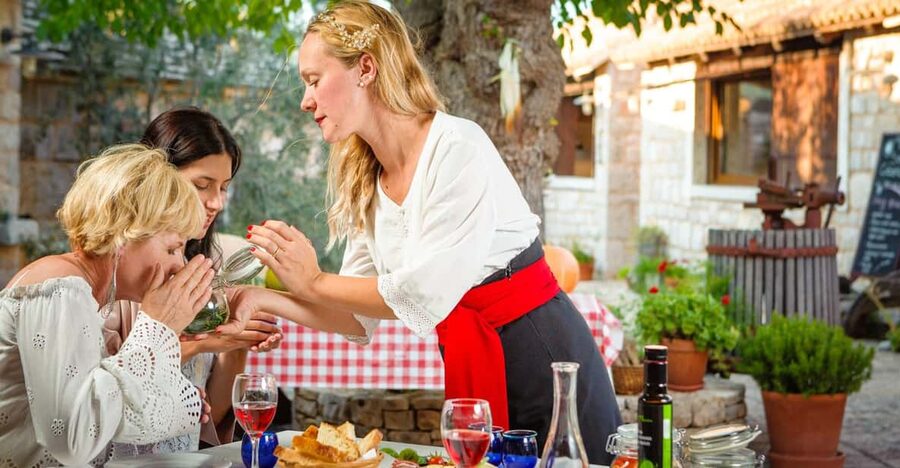
- Interactive extra virgin olive oil tasting with guided sniff-and-taste practice, including two labeled extra virgin oils
- Olive museum finalist for European Museum of the Year Award 2023, with a focus on Croatia’s “liquid gold”
- Stella Croatica estate tour that connects food, herbs, and craft—figs, almonds, oranges, and lavender included
- 500-species botanical collection where you learn what plants can be used for
- Natural cosmetics testing after learning how essential oils come from Dalmatian herbs
- Factory-price shopping time in the concept store after the workshop
Stella Croatica Estate: a Family Operation, Not Just a Room With Labels
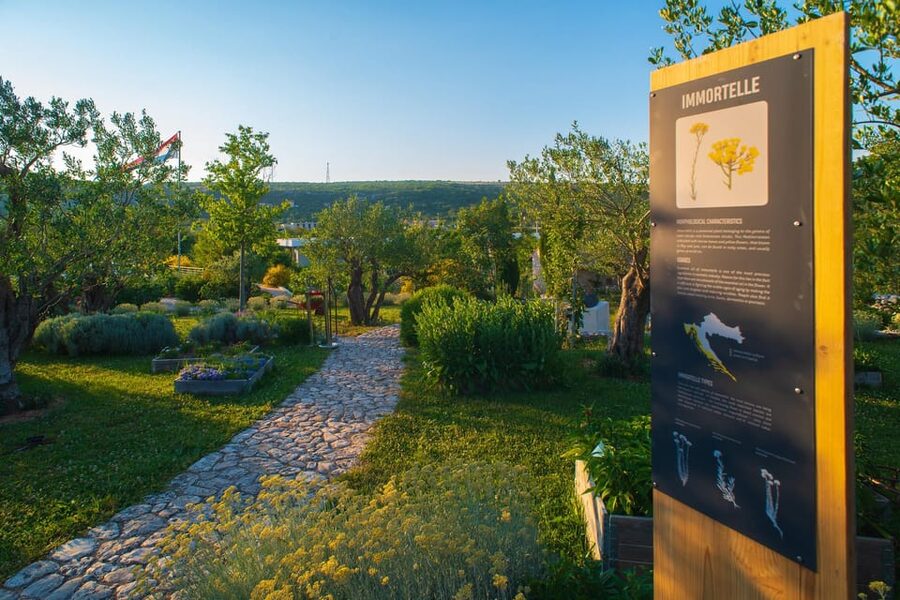
Stella Croatica feels like a working family estate you’re allowed to peek into. The tour begins by meeting your host and moving through the spaces where traditional products are produced and packed, using ingredients like figs, almonds, oranges, and lavender.
That matters because it changes how you understand olive oil later. You’re not just learning a product name; you’re learning the broader craft mindset behind it—raw ingredients, careful processing, and a focus on what “natural” means in practice. The setting also makes the experience feel calm and personal, especially if you’re tired of rushed museum tours.
You can also read our reviews of more tours and experiences in Split.

From Herbs to Oils to Cosmetics: Why the Factory Stops Feel Worth It
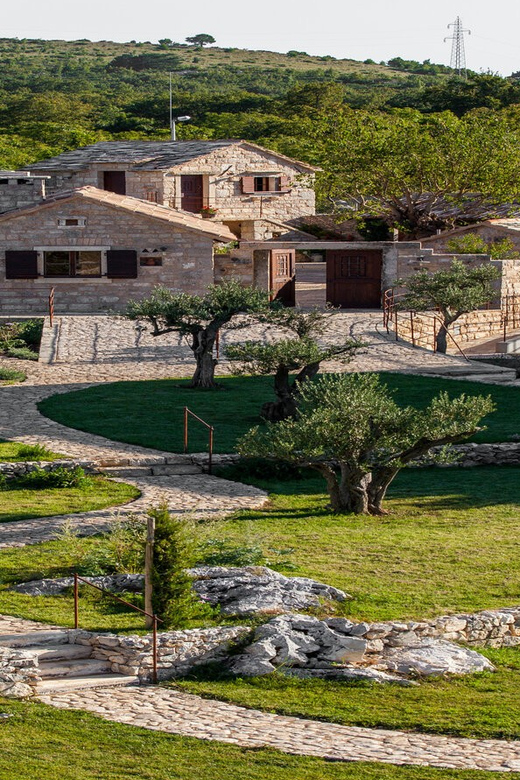
Before you even reach the olive museum portion, you get a guided walkthrough of how essential oils are extracted from typical Dalmatian herbs and then used in natural cosmetics. The idea here is simple: herbs don’t just smell good—they’re inputs for real products, and the estate treats them that way.
I like that this section trains your brain to pay attention. You notice scent, you connect plants to end products, and you start understanding why quality matters across the whole workflow. It also gives a nice break from pure “museum mode,” since you’re seeing processes that look like they support a real business.
Also, this part can be a win for families. The experience is structured so you’re not sitting still for long stretches, and the focus on everyday plants and crafts tends to keep kids from zoning out.
Botanical Collection With 500 Species: Learning What Plants Can Do
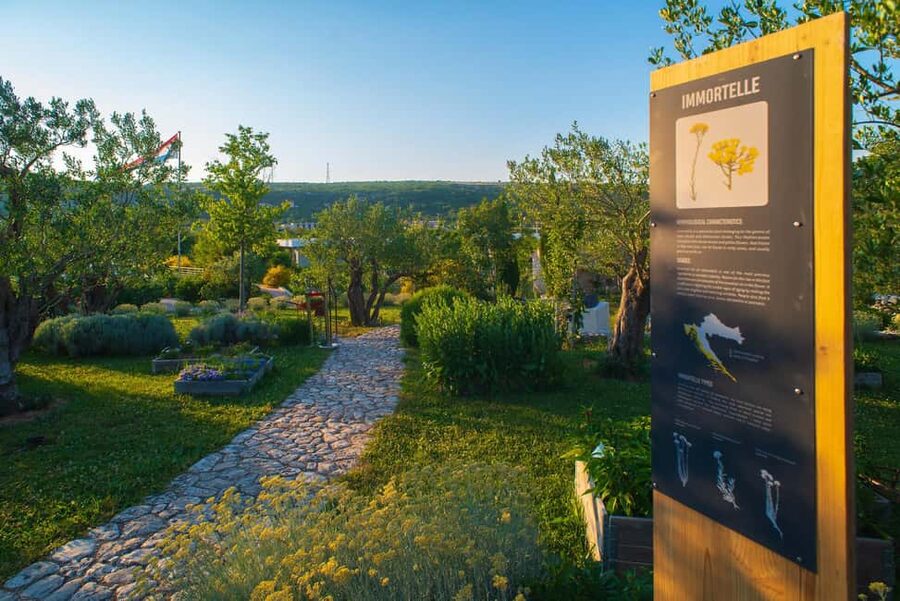
Next comes the botanical collection, described as featuring 500 species. This is where the tour quietly teaches you something useful: herbs and garden plants have multiple uses, and their role isn’t just decorative.
If you enjoy practical knowledge—what’s used for and what isn’t—you’ll probably find this portion especially satisfying. It’s also a handy mental model for olive oil, because it shows the theme repeats: plants become products, and “knowledge” is part of the production process.
One caution: if you’re expecting a lot of dramatic scenery, this garden is more about education than romance. It’s still enjoyable, but it’s a learning-focused stop.
The Olive Museum and Croatia’s Liquid Gold Story
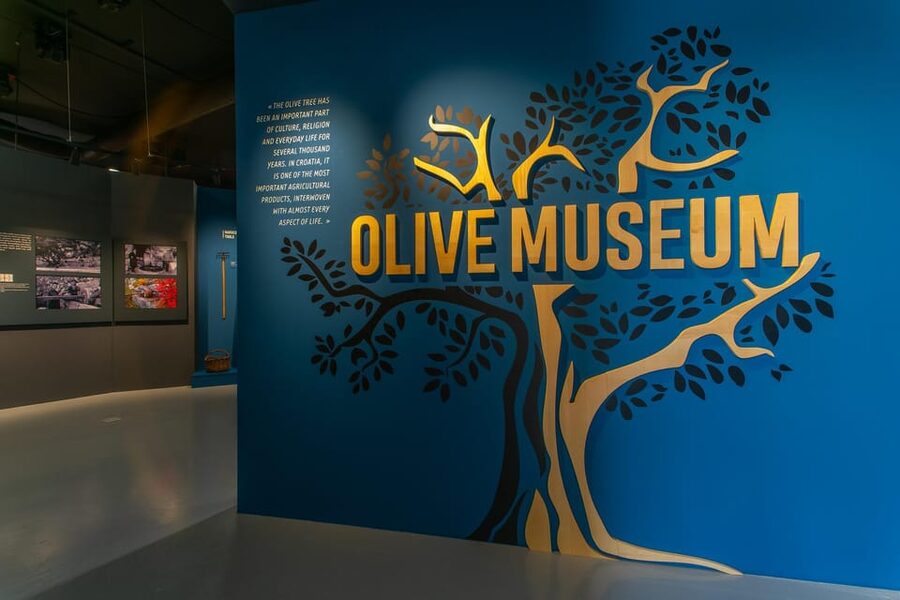
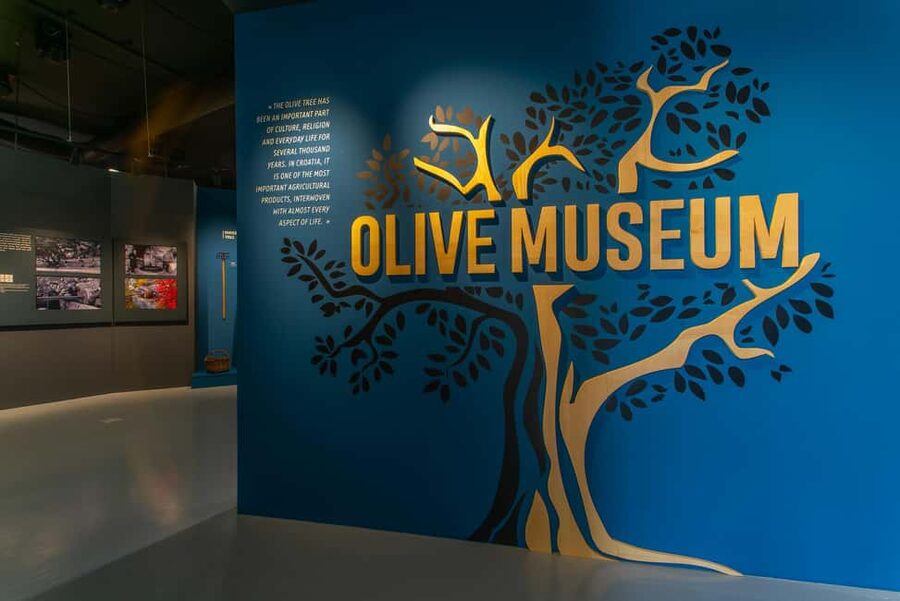
Now for the big attraction: the Olive Oil Museum. You learn about “the liquid gold” growing in Croatia, and the museum itself was listed as a finalist for the European Museum of the Year Award 2023—so it’s not just a small corner display.
Inside, the museum angle is educational and structured. I like that it prepares you for the tasting workshop instead of treating the tasting like a random add-on. You’ll have context for what you’re about to smell and taste.
Do note one pacing reality. Some people find the museum portion more straightforward than exciting, and the on-site olive-growing landscape isn’t the main focus. In other words, don’t come expecting olive trees and fields right at the entrance. Come to learn, then practice.
Interactive Olive Oil Tasting: How You Learn to Judge Extra Virgin
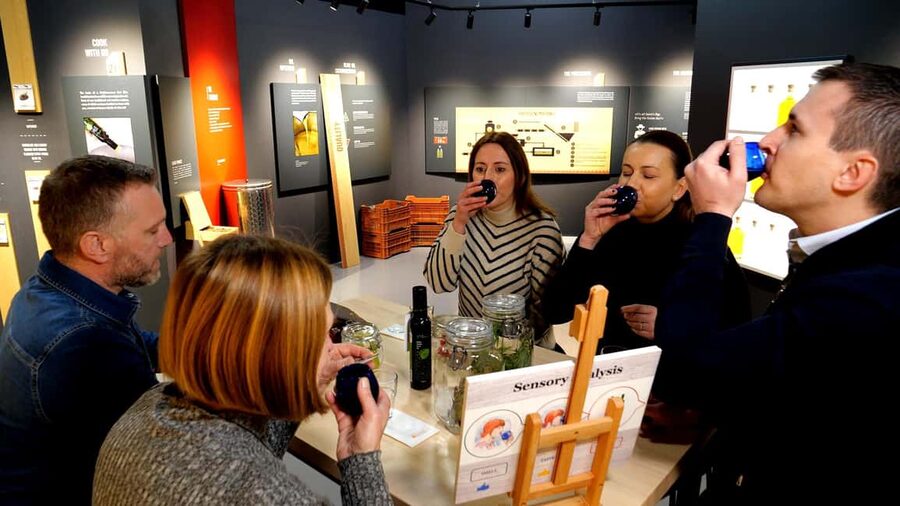
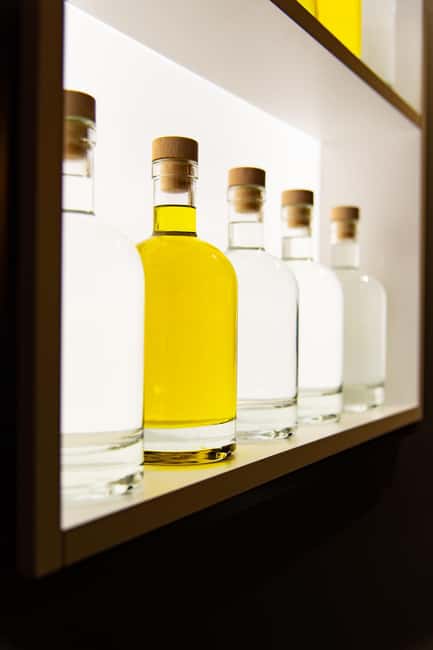
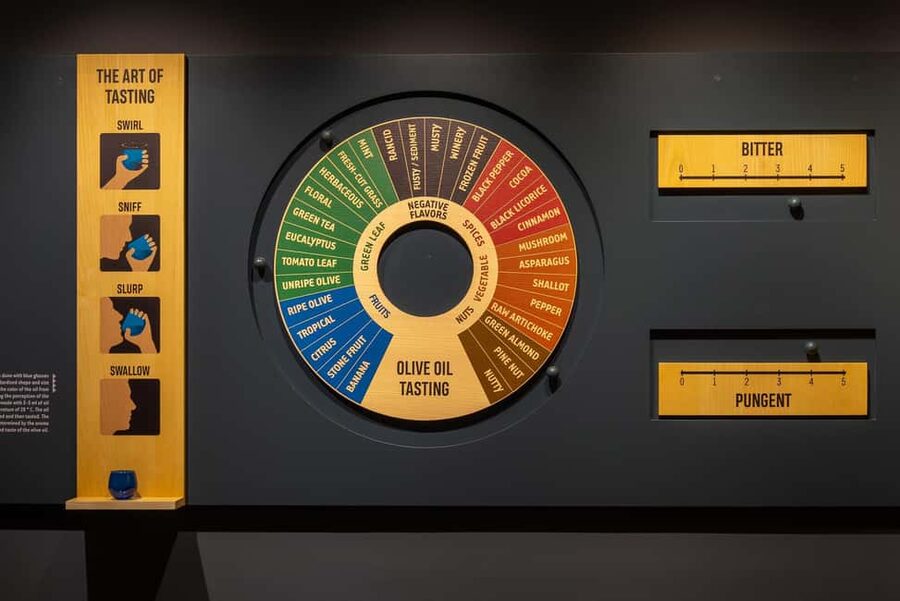
This is where the experience earns its strong reputation. In the tasting room, your host educates you on how to recognize extra virgin olive oil through an interactive experience. After the basics, you taste two different olive oils, and both are labeled extra virgin.
The best part is that you’re not only drinking a sample—you’re learning like a taster. Reviews mention smelling and tasting in a way similar to professional evaluation, which is exactly what you want if you’ve ever wondered why some olive oil tastes fruity while others taste harsh or “off.”
Practical tip: take your time during the tasting. Your nose matters before your tongue takes over. If you rush, you’ll miss the differences that the workshop is trying to teach you.
And yes, the staff here seem to be the right mix of friendly and precise. When a tasting works, it’s because the guidance is clear—how to experience the oil and how to compare it.

Traditional Sweets and Natural Cosmetics Testing
This tour doesn’t treat olive oil as a solo star. You also get traditional sweets as part of the included experience, which makes the whole stop feel more like a local product day than a single-theme lesson.
You’ll also test natural cosmetics, tied to the earlier herb and essential oil explanation. This is one of those “small but smart” add-ons. It reinforces that the estate isn’t only selling olive oil; it’s turning local plant resources into multiple product categories.
If you’re the type who likes to understand where a product fits in daily life—kitchen plus bathroom—this portion feels like a bonus, not filler.
Concept Store and Factory-Price Shopping Time
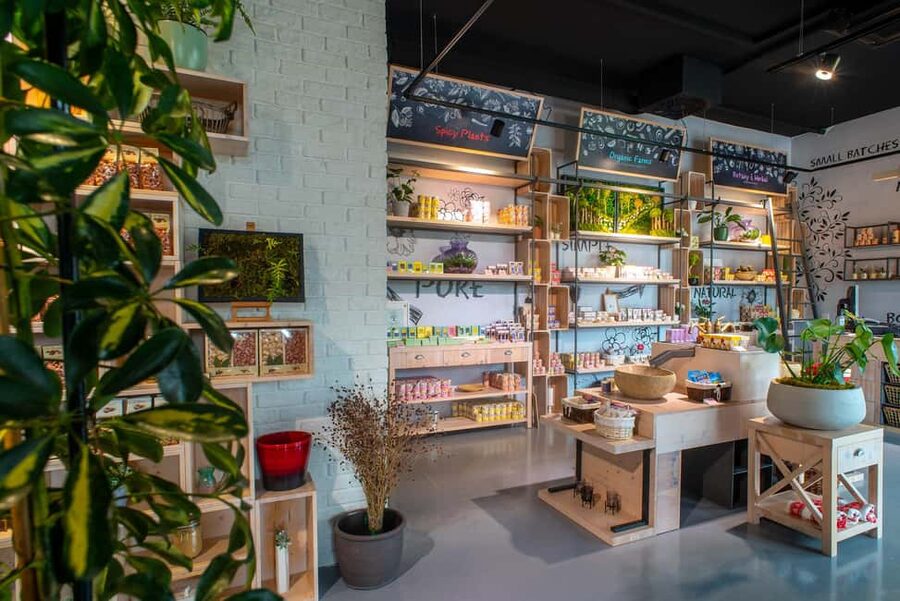
After the tastings and museum learning, you get time in the concept store with handmade products. There’s even the promise of purchasing under factory prices, which is great if you’d rather buy once you understand what you’re buying.
Here’s how I’d use this shop time: go back to what you just tasted and look for the olive oil options that match your preferences. If you learned the tasting framework well, you’ll be shopping with your senses, not marketing words.
If you’re on a strict budget, you can also treat this as browsing time. Many people appreciate being able to take their time, because it’s easier to decide when you’re not pressured by a tight schedule.
Free Time: Explore the Park and Plan Your Next Bite
After the structured parts, there’s free time to explore the park. Some people also choose to have a traditional lunch after the experience, though additional food and drinks aren’t included.
This free window is a smart design choice. It gives you a chance to decompress after tasting (which can be mentally tiring) and then continue your day in a comfortable way.
If you plan to turn this into a half-day outing, I suggest building in nearby downtime afterward. You’ll likely want a little spacing before more tastings or heavy meals.
Price and Value: Is $18 for Olive Oil Education Fair?
At $18 per person, this experience sits in the “reasonable for a taught workshop” category. You’re paying for more than entry. You’re paying for a guided tour, museum time, an interactive extra virgin tasting with two oils, traditional sweets, and cosmetics testing.
So the value isn’t just the museum. It’s the skill transfer. A tasting workshop that teaches you how to recognize quality has long-term payoff—next time you buy olive oil, you’ll understand what to look for and why.
Is it pricey compared to a casual self-guided museum stop? Yes. But if you want hands-on guidance and a structured taste education, the cost starts to look like a bargain.
Who This Works Best For (and Who Might Want Something Else)
This is a strong fit if you:
- want a guided, family-run experience focused on olive oil quality
- enjoy learning by smelling and tasting rather than only reading labels
- like local craft—herbs, cosmetics, and traditional products alongside food
You might choose something else if you:
- mainly want scenery, especially olive groves and fields right on-site
- prefer large, high-energy museums with constant action
- need a super fast stop; the experience is paced as a guided tour plus tasting workshop
Should You Book the Olive Museum and Tasting in Klis?
I’d book it if your goal is to come away understanding extra virgin olive oil quality. The interactive tasting is the centerpiece, and the tour build-up (museum context plus the herb-to-product storyline) makes the tasting feel earned.
Skip it only if your priority is outdoor olive-country views at the location itself. If that’s your top wish, you’ll probably feel more satisfied adding this as an educational workshop and then seeking scenery separately.
Either way, it’s a tidy, focused experience with a clear payoff: you learn, you taste, and you can shop with confidence afterward.
FAQ
What is the price of the Olive museum Klis experience?
The price is $18 per person.
What does the tour include?
It includes a guided tour of Stella Croatica and the Olive Oil Museum, tasting of two different olive oils, tasting of traditional sweets, and testing natural cosmetics.
Is extra food and drink included?
No. Additional food and drinks aren’t included.
What languages is the experience offered in?
The tour is offered in English.
Are food and drinks allowed during the activity?
Food and drinks are not allowed.
Is video recording allowed?
Video recording isn’t allowed.
Where do I meet the host?
Follow the signs from the main road to reach Stella Croatica. Enter the main building and wait for your host to arrive.
How long should I plan for after the tasting?
After the guided parts, you’ll have free time to explore the park. You can also choose to have a traditional lunch, but that would be outside the included food.