REVIEW · MONTEPULCIANO
Tuscan ExtraVirgin Olive Oil Tour
Book on Viator →Operated by Valdichiana Living · Bookable on Viator
Olive oil becomes a real skill here. I love the way this tour teaches you how to taste extra virgin olive oil step by step, and I love the hands-on feel of the oil-mill machinery visit right after. In about three hours, you go from not knowing what to look for to spotting quality cues like color, fragrance, and flavor.
One heads-up: if you’re dreaming of an olive grove stroll, this experience is more about the press, the product, and tasting than wandering through fields.
In This Review
- Key highlights
- Montepulciano’s Olive Oil Lesson: Simple, Hands-On, and Actually Useful
- Start Point at Valdichiana Living: What to Expect Before You Taste
- How the Tasting Works: Reading Color, Smell, and Flavor
- Where You Taste: Frantoio or Olive Oil Shop, Plus Comparisons That Teach
- The Oil Mill Visit: The Machinery Behind the Flavor
- A note on olive groves
- Lunch in Tuscan Style: Food Built to Showcase Olive Oil
- Value and Price: Why $149.23 Can Make Sense Here
- Best Time to Book: Late October for Production Action
- Who This Tour Suits Best (and Who Might Not Love It)
- Should You Book This Montepulciano Olive Oil Tour?
- FAQ
- What is the duration of the Tuscan Extra Virgin Olive Oil Tour?
- Where does the tour start in Montepulciano?
- What time does the tour start?
- What’s included in the experience?
- Do I taste different olive oils?
- How large is the group?
- Can I cancel for a full refund?
Key highlights
- Organoleptic tasting basics: color, fragrance, and flavor, taught in practical terms
- Small-group vibe (up to 16 people) that makes Q&A easy
- Machine-focused mill visit that turns oil production into something you can picture
- Multiple tastings that help you compare differences you can actually detect
- Lunch designed to match olive oil flavors so you get the “use it at the table” lesson
Montepulciano’s Olive Oil Lesson: Simple, Hands-On, and Actually Useful
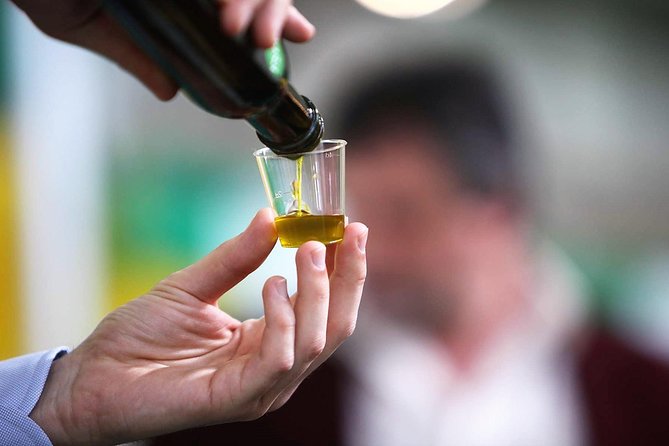
Montepulciano is known for wine, but this tour leans into something just as local: extra virgin olive oil from Tuscany. What makes it click is that the lesson isn’t theoretical. You learn how to evaluate olive oil with your senses—then you see where it comes from and eat it, so the whole thing sticks.
The format is also smart for real life. The tasting is built to train your palate fast, with a clear sequence for what to notice first and what to do next. And because the group stays small, you’re not shouting over people or guessing what part you missed.
Start Point at Valdichiana Living: What to Expect Before You Taste
You meet at Valdichiana Living at Piazza Grande, 7 in Montepulciano (start time 11:30 am). The session ends back at the same meeting point, so you’re not juggling transport or hunting for your way out of town mid-experience.
A quick practical note: plan to arrive a few minutes early and come ready to taste. Even if you’re a casual eater, this is one of those activities where a little focus pays off. They’ll guide you through the basics, but you’ll enjoy it more if you’re mentally present—especially right before the tasting rounds.
How the Tasting Works: Reading Color, Smell, and Flavor
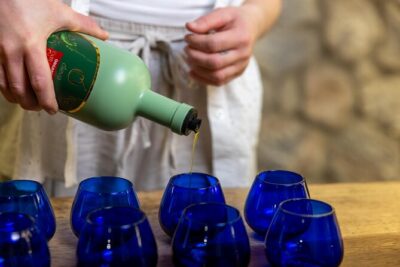
The core of the experience is a guided tasting class dedicated to Tuscan extra virgin olive oil—specifically oils tied to Terre di Siena DOP and Toscano IGP. Those labels matter because they point to origin and production standards. In plain terms: they’re a clue that you’re not just buying something called Tuscan, you’re buying something tied to a regulated territory.
During the lesson, you’ll learn to identify oil qualities starting with organoleptic qualities:
- Color: what you see tells you something about the oil’s character
- Fragrance: you’re taught to pick up recognizable notes rather than just “it smells good”
- Flavor: you learn what different flavor impressions mean and how to compare oils you taste
The goal isn’t to turn you into a judge with fancy jargon. It’s to give you a set of sensory checks you can repeat when you’re shopping in Tuscany later. By the end, you should be able to spot higher quality oil and start building your own “best match” pairings at your table—what you taste is meant to translate directly into what you cook.
Where You Taste: Frantoio or Olive Oil Shop, Plus Comparisons That Teach
The tasting part happens either at a frantoio (oil press facility) or at a wine/olive oil shop, depending on the schedule. Either way, you’re set up for structured learning: taste, compare, then taste again with new context.
One of the most praised parts is the real comparison element. You don’t just sample one oil and move on. The experience is designed so you can discern differences—some versions include tastings of three different olive oil varieties, which makes the learning jump fast. When you can compare multiple samples back to back, you start to notice what separates a good oil from a great one.
And yes, shopping can be part of the fun here. Several people highlight leaving with a better idea of what to buy from the shop store tied to the operation.
The Oil Mill Visit: The Machinery Behind the Flavor
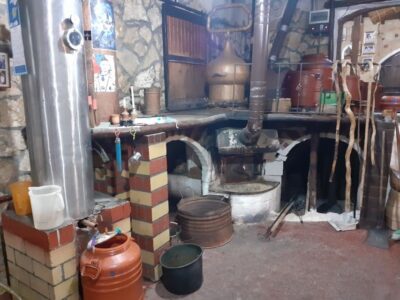
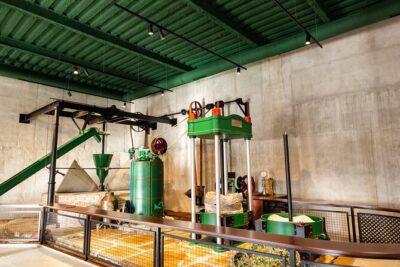
After the tasting lesson, you put what you learned to the test by visiting an oil mill producing extra virgin olive oil. This is where the experience earns its keep. Seeing the process makes the flavors feel less like magic and more like cause and effect.
The visit includes a focus on the production equipment—people specifically call out the tour of the machinery as interesting, plus a video showing the machinery working. That combination helps if you’re the kind of traveler who likes to understand the how, not just the what.
Here’s the practical takeaway: once you’ve seen the process, you’ll understand what “extra virgin” means in a real workflow sense—how careful handling and timing matter from olives to final oil. Even without technical details thrown at you, the visit gives you a mental picture you can recall when you taste oils later.
A note on olive groves
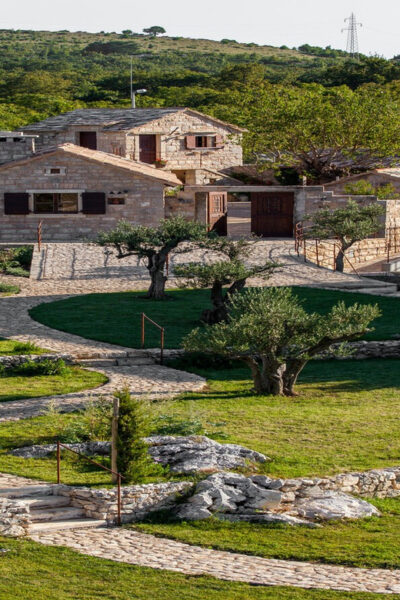
One drawback that comes up in the experience is that it can feel more focused on the press side than the growing side. If you were hoping for lots of time walking through olive orchards, you might find the mill visit takes center stage instead. Still, if you want a clear farm-to-table story, this is the part that often gets missed.
Lunch in Tuscan Style: Food Built to Showcase Olive Oil
Then comes the part you’ll feel in your stomach: lunch. You get a special menu created to enhance olive oil flavors, built around a selection of products and Tuscan dishes that use olive oil as a star ingredient rather than an afterthought.
This is one of the best “value moments” of the tour because the tasting lesson doesn’t end when the class ends. You eat. That matters. You’ll get a chance to apply the skill you just learned—taste oil you’ve evaluated, then notice how the same oil (or similar profiles) changes the way food tastes.
One practical tip: go hungry. A few people specifically warn that you should be prepared to eat well, and they weren’t kidding.
Value and Price: Why $149.23 Can Make Sense Here
At $149.23 per person for about three hours, this isn’t a budget snack stop. It’s closer to a guided culinary education plus a meal, and that changes the value math.
Here’s what you’re paying for:
- A guided tasting lesson focused on real sensory skills
- A visit to an oil mill where you see how production works
- Lunch with a menu designed around olive oil flavors
- A small group size (up to 16 people), which usually means better attention during tasting
Also, many sessions sell out ahead of time. The average booking window is about 72 days in advance, which suggests demand is steady and the tour is popular for a reason.
If you love food and want to understand what makes Tuscan extra virgin olive oil worth buying, this is one of those experiences where the value comes from what you can actually take home: better instincts when you’re shopping and better taste when you’re cooking.
Best Time to Book: Late October for Production Action
If you can choose dates, consider late October. One reviewer recommends going then to catch olive production in action. That timing can make the machinery visit feel even more alive because there’s a higher chance to see the season’s rhythm rather than a static explanation.
Even if you don’t travel in late October, you’ll still get the tasting framework plus the mill visit. But if you’re aiming for maximum “this is happening for real,” late autumn is a smart target.
Who This Tour Suits Best (and Who Might Not Love It)
This works best if you:
- Want a practical tasting skill, not just a quick sample
- Enjoy food education that ends with a proper meal
- Like seeing how products are made, especially with hands-on process views
- Prefer small groups where it’s easier to ask questions
You might not love it as much if you’re mainly after scenic walks through olive groves or a long outdoor farm experience. This is about learning to taste and understanding the oil-making process at the mill.
Should You Book This Montepulciano Olive Oil Tour?
Yes—if you want an experience that turns olive oil from a label into a skill. The big win is the combo: tasting lesson plus mill visit plus lunch built around what you learned. That structure is exactly how you end up remembering the details and feeling confident buying (and using) extra virgin olive oil after you get home.
Before you book, check your expectations. This isn’t a long vineyard-and-orchard day. It’s a focused, food-forward workshop centered on production machinery and tasting. If that sounds like your kind of trip, you’re in the right place.
FAQ
What is the duration of the Tuscan Extra Virgin Olive Oil Tour?
It runs for about 3 hours.
Where does the tour start in Montepulciano?
The meeting point is Valdichiana Living, Piazza Grande, 7, 53045 Montepulciano SI, Italy.
What time does the tour start?
The start time is 11:30 am.
What’s included in the experience?
You get a tasting class focused on extra virgin olive oil and a visit to an oil mill producing extra virgin olive oil, plus lunch with a special menu designed to enhance olive oil flavors.
Do I taste different olive oils?
Yes. The experience includes guided tastings, including comparisons; at least one version includes tasting three different varieties of olive oil.
How large is the group?
The tour has a maximum of 16 travelers.
Can I cancel for a full refund?
Yes. You can cancel up to 24 hours in advance for a full refund.