REVIEW · CASTILLA LA MANCHA
Visit olive grove centenary with oil tasting course
Book on Viator →Operated by Proyecto Los Aires · Bookable on Viator
Ancient olive groves and real tasting lessons. You walk through an olive grove older than 300 years, learn how olives shaped life in Spain, and you finish with an oil tasting course that helps you understand what you’re actually tasting and what to look for on labels. The one thing to plan around: this is an outdoor farm experience, and one review specifically notes there’s no bathroom on the grove itself.
I like that the hosts keep it practical. Guides like Laura (often described as a farmer and biologist) and Guillermo bring you close to the trees and the yearly work behind quality extra-virgin olive oil, with special attention to the cornicabra variety. The vibe feels more like learning from people who do this for a living than a classroom lecture, and you even get a small food break with local flavors.
If you’re hoping for a perfectly smooth logistics day with lots of indoor comfort, note the experience depends on good weather. It also starts at 10:00 am and runs about 2 hours, so you’ll want to show up ready for walking under open skies (even if you spend plenty of time in shade).
In This Review
- Key highlights you’ll care about
- Entering the centenary olive grove near Arcicóllar
- What the organic EVOO lesson is really teaching you
- Oil tasting that trains your palate, not your memory
- The best part of the tasting: learning to shop smarter
- Manchego, tomato bread, and wine from the property
- Timing, group size, and practical tips for a 10:00 am start
- Who should book this olive grove tour (and who might skip it)
- Value check: does $35.82 make sense?
- Should you book the centenary olive grove oil tasting course?
- FAQ
- Where does the tour start?
- How long is the olive grove centenary experience?
- What language is the tour offered in?
- How much does it cost?
- What food and drink are included?
- Is there a bathroom on the site?
Key highlights you’ll care about
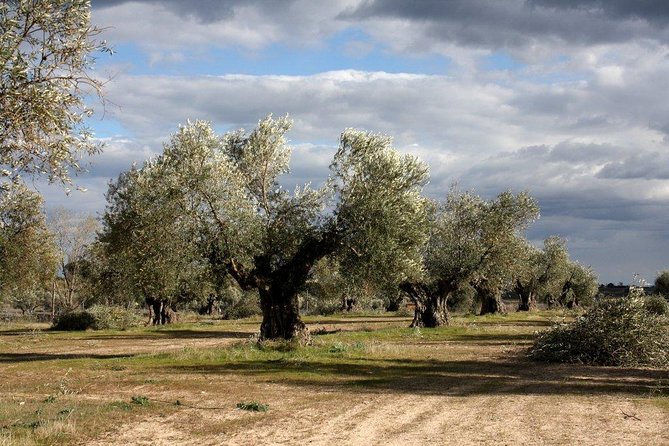
- 300+ year olive grove: walk among trees with deep roots in Spanish farming history
- Organic EVOO focus: see the work behind quality extra-virgin olive oil, including cornicabra
- Hands-on oil tasting: smell and taste differences, then learn what terms like acidity mean
- What matters on labels: get a simple way to interpret tags when you shop
- Manchego + wine pairing: Manchego cured sheep cheese, tomato bread, and wine from their property
- Small group energy: maximum of 30 people, in English
Entering the centenary olive grove near Arcicóllar
The heart of this experience is the walk. You start in the countryside near Arcicóllar (meeting point: C. Visitación, 12, 45182), and your first time is spent among olive trees that are truly old—over 300 years is the headline here. This is not a quick photo stop. You’re guided through what an olive tree is, how they arrived in the Iberian Peninsula, and why olives became such a big deal in the region.
What makes this opening feel worth your time is that it’s tied to real farming. You’re not just hearing facts about the past—you’re watching how modern organic care supports a long-living grove. In the interviews and explanations, the guides connect the tree’s biology and the land to the final bottle of EVOO.
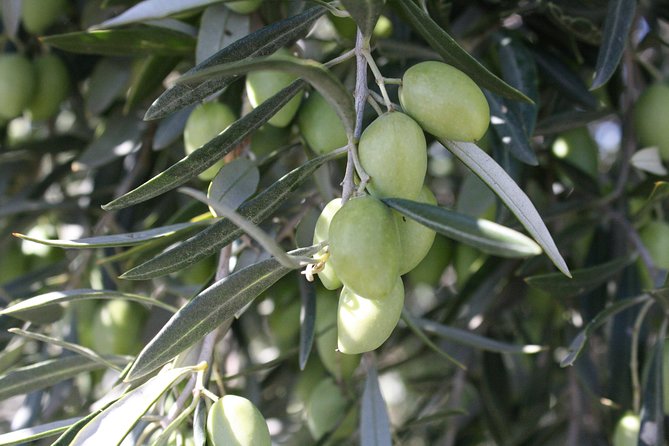
I especially like how guides name the variety you’ll hear about throughout: cornicabra. If you’ve had Spanish olive oil before, you may know cornicabra as a flavor signature. Here, you get context for why it matters and how the grove’s care and harvest decisions influence what ends up in your glass later.
What the organic EVOO lesson is really teaching you
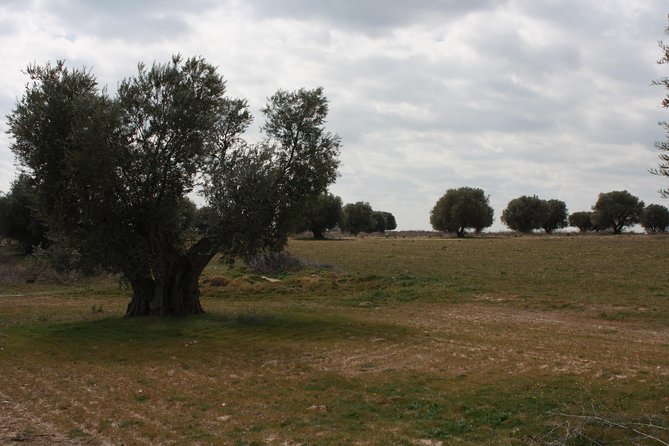
After the walk through the grove, the tour turns into the “how it’s made” part—focused on quality extra-virgin olive oil and the yearly calendar of work. You’ll learn what’s involved during the year to help produce EVOO that matches their standards, rather than generic olive oil you might find anywhere.
The tone stays friendly and question-driven. Guides will help you connect farm work to taste, and they also focus on biodiversity and organic methods (which shows up in the way they explain caring for the land, not just treating the olives like an industrial crop).
This section matters because most people taste olive oil without knowing what they’re judging. Is the bitterness bad? Is itching a sign of low quality? The guides don’t just say yes or no. They help you understand the cues so you can make your own call.
Oil tasting that trains your palate, not your memory
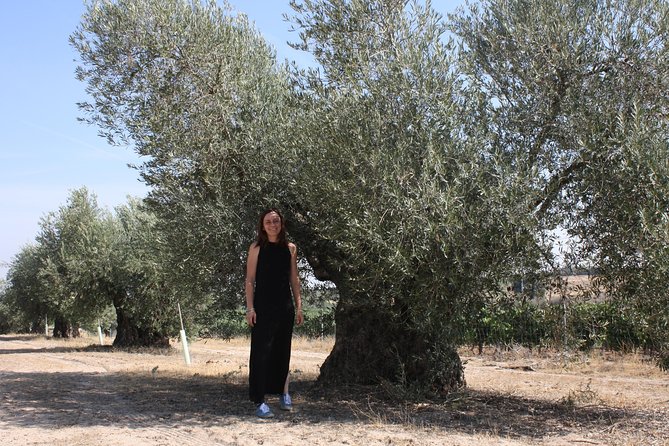
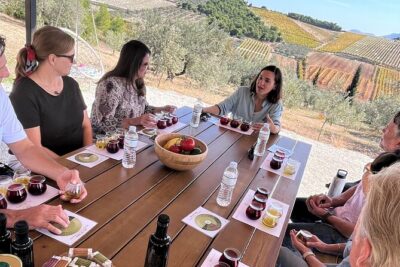
Now comes the fun part: the tasting course. You’ll taste different olive oil samples and learn how to differentiate qualities, then get answers to the questions people usually feel but can’t explain.
Here’s what the tasting is designed to help with, based on the tour’s own focus:
- Why some oils feel like they itch more, or taste more bitter than others
- What information you should look for on the tag (the practical label-check habit)
- Whether color matters (and what you should actually trust)
- What acidity implies
This is where you’ll feel the value of the small-group format. With fewer people, you can ask your own question and get direct guidance. And because the tasting covers both aroma and flavor, you learn that olive oil isn’t just “good” or “bad.” It’s a set of signals: fruitiness, bitterness balance, and pungency.
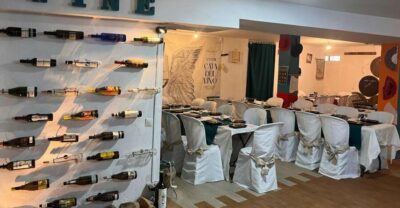
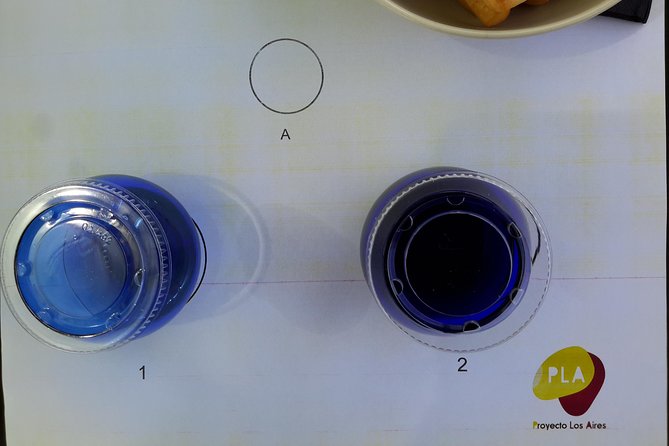
One extra detail that makes this more than a simple sip-and-spit: at least one review mentions the tasting happens in a cool refurbished hen house when needed. That’s helpful if the day runs hot, because you can reset and still keep moving through the course without feeling wiped out.
The best part of the tasting: learning to shop smarter
The most useful part of any food lesson is what you can do later at home. This one gives you that. After the grove tour and the tasting guidance, you’re better prepared to read olive oil labels instead of relying only on brand, marketing, or price.
You’ll pick up a framework tied to the exact kinds of things the guides emphasize during tasting—acidity meaning, label tags to look for, and how bitterness and that peppery “itch” can show up in different oils. So when you’re standing in a store, you’ll know which details are worth your attention and which ones are just visual.
I think this is one of the best reasons to book this activity even if you already love olive oil. You’ll come away with a repeatable way to buy, not just a one-day taste.
Manchego, tomato bread, and wine from the property
After the walking and tasting, you get a break that stays true to the region. You’ll enjoy a cap of Manchego cured sheep cheese made by the family and their own livestock. It comes with bread topped with tomato and oil—simple, classic flavors that also work well as a palate reset between tasting steps.
Then the day doesn’t end with water. You also get a glass of wine made from grapes from their property. That matters because it ties the food back to the same land and people you met during the grove walk. It’s not just added alcohol—it’s part of the “here’s what we produce” story.
This part of the experience also helps if you’re traveling with mixed interests. Even if someone isn’t obsessed with EVOO, Manchego and local wine are a comfortable bridge into the whole farm setting.
Timing, group size, and practical tips for a 10:00 am start
The tour runs about 2 hours and starts at 10:00 am. You’ll finish back at the meeting point, so you’re not forced into a long transportation shuffle.
Good to know on logistics and comfort:
- Group size stays capped at 30 travelers, so it doesn’t feel like a cattle-line tasting.
- It’s offered in English, which is a real plus for visitors in the Madrid–Toledo area.
- Near public transportation, so you’re less dependent on a private transfer.
- Service animals are allowed.
Weather is part of the deal. The experience requires good weather, and if it’s canceled due to poor conditions, you should be offered a different date or a full refund. In hot stretches, one review mentions water and straw hats being provided, which tells me they take comfort seriously when the heat shows up.
One more practical note from reviews: one person mentions there’s no bathroom on the site. Since the tasting can take place in a refurbished hen house (where facilities may be available), I’d plan as if you might need to use facilities in the office/tasting area rather than on the grove path itself.
Who should book this olive grove tour (and who might skip it)
You’ll likely love this if:
- You enjoy food education that ends with tasting, not just watching
- You want to understand what different olive oils taste like and why
- You’re visiting the Madrid–Toledo region and want a short, high-value day trip
- You like meeting farmers and hearing how they actually work year-round
- You want something fun for teens too; at least one family mention included teenagers enjoying the day
You might hesitate if:
- You want a highly urban experience with minimal outdoor time
- You’re sensitive to heat and don’t want to plan around weather
- You strongly prefer venues with guaranteed on-site bathrooms at the exact grove location (one review flags this)
Value check: does $35.82 make sense?
At $35.82 per person for about 2 hours, this isn’t just a tour ticket. You’re paying for a guided walk through a century-old organic grove, a tasting course with guided interpretation of flavors and label meaning, plus a food stop with Manchego cheese, tomato bread, oil, and a glass of wine.
The value really comes from the combination:
- You get farm education you can’t easily replicate from a supermarket shelf
- You taste multiple oils with explanations that connect to real shopping decisions
- You leave with local food and drink that feels integrated, not tacked on
If olive oil tasting is a theme of your trip, this price looks fair. If you mainly want a scenic countryside stroll with no interest in learning what makes one EVOO different from another, it may feel like you’re paying for lessons you don’t need.
Should you book the centenary olive grove oil tasting course?
I’d book it if your trip includes Toledo or the broader Castilla-La Mancha area and you want a hands-on farm experience that’s both educational and genuinely enjoyable. The grove itself is the standout—300+ year trees—but what makes the day stick is the tasting course: it trains you to notice differences and explains the questions that come up when you try to buy olive oil with confidence.
If you can handle outdoors time and you’re okay working with the weather-dependent schedule, this is a strong pick. For me, it’s the kind of tour where the payoff shows up twice: once during the tasting, and again later when you shop for EVOO and actually know what you’re looking at.
FAQ
Where does the tour start?
The meeting point is C. Visitación, 12, 45182 Arcicóllar, Toledo, Spain, and the activity ends back at the meeting point.
How long is the olive grove centenary experience?
It lasts about 2 hours.
What language is the tour offered in?
It’s offered in English.
How much does it cost?
The price is $35.82 per person.
What food and drink are included?
You get Manchego cured sheep cheese with bread that includes tomato and oil, plus a glass of wine made from grapes of their property.
Is there a bathroom on the site?
One review notes there is no bathroom on the grove site. The tasting may take place indoors in a refurbished hen house, but you should plan for the possibility of limited bathroom access at the grove itself.