
REVIEW · THESSALONIKI
Thessaloniki: Cretan Olive Oil Tasting Experience
Book on GetYourGuide →Operated by CHRISOPIGI DELI · Bookable on GetYourGuide
Olive oil tastes like a lesson you can sip. This 1-hour tasting at Chrisopigi Deli on Ermou Street turns early-harvest extra virgin olive oil into something you can actually judge, using organoleptic tasting skills—not just saying it is good. You’ll also sample Cretan staples like handmade olive paste, tsikoudia (raki), and small-batch bites that make the flavors click.
What I like most is the way you’re guided to taste: you don’t just swallow—you learn how aroma, texture, and flavor relate to quality. I also love the spread beyond olive oil, especially the Koroneiki-based samples, the handmade olive paste from Koronian olives, and the sweet-savory combo of Cretan rusk with cherry tomato chutney.
The main drawback: this is a shop-based session, not a tour with lots of stops or roaming around town. If you want a long meal or big sights, you might find the format a little too focused and compact for your taste.
In This Review
- Key points to know
- Why this Thessaloniki tasting feels different from the usual oil sampling
- Your one-hour itinerary: what happens from first pour to last bite
- 1) Welcome and olive oil tasting setup
- 2) A production story that connects to what you taste
- 3) Variety and product comparisons
- 4) The Cretan drinking moment: tsikoudia (raki)
- 5) Cretan rusk and cherry tomato chutney
- 6) Q&A and shop time
- Early harvest extra virgin olive oil: what makes it worth paying attention to
- Koroneiki (Sitia) and Koronian olives: how these samples teach you to compare
- Handmade olive paste, rusk, and cherry tomato chutney: the flavor pairing that makes it click
- Handmade olive paste from Koronian olives
- Cretan rusk
- Cherry tomato chutney
- Tsikoudia (raki): a Cretan palate reset, not a party trick
- Who runs this show, and how the vibe stays friendly
- Price and value: is $23 really worth it?
- Finding Chrisopigi Deli at Ermou 25 without stress
- Who should book this tasting, and who might skip it
- Should you book the Chrisopigi Cretan olive oil tasting?
- FAQ
- How long is the Chrisopigi Cretan olive oil tasting in Thessaloniki?
- What is the price per person?
- Where do we meet for the tasting?
- What is included in the tasting?
- What languages is the live guide available in?
- Is this experience a private group, and is it wheelchair accessible?
- Can I change my plans after booking?
Key points to know
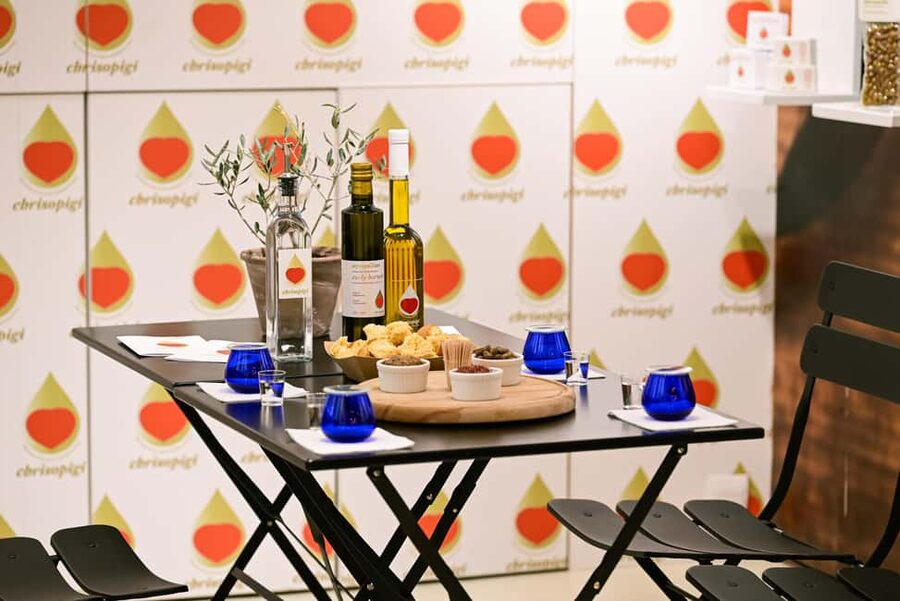
- Early-harvest extra virgin olive oil tasting with a teach-you-to-notice approach
- Koroneiki variety olive of Sitia, Crete helps you compare a specific cultivar
- Handmade olive paste from Koronian olives adds texture and saltiness to the oil story
- Tsikoudia (raki) is part of the Cretan flavor rhythm, not an afterthought
- Rusk plus cherry tomato chutney shows how Cretan snack pairings work
- Everything tasted is for sale on the spot, so you can bring flavors home
Why this Thessaloniki tasting feels different from the usual oil sampling
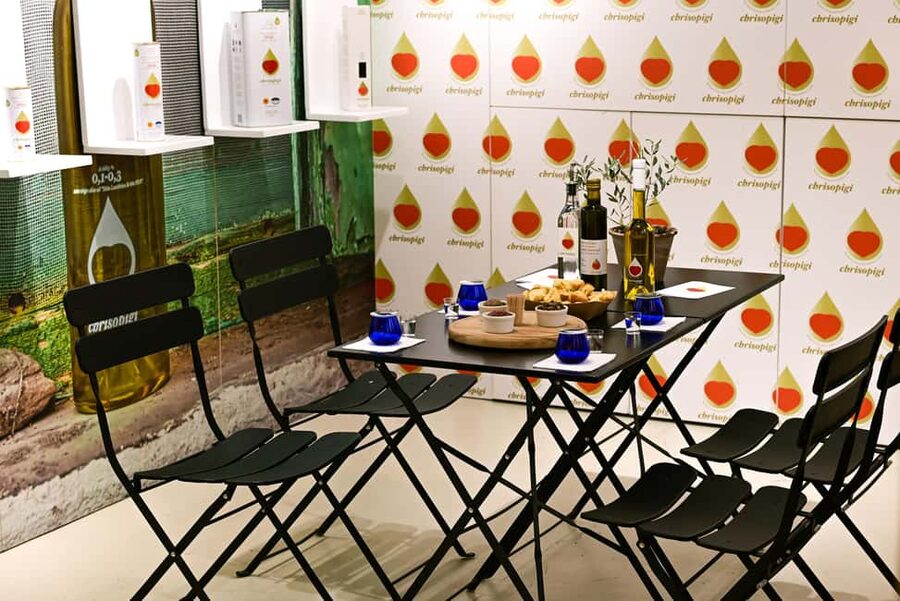
Most olive oil tastings boil down to: taste a few oils, nod, move on. This one is more like a guided “how to read the glass” session. You get an early harvest extra virgin olive oil tasting, plus an explanation of how traditional olive oil production shapes the final result. That matters, because it helps you understand what you’re sensing instead of relying on vibes.
The setting helps too. Chrisopigi Deli is right in the middle of Ermou 25, so it’s easy to pair with a walk through central Thessaloniki. And since it’s a private group experience, the pacing tends to stay friendly and conversational, not rushed.
Finally, the “food” portion isn’t random. The rusk, olive paste, chutney, and tsikoudia are there to support how you perceive the oil—fat, salt, acidity, and heat all change what you notice in each sip. It’s the kind of pairing logic you’ll actually use when you buy groceries later.
You can also read our reviews of more tours and experiences in Thessaloniki.
Your one-hour itinerary: what happens from first pour to last bite
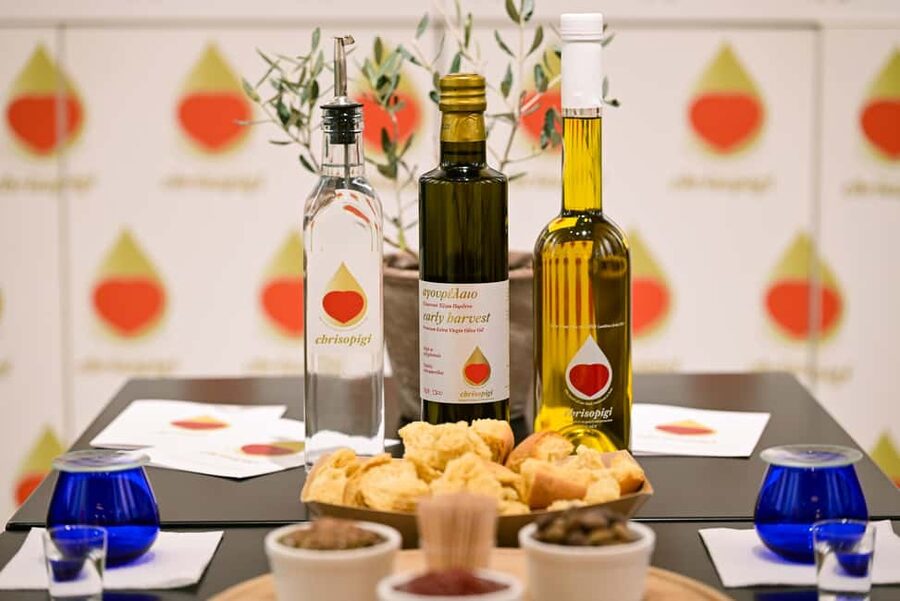
The session runs about 1 hour, and it stays tightly focused. Here’s the flow you can expect.
1) Welcome and olive oil tasting setup
You start with early harvest extra virgin olive oil. You’re shown how to taste it in a way that highlights quality cues: aroma first, then flavor and mouthfeel. This is where the tasting becomes practical. Instead of calling something “smooth,” you learn what to look for—like fruit character, bitterness level, and the peppery finish that often signals freshness.
2) A production story that connects to what you taste
Next comes the traditional olive oil production insight. You’ll connect the dots between cultivation and harvesting timing, pressing and processing, and why early harvest oils often feel more intense. Even if you don’t remember every detail, you’ll leave with a mental framework for shopping.
3) Variety and product comparisons
Then the tasting widens. You’ll sample the Koroneiki variety olive of Sitia, Crete. You’ll also taste handmade olive paste made from Koronian olives. These aren’t just “extras.” They help you understand the range of olive flavor in the Cretan pantry—oil as a liquid, olives as paste, and both as part of everyday eating.
4) The Cretan drinking moment: tsikoudia (raki)
You also taste tsikoudia (raki), the traditional drink of Crete. This part is useful for your palate education because it changes how flavors land after you’ve already tasted oil and paste. It’s the kind of local pairing that turns a tasting into a mini experience of how people actually eat and drink.
5) Cretan rusk and cherry tomato chutney
At the end, you’ll enjoy a traditional Cretan rusk and a chutney made from cherry tomatoes. The rusk adds crunch and dryness; the chutney adds sweet-tart fruit notes. Together, they give your brain a contrast tool—what tastes buttery in oil can taste different once acidity and texture enter the picture.
6) Q&A and shop time
By the end, you’ll have a clearer sense of the organoleptic features that mark premium extra virgin olive oil. And since every product you taste is available for purchase, you can ask questions while you’re still in the tasting mindset.
Early harvest extra virgin olive oil: what makes it worth paying attention to
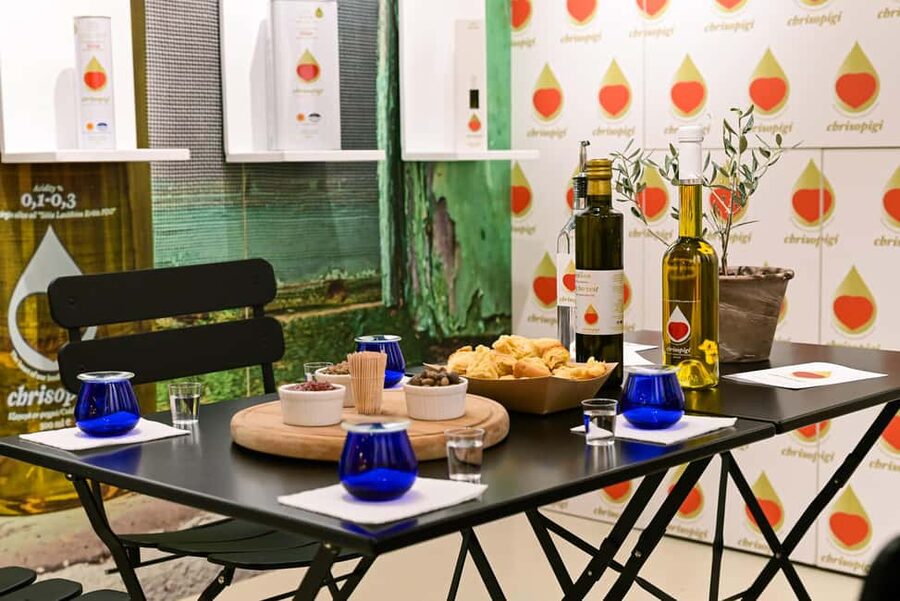
Early harvest oils aren’t just a marketing term. They’re usually picked before full ripeness, which tends to influence both flavor and “bite.” In a tasting like this, you’ll learn to notice what early harvest often brings: a fresher fruit character, a more pronounced vegetal impression, and that peppery finish that shows up in the throat.
I like that you’re not left with a single label and a guess. You get guided tasting, so you learn the difference between:
- what feels like a general pleasant oil, and
- what signals quality when you slow down and pay attention.
That’s a big value point for you. If you’ve ever bought olive oil that tastes fine at home but disappoints later, the issue is usually how you judged it. This tasting gives you a better way to judge.
Koroneiki (Sitia) and Koronian olives: how these samples teach you to compare
Cretan olive products are often linked to specific varieties, and this session leans into that. You’ll taste the Koroneiki variety olive of Sitia, Crete. You’ll also try handmade olive paste from Koronian olives. Even the names sound similar, but the tasting format helps you treat them as separate flavor experiences.
Why this matters: tasting one oil doesn’t tell you how to choose what you’ll buy. Comparing oil to paste helps you understand olive flavor in different forms. Paste is thicker, saltier, and more intense in olive identity. Oil is cleaner and more aromatic. When you learn that difference, your shopping choices become sharper.
Also, if you’re the kind of person who cooks, this is practical. You’ll start thinking about how different olive-based products behave in real meals. An oil with a peppery finish may suit bold salads and grilled vegetables. A paste can act like a concentrated topping or spread, changing the mood of a simple snack.
Handmade olive paste, rusk, and cherry tomato chutney: the flavor pairing that makes it click
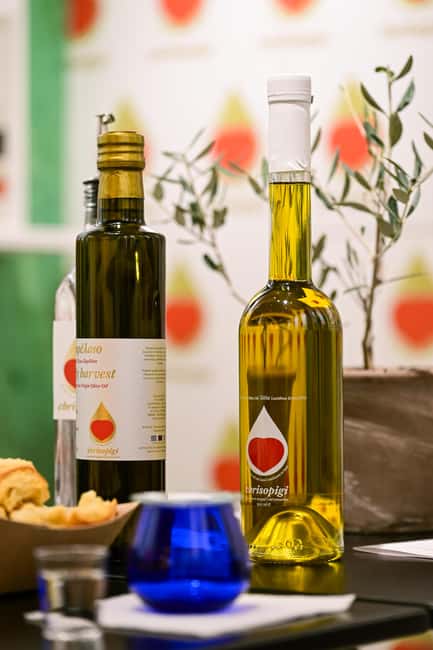
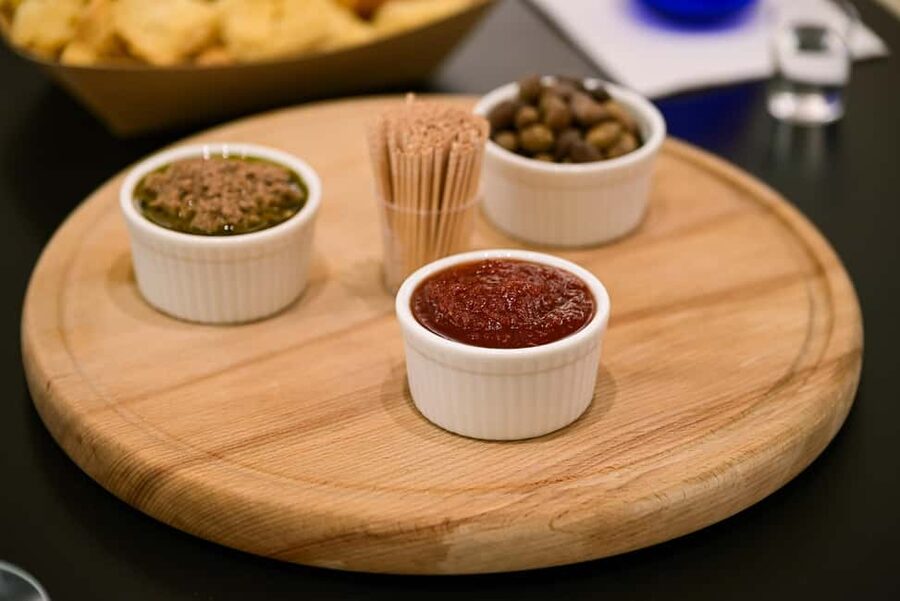
A lot of oil tastings miss the chance to teach pairing. Here, the food choices are doing work.
Handmade olive paste from Koronian olives
Paste gives you a thick, salty, olive-forward flavor. It’s a great contrast to the fluid texture of oil. It also helps you notice bitterness and fruit notes differently, because the paste sticks to your palate longer.
Cretan rusk
The traditional Cretan rusk is simple, but it matters. Dry crunch changes how you perceive oil. After oily richness, something crisp and slightly dry can make the oil taste fresher and more defined.
Cherry tomato chutney
The cherry tomato chutney brings acidity and fruit sweetness into the mix. That contrast helps you understand why olive oil isn’t just for drizzle. Used with something tangy, you can taste how fat carries flavor while acidity keeps everything lively.
This is the kind of tasting where you’ll probably start planning what to buy for your next grocery run. That’s real travel value: you leave with a better palate, not just a memory.
Tsikoudia (raki): a Cretan palate reset, not a party trick
Tsikoudia (raki) shows up in the session as a traditional drink of Crete. I like that it’s placed where it can reset your palate. After olive oil, paste, and chutney, a small taste of raki changes the sensation and helps you re-check what you’re noticing.
You don’t need to be an experienced drinker to enjoy this part. The session is about understanding flavor and pairing, not about drinking fast. Still, if you avoid alcohol, just note that the tasting includes tsikoudia (raki) as part of the experience.
Who runs this show, and how the vibe stays friendly

The host experience is a major reason people rate this so highly. Names like Giannis/Ioannis come up, and the tone is consistent: friendly, patient, and happy to answer questions. One of the best signs is flexibility—if plans shift, the session can adjust time. That makes a big difference when you’re trying to fit things into a day in central Thessaloniki.
Another plus: occasionally the producer may join and share more about growing and harvesting olives. When that happens, the tasting becomes more than a product lesson—it turns into a behind-the-scenes look at how family farms feed into what’s in your glass.
Bottom line: you’re not stuck with a script. You’re in a small shop setting with a person who wants you to get it.
Price and value: is $23 really worth it?
At $23 per person for about an hour, the value depends on what you want from the experience. If you just want a random food stop, it might feel pricey. But if you care about learning how to taste and buy olive oil with confidence, it stacks up well.
Here’s why it’s good value:
- You’re tasting multiple items, not one oil and done.
- You get an explanation of traditional production and how to interpret organoleptic features.
- You taste Cretan products that would cost extra if you tried to buy them separately without guidance.
- Every item tasted is available for purchase right at the shop, so you can convert learning into a real purchase while your palate is still calibrated.
Also, central location matters. Since it’s on Ermou Street near major pedestrian flow, you’re not paying for transportation to some remote outpost.
Finding Chrisopigi Deli at Ermou 25 without stress
The meeting point is at Ermou 25, at the Chrisopigi deli shop, about 20 meters from Venizelou Street and next to a bus stop. That’s an advantage: you can orient by street landmarks and transit signage.
If you arrive during times when the surrounding market area looks a bit different, don’t panic. Look for the shop entrance and the deli storefront cues. The key is that the address stays fixed and the bus stop reference should help you lock onto the right spot quickly.
Who should book this tasting, and who might skip it
This works best for:
- food lovers who want a clear, guided way to taste premium extra virgin olive oil
- anyone who buys olive oil but wants better judgment next time
- couples or small groups who want a short, high-impact activity in central Thessaloniki
- people who enjoy learning through hands-on tasting, not just listening
You might skip it if:
- you want a long guided tour with multiple sights and lots of walking
- you expect a restaurant meal format rather than a focused tasting session
- alcohol doesn’t fit your preferences, since tsikoudia (raki) is included
Should you book the Chrisopigi Cretan olive oil tasting?
If you’re in Thessaloniki with an hour you can spare and you like learning with your senses, I’d book it. The session is short, but it’s packed: early harvest extra virgin olive oil, Koroneiki tasting, handmade olive paste, tsikoudia (raki), rusk, and cherry tomato chutney—plus the guidance to understand aroma, texture, and flavor quality markers.
It also has a very practical finish: you can buy what you liked immediately, so the tasting turns into something you can actually use at home. For $23, that combination of education and product access is hard to beat—especially when you’re already in the center of the city.
FAQ
How long is the Chrisopigi Cretan olive oil tasting in Thessaloniki?
The tasting session lasts 1 hour.
What is the price per person?
The price is $23 per person.
Where do we meet for the tasting?
You meet at Chrisopigi Deli, Ermou 25, Thessaloniki, in the middle of Ermou Street, about 20 meters close to Venizelou Street, next to a bus stop.
What is included in the tasting?
It includes early harvest extra virgin olive oil tasting, Koroneiki variety olive of Sitia tasting, handmade olive paste tasting, tsikoudia (raki) tasting, traditional Cretan rusk tasting, and cherry tomato chutney tasting, plus insight into traditional olive oil production and understanding organoleptic features.
What languages is the live guide available in?
The live guide is available in English and Greek.
Is this experience a private group, and is it wheelchair accessible?
Yes, it is a private group, and it is wheelchair accessible.
Can I change my plans after booking?
You have free cancellation up to 24 hours in advance for a full refund, and there is also a reserve now & pay later option.