REVIEW · HERAKLION
Private Tour-Knossos Palace Zeus Cave&Olive Oil Mill from Elounda
Book on Viator →Operated by Tours in Heraklion · Bookable on Viator
A day that hits Crete from every angle. This private tour strings together five very different worlds—olive pressing, mountain villages, windmills, a dam viewpoint, and Knossos Palace—with hotel pickup and an English driver-guide.
I really like the mix of hands-on stops and short, moving segments: you get an hour at Omalia Olive Press, then breaks that keep the day from feeling like a bus ride.
One thing to consider: the tour name includes Zeus Cave, but it’s noted as closed for now, so your guide may swap plans.
In This Review
- Quick highlights from this Crete private day
- From Elounda pickup to the olive press: how this day stays painless
- Omalia Olive Press: modern milling and a very real taste test
- Krasi’s ancient plane tree: a 30-minute pause with folklore weight
- Passing by some sights: why short skips can be a feature
- Lasithi Plateau windmills: quick photos, big mountain scale
- Coffee at Lasithi Mesa: where the locals break the pace for you
- Tzermiado village walk: old buildings, short time, real atmosphere
- Traditional taverna stop: what you’ll likely order and how to make it worth it
- Aposelemis Dam: a scenic reset on the return drive
- Knossos Palace: making the most of 2 hours
- Zeus Cave note: plan B is part of the deal
- Price and value: is $721.76 a smart buy?
- Who should book this Crete private day (and who shouldn’t)
- Should you book this private Knossos + Lasithi itinerary?
- FAQ
- What’s included in the private tour price?
- What’s not included for Knossos Palace?
- Do we visit Zeus Cave on this tour?
- Are there meals included?
- How long is the tour and how many people are in a group?
- Which areas do you pick up from?
- What if my tour is delayed because of cruise timing?
Quick highlights from this Crete private day
- Omalia Olive Press: a family-rooted operation where you can taste what’s just been pressed
- Krasi plane tree: a giant, centuries-old landmark with a calm village square feel
- Lasithi Plateau windmills: quick photo time with big mountain views
- Kafeneio coffee and raki stop: a locals-first break where the conversation matters as much as the drink
- Aposelemis Dam: a scenic stop on the return route
- Knossos in a private schedule: 2 hours on site, with an optional licensed guide
From Elounda pickup to the olive press: how this day stays painless
This tour is built around comfort first. You’re in a Mercedes Benz van with pickup and drop-off from the Elounda, Agios Nikolaos, Malia, Hersonissos, Heraklion, and Rethymno areas, and your driver-guide handles the driving so you can focus on the stops.
It also helps that the pace is stop-based, not just “sit and wait.” The longest moments are intentionally useful: a full hour at Omalia, another hour for coffee and raki up in the plateau area, and two hours at Knossos.
One practical note: it’s scheduled for about 7 to 8 hours, so start the day fed and hydrated. You’ll have bottled water and refreshments along the way, but road time on Crete adds up.
You can also read our reviews of more tours and experiences in Heraklion.
Omalia Olive Press: modern milling and a very real taste test
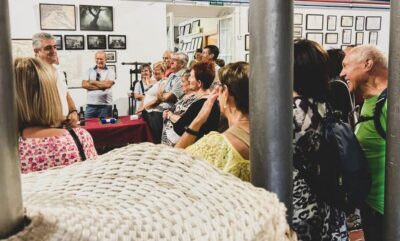
Your first real flavor moment is Omalia Olive Press, where you visit a 4th generation olive oil factory. What I like here is the balance between the old and the new: you see modern equipment used alongside traditional methods passed down through generations.
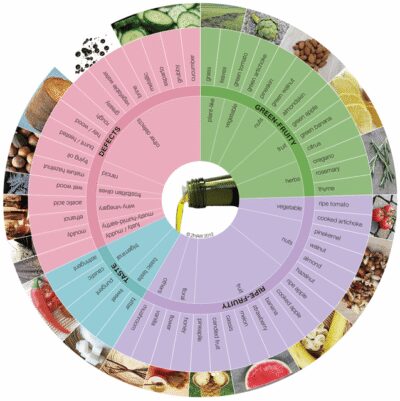
Then comes the part that matters most—tasting. You get to sample olive oil freshly pressed from the harvest, and that’s the difference between just hearing about Cretan olive culture and actually understanding it with your taste buds.
A possible drawback is timing. This is a working operation, so you may spend some of that hour walking through active production areas. Wear comfortable shoes and expect that the experience is more workshop-like than museum-like.
Krasi’s ancient plane tree: a 30-minute pause with folklore weight
After the olive stop, you head to Krasi for a look at an over 2,400-year-old Platanus tree. It’s the kind of landmark that changes the mood instantly—big shade, thick trunk, and that village-square feeling where you can actually take a breath.
The ticketing here is easy: admission is free, and the time is short at about 30 minutes. You’re not trying to race a long route; you’re just getting your eyes on something rare in Europe.
The only consideration is that this stop is brief. If you’re craving long walking tours, Krasi won’t feel like “enough,” but it’s a nice contrast after Omalia.
Passing by some sights: why short skips can be a feature
You may have a couple of spots listed as pass-by without stopping. I actually think that can be smart on a day like this, because it keeps you from spending your best daylight hours stuck on transfers.
The tradeoff is simple: if a stop is pass-by only, you won’t get the same depth you’d get elsewhere. If there are specific priorities you have, the operator notes that they’ll tailor the program—so it’s worth asking before the day starts.
This is also where Zeus Cave matters. The tour info says Zeus Cave is closed for the moment, so you should expect adjustments to keep the route flowing.
Lasithi Plateau windmills: quick photos, big mountain scale
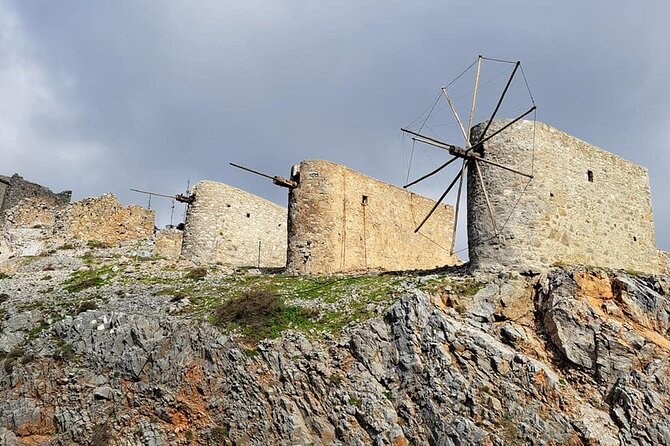
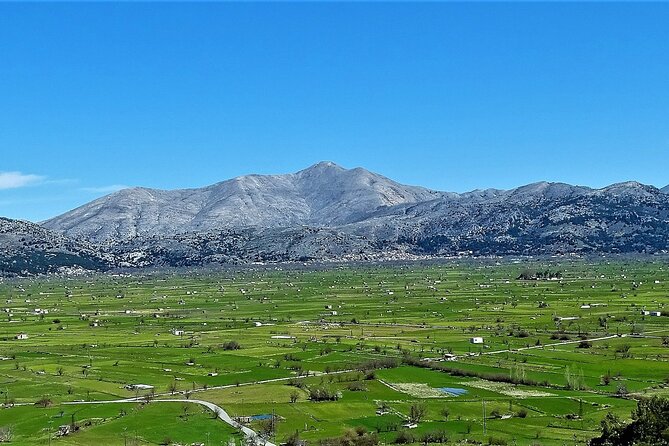
Next you get to the Lasithi Plateau area and its famous windmills. You’ll spend about 30 minutes exploring the old windmills and taking pictures with mountain views all around.
The value here isn’t a long history lecture. It’s the view + context: for centuries, windmills helped grind grain and support irrigation. Even in a short visit, you can feel how people built daily life around climate and work.
Your only “watch-out” is weather and clothing. Plateau viewpoints can feel cooler and breezier than lower towns, and that matters if you’re planning to take photos and stay out for a full half hour.



Coffee at Lasithi Mesa: where the locals break the pace for you
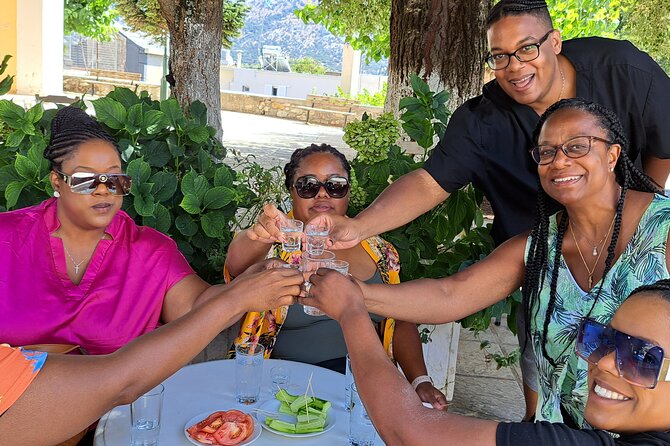
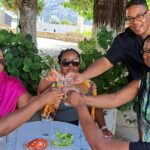
In Lasithi Mesa, your schedule includes a stop at a traditional kafeneio for Greek coffee and Cretan raki. This is about more than drinks. It’s a structured pause where your driver-guide can point out village rhythms and you get a chance to slow down.
You’ll have about one hour here, which is ideal. It’s long enough to relax, but not so long that you’re antsy before the next transfer.
I also like that this part is free of museum rules. You’re not managing timed entry or ticket scanning; you’re having a break the way locals do, just with a visitor-friendly schedule.
Tzermiado village walk: old buildings, short time, real atmosphere
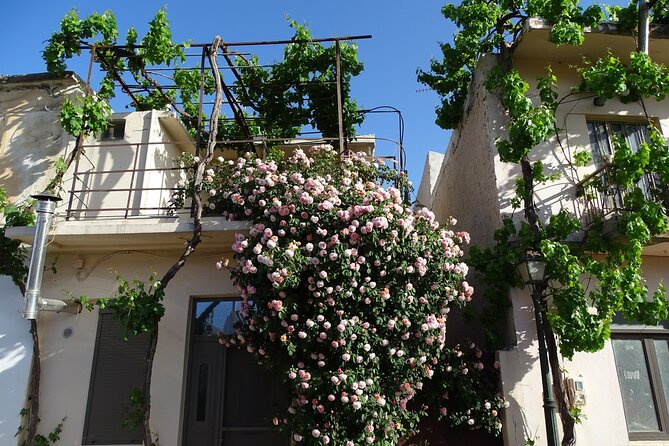
Then comes Tzermiado, a village with older buildings in the plateau region. The stop is about 30 minutes and focused—think photos, a slow look at architecture, and enough time to enjoy the quiet.
This is the kind of place that works best when you don’t rush. If you find yourself wanting more time, you can usually ask your driver-guide to point out the best lanes to walk—but keep expectations realistic since the day is timed for multiple stops.
If you prefer big-ticket attractions only, this may feel like a “small stop.” But if you like village texture, this is the right kind of brief detour.
Traditional taverna stop: what you’ll likely order and how to make it worth it
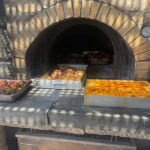
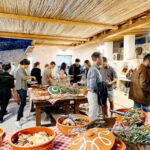
Food is handled at Restaurant Tzanakis Michael, where you’ll stop for Cretan dishes. The plan lists items like lamb in oven, stuffed vegetables, moussaka, goat meat in tomatoes sauce, cheeses, wild greens, and olive oil, with local wine or raki.
Now the important part for value: lunch is listed as optional in the tour details. That means the stop itself is in the itinerary, but you should check what’s included when you book (especially if you’re counting on a full meal being covered).
If you do eat, order like you’re on Crete: mix something from the oven-lamb or goat menu with something vegetable-based, then keep the sides simple. You’ll get the local olive-oil flavor and the cooking style without turning the lunch into a food marathon.
Aposelemis Dam: a scenic reset on the return drive
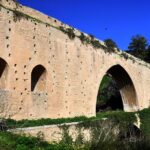
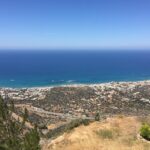
On the way back, you stop at Aposelemis Dam, noted as the largest dam on the island of Crete. You get about 30 minutes by the reservoir area, with views over the countryside and water.
This is a good “reset” stop. After the villages and Knossos prep, standing outside with a wide view helps you cool down and recharge before the palace.
It’s also a reminder that Crete is engineered as well as ancient. The dam supports water management and agriculture, and the reservoir makes the point quickly without needing a long explanation.
Knossos Palace: making the most of 2 hours
Knossos is the headline, with about two hours allocated at the Palace of Knossos. This is one of the island’s most iconic archaeological sites, and you’ll get a window into the Minoan civilization.
A key detail: the Knossos entrance fee isn’t included. The tour lists €20 per person or €10 for reduced tickets. There’s also an optional licensed guide at Knossos for €120 per group.
Here’s how I’d use the time if I were optimizing it for myself: arrive ready with a short list of what you want to see (court areas, key rooms, main highlights). Two hours goes fast, especially if you stop for photos often. If you want deeper interpretation, the optional licensed guide is the cleanest way to turn “walking around” into a more guided story.
Also, you’re on a private day. That matters. You’re not fighting crowds on a schedule that doesn’t fit your pace.
Zeus Cave note: plan B is part of the deal
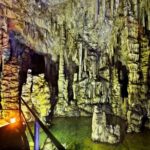
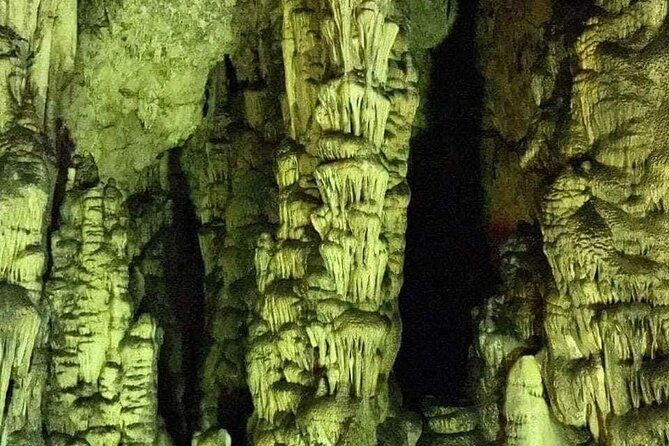
The tour information states Zeus Cave is closed for the moment. So if you booked expecting that specific stop, treat this as a heads-up, not a surprise.
In the best-case scenario, your guide keeps the day balanced by swapping in other plateau and village moments. In other cases, you might end up with more time in places already on the route—again, your guide can adjust to priorities, especially when cruise timing is involved.
Either way, ask your driver at the start of the day what changed. You’ll get a clearer picture of how much time you’re gaining or losing.
Price and value: is $721.76 a smart buy?
The price is $721.76 per group for up to 7 people, for a private van day. On paper, that sounds like a lot. In practice, it can be good value if you’re traveling with family or friends because you’re essentially paying for transportation + an English-speaking driver-guide + the included tastings and breaks.
Included items that actually add value include the pickup/drop-off, bottled water, and the refreshment moments like Cretan wine, Greek coffee, and raki. You’re also covering “access time” through the day: each stop is pre-built into the schedule so you’re not stitching together separate tickets and drives.
What can shift the math: Knossos tickets (plus optional licensed guide) and meals if you choose to pay for lunch. So compare this as a bundle of convenience first, then add “must-pay” costs for the sites you care about.
If you’re solo or a couple, private transport may feel expensive. If you’re 4 to 7 people, it’s often a stronger deal.
Who should book this Crete private day (and who shouldn’t)
This tour is a strong fit if you want a varied Crete sampler in one day without wasting time. You like food culture (olive oil tasting), mountain scenery (Lasithi Plateau windmills), and at least one major historical site (Knossos).
It’s also good if you prefer a smaller, flexible feel rather than a large group coach day. This is private, so you’re only sharing the van with your group.
It may not be your best match if you want a very deep Knossos experience. Two hours is solid, but the option for a licensed guide suggests the site can take longer if you want expert interpretation.
Should you book this private Knossos + Lasithi itinerary?
Yes, if your goal is a smooth day with real Cretan stops—olive oil tasting, coffee and raki at a traditional kafeneio, village atmosphere in Tzermiado, and Knossos in a timed visit. The private van approach makes the day feel doable, especially if you’re based around Elounda or Agios Nikolaos.
Before booking, confirm two things: whether your start time fits your schedule (especially if you’re on a cruise), and what’s happening with Zeus Cave on your exact date since it’s marked closed right now. If you can align those, you’ll likely end up with a memorable mix of food, scenery, and one of Crete’s most famous archaeological sites.
FAQ
What’s included in the private tour price?
The price includes private transportation in a Mercedes Benz van, pickup and drop-off from your hotel/port/airport, an English-speaking driver-guide, liability insurance, all fees and taxes (other than Knossos), Cretan wines, Greek coffee, raki and refreshments, and bottled water.
What’s not included for Knossos Palace?
Knossos Palace entrance tickets are not included. The tour lists €20 per person or €10 reduced, and an optional licensed guide at Knossos is listed as €120 per group.
Do we visit Zeus Cave on this tour?
The tour information states Zeus Cave is closed for the moment. So you should expect the day to be adjusted if you booked specifically for that stop.
Are there meals included?
A lunch stop at a traditional taverna is listed as optional, though the itinerary includes a taverna experience with typical Cretan dishes. You’ll want to confirm what’s included in your booking for lunch.
How long is the tour and how many people are in a group?
The tour runs about 7 to 8 hours. It’s a private tour where only your group participates, with pricing listed for up to 7 people.
Which areas do you pick up from?
Pickup is offered in the Elounda, Agios Nikolaos, Malia, Hersonissos, Heraklion, and Rethymno region. Pickup is not offered from Souda port, Chania, Ierapetra, or Sitia region.
What if my tour is delayed because of cruise timing?
For tours that start later than 09:00 from cruises, the operator notes that you may have to skip one or a couple sites to return to the ship on time. The guide will adjust the program according to your priorities.