REVIEW · CRETE
Spiridi Olive Oil Farm Tour
Book on Viator →Operated by Cretan Olive Oil Farm · Bookable on Viator
Olive oil in Crete hits different. This small, family-run stop near Agios Nikolaos pairs a laid-back farm walk with a self-guided museum route and plenty of tastes that make Cretan food feel real, not abstract. I like how the experience is built for wandering at your own pace, with information delivered right where you’re standing.
Two things I really like: the hands-on museum setup (audio plus text that explains how olive oil and byproducts are made), and the generous tastings of olive oil, honey, raki, and local products. Even the lighter moments stand out, like the stories of Costas chasing a renegade goat during the visit.
One consideration: you’re paying for a short, focused experience (about 1 hour), so if you’re hoping for a long, full-meal cultural evening, you may want to pair it with dinner or add another on-site workshop separately.
In This Review
- Quick hits before you go
- Spiridi Olive Oil Farm near Agios Nikolaos: what kind of visit is it?
- Your 1-hour plan: how the self-guided route works
- Stop 1: Spiridi Olive Oil Farm (the whole experience)
- What’s the pacing like?
- The tastings: why olive oil, honey, raki all together works
- The shop: bringing Cretan flavors home without overpaying
- Hands-on workshops on site: what’s included vs. add-ons
- Getting value for your money: price, what’s included, and who it fits
- Who this suits best
- Who might be disappointed
- Timing and hours: when to plan your visit
- A realistic “what you’ll remember” checklist
- Should you book Spiridi Olive Oil Farm?
- FAQ
- How long is the Spiridi Olive Oil Farm tour?
- What’s included in the $9.60 ticket?
- Is hotel pickup included?
- Is the tour offered in English?
- Where does the activity start and end?
- What are the opening hours?
- Is this a small-group experience?
- Can I cancel for free?
Quick hits before you go
- Audio-text farm route that keeps you moving and informed without herding you around
- Free tastings of olive oil, honey, raki, and local products
- Traditional olive press and museum-style exhibits that explain the why, not just the what
- On-site shop with olive oil and Cretan products at prices people often found fair
- A small crowd feel with a maximum of 40 travelers
Spiridi Olive Oil Farm near Agios Nikolaos: what kind of visit is it?
Spiridi Olive Oil Farm is the kind of place that works well when you want something authentic but not complicated. It’s just outside Agios Nikolaos, and the setup is designed for an easy walk through the olive world—production, byproducts, and the cultural habits that grew up around them.
Think of it as a museum you can move through, plus a tasting session that turns the learning into something you can actually taste. The vibe is relaxed and personal, and the farm doesn’t feel like a rushed checklist stop.
If you’re traveling in Crete and you want one good “food culture” experience, this is a practical choice. It’s also the sort of stop that fits well on a flex day when the schedule is loose and you don’t want to plan every hour.
You can also read our reviews of more tours and experiences in Crete.


Your 1-hour plan: how the self-guided route works
Your visit centers on Spiridi Olive Oil Farm itself, and the ticket is for about 1 hour of museum exploration. You’ll start at the farm and finish back at the same place, so there’s no mental math about transport after.
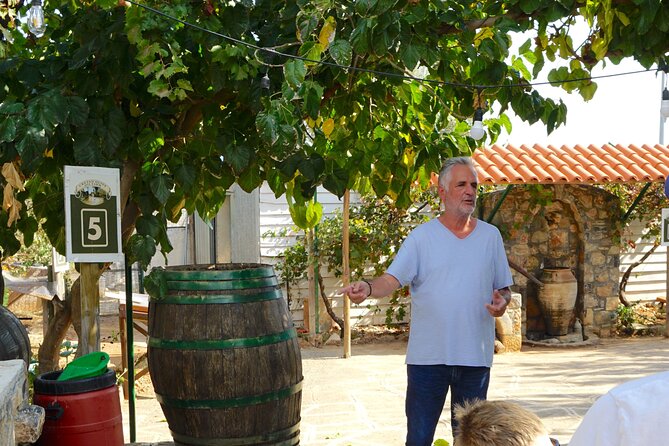
What makes the route click is that it’s built for standing in front of exhibits. Instead of reading a brochure and guessing what you’re looking at, you get guidance via audio and text (reported as delivered through an iPad/tablet style setup). You can take your time at the stops that grab you, then move on when you’re ready.
One review detail that’s worth keeping in mind: you may be greeted on arrival and handed the tablet-style guide along with chilled water. That small touch matters because it helps you feel set up for a smooth self-guided walk, especially in warm weather.
Stop 1: Spiridi Olive Oil Farm (the whole experience)
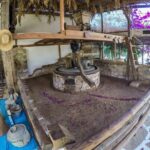
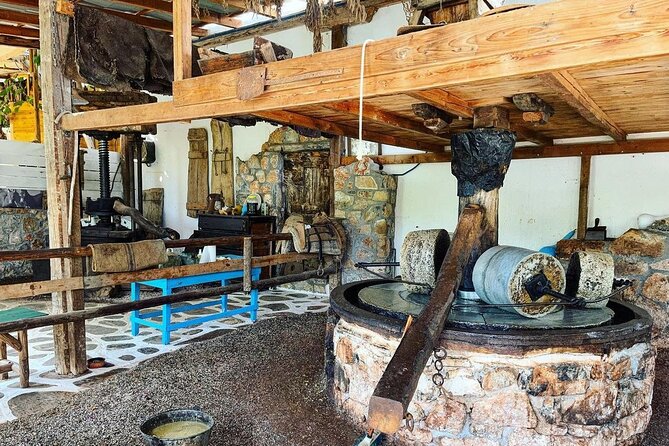
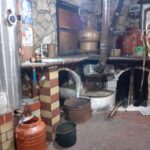
This is where the visit earns its reputation. The farm includes a traditional olive oil museum and multiple stations that cover olive oil production and related Cretan products.
Here’s what you can expect from the walk itself:
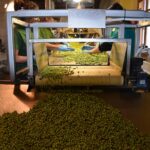
- You’ll explore exhibit areas meant to explain how olives become oil, including the role of the traditional press.
- You’ll see information boards and guided content connected to the equipment and processes.
- You’ll learn about olive oil production and also how olives connect to other local foods and everyday products.
A big value here is that the farm uses both visuals and guided explanations. That’s how you avoid the feeling of paying for a room full of objects and leaving with only a vague idea of olive oil.
What’s the pacing like?
At “about 1 hour,” you’re not signing up for a multi-hour workshop marathon. You’ll want to treat it like a concentrated sampler: enough time to understand the basics and taste the results, without draining your whole day.
If you’re the kind of traveler who likes to read everything slowly, you might stretch it toward the high end of that hour. If you skim and taste first, you can finish faster and still feel like you got the point.
The tastings: why olive oil, honey, raki all together works
The tasting part isn’t an afterthought. It’s tied to what you just learned, so the flavors make sense instead of feeling like a random free sample table.
Your ticket includes tastings of:
- Olive oil
- Honey
- Raki
- Local products (beyond those core items)
What I like about this combo is that it reflects how Cretan food culture isn’t single-note. Olive oil is the headline, but honey, herbs, and raki show up as supporting characters that help you understand the broader local pantry.
Also, tastings are one of the best ways to judge quality without guessing. If you like something during the tasting, you’ll know what you’re buying later—no mystery.
If you want a simple tip: take a moment to taste slowly and compare. Olive oil isn’t just one flavor; it’s a whole range depending on the oil and what’s in it.



The shop: bringing Cretan flavors home without overpaying
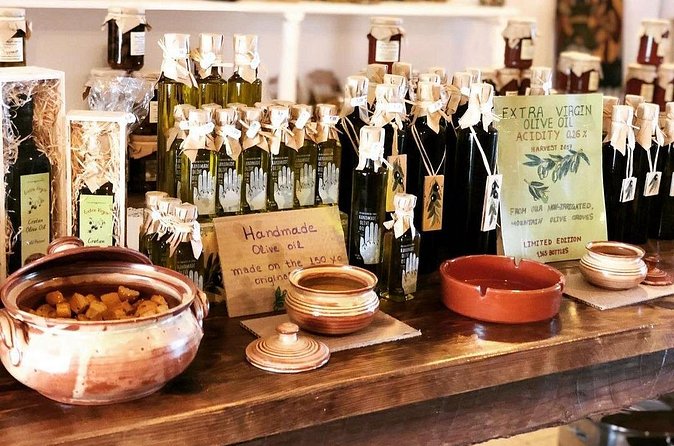
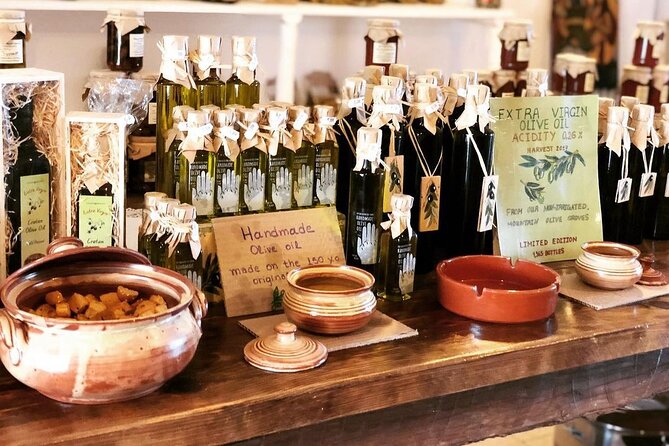
The on-site shop is where your visit can turn into a real souvenir. Several comments praised the shop’s pricing and selection, and you’ll find a mix of olive oil, honey, raki, and other locally produced items.
Here’s the practical part: because tastings are included, the shop becomes less risky. You’re not buying based on packaging alone—you’re buying based on what you tasted.
In particular, one review said the shop felt reasonably priced and that the range was better than what they found in Agios Nikolaos town. Even if you end up not doing a big haul, the shop is worth a browse because it helps you understand what the farm actually produces and sells.
A smart approach: buy one olive oil you like immediately, then add a smaller extra item (like honey) so you don’t end up with an overwhelming suitcase of bottles.
Hands-on workshops on site: what’s included vs. add-ons
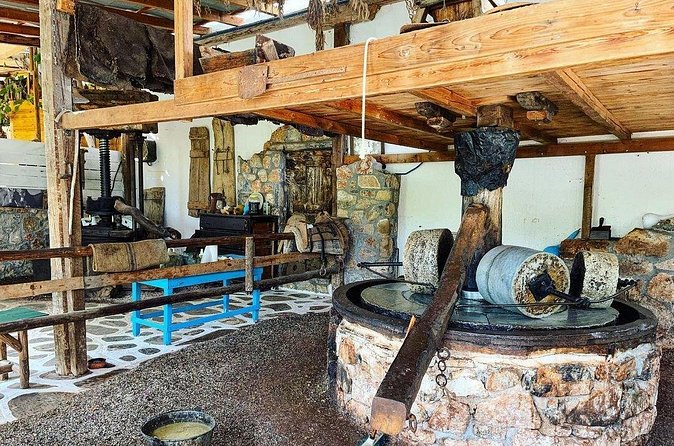
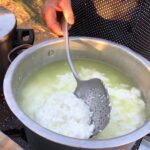
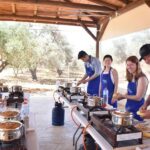
The farm is described as offering more than just the museum and tastings. You might see activities like cheese making, cooking lessons, and pottery workshops.
Here’s the key to keep expectations clean: your ticket is clearly positioned for the museum exploration plus tastings. Workshops may be additional, and at least one review response suggests pottery workshops can be pre-booked separately.
So if you want a longer, more interactive day, you can treat the museum-tasting ticket as your base layer and then add a workshop depending on what’s running when you’re there.
If you love making things with your hands, pottery workshops are the one to look for. If you’re a food-focused traveler, cooking lessons and cheese making are the style of add-on that turns the farm visit into a story you carry home.
Getting value for your money: price, what’s included, and who it fits
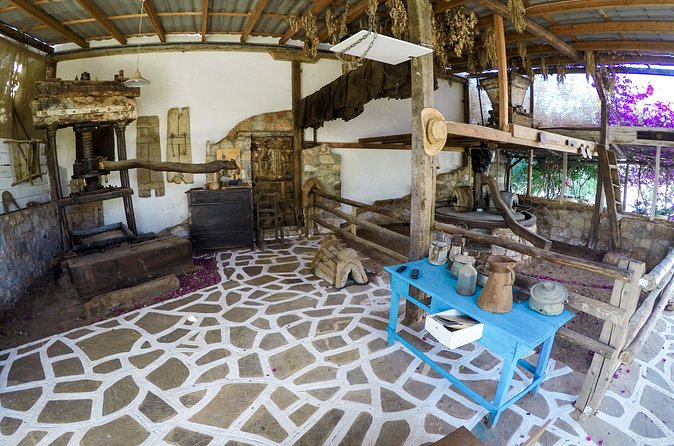
The price is $9.60 per person, and it includes admission to the olive oil museum plus the guided self tour (audio/text) and tastings. For that total package, it’s a strong deal if you’re the kind of traveler who likes to learn and then taste.
Also, the group size cap of 40 travelers is a small quality signal. You should expect a more personal atmosphere than at big, bus-and-line attractions.
Who this suits best
This works especially well if you:
- Want a quick, meaningful cultural stop in Crete
- Like learning with your feet on the ground (museum stations + explanations)
- Enjoy food tastings and want to buy only what you truly like
- Are traveling with limited time and want a clear, single-location experience
Who might be disappointed
You may want to rethink it if you:
- Expect a full guided group tour with lots of formal narration and activities throughout (this is primarily self-guided)
- Want more than about 1 hour at a single site
- Are hunting for an all-day, meal-included experience
Timing and hours: when to plan your visit
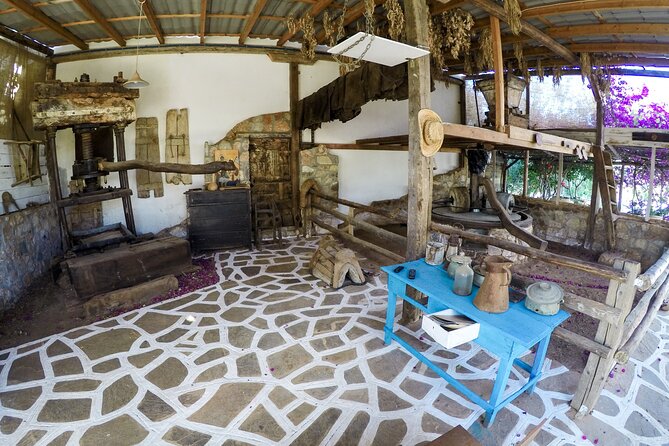
The farm operates on a seasonal schedule listed as Monday–Saturday, 10:00 AM to 5:00 PM within the date range shown. The practical takeaway is simple: pick a weekday or Saturday visit and plan it during the open window.
If you’re staying in or near Agios Nikolaos, aim to visit earlier rather than later. You’ll have a calmer pace for the tablet route and more comfortable tasting, especially in warmer months.
One more thing: since the experience is short, you can use it as a flexible anchor. Pair it with a late lunch, a stroll around town, or an evening plan for raki-and-dessert browsing.
A realistic “what you’ll remember” checklist
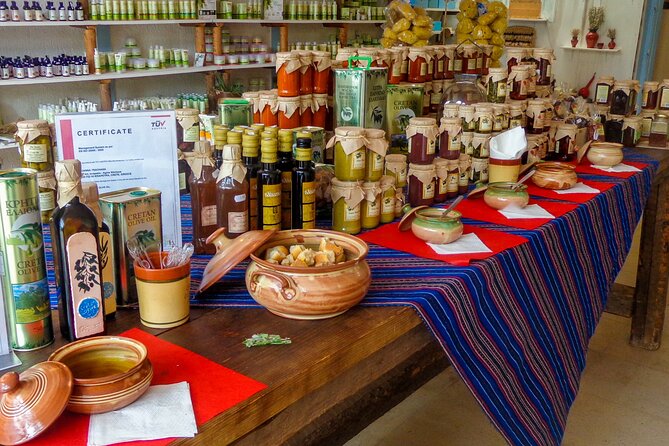
After a visit like this, most people remember three things: the olive oil story, the tastes, and the sense of place.
Use this checklist before you go:
- Do you want to understand how olive oil is made in everyday terms?
- Are you curious about Cretan byproducts like honey and raki?
- Do you like places where you can walk at your own speed?
If you say yes to two or more, this stop is worth the time.
Should you book Spiridi Olive Oil Farm?
Yes—if you want a focused, good-value cultural food stop in Crete. At $9.60 with museum access and tastings included, it’s one of those “small ticket, big payoff” experiences.
Book it if you:
- Like self-guided learning with audio/text support
- Want free tastings tied to what you’re seeing
- Prefer a short visit that still feels authentic
Skip it or rethink your timing if you:
- Need a longer, guided, multi-activity day (your base ticket is about one hour)
- Are only looking for a quick photo stop with no interest in tasting and process
If you’re nearby and the hours work, it’s the type of place that makes your Crete trip taste better.
FAQ
How long is the Spiridi Olive Oil Farm tour?
The experience is listed as about 1 hour.
What’s included in the $9.60 ticket?
Your ticket includes access to the olive oil museum, a guided self tour with audio and text, and tastings of olive oil, honey, raki, and local products.
Is hotel pickup included?
No. Hotel pickup and drop off are not included.
Is the tour offered in English?
Yes, it’s offered in English.
Where does the activity start and end?
It starts at Spiridi Olive Oil Farm (Cretan Olive Oil Farm, Αγ. Νικόλαος 721 00, Greece) and ends back at the meeting point.
What are the opening hours?
The listed hours are Monday to Saturday from 10:00 AM to 5:00 PM during the shown seasonal date range.
Is this a small-group experience?
Yes. It has a maximum of 40 travelers.
Can I cancel for free?
Yes. Free cancellation is available, and you can cancel up to 24 hours in advance for a full refund.