REVIEW · CRETE
Wine, Olive Oil, and Honey Tour with Winemaker
Book on Viator →Operated by Chania Wine Tours · Bookable on Viator
Olive oil meets honey and wine in Crete. This tour pairs a family olive oil mill visit with tastings of Cretan staples like vinegars, olives, and sweets, then turns toward the mountains for wine from the barrels. The experience is also led by people like Vasilis, who knows how to guide you through what you are tasting and what it means on the ground.
Two things I’d call out fast: you get hands-on flavor education at an olive oil mill (not just a quick stop), and you end with a real-feeling vineyard meal with wine instead of a rushed roadside plate. One possible drawback: there are multiple alcohol tastings, including wine and often tsikoudia, so plan for a slower pace and don’t come expecting to stay completely sober.
In This Review
- Key Points Worth Booking
- How This Crete Food-and-Drink Tour Actually Feels in Real Time
- Pickup, Timing, and the Group Size That Keeps It Relaxed
- Inside a Family-Owned Olive Oil Mill: From Production to Tasting
- Cretan Products Beyond Olive Oil: Vinegars, Olives, and Sweets
- Mountains and Barrel Wine: A More Honest Way to Learn About Drinking
- The Traditional Vineyard Lunch with Wine: The Part People Remember
- Where the Bees Fit In: Honey as a Living, Local System
- Price and Value: What $217.23 Buys You Here
- Who Should Book This Tour (and Who Might Want Another Option)
- Small Details That Help the Day Go Smooth
- Should You Book This Wine, Olive Oil, and Honey Tour?
- FAQ
- FAQ
- What time does the tour start?
- How long is the Wine, Olive Oil, and Honey Tour?
- How many people are in the group?
- Do they offer pickup?
- What language is the tour in?
- What do you taste during the tour?
- Is there free cancellation?
- Do I need a paper ticket?
Key Points Worth Booking
- Family olive oil mill learning: how the oil is made, then tasting multiple styles side-by-side
- Bees and honey focus: expect bee-related stories and sweet samples tied to what’s produced locally
- Mountain drive and barrel wine: a change of scenery plus a more grounded way to understand wine
- Traditional vineyard lunch with wine: a full meal that feels like Cretan hosting
- Small group size (max 8): easier questions, more personal pacing
- Friendly English guidance: tour offered in English, with support that can help the day run smoothly
How This Crete Food-and-Drink Tour Actually Feels in Real Time
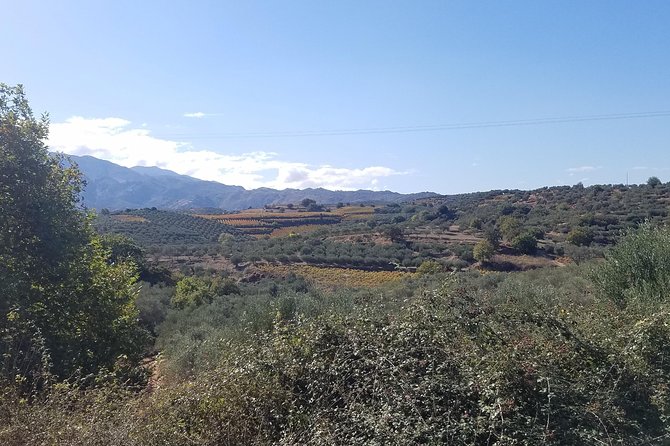
This is the kind of trip that works best when you want more than a checklist. You start at 9:30 am and spend about 6 hours 30 minutes moving through farms and tasting rooms, with time built in to ask questions and slow down. Since the group is capped at 8 travelers, it does not feel like you’re squeezing into someone else’s schedule.
Also, this is a tour built around primary producers. You’re not just sampling products; you’re learning where they come from and how they are handled. That matters because olive oil and honey can taste very different depending on harvest timing and processing.
And yes, there’s pickup. If you’re using public transport, the meeting area is said to be near public transportation, but having pickup offered makes the day simpler—especially when you’ve got food to carry and your schedule is tight.
You can also read our reviews of more tours and experiences in Crete.

Pickup, Timing, and the Group Size That Keeps It Relaxed
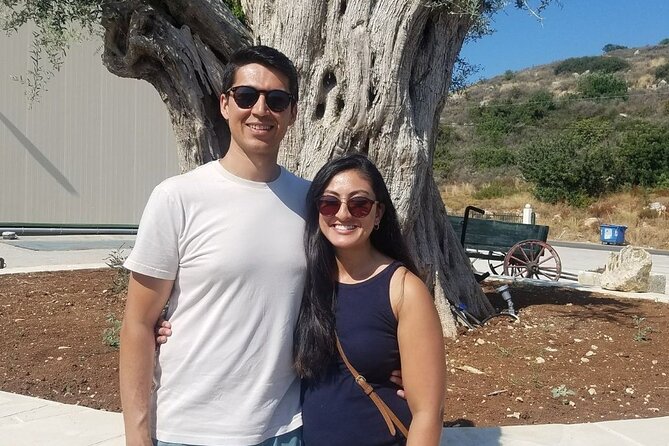
Let’s talk logistics, because good tours run on good timing. Start is 9:30 am, so I’d plan to be ready a bit earlier than you think. The day is long enough to be satisfying, but not so long that you feel stuck on a bus all afternoon.
The max of 8 people changes the experience. Smaller groups mean you can ask follow-up questions without waiting your turn, and the guide can adjust pacing if someone wants to linger over tastings. If you’re the type who likes to ask what you’re tasting—why one oil is sharper, why one honey is floral—that format is a big win.
The tour is offered in English, and confirmation is provided at booking time. You also get a mobile ticket, which keeps things simple when you’re jumping on and off transport.
Inside a Family-Owned Olive Oil Mill: From Production to Tasting
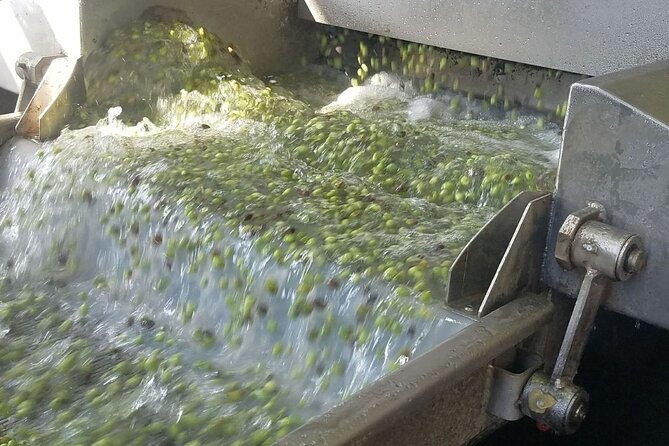
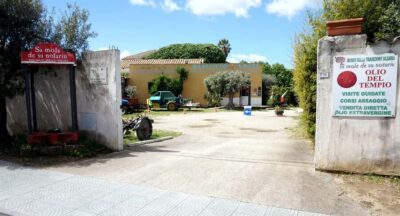
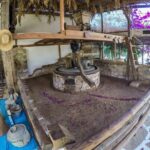
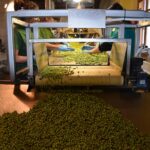
The day starts with the heart of it: a family-owned olive oil mill. You’ll learn how olive oil is made and then taste several different oils. The key here is that the mill visit is not just a photo stop. You’re building a mental map of the process, so when you taste, it has context.
What you’ll likely notice during tasting:
- Different oils can vary in intensity and finish, even when they come from the same broader region.
- You’ll probably be encouraged to compare oils in small steps rather than gulping them down and moving on.
- This is the moment where the guide’s explanations really help you make sense of what you’re feeling in your mouth.
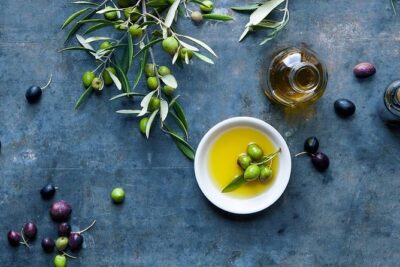
Why this part is valuable: olive oil is not one flavor. It’s a set of flavors shaped by how olives are handled and processed. When you understand even a basic flow—from fruit to product—it’s easier to buy or choose oils later without guessing.
Cretan Products Beyond Olive Oil: Vinegars, Olives, and Sweets
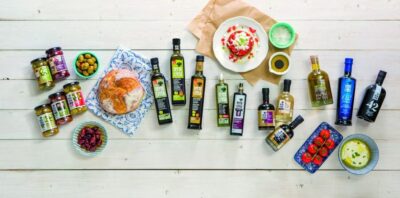
After the oil, you shift into a broader tasting of other Cretan products—including vinegars, olives, and sweets. This is where the day starts to feel like a full regional education rather than a single-ingredient tour.
A standout detail from the experience description and the way the day is discussed: you’ll also get regional treats like tsikoudia, which is a traditional spirit in Crete. That can be a fun contrast to wine tastings later because it adds another layer of local drinking culture.
Then there’s honey. One of the strongest themes in the feedback is how much people loved the food and the sweet elements tied to the on-site production. If you care about tasting what’s actually made locally (instead of just eating a generic dessert), this part is where you’ll feel the difference.
Practical tip: pace yourself. With multiple tastings across the day, it helps to take small sips and try to describe what you like—sharp vs smooth, floral vs darker notes—so you don’t end up liking everything equally and remembering nothing later.
Mountains and Barrel Wine: A More Honest Way to Learn About Drinking
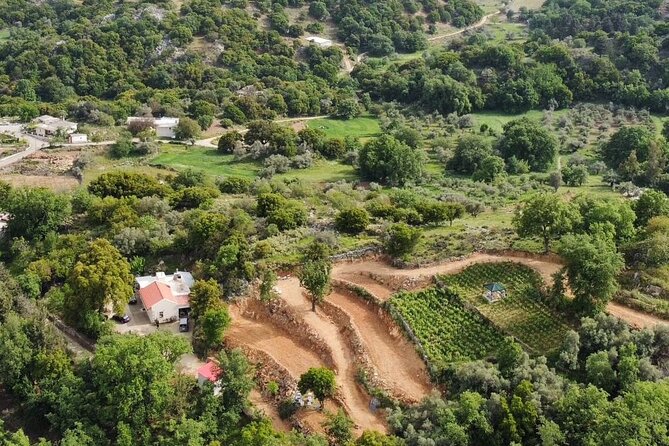
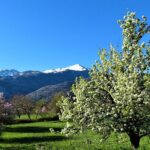
Next you head into the mountains of Crete and then taste wine from the barrels. That’s one of those details that sounds simple, but it changes the context. Barrel tastings connect you to the stage of production, not just the finished bottle.
If you’re unsure how to talk about wine, you’ll likely appreciate how the experience is guided. Feedback highlights that guides like Vasilis can help you figure out the right language to use to order the wine you like. Even without memorizing terms, it’s useful to understand how you can describe what you enjoy rather than relying on vague impressions.
What to expect from barrel tasting:
- The wine may taste different from the bottled version you’re used to.
- You’re likely to focus on character and balance rather than “pairing it with something.”
- It’s a great spot to ask questions about process, not just preference.
And yes, you’re still on a farm day, not a city tasting room day. The atmosphere stays grounded, which makes it easier to connect flavors with place.


The Traditional Vineyard Lunch with Wine: The Part People Remember
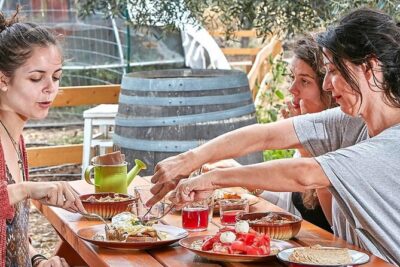
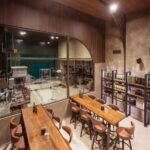
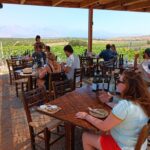
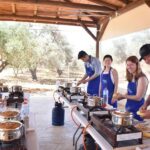
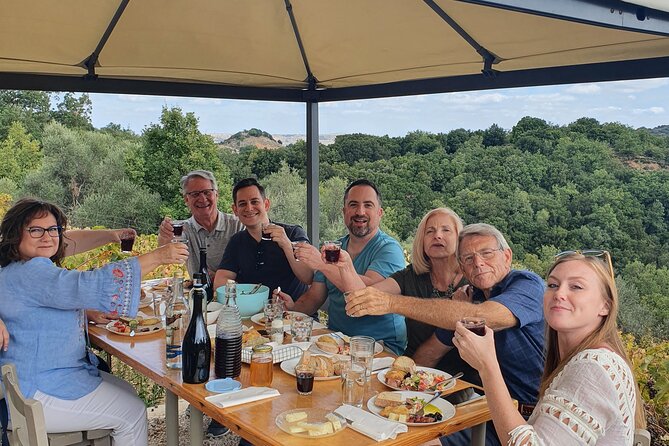
Lunch is a main event here, not a filler. You’ll have a traditional Cretan lunch with wine at the vineyards. This is one of the most praised parts of the experience, and for good reason: it feeds you in a setting that matches what you just learned.
From the described meal flow and what people highlight, you can expect a spread that goes beyond one standard dish. In particular, there’s mention of:
- Cretan salad
- Dolmas
- Bread with cheese made with the on-site honey
- Pork
That honey detail matters. It’s not just “here’s dessert.” You’re seeing how honey becomes part of savory and not-so-savory eating, which is exactly the kind of practical, real-world connection you want on a food tour.
Also, the portion style seems generous. One of the strongest comments is that there was no shortage of food, which is what you want after a morning tasting oils and walking through production areas.
Where the Bees Fit In: Honey as a Living, Local System
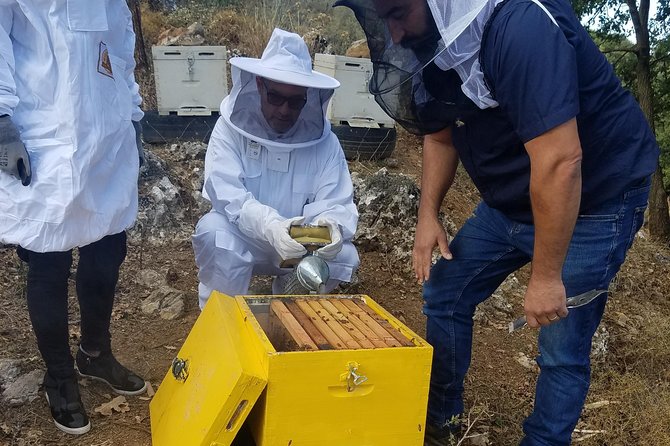
This tour doesn’t treat honey like a random sweet add-on. It ties it to the farm’s production and the bee-keeping side of the operation. If you enjoy learning how agriculture works as a system—plants, insects, and people—this is a satisfying piece of the puzzle.
You may also get close to the bee side of things, and at minimum, you’ll get the practical context for how honey production connects to the landscape and farming rhythm. The best part is how specific the honey can feel: one of the highlighted favorites includes heather and cardamom honey and thyme honey.
If you’re a souvenir-minded eater, this is the moment to think about what you’d actually use at home. Honey is easy to pack and easy to enjoy later, and olive oil can become a “buy once, use often” item if you like the flavors you tasted.
Price and Value: What $217.23 Buys You Here
At $217.23 per person, this isn’t a low-cost snack tour. But it also isn’t priced like a generic museum day. You’re paying for several things at once:
- Access to a family olive oil mill with instruction and multiple tastings
- A broader tasting of vinegars, olives, sweets, plus regional items like tsikoudia
- Mountain driving and barrel wine tasting
- A traditional vineyard lunch with wine
- A small group size (max 8) plus English-speaking guidance
- Pickup offered, which removes friction from the day
In other words, the price is closer to “one great food day with real meals and real producers” than “cheap transportation between shops.” If you care about understanding what you’re buying, this tends to deliver more value than tours that just drop you at stops and let you guess.
Who Should Book This Tour (and Who Might Want Another Option)
I think this tour is perfect if you:
- Want a producer-based food experience in Crete, not a quick run through tourist points
- Love olive oil and want more than a vague tasting
- Enjoy wine but also want context from agriculture and food
- Prefer small groups and Q-and-A time with your guide
- Want a day that ends with a proper meal in the vineyards
It may be less ideal if you:
- Avoid alcohol tastings and still want a full day of food education
- Prefer a lighter schedule with fewer tastings
Also, the experience says most travelers can participate, which is a good sign for general fitness levels, though you should still think about being active around farms and uneven terrain.
Small Details That Help the Day Go Smooth
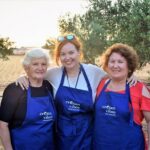
A day like this lives or dies by how the host manages the flow. Vasilis being described as kind and knowledgeable (and helpful with local ordering language) is a strong signal that you won’t feel lost. On the operational side, people also mention quick responses from Anna Maria when questions came up, which is a practical reassurance when you’re planning a trip.
One more small but real tip: bring a curious mindset. This is not the kind of tour where you sit back and just watch. You’ll get more out of it if you ask what you’re tasting and how it’s made.
Should You Book This Wine, Olive Oil, and Honey Tour?
If you want a day that feels like Crete’s food system—olive oil, honey, wine, and the meals that tie them together—this is a strong bet. The combination of family farm access, a small group, and a proper vineyard lunch is exactly what turns a sightseeing day into a memory.
I’d book it if you care about eating well and learning as you go, especially if you’re the type who wants to know what you like and how to find it again later. If you’re not into tastings or you’d rather keep alcohol minimal, you might choose a different tour with fewer drinking moments.
FAQ
FAQ
What time does the tour start?
The tour starts at 9:30 am.
How long is the Wine, Olive Oil, and Honey Tour?
It runs for about 6 hours 30 minutes.
How many people are in the group?
The tour has a maximum of 8 travelers.
Do they offer pickup?
Yes, pickup is offered.
What language is the tour in?
The tour is offered in English.
What do you taste during the tour?
You’ll taste several different olive oils and other Cretan products, including vinegars, olives, and sweets, plus wine from the barrels. Regional treats like tsikoudia may be part of the day as well.
Is there free cancellation?
Yes. You can cancel for a full refund up to 24 hours before the experience starts.
Do I need a paper ticket?
No. You can use a mobile ticket.