REVIEW · CRETE
Kleanthi Olive Farm: Guided Tour with Local Delicacies Tasting
Book on Viator →Operated by Kleanthi · Bookable on Viator
Olive oil fans, this is your place. I love how the tour moves from olive grove to olive mill, and I love the olive oil tasting matched with classic Cretan foods. One possible drawback: if you go in the off-season, the mill may not run, so the visit can feel a bit quieter than during harvest.
Kleanthi Family Olive Farm is a small, family-run stop in Crete that’s built for people who want more than a quick photo. Expect about 1 hour 15 minutes, in English, for a group that tops out at 40. At $25.34 per person, you’re paying for a guided experience plus a real food-and-oil sampling, not just a product sell.
Guides in the mix include Mary, George, Yannis, Theodora, and Yanina, and the vibe is personal. You’ll walk a bit, look at equipment, then sit down for tastings—plus you can buy bottles afterward at the onsite shop.
In This Review
- Key highlights I’d put on your short list
- The fast case for Kleanthi Olive Farm in Crete
- Finding Skalani and settling into the group day
- Olive groves first: learning what makes a Cretan olive tree different
- Into the olive mill: how the craft turns fruit into oil
- The tasting table: olive oil paired with Cretan comfort food
- The onsite shop: bringing Crete home without the hard sell
- Price and value: what you’re really paying for
- Who this tour suits best (and who might want to rethink it)
- Off-season expectations: how to avoid a dull day
- Final verdict: should you book Kleanthi Olive Farm?
- FAQ
- How long is the Kleanthi Olive Farm guided tour?
- What’s included in the experience?
- How much does the tour cost?
- What language is the tour offered in?
- Where do I meet for the tour?
- What’s the group size limit?
- Do I get a mobile ticket?
- Is confirmation provided after booking?
- Are service animals allowed?
- What happens if weather is bad?
- Is free cancellation available?
Key highlights I’d put on your short list
- Grove-to-mill tour in a tight 1h15: you get the full “tree to bottle” story without a long day.
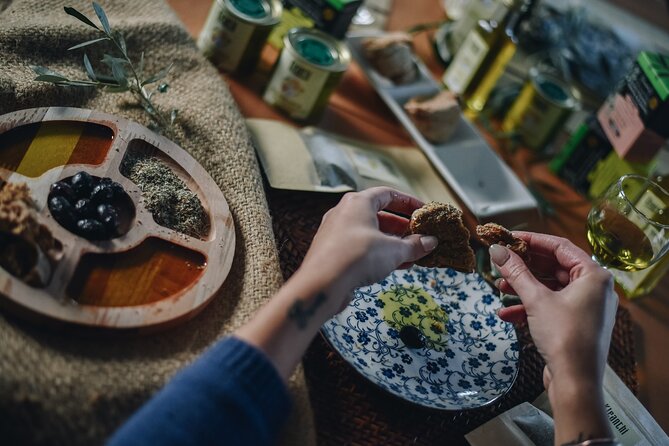
- Guided tastings with real pairings: oils served alongside bread, cheeses, fruit, honey, herbs, and more.
- Family atmosphere: you often meet the family and hear practical, everyday farming talk.
- You can buy without pressure: the shop is there if you want it, not a hard push.
- Better energy during harvest: the mill runs then, while off-season is more history and tastings.
- Great fit for kids: it’s active enough to keep attention, especially during the tastings.
The fast case for Kleanthi Olive Farm in Crete
If you’re staying in Crete and want one food-focused activity that feels local, this one makes sense. The price—$25.34—works out well because you’re not paying only for a walk. You’re paying for guidance and for the tasting table with local delicacies.
The farm experience is built around something Crete does best: turning an everyday ingredient into culture. Olive oil here isn’t treated like a souvenir. It’s explained like a craft, tied to how the groves are grown and how the oil is produced.
And the time matters. About 1 hour 15 minutes is short enough to tack onto a busy travel day, but long enough to learn and taste properly. That balance is a big part of why the tour gets such strong ratings.
You can also read our reviews of more tours and experiences in Crete.

Finding Skalani and settling into the group day
The meeting point is right at the farm: Kleanthi Olive Farm, Skalani 715 00, Greece. The tour ends back at the same place, so you don’t have to plan a second transit step.
Group size is capped at 40. That usually means you get a real guided flow instead of getting lost in the crowd. It’s also offered in English, so you can follow along without having to guess what you’re looking at.
One practical note: the activity depends on good weather. If conditions are poor, they’ll switch your date or refund you. That matters in Crete because rainy, windy days can make outdoor walking less pleasant.
Olive groves first: learning what makes a Cretan olive tree different
The tour starts with a walk through the olive groves. This is where you get context for why olive oil tastes the way it does—because you’re seeing the living source of the product.
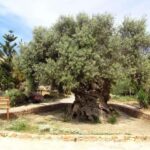
You’ll hear about centuries-old trees and how the farm handles sustainable practices. Even if you’re not a farming expert, the guides explain what to look for in the grove and what matters in harvest decisions. It’s the kind of learning that sticks because you’re literally standing next to what they’re talking about.
This first leg also sets the tone. It feels like a working family farm, not a showroom. And because you’re outdoors, you can ask questions as you go rather than waiting until you’re seated.
Tip for your comfort: wear shoes you don’t mind getting dusty. The walking is manageable, but you’re on farm paths, not a polished city sidewalk.
Into the olive mill: how the craft turns fruit into oil
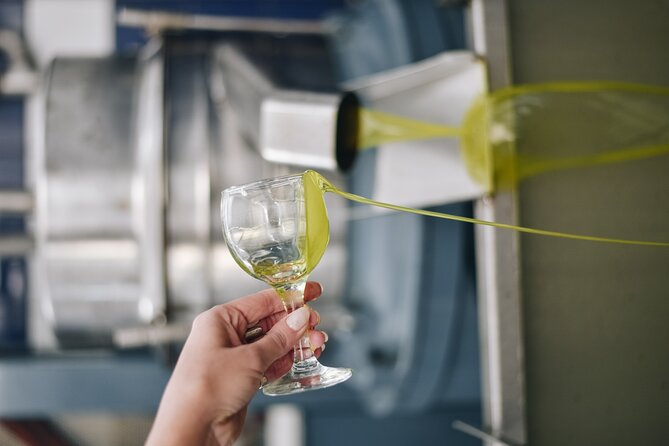
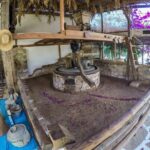
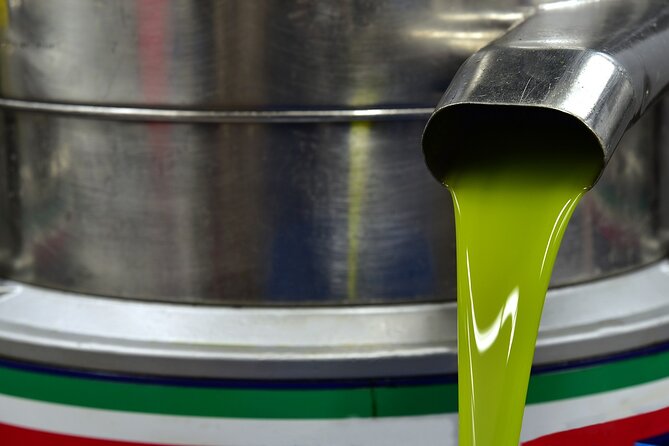
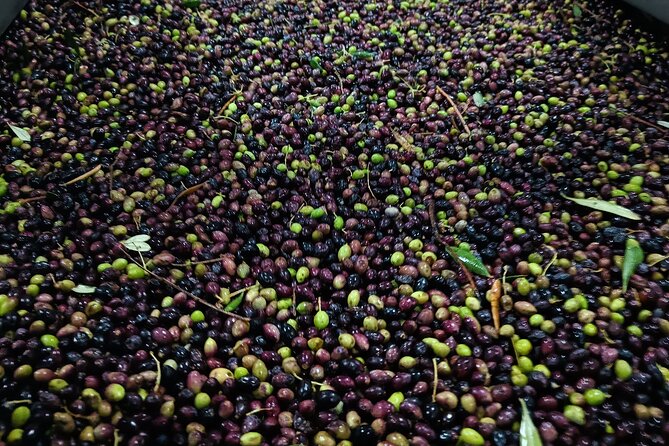
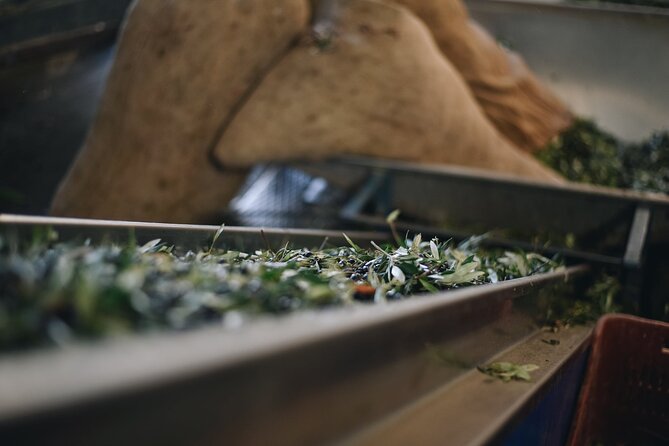
Next comes the olive mill portion, with a look at the equipment and how the process works. You’ll see how handpicked olives become extra virgin olive oil, and you’ll get a guided explanation of the steps along the way.
This is also the part that tends to feel most “real.” One reason the tour earns repeat praise is the machine demo angle—people come away understanding that olive oil production is mechanical, time-sensitive, and careful.
Here’s the key catch: off-season timing changes what you’ll see. Outside harvest months, the production line may not be in operation. In that case, the experience leans more toward the history of olive cultivation, the grove, and the tasting of the oils. During harvest time, the mill is active and you can usually see the whole process live, which makes the tour feel more dynamic.
If you want maximum factory action, plan your visit around harvest season when possible. If you go off-season, don’t write the trip off—think of it as olive oil education plus a strong tasting, rather than a full production show.
The tasting table: olive oil paired with Cretan comfort food
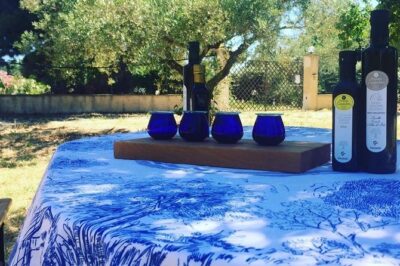
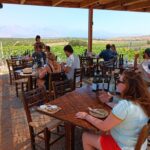
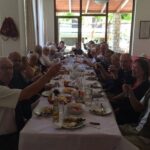
The highlight for most people is the tasting. After the grove and mill walk, you sit down and sample the farm’s olive oils alongside local foods.
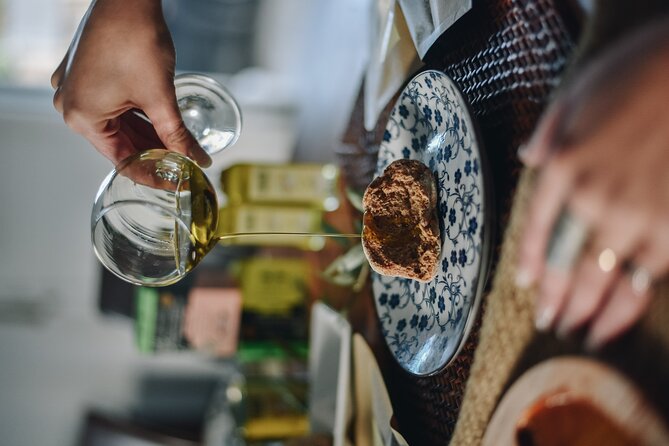
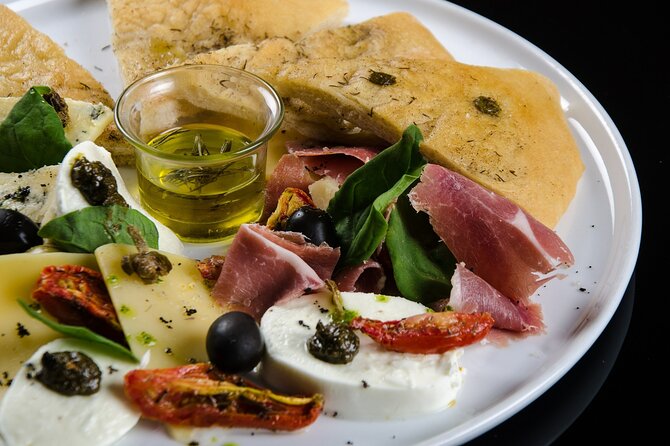
What makes this part work is the pairing. You’re not just sipping oil by itself. You’re tasting oils with bread and a spread that can include savory cheeses, fruit, yoghurt, honey, herbs, tomatoes, olives, and other local ingredients. Some tastings also feature smoked meat and sweets made with figs or grapes in syrup, depending on what’s available.
You’ll likely try more than one oil style or variation. The guides help you notice differences—how certain oils can taste stronger, fruitier, or more herbal, and how that changes what you want to eat with it. It’s practical knowledge you can use later at home when you’re building a salad or finishing a dish.
One detail I like: the guide’s job is to keep it understandable. The tastings are guided, not lecture-only. And the table format makes it easy to ask questions about how to use olive oil in everyday cooking.
Flavor pairing idea to try after the tour: if the tasting includes honey and herbs with oil, experiment at home with a drizzle plus a pinch of dried oregano or thyme. If you don’t get that exact combo in your tasting, you can still use the lesson: oil changes when it meets sweet, salty, and acidic bites.


The onsite shop: bringing Crete home without the hard sell
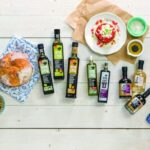
After tasting, you can visit the onsite store and buy bottles of Kleanthi Olive Oil. It’s where many people spend the rest of their budget, because once you’ve tasted the variations, it’s easier to pick a favorite.
A nice thing here is the shopping tone. The experience is described as relaxed, with no hard pressure. You can browse, ask questions, and decide what to take home based on what you liked at the table.
Even if you don’t buy anything, the shop stop helps you leave with a clear next step. If you do buy, you’ll know what you’re getting because you tasted it first.
Price and value: what you’re really paying for
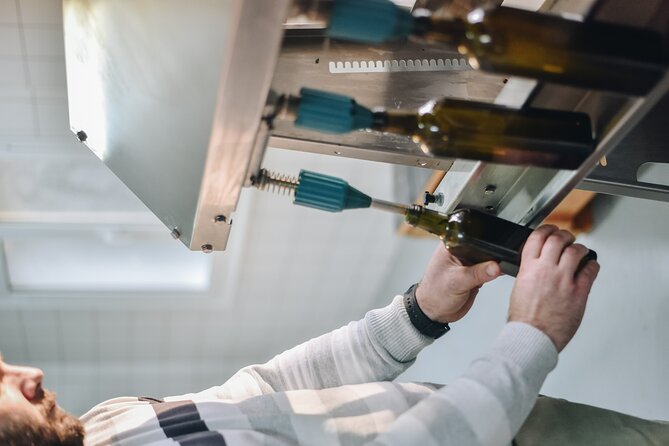
At $25.34 per person for about 1 hour 15 minutes, the math only works if the tasting portion is substantial—and it is. You’re getting a guided farm walk, a look at production, and a food-and-oil tasting with local delicacies.
This tour is good value compared to “short stops” that give you only a quick taste. Here, the oil is explained, then you sample it in ways that show how it works with food. That turns the price into something you can remember every time you cook with olive oil later.
Also, small-group limits matter. Being under a group cap helps you actually hear explanations and participate in Q&A. If you’re the kind of traveler who hates being rushed, this format is a better match than long bus tours.
Who this tour suits best (and who might want to rethink it)
This tour is ideal for:
- Olive oil lovers who want more than one-dimensional tasting
- Food-minded travelers who like pairing food with ingredients
- Families looking for something hands-on and short enough for kids
- People who want local culture tied to real daily production
You might reconsider if:
- You’re visiting during off-season and expect a nonstop production show. The mill line may not run, so the experience shifts more toward history plus tastings.
- You only have time for something purely scenic with zero food. The tasting is a core part of the deal.
If you fall in the “I like learning, but I also want to eat” group, you’ll probably enjoy yourself.
Off-season expectations: how to avoid a dull day
The most direct piece of advice is about season. One review specifically flagged that off-season visits can feel slow if the place is quiet and the mill isn’t running. That’s not surprising, and it’s easy to plan around.
If you’re traveling outside harvest months, go in with the right mindset:
- Expect groves, cultivation talk, and tastings rather than a full production line in motion.
- Treat it as a calm, family-run education hour with strong food at the end.
- Ask the guide what’s running during your specific dates, since that’s what will shape how lively it feels.
If you’re there during harvest, aim for that extra energy. When the mill is active, you’re more likely to see the full chain of production and feel like you’re watching the farm at work.
Final verdict: should you book Kleanthi Olive Farm?
Yes, you should book this tour if you want a practical Crete experience focused on the island’s most important food export. The combination of grove walk, mill look, and guided tastings gives you more than a quick stop. For $25.34, the value comes from the pairing and the learning you can use later.
I’d book especially if olive oil is on your shopping list or if you enjoy food education you can taste. It’s also a strong pick for families because it moves, it teaches, and it ends with a real spread.
Just check your season expectations. Off-season isn’t a deal-breaker, but it can be quieter—and you’ll enjoy it most when you come for the tasting and the farm story, not for watching machines run nonstop.
FAQ
How long is the Kleanthi Olive Farm guided tour?
It lasts about 1 hour 15 minutes.
What’s included in the experience?
You get a guided tour of the olive farm (including the grove and the olive mill area) plus a tasting of award-winning olive oils paired with local delicacies, followed by time at the onsite store.
How much does the tour cost?
The price is $25.34 per person.
What language is the tour offered in?
The tour is offered in English.
Where do I meet for the tour?
Meet at Kleanthi Olive Farm, Skalani 715 00, Greece.
What’s the group size limit?
The tour has a maximum of 40 travelers.
Do I get a mobile ticket?
Yes, it’s offered with a mobile ticket.
Is confirmation provided after booking?
Yes, confirmation is received at the time of booking.
Are service animals allowed?
Yes, service animals are allowed.
What happens if weather is bad?
This experience requires good weather. If it’s canceled due to poor weather, you’ll be offered a different date or a full refund.
Is free cancellation available?
Yes. You can cancel up to 24 hours in advance for a full refund.