REVIEW · CRETE
Pallada Semi-Private Olive Oil Tours in Sternes, Chania
Book on Viator →Operated by Pallada · Bookable on Viator
Olive oil lessons should be practical, not preachy. This semi-private Pallada tour in Sternes pairs a walk through olive groves and a small botanical park with a real look at how oil gets made, then finishes with a guided tasting of multiple in-house extra virgin oils.
I love the focus on how olives grow and get harvested, not just the final bottle. I also love that the tasting teaches you how to tell oils apart, with enough structure that it feels useful for cooking and shopping. A possible drawback: the whole experience is about 1.5 hours, so if you want a long, hands-on day (or a big meal), you’ll want to pair it with other Cretan time after.
In This Review
- What makes it feel personal in a tiny group
- Key points worth planning around
- Olive oil on Crete, explained in plain terms
- Enter Pallada Kèpos: olive groves plus native plants
- The olive mill walkthrough: from fruit to extra virgin
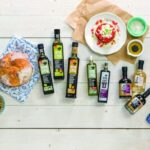
- The tasting: learning to spot differences in 4 oils
- A Cretan start that finishes the lesson: Cretan dakos
- Price and value for a 1.5-hour semi-private format
- Who should book this olive oil tour (and who might skip)
- What to know before you go
- Should you book Pallada Semi-Private Olive Oil Tours?
- FAQ
- How long is the Pallada semi-private olive oil tour in Sternes?
- How many people are in the group?
- What language is the tour offered in?
- How many olive oils do you taste?
- What is included in the tour besides the tasting?
- What is the cancellation window?
What makes it feel personal in a tiny group
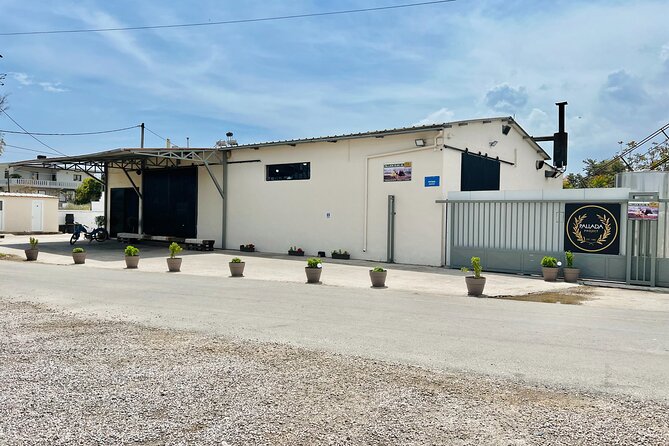
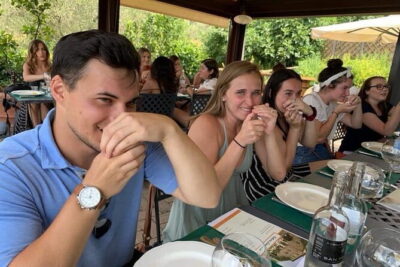
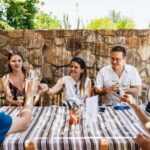
This runs as a small group—maximum 8 people—which means you can actually ask questions and get answers without waiting your turn. The tour is led by a local olive farmer (Bill appears in multiple guide accounts), and the vibe is friendly and direct, centered on everyday olive work rather than tourist talk.
If you’re not especially interested in olive cultivation or flavor differences, you might find the mill and tasting portion a bit short. But if you are curious about why one oil tastes peppery while another feels milder, this format is a strong match.
Key points worth planning around
- Pallada Kèpos botanical park walk among olive varieties and native herbs of Crete
- Modern mill tour through the phases of olive oil production
- Guided extra virgin tasting of 4 oils with clear, comparative guidance
- Small-group size (up to 8) for real back-and-forth with your guide
- Cretan dakos starter finished with olive oil of your choice
You can also read our reviews of more tours and experiences in Crete.
Olive oil on Crete, explained in plain terms
This tour is built for people who want more than a quick factory stop. You’ll start outside, with olive trees and local plant life, then you’ll move into the production side of things. By the time you reach the tasting, you’re not guessing—you’re following a logical chain from grove to harvest to oil flavor.
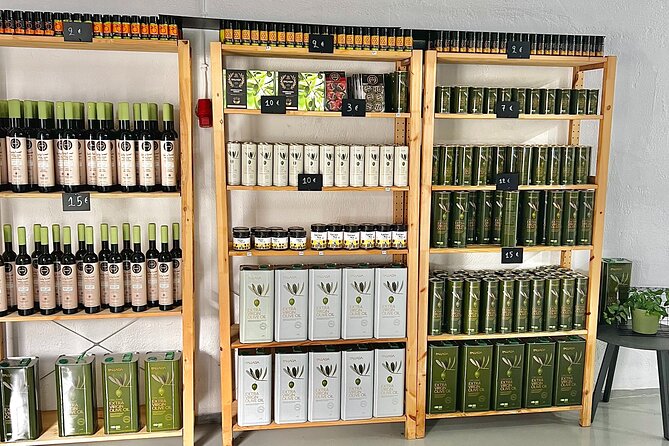
At a price point around $41.94 per person for about 1 hour 30 minutes, the value comes from what you actually get for that time: a botanical walk, a mill walk-through with explanation, and tasting practice that helps you recognize differences among oils. It’s not just passive viewing.
Also, English is available, and you get a mobile ticket. That matters because it keeps things smooth once you’re in Sternes.
Enter Pallada Kèpos: olive groves plus native plants
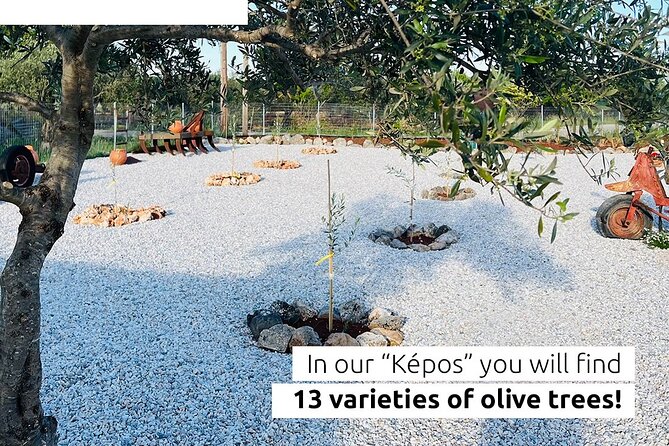
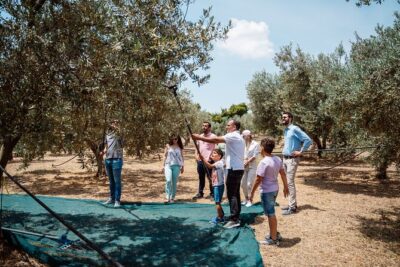
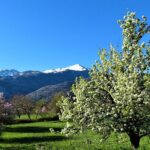
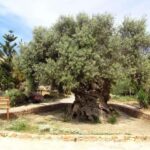
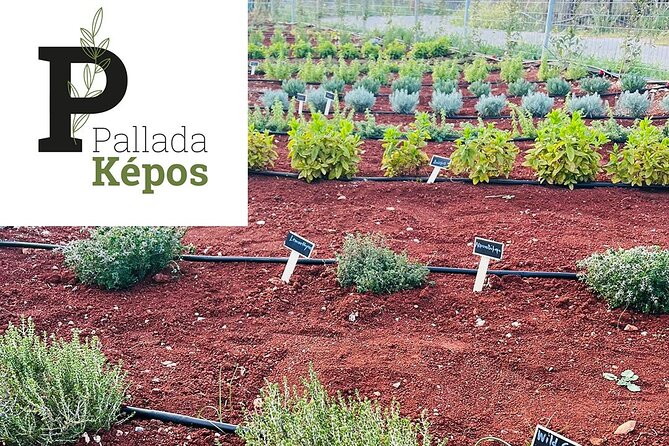
The first stage is a walk at Pallada Kèpos, a small botanical park created among olive groves. Think of it as a shortcut to understanding the setting Crete olives live in, rather than a generic garden stroll.
Here’s what the tour focuses on:
- You’ll walk among olive trees of different Greek varieties.
- You’ll talk about the olive fruit and what’s going on with the trees across the growing cycle.
- You’ll learn about cultivation and the harvest process.
The nice part is that this isn’t just botany trivia. When your guide connects trees and fruit to what becomes oil later, the rest of the tour stops feeling like separate sections. Instead, it all clicks into one story: trees and timing matter.
And it’s not an olive-only zone. The park includes native herbs and flowers of Crete plus a small vegetable garden. That gives you a more complete feel for the landscape and how locals think about edible plants beyond olives.
Practical tip: Wear comfortable shoes. You’ll be walking at least a bit around the grove/park area before the mill tour begins.
The olive mill walkthrough: from fruit to extra virgin
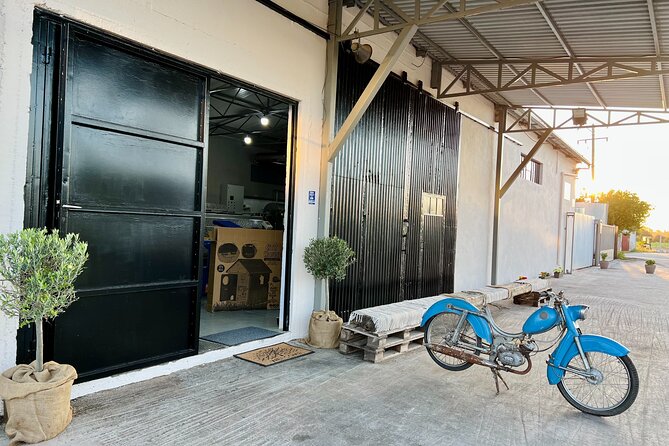
After the grove-side explanation, you’ll visit the olive mill facilities. This is where the tour shifts from “what grows and when” to “how the process turns fruit into oil.”
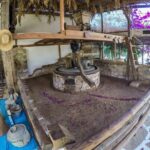
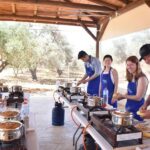
You’ll walk among modern factory production equipment, with the guide explaining the phases of olive oil production in detail. Since you start with trees, fruit, cultivation, and harvest, the mill portion feels like the next chapter rather than a separate attraction.
What I like about this setup is that it trains your attention. Instead of trying to memorize steps as you walk by machines, you understand what the process is trying to preserve—especially in extra virgin oil quality terms. The tour’s structure nudges you to see the mill as part of the same careful chain that begins with trees.
What to watch for: Ask questions when you’re at the equipment. This tour style works best when you pause and connect the explanation to what you’re seeing in front of you.
The tasting: learning to spot differences in 4 oils
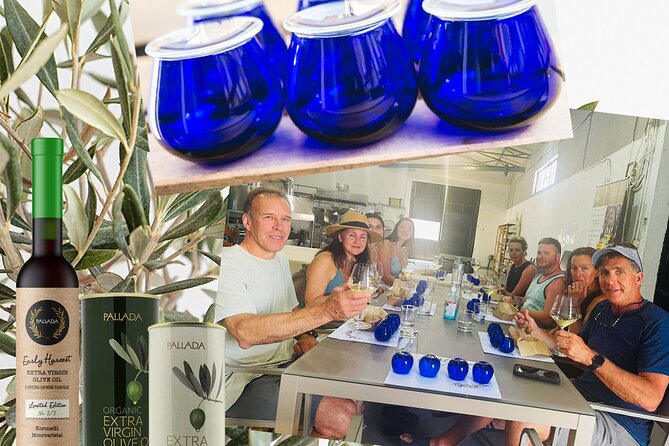
This is the part that tends to land hardest for people because it turns education into a skill. You’ll learn how to taste an extra virgin olive oil, then sample 4 different oils and distinguish their differences.
The tasting element matters because “extra virgin” isn’t one flavor. It can lean grassy, fruity, peppery, bitter, mild—depending on the olives and what happens during processing. A tasting that teaches you how to notice those cues is way more useful than simply saying one oil is good and another is not.
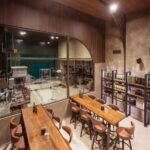
The guided instruction also helps you avoid the common trap of tasting with only your first impression. You’ll practice paying attention the way cooks and serious olive oil shoppers do: noticing aroma, then flavor characteristics, then how it feels in the finish.
This is also why the earlier grove and mill talk is so valuable. By the time you taste, you can connect flavor differences to real production decisions.
If you cook: This tasting will help you choose oils for finishing versus cooking. Even if you don’t cook often, you’ll still come away with a better sense of quality and style.


A Cretan start that finishes the lesson: Cretan dakos
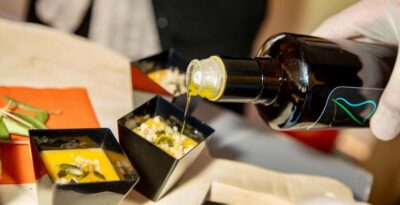
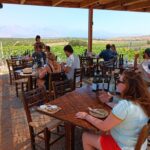
Every good tour leaves you with a taste of the local day. Here, that final note is a traditional cretan treat based on quality products.
The sample menu lists:
- Starter: Cretan Dakos
- Served with the olive oil of your choice
That means your tasting doesn’t just stay in your head. You can match what you learned to what you eat, which is a quick way to reinforce your favorites and understand why you liked them.
Dakos is filling enough to feel like a proper ending, but it’s still light. So if you’re the type who likes to keep exploring after the tour, you won’t be stuck feeling overly full.
Price and value for a 1.5-hour semi-private format
Let’s talk value honestly. $41.94 per person is not a bargain-price workshop, but for 1.5 hours, a tour needs to earn its cost. This one earns it through three concrete elements:
- A guided walk at Pallada Kèpos that teaches olives in context, not just names.
- A real mill visit with explanation of production phases and equipment.
- Guided tasting of 4 extra virgin oils, including how to taste—not just tasting.
The semi-private part is important. With a maximum of 8 travelers, you’re more likely to get direct answers from the guide rather than hearing the same explanation repeated for a larger crowd.
Booking pace can also signal demand. On average, this tour gets booked around 21 days in advance, so if your schedule is tight in Chania, it’s smart to lock it earlier rather than gambling.
Who should book this olive oil tour (and who might skip)
This tour is a great fit if you fall into any of these groups:
- You want a short, structured learning experience in Chania without a full-day commitment.
- You like understanding the process behind food, especially something as practical as olive oil.
- You cook or care about buying quality oil and want a tasting method you can use again later.
- You prefer small groups where questions are easy.
It may be less ideal if:
- You want a long, deep dive day with lots of stops beyond grove, mill, and tasting.
- You’re only interested in olives as a souvenir and don’t care about flavor differences.
- You expect a major meal. You’ll get a starter (dakos), but the tour is built as a learning and tasting experience.
What to know before you go
A few practical points make the day easier:
- Expect about 1 hour 30 minutes of total time.
- It operates with English language support.
- You get a mobile ticket.
- The meeting point is Pallada Olive Oil & Tours, Unnamed Road, Sternes 731 00, Greece, and the tour ends back there.
- The experience allows service animals, and it notes that most travelers can participate.
Also, since it’s near public transportation, you can plan without needing a private driver.
If you’re sensitive to walking time, wear shoes you can trust for uneven outdoor ground. The tour includes a grove/park walk before the indoor mill time.
Should you book Pallada Semi-Private Olive Oil Tours?
I’d book it if you want the sweet spot: real olive education, a mill visit, and a tasting that teaches you something you can use. The biggest reasons are the combination of the Pallada Kèpos walk, the production explanation in the mill, and the guided tasting of 4 oils that helps you tell differences rather than just rate what tastes good.
If you’re short on time in Chania but want something more authentic than a generic tour, this is exactly the kind of stop that adds depth without eating your whole day.
FAQ
How long is the Pallada semi-private olive oil tour in Sternes?
It lasts about 1 hour 30 minutes.
How many people are in the group?
The tour has a maximum of 8 travelers.
What language is the tour offered in?
It is offered in English.
How many olive oils do you taste?
You taste 4 different olive oils during the tasting.
What is included in the tour besides the tasting?
You get a walk at Pallada Kèpos, a visit to the olive mill facilities with production-phase explanations, and a traditional Cretan dakos starter served with olive oil of your choice.
What is the cancellation window?
Free cancellation is available if you cancel at least 24 hours before the experience starts for a full refund.